How to Become a Barista: Skills, Training, and Career Steps
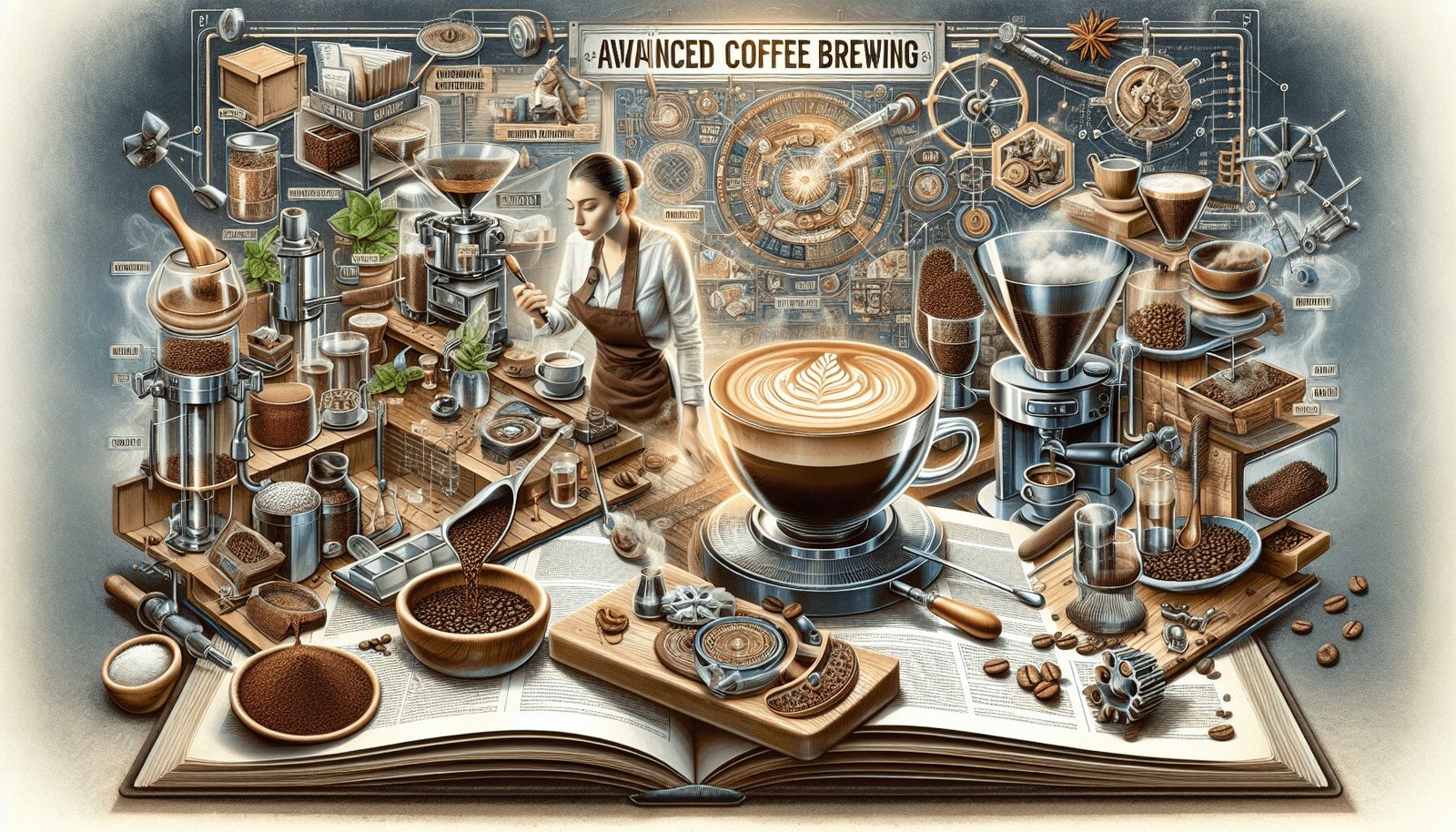
Start a routine of flavor exploration and artistic mastery as you look at “The Complete Guide to Becoming an Advanced Barista.” From mastering the delicate art of latte art to understanding the subtle flavors of coffee beans from around the world, this complete guide will equip you with the knowledge and skills to improve your barista game to new heights. Reveal the secrets to extracting the perfect espresso shot, learn the techniques behind creating detailed designs on cappuccinos, and open up the key to presenting a sensory experience like no other. Get ready to immerse yourself in coffee craftsmanship and awaken your inner maestro.
How to become a barista, in short: To become a barista, apply for an entry level cafe job, since most shops train on the job, and practice dialing in espresso, steaming milk, and pouring latte art every shift. To move up to head barista or trainer, add structured training such as the SCA Barista Skills courses and learn to taste and correct shots.
Understanding Coffee History
The Discovery of Coffee
Coffee, a beloved beverage enjoyed by millions around the world, has a rich and intriguing history. The story of coffee begins with its discovery in the ancient highlands of Ethiopia. Legend has it that a goat herder named Kaldi noticed his goats becoming more energetic after consuming the red berries from a certain tree. Intrigued, he decided to taste the berries himself and experienced a newfound sense of alertness and vigor. This discovery would forever change the course of history.
First Usage of Coffee in Different Cultures
From its roots in Ethiopia, coffee quickly spread to various parts of the world and became an integral part of diverse cultures. The first known usage of coffee as a beverage can be traced back to the Sufis of Yemen, who would drink it to stay awake during their nighttime prayers. The stimulating effects of coffee soon gained popularity, with coffee houses bustling with activity throughout the Middle East.
Evolvement of Coffee Through the Years
Over the years, coffee evolved and adapted to different cultures and regions, with each civilization adding its own unique touch. In Turkey, coffee was brewed in a special pot called a cezve and served with traditional Turkish delight. In Italy, coffee became the base of the Italian lifestyle, with espresso and cappuccino gaining worldwide fame. the art of brewing coffee expanded with the invention of new brewing methods, such as the French press, pour-over, and cold brew.
Introduction of Coffee to the Western World
Coffee’s arrival in the Western world can be attributed to various historical events and figures. In the 17th century, coffeehouses began appearing in major European cities, serving as hubs for intellectual discussions and social gatherings. The British, known for their love of tea, slowly embraced coffee as well and established coffee houses that attracted writers, artists, and businessmen alike. Coffee reached the American colonies in the mid 1600s, arriving in New Amsterdam, later New York, according to the National Coffee Association, and the coffeehouse culture that followed remains strong to this day.
Complete Knowledge about Coffee Types
Different Species of Coffee
For coffee, there are primarily two species that dominate the industry: Arabica and Robusta. Arabica, known for its smooth and subtle flavors, accounts for the majority of the world’s coffee production. On the other hand, Robusta, with its higher caffeine content and stronger taste, is often used in espresso blends and instant coffee.
Understanding Coffee Varieties
Within the Arabica species, numerous varieties exist, each with its own distinct character and flavor profile. Some popular Arabica varieties include Bourbon, Typica, and Geisha. These varieties are often named after the regions in which they were first cultivated and have become sought-after by coffee enthusiasts for the unique taste experiences they offer.
Geographical Influences on Coffee Types
The taste of coffee is greatly influenced by the region in which it is grown. Factors such as altitude, climate, soil composition, and cultivation practices all play a role in shaping the flavor profile of coffee beans. For example, coffees grown at high altitudes tend to develop complex acidity and floral notes, while those grown in lower altitudes may have a more earthy and full-bodied taste.
Factors Determining the Taste of Different Coffee Types
Apart from the geographical influences, there are several other factors that contribute to the taste of different coffee types. The processing method used, the roast profile, and the brewing technique all have a significant impact on the flavors that are extracted from the coffee beans. Whether it’s a light roast with vibrant acidity or a dark roast with rich chocolate notes, understanding these factors is key in achieving the desired taste in your cup.
Coffee Processing
Understanding Coffee Cherry
The routine of coffee from plant to cup begins with the coffee cherry. The coffee cherry is a fruit that grows on the coffee tree and contains the coffee beans. It starts as a small, green fruit and undergoes a transformation as it ripens, turning into a vibrant red or yellow color. Within the cherry, lies the precious coffee bean, which is extracted and processed to eventually brew your favorite cup of coffee.
Processes Involved in Getting the Bean
Once the coffee cherries are harvested, they go through a series of processes to extract the coffee beans. The first step is to remove the outer skin and pulp, which is done through either the dry or wet method. In the dry method, the cherries are simply laid out to dry, while in the wet method, they are soaked and mechanically washed. In the washed method, the beans are then fermented to loosen the sticky mucilage, washed, and dried to reduce their moisture content. Natural, or dry process, coffees skip that step and dry inside the whole cherry before hulling.
Different Methods of Coffee Processing
Coffee processing is a delicate art, and different regions have developed their own unique methods over time. In addition to the dry and wet methods, there are other variations such as honey processing, where some of the mucilage is left on the bean during drying, resulting in sweeter and more complex flavors. Natural processing involves drying the cherries with the beans still inside, imparting fruity and funky flavors to the coffee.
Impact of Process on Flavor of Coffee
The processing method employed can have a profound effect on the flavor profile of coffee. Each method brings out different characteristics in the beans, allowing for an array of flavors to be discovered. For example, coffees processed using the washed method often exhibit bright acidity and a clean finish, while natural processed coffees tend to have a fruity and sometimes wine-like quality. Understanding these processes empowers baristas to select and brew coffees that cater to different taste preferences.
Coffee Roasting Basics
Stages of Coffee Roasting
Roasting is the process of transforming green coffee beans into the aromatic brown beans we are familiar with. It is during this process that the flavors and aromas of coffee are developed. The roasting process can be divided into several stages – from the yellowing stage, where the beans start to change color, to the first and second crack, where the beans release an audible popping sound, indicating the development of flavors.
Different Roasting Levels
Roasting allows for a wide range of flavor profiles to be achieved, catering to different preferences. Light roasts preserve the delicate flavors and acidity of the beans but have less developed body. Medium roasts strike a balance between acidity and body, while dark roasts have a bold and solid flavor profile with reduced acidity. Each roasting level offers a unique taste experience, and the choice depends on personal preference and the desired characteristics of the coffee.
Impacts of Roasting on Flavor Profiles
The roasting process is essential in bringing out the desired flavors and aromas of coffee. The duration and temperature at which the beans are roasted greatly influence the final flavor profile. Longer roasting times and higher temperatures result in darker roasts with more caramelization and bitter notes, while shorter roasts retain more of the bean’s inherent flavors. The roaster’s skill in controlling these variables is key in achieving consistent and exceptional coffee.
Roasting Equipment and Techniques
The art of roasting requires specialized equipment and techniques. Roasters use machines that evenly distribute heat and monitor temperature to ensure uniformity and control during the process. Different techniques, such as drum roasting or air roasting, can be employed to achieve specific flavors. It is through a deep understanding of the roasting process and the utilization of precise equipment and techniques that baristas can create exceptional coffee experiences for their customers.
Grinding and Brewing Techniques
Introduction to Grinding
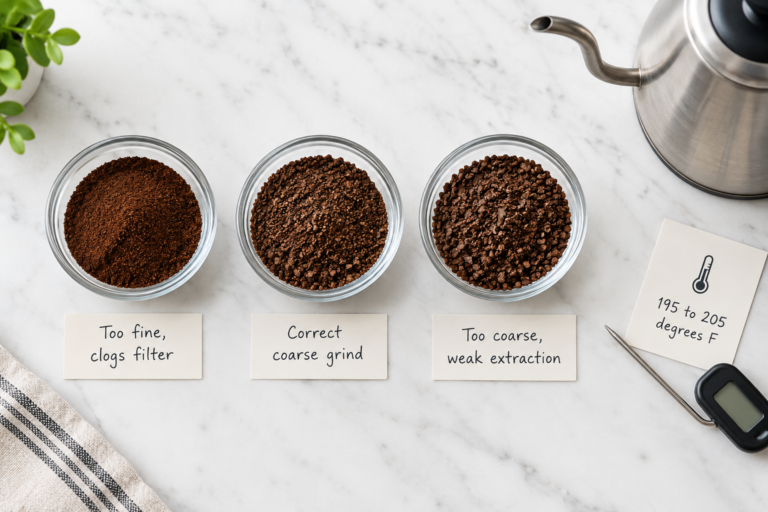
Grinding coffee is a critical step that greatly affects the quality and taste of the final brew. The purpose of grinding is to break down the coffee beans into smaller particles to maximize the extraction of flavors during brewing. How the coffee is ground, whether finely or coarsely, depends on the desired brewing method and the extraction time required to achieve the optimal balance of flavors.
Ideal Grind Sizes for Different Brew Methods
Different brewing methods necessitate specific grind sizes to achieve the desired flavor profiles. For example, espresso requires a fine grind to allow for the extraction of concentrated flavors in a short amount of time. On the other hand, a French press requires a coarser grind to prevent over-extraction and produce a clean cup. Understanding the appropriate grind size for each brewing method is key in obtaining a well-balanced and delicious cup of coffee.
Understanding Different Brewing Methods
coffee offers a lots of brewing methods, each with its own unique approach to extracting flavors. From the classic pour-over to the intriguing siphon and the modern aeropress, each method presents baristas with the opportunity to showcase the character of the coffee in different ways. Understanding the mechanics and nuances of each brewing method allows baristas to open up the full potential of the beans, resulting in a truly exceptional cup of coffee.
How Brewing Affects Coffee Taste
Brewing is the final step in the coffee-making process, and it is during this stage that the flavors and characteristics of the beans are fully realized. Factors such as water temperature, brew time, and extraction ratio all play a significant role in the taste of the final cup. Careful attention to these variables ensures a well-balanced and flavorful brew, allowing the nuances and details of the coffee to shine through.
Latte Art and Presentation
Basics of Latte Art
Latte art, the detailed designs formed by pouring steamed milk into espresso, has become an integral part of coffee culture. While it serves as an aesthetic addition to the coffee, it also requires skill and precision. The key to creating latte art lies in the proper steaming of milk and the control of pouring technique. Baristas can create beautiful and elaborate designs such as hearts, tulips, and rosettas, adding an artistic touch to each cup.
Different Techniques for Latte Art
There are various techniques employed by baristas to create different patterns and designs in latte art. For example, the free pour method involves showcasing the barista’s pouring skills and creating designs directly into the cup. Etching, on the other hand, involves using tools to create detailed details and shapes after the milk has been poured. Each technique offers its own unique artistic expression, allowing baristas to bring creativity and individuality to their craft.
How to Present Coffee Professionally
Presentation is an essential aspect of the coffee experience. A professionally presented cup of coffee not only improves the visual appeal but also sets the stage for the flavors and aromas that await. Baristas take great care in choosing the appropriate cupware, selecting the right garnishes, and ensuring cleanliness and attention to detail. The presentation of coffee is a reflection of the barista’s dedication to their craft and their commitment to delivering a memorable experience to their customers.
Influence of Cup Size and Shape on Coffee Taste
The choice of cup size and shape can surprisingly impact the taste of the coffee. A smaller cup can concentrate the aromas and intensify the flavors, while a larger cup allows for a more balanced and mellow experience. The shape of the cup can also influence the flow of coffee on the palate, subtly altering the perception of flavors. Baristas consider these factors when selecting the appropriate cupware to showcase the coffee in the best possible light.
Tools and Equipment
Introduction to Barista Tools
Baristas rely on a variety of tools to bring their coffee creations to life. From espresso tampers to milk pitchers, each tool has a specific purpose and helps help the brewing and preparation process. Tamper tools ensure even extraction of flavors, while precise coffee scales aid in measuring the correct coffee-to-water ratio. Baristas familiarize themselves with these tools and develop a mastery of their usage to consistently deliver exceptional coffee.
Understanding the Espresso Machine
The espresso machine is the heart of any coffee shop and a critical tool in the hands of a skilled barista. It is through the espresso machine that the transformation from coffee grounds to a powerful shot of espresso takes place. Baristas learn to operate and maintain these machines, adjusting variables such as water temperature and pressure to achieve the perfect espresso extraction. Mastery of the espresso machine is key in attaining the desired flavors and ensuring consistency in every cup.
Use of Grinder and Brewer
A grinder is an indispensable tool in the coffee-making process, responsible for pulverizing the beans into a consistent grind size. Baristas select and adjust grinders according to specific brewing methods and preferences to achieve the desired extraction. Brewers, including equipment like the pour-over dripper or the espresso machine portafilter, are used to help the extraction process, controlling variables such as water flow rate and contact time to tune flavors.
Maintenance and Usage of Other Key Equipment
Aside from the primary tools, there are other key pieces of equipment that baristas must master. Steam wands, used for steaming milk, require precise technique and temperature control to achieve velvety and well-textured milk. Cleaning tools, such as brushes and detergents, are essential for maintaining the cleanliness and hygiene of the coffee equipment. Baristas understand the importance of regular maintenance and usage of these tools to ensure consistency and quality in their coffee preparations.
Customer Service Skills
Importance of Customer Service for Baristas
In coffee, excellent customer service goes hand in hand with serving exceptional coffee. Baristas understand that providing a memorable customer experience is key in establishing lasting connections and building a loyal customer base. The ability to provide friendly, knowledgeable, and attentive service sets the stage for a positive coffee routine and improves the overall enjoyment of the beverage.
Developing Effective Communication Skills
Effective communication is key to successful interactions with customers. Baristas strive to cultivate strong interpersonal skills, actively listening to customer preferences, understanding their needs, and providing appropriate recommendations. Clear and concise communication ensures that customers feel heard and valued, fostering a sense of trust and satisfaction. Baristas understand the power of genuine and engaging communication in creating memorable experiences for their customers.
Understanding Customer Preferences and Choices
Every coffee lover has unique preferences for their cup of joe. Baristas make it their mission to understand and cater to these preferences, personalizing each coffee experience to match the customer’s specific tastes. Whether it’s adjusting the grind size, recommending a particular brewing method, or suggesting flavor profiles, baristas excel in tailoring their skills to suit individual preferences.
Building Rapport with Repeat Customers
Building rapport with customers is an essential aspect of customer service. Baristas strive to create a warm and welcoming environment, where customers feel comfortable and valued. Recognizing repeat customers, remembering their favorite orders, and engaging in friendly conversations contribute to establishing a personal connection. Repeat customers feel a sense of belonging, fostering loyalty and trust in the barista’s expertise.
Advanced Coffee Recipes
Introduction to Common Recipes
While coffee is a delight on its own, it can also be the star ingredient in a variety of creative and delicious recipes. From the espresso martini, created by London bartender Dick Bradsell in the 1980s, to the affogato, a classic Italian dessert of espresso poured over gelato, coffee recipes give baristas room to experiment. These recipes showcase the versatility of coffee and offer unique taste experiences that improve the beverage to new heights.
How to Make Coffee Cocktails
Coffee cocktails combine the flavors of coffee with various spirits, resulting in complex and indulgent libations. Baristas experiment with different combinations, such as the popular Irish coffee or the espresso martini, to create balanced and enticing cocktail recipes. The harmonious marriage of coffee and alcohol creates a sensory experience that delights the taste buds and allows coffee enthusiasts to indulge in the best of both worlds.
Blending Different Coffee Types
Blending a variety of coffee types is a skill that advanced baristas develop. By combining different beans with complementary flavor profiles, baristas are able to create unique and well-balanced blends. This allows for greater control over the taste and aroma of the coffee, ensuring consistency and satisfaction for customers. Blending is a delicate art that requires a deep understanding of the characteristics of each coffee type and the ability to harmonize them into a cohesive blend.
Creating Your Own Signature Coffee
Advanced baristas have the opportunity to put their creativity to the test by crafting their own signature coffee. A signature coffee is a unique creation that embodies the barista’s vision and showcases their expertise. It may involve blending different coffee types, experimenting with unconventional brewing methods, or infusing the brew with creative flavors. Creating a signature coffee allows baristas to leave their mark on the coffee industry and provides customers with a truly special and unforgettable experience.
Career Prospects in the Coffee Industry
Career Paths for Baristas
A career in the coffee industry offers numerous opportunities for growth and advancement. Baristas can pursue various paths, such as becoming a head barista, a coffee trainer, or a coffee shop manager. Each path provides its own set of challenges and rewards, allowing baristas to continuously develop their skills and knowledge. With dedication and passion, baristas can excel in their careers and contribute to the vibrant coffee community.
Professional Barista Competitions
For baristas seeking to push the boundaries of their skills, professional barista competitions provide an exciting avenue for growth. These competitions allow baristas to demonstrate their expertise, creativity, and technical precision in front of a panel of judges. Competing in events such as the World Barista Championship or the United States Barista Championship not only offers recognition and professional development but also provides an opportunity to immerse oneself in the community of passionate coffee professionals.
Opportunities for Growth and Advancement
The coffee industry is a dynamic and changing field, offering a multitude of opportunities for those seeking growth and advancement. From specialty coffee shops to coffee roasteries, the industry is ripe with potential for individuals to hone their skills, explore new avenues, and contribute to the advancement of the craft. Whether it’s mastering latte art, becoming a certified coffee taster, or delving into coffee research and development, the possibilities for growth in the coffee industry are endless.
Running Your Own Coffee Shop/Brand
For ambitious baristas, the dream of running their own coffee shop or brand is a compelling one. Owning a coffee shop allows for creative freedom, the ability to curate a unique coffee experience, and the opportunity to build a loyal customer base. From selecting the perfect location to designing the interior, from sourcing the best coffee beans to crafting a menu that reflects your vision, running your own coffee shop or brand is a routine that combines passion, entrepreneurship, and a deep love for coffee.
The Complete Guide to Becoming an Advanced Barista offers complete knowledge, skills, and insights into coffee. By understanding coffee history, mastering different coffee types, delving into coffee processing, roasting, grinding, and brewing techniques, exploring latte art and customer service skills, and learning advanced coffee recipes, baristas can start a fulfilling career in the coffee industry. The possibilities for growth, creativity, and success in coffee are boundless, awaiting those who are willing to truly immerse themselves in the art and science of coffee.
The Barista Skill Ladder, Step by Step
Most cafes hire for attitude and train for skill, so the first rung is simply getting behind a bar. What moves you up is a short list of things you can prove on a busy Saturday.
| Stage | What you can do | How you know you are ready for the next step |
|---|---|---|
| New barista | Take orders, pull shots to the house recipe, steam milk for lattes and cappuccinos, keep the station clean | You finish a rush without asking where anything lives |
| Confident bar barista | Pour a heart and tulip on most drinks, run two milk drinks at once, spot a bad shot by its time and color | Regulars ask for your drinks, and your waste bin stays mostly empty |
| Head barista | Dial in the espresso each morning, adjust grind as the day warms up, taste and correct other people’s shots | You can explain why a shot tastes sour and fix it in two tries |
| Trainer or coffee lead | Teach new staff, run cuppings, write recipes, handle machine care and supplier questions | New hires you trained make drinks that taste like yours |
Barista Training and Certifications Worth Knowing
You do not need a certificate to get hired. Structured training starts to pay off when you want a specialty cafe job, a head barista role, or a training position.
- SCA Barista Skills: the Specialty Coffee Association’s Coffee Skills Program runs Barista Skills at three levels: Foundation (7 hours), Intermediate (14 hours) and Professional (21 hours). The same program also offers Brewing, Sensory Skills, Roasting and Green Coffee modules, taught through authorized trainers and campuses.
- Q Arabica Grader: a cupping and grading credential from the Coffee Quality Institute, aimed at people who buy, grade or roast green coffee rather than at bar staff.
- Competitions: the United States Coffee Championships feed into the World Barista Championship. Even if you never compete, watching competition routines teaches you how top baristas talk about flavor.
Practice at Home Before Your First Shift
- Pull ten shots from one bag. Keep the dose fixed and move only the grind until the time lands where you want it. A decent grinder matters more than the machine here, which is why our best espresso grinder guide starts with grind adjustment.
- Steam water before milk. Fill the pitcher with water and a drop of dish soap and practice the stretch and roll without wasting a gallon of milk. Rinse the wand and pitcher well afterward.
- Learn the menu by texture. Know the foam difference in a cappuccino vs latte before a customer asks you, because they will.
- Time your workflow. Make two milk drinks back to back and time the sequence from grind to hand off. Speed comes from order of operations more than fast hands.
- Clean like it is closing time. Backflush, wipe the wand after every drink, and brush the group head. Managers notice this before they notice latte art.
If you need a machine to practice on, start with our best espresso machine for beginners picks, which favor steam wands you can actually learn on.
How to become a barista: FAQ
Do you need experience to become a barista?
No, most cafes hire beginners and train them on the job. What helps in an interview is showing you already understand the basics: what a shot should look like, how a latte differs from a cappuccino, and that cleaning is part of the job.
Is barista certification worth it?
Barista certification is worth it when you want a specialty cafe, head barista, or training role, and optional for an entry level job. The SCA Barista Skills Foundation course runs 7 hours, so it is a modest first step before committing to the Intermediate and Professional levels.
How long does it take to become a good barista?
Expect a few weeks of regular shifts to feel steady on bar, and several months of daily practice for consistent latte art and confident dialing in. Tasting every shot you pull speeds this up more than anything else. Find more espresso and milk drink guides on Coffee Rank IQ.