How to Taste Coffee: Palate Drills You Can Do at Home
Imagine the rich aroma of freshly brewed coffee filling the air, a warm cup of perfection awaiting your taste buds. But how well do you truly appreciate the nuances and details of this beloved beverage? Whether you’re a casual coffee drinker or a self-proclaimed connoisseur, honing your coffee tasting skills is an art that can improve your enjoyment to a whole new level. In this article, we’ll uncover the secrets to unlocking your palate’s potential and discovering the hidden wonders within each sip. Get ready to start a sensory routine that will awaken your senses and transform the way you experience coffee.
How to taste coffee, in short: To taste coffee well, compare two or more coffees side by side instead of judging one cup alone. Smell the grounds and the brew, slurp a spoonful so it sprays across your tongue, and rate acidity, sweetness, body, bitterness, and finish. Taste again as it cools, write notes, then repeat blind.
Understanding the Basics of Coffee Tasting
The role of beans in coffee taste
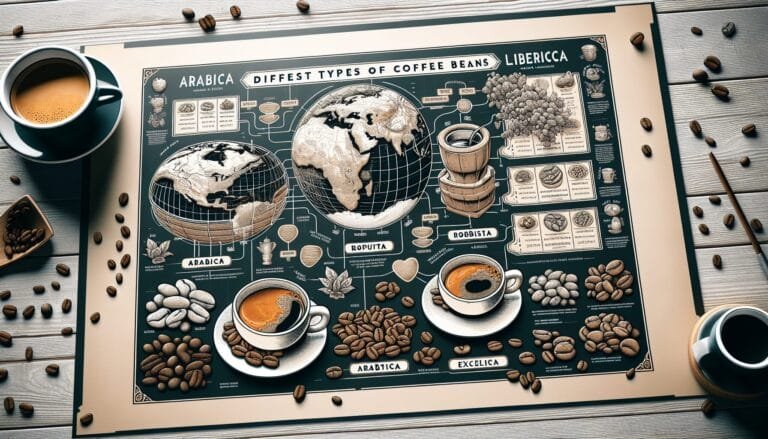
For coffee tasting, the beans play a vital role in determining the overall flavor profile. The variety of coffee beans used, such as Arabica or Robusta, can significantly impact the taste. Arabica beans are known for their smoother, more subtle flavors, while Robusta beans tend to have a stronger, more bitter taste. The origin of the beans and the specific growing conditions also contribute to the flavor. Different regions produce different taste characteristics, allowing coffee enthusiasts to explore a wide range of flavors.
Impact of the coffee-making process
The coffee-making process, from harvesting to brewing, has a direct impact on the taste of the final cup. The way beans are processed after they are harvested, such as natural, washed, or honey processing, can bring out different flavors and aromas. Roasting is another critical step that determines the depth and intensity of the flavors. Light roasts often have brighter, more acidic flavors, while dark roasts tend to be bolder and more solid. Understanding the various coffee-making processes can help you appreciate and identify the nuances in each cup.
How water quality affects coffee taste
Water quality is often overlooked, but it plays a key role in the taste of coffee. The mineral content, pH level, and overall cleanliness of the water can greatly affect the flavor extraction during brewing. Using filtered or bottled water is highly recommended to ensure that any unwanted flavors or impurities do not overpower the natural characteristics of the coffee beans. Also, the ideal water temperature for brewing coffee is around 195-205°F (90-96°C) to achieve optimal extraction and maximize flavor.
Introduction to coffee acidity and body
Acidity and body are fundamental elements to consider when evaluating coffee taste. Acidity refers to the bright, tangy, or citrus-like flavors that can be experienced in coffee. It adds a lively and refreshing quality to the overall taste. On the other hand, body refers to the weight, thickness, and viscosity of the coffee. It can range from light and tea-like to heavy and syrupy. Understanding how acidity and body interact can provide valuable insights into the overall balance and complexity of a coffee’s taste profile.
Identifying Different Types of Coffee
Exploring popular coffee varietals
There is a multitude of coffee varietals cultivated worldwide, each with its own distinct characteristics and flavors. Some of the best known names on coffee bags are Ethiopian Yirgacheffe, Colombian Supremo, and Guatemalan Antigua, which are growing regions and grades rather than varietals. Varietals are plant types, such as Typica, Bourbon and Gesha. Ethiopian Yirgacheffe is known for its floral and fruity notes, while Colombian Supremo offers a balanced and medium-bodied cup. Guatemalan Antigua, on the other hand, features chocolate and nutty undertones. Exploring different varietals allows you to develop a deeper understanding of the diverse world of coffee flavors.
Understanding the geographical influence on coffee
The geographical location where coffee is grown plays a significant role in its flavor and taste characteristics. Factors such as altitude, climate, soil composition, and even nearby flora can have a profound impact on the final cup. For example, high-altitude regions often produce coffees with vibrant acidity and complex flavors, while lower altitude regions may yield more mellow and chocolatey profiles. By understanding the effect of geography on coffee, you can better appreciate the unique flavors that different regions have to offer.
Key differences between Arabica and Robusta
Arabica and Robusta are the two main species of coffee, each with its own distinct qualities. Arabica beans are generally considered to be higher quality and more flavorful, with a wider range of taste profiles. They often exhibit vibrant acidity, delicate flavors, and pleasant aromas. Robusta beans are typically more bitter and have a stronger, earthier taste. They are commonly used in espresso blends to add body and crema. Understanding the differences between Arabica and Robusta can help you choose the right coffee for your palate preference.
Impact of coffee processing methods
Coffee processing methods refer to the way the coffee cherries are handled after they are harvested. There are three primary methods: natural, washed, and honey process. The natural process involves drying the cherries with the fruit intact, resulting in a sweeter and fruitier flavor. Washed process includes removing the fruit and fermenting the beans before drying, producing a cleaner and brighter taste. Honey process falls somewhere in between, as some of the fruit is removed but some remains, leading to a unique sweetness. Knowing the different processing methods allows you to appreciate the diverse flavors they bring to the table.
Coffees’ Flavor Wheel and Tasting Notes
Understanding coffee flavor wheel
The coffee flavor wheel is a visual tool that categorizes and maps the different tastes and aromas found in coffee. It helps coffee tasters identify and describe the various flavor notes they perceive. The wheel is divided into different sections, each representing a specific taste category, such as fruity, floral, or chocolatey. By familiarizing yourself with the flavor wheel, you can improve your ability to articulate the nuances in coffee flavor profiles.
Identifying key flavor characteristics
When tasting coffee, it’s important to look for specific flavor characteristics to develop a discerning palate. Some common flavor characteristics often found in coffee include citrus, berry, caramel, chocolate, nutty, and floral. By paying attention to these distinct flavors, you can start to recognize them in different coffees and differentiate between various taste profiles. Training your taste buds to identify key flavor characteristics will greatly improve your coffee tasting experience.
Recognizing flavor notes
Flavor notes refer to the specific aromas and tastes that can be detected in a coffee. These notes are often described using familiar terms, such as blueberries, jasmine, caramel, or almonds. Recognizing flavor notes requires practice and a keen sense of smell and taste. As you become more familiar with different coffees, you will develop the ability to dive deeper into the complexity of flavors present in each cup.
Tools Needed for Coffee Tasting
Essentials for coffee brewing
To fully enjoy the coffee tasting experience, it’s essential to have the right tools for brewing. This includes a quality coffee grinder, a reliable coffee maker or brewing device, a precise kitchen scale for measuring coffee and water ratios, and an accurate thermometer for monitoring water temperature. Having these essentials ensures that you can consistently brew coffee to the desired taste and extract the flavors properly.
Using a coffee grinder
A coffee grinder is a key tool for coffee enthusiasts who want to experience the freshest flavors in their cup. Grinding coffee beans just before brewing preserves the aromatic oils and improves the taste. burr grinders are generally preferred over blade grinders as they offer more control and consistency in grind size. Experimenting with different grind sizes can also help you fine-tune the taste and extraction of your coffee.
Importance of a fresh palate cleanser
Having a fresh palate cleanser, such as water or unsalted crackers, is essential during coffee tasting sessions. It helps reset your taste buds and neutralize any lingering flavors before moving on to the next coffee. This ensures that each coffee is tasted with a clean palate, allowing you to fully appreciate its unique characteristics without any influence from the previous cup.
Organization tools for note-taking
Taking notes during coffee tasting sessions is essential for documenting your observations and tracking your taste preferences. A simple notebook or a coffee tasting journal can serve as an organization tool, allowing you to record the coffee’s origin, roast profile, brewing method, flavor notes, and overall impressions. This helps you identify patterns, track your palate development, and discover new favorites over time.
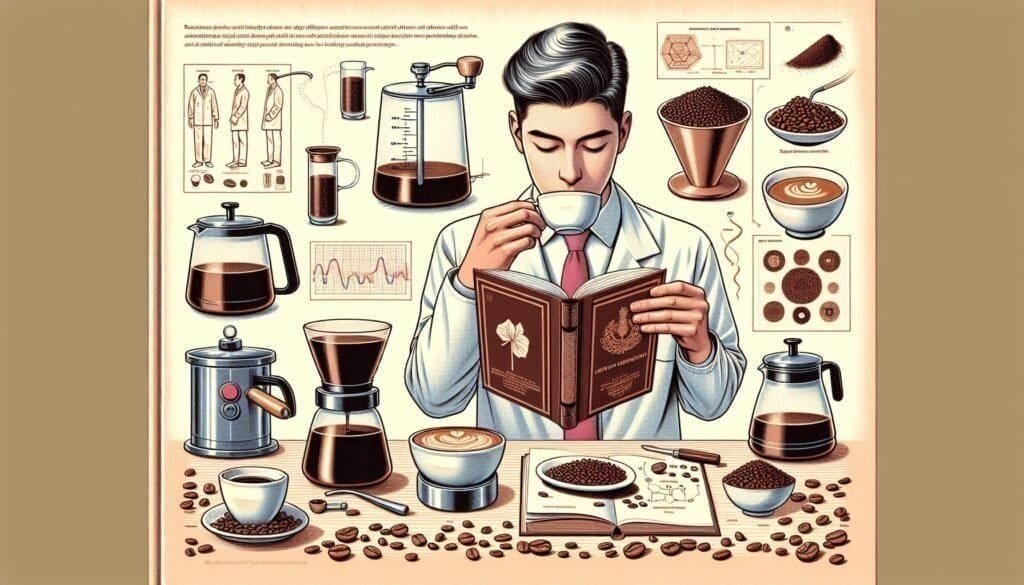
The Sensory Experience for Coffee Tasting
How sight influences taste
The visual aspect of coffee can provide valuable clues about its taste. When examining the appearance of brewed coffee, consider its color, clarity, and viscosity. Lighter roasts tend to exhibit a lighter color, while darker roasts are deeper and sometimes even oily. On espresso, crema mostly signals freshness, since it forms from carbon dioxide still trapped in recently roasted beans. Thick crema does not guarantee a good tasting shot. Taking the time to observe and appreciate the visual characteristics of coffee adds another dimension to the tasting experience.
Evaluating coffee aroma
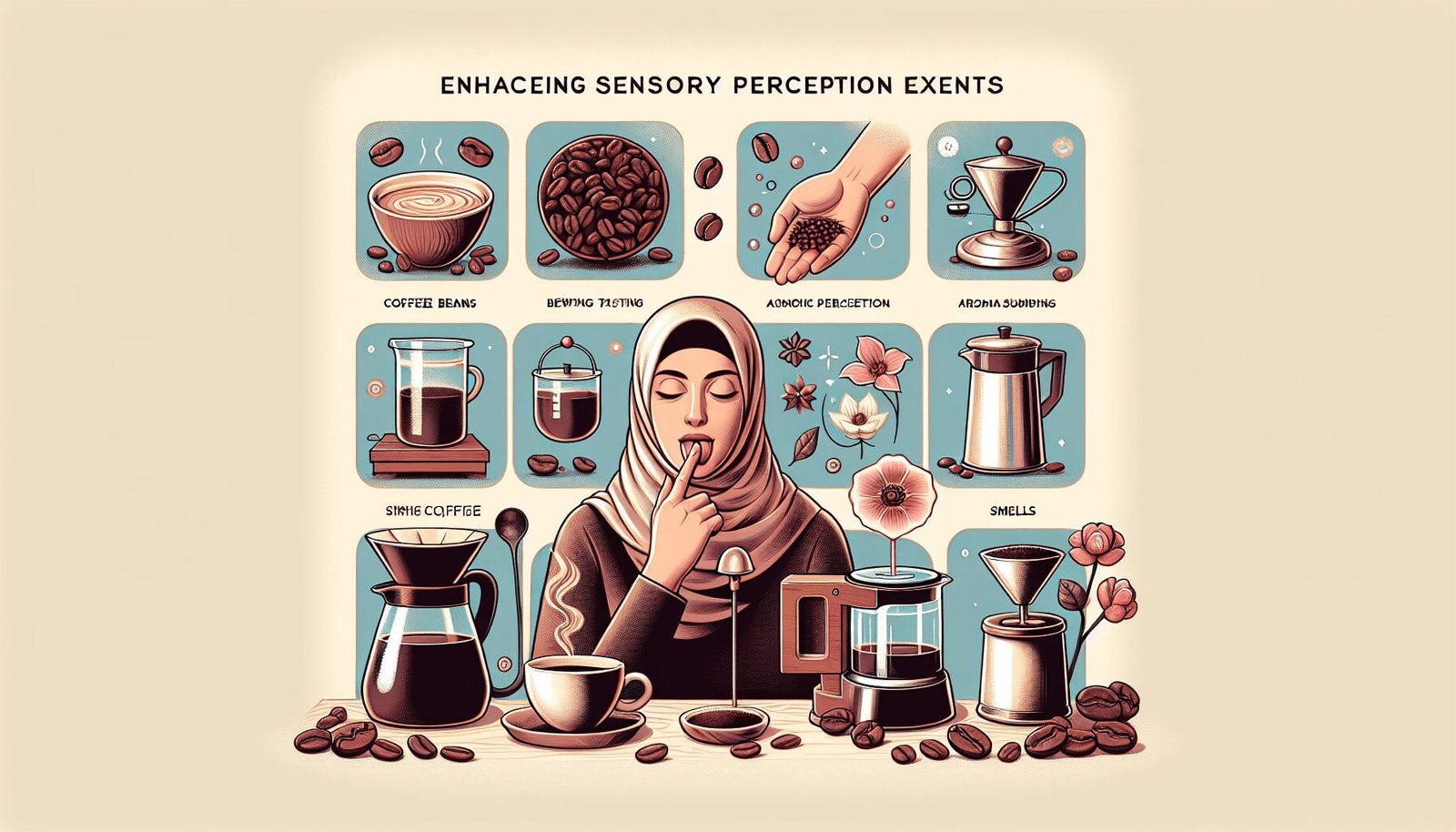
Aroma is a vital component of the overall coffee tasting experience. It is through our sense of smell that we can detect subtle nuances and details in coffee. To evaluate the aroma effectively, take a moment to inhale the aroma deeply before taking a sip. Pay attention to the various scents, such as floral, fruity, or earthy notes, and try to identify specific aromas that stand out. The aroma can greatly improve the anticipation and enjoyment of the coffee tasting process.
Taste and mouth-feel perception
Taste perception is a combination of flavors, acidity, sweetness, and bitterness. When tasting coffee, take a small sip and allow it to coat your entire palate. Notice the different flavor characteristics and how they interact with each other. Is the coffee sweet, tangy, or bitter? Is the acidity pronounced or well-balanced? The mouth-feel, or the physical sensation of the coffee in your mouth, also contributes to the overall experience. Coffee can feel light, silky, creamy, or even gritty, depending on factors such as acidity and body. Paying attention to taste and mouth-feel improves your ability to fully appreciate the complexity of the coffee.
Understanding aftertaste
Aftertaste refers to the lingering flavors that remain in your mouth after swallowing the coffee. It can range from pleasant and long-lasting to bitter and unpleasant. A positive aftertaste indicates a well-balanced and well-extracted coffee. By focusing on the aftertaste, you can evaluate how the flavors evolve and linger after each sip. Understanding and appreciating the aftertaste adds a final touch to the coffee tasting experience.
The Coffee Cupping Method
Introduction to the coffee cupping method
The coffee cupping method is a standardized process used by professionals to evaluate and compare different coffees. It involves cupping bowls, typically glass or ceramic, filled with a precise amount of ground coffee and hot water. The coffee is steeped for a specific time, and then the crust that forms on top is broken to release the aromas. Cupping allows you to taste multiple coffees side by side, allowing for a more objective evaluation of their flavor profiles.
How to set up for coffee cupping
To set up for coffee cupping, you will need cupping bowls or cups, a cupping spoon, a coffee scale, a timer, and water at about 93°C (200°F), the temperature in the SCA cupping protocol. Weigh 8.25 grams of coffee for every 150 ml of water, the SCA ratio, and grind it coarse, close to a French press grind. Place the coffee grounds in the cups, pour the water evenly over each cup, and let them steep. At four minutes, break the crust by pushing through it with the spoon while you lean in and smell the aroma, skim off the floating grounds, and begin tasting once the coffee cools a bit, slurping each spoonful so it sprays across your palate.
Techniques for tasting and evaluating
When tasting coffee using the cupping method, it’s important to focus on a few key aspects. Start by evaluating the aroma by inhaling deeply from the cup. Then, use a spoon to remove any foam or floating particles before taking a sip and allowing the coffee to coat your palate. Pay attention to the flavors, acidity, body, and aftertaste, and make notes of your observations. The cupping method provides a systematic way to evaluate and compare different coffees, allowing you to get a deeper understanding of their unique characteristics.
The Importance of Record Keeping in Tasting
Maintaining a coffee tasting journal
Keeping a coffee tasting journal is a valuable practice for anyone who wants to improve their coffee tasting skills. In your journal, record the coffee’s origin, roast level, brewing method, and any relevant details about its flavor profile. When tasting a coffee, note the specific flavor characteristics, acidity, body, and aftertaste. Over time, you can refer back to your journal to identify patterns, track your preferences, and discover insights about your palate.
Recording observations effectively
To record your coffee tasting observations effectively, try to be as specific and detailed as possible. Use descriptive language to capture the unique flavors, aromas, and textures you experience. Note any positive or negative aspects of the coffee and how it compares to your expectations or previous tastings. Keep in mind to include details about the brewing method, as it can greatly impact the final taste. Accurate recording allows you to make meaningful comparisons and draw conclusions about different coffees.
Using a scoring system for personal growth
Using a scoring system can help you objectively assess and rate the coffee you taste. Develop a personal rating scale, whether it’s based on a numerical system or a descriptive scale, to evaluate the different aspects of coffee, such as aroma, flavor, acidity, body, and aftertaste. Scoring your coffee allows you to track your progress over time, identify areas for improvement, and recognize your palate development. It can also be a helpful tool when sharing your coffee tasting experiences with others.
Use of Coffee Tasting Terminology
Understanding commonly used descriptors
Coffee tasting terminology is a language of its own, with a wide range of descriptors used to describe flavor attributes. Some commonly used descriptors include fruity, floral, chocolatey, nutty, caramel, spicy, and earthy. Familiarizing yourself with these descriptors helps you communicate and understand the diverse taste profiles found in coffee. It allows you to articulate your preferences and engage in meaningful discussions about the flavors you perceive.
Defining industry standards
The specialty coffee industry has established certain industry standards for tasting and evaluating coffee. These standards provide a common language and framework for professionals and enthusiasts to assess coffee quality. The Specialty Coffee Association (SCA) has developed protocols for cupping, scoring, and defining coffee quality attributes. Understanding these industry standards gives you a benchmark for evaluating and appreciating coffee based on objective criteria.
Communicating your coffee tasting experience
Learning to effectively communicate your coffee tasting experience is an essential skill for any coffee enthusiast. As you explore different flavors and develop your palate, practice using descriptive language to share your observations and preferences. This allows you to engage in meaningful conversations with other coffee lovers, exchange recommendations, and deepen your appreciation for coffee.
Advanced Coffee Tasting Techniques
Exploring blind tastings
Blind tastings are a valuable technique for honing your tasting skills and eliminating biases. In a blind tasting, the coffee taster is not aware of the identity or origin of the coffee being tasted. This removes any preconceived notions and allows for a more objective evaluation of the flavor profile. Blind tastings challenge you to rely solely on your sensory perception and can reveal surprising findings about your palate preferences.
In-depth tasting: Single origin vs blends
In-depth tasting involves comparing and contrasting single origin coffees and blends to understand their unique characteristics. Single origin coffees are sourced from a specific geographic region, highlighting the distinct flavors of that area. Blends, on the other hand, combine coffees from different origins to create a balanced and complex taste profile. By exploring both single origin and blended coffees, you can develop a deeper understanding of the diversity and complexity of coffee flavors.
Delving into espresso tasting
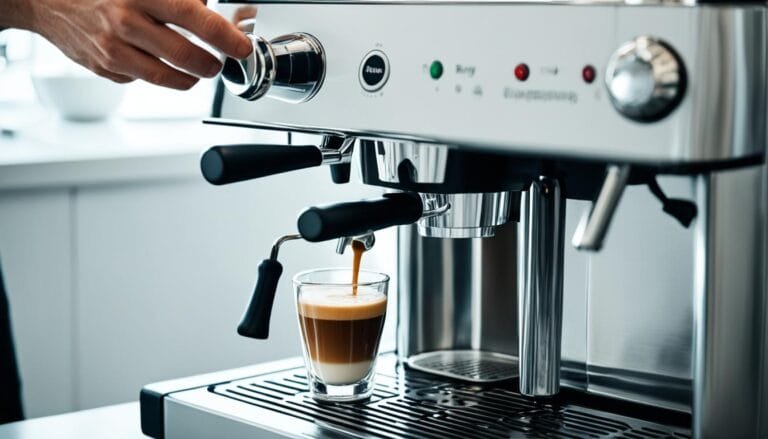
Espresso tasting requires a slightly different approach due to the concentrated nature of the brew. Espresso is a full-bodied, intense coffee extraction that allows you to explore the more subtle flavors. When tasting espresso, pay attention to the crema, the aroma, and the balance of acidity and bitterness. Evaluate the texture and mouth-feel, as well as the aftertaste. Espresso tasting offers a unique opportunity to appreciate the complexity and artistry behind this popular coffee preparation method.
Continuous Development of Your Palate
Importance of diverse tasting exercises
To continuously develop your palate, it’s important to engage in diverse tasting exercises. Explore coffees from different regions, varying roast levels, and different brewing methods. Participate in cuppings, attend coffee tastings or workshops, and seek out new and unique coffees. By exposing your palate to a variety of flavors, you can expand your taste preferences and become more adept at identifying and appreciating the nuances in coffee.
Exploring coffees from different regions
Coffees from different regions offer distinct flavor characteristics and regional profiles. Take the time to explore coffee from various countries, such as Ethiopia, Colombia, Brazil, or Costa Rica. Each region has its own unique growing conditions that influence the flavors and aromas of the coffee. By exploring different regions, you can develop a more refined palate and gain a deeper understanding of the vast world of coffee.
Trying different brew methods
The brewing method used can greatly affect the taste of coffee. Experimenting with different brew methods, such as pour-over, French press, espresso, or cold brew, allows you to experience coffee in new and exciting ways. Each brewing method emphasizes different aspects of the coffee’s taste profile and can bring out specific flavor notes. Trying different brew methods allows you to customize your coffee experience and discover new dimensions of taste.
In conclusion, understanding the basics of coffee tasting sets the foundation for honing your skills and developing a discerning palate. By exploring different types of coffee, understanding the impact of beans, processing methods, and water quality, and familiarizing yourself with coffee flavor terminology, you can start an exciting routine of sensory exploration. With the right tools, techniques, and continuous practice, you can open up a world of flavors in every cup of coffee you taste. So grab your coffee cup, get ready for an adventure, and start a never-ending pursuit of coffee tasting excellence. Cheers, to a flavorful routine!
Five Palate Drills You Can Run at Home
Tasting one cup at a time is like judging a singer with nobody else on stage. Your palate learns fastest by comparison, so every drill below puts at least two cups on the counter.
- The triangle test: brew three cups, two of the same coffee and one different, and have someone shuffle them. Find the odd one out. Start with an obvious gap, like a fruity light roast next to a dark roast, then make the pairs closer as you improve. A bag from our best light roast coffee list makes a good bright contender.
- The doped cup: pour one coffee into four cups. Leave one plain, stir a pinch of sugar into the second, a few drops of lemon juice into the third, and a tiny pinch of salt into the fourth. Taste the plain cup against each one. Now you know where sweetness, acidity and salt land on your tongue in coffee, not in theory.
- Same beans, two brewers: brew one coffee as a French press and as a pour over, same ratio. The press tastes heavier and rounder, the pour over cleaner and brighter. That is body, and you will never confuse it with strength again. Our French press vs pour over guide explains why the filter changes it.
- The cooling walk: taste one cup right after brewing, again ten minutes later, and again when it reaches room temperature. Write one line each time. Most coffees get sweeter and more acidic as they cool, and some get sour or flat. Both tell you something.
- Taste before you read: with a new bag, cover the label, write your own three notes, then read the roaster’s notes. Matching one of three is a good start. The goal is agreement on the general direction (fruit, chocolate, nuts), not the exact berry.
A Simple Coffee Tasting Scorecard
Pro cupping forms can intimidate a beginner. This one fits on an index card. Rate each line from 1 to 5 and add a word or two.
| Attribute | What to ask | Low score sounds like | High score sounds like |
|---|---|---|---|
| Aroma | What do the grounds and the brew smell like? | Flat, papery, faint | Clear notes you can name |
| Acidity | Does it feel lively or dull on the sides of the tongue? | Flat or sharp and sour | Juicy, like apple or citrus |
| Sweetness | Would it taste fine with no sugar? | Hollow, harsh | Caramel, honey, ripe fruit |
| Body | How heavy does it feel? | Watery | Round, syrupy |
| Bitterness | Is the bitterness pleasant, like dark chocolate, or harsh? | Ashy, medicinal | Balanced, cocoa-like |
| Finish | What stays after you swallow, and for how long? | Short or unpleasant | Long and clean |
For naming what you taste, the Coffee Taster’s Flavor Wheel from the Specialty Coffee Association and World Coffee Research works best read from the center out. Start broad (fruity), then narrow (berry), then specific (blackberry) only if you can.
How to taste coffee: FAQ
How do you train your palate to taste coffee?
Train your palate by tasting coffees side by side rather than one at a time. Comparison makes differences obvious that a single cup hides. Run the triangle test and doped cup drills above once a week, keep a short tasting log, and taste the same coffee at different temperatures.
Why does coffee taste different as it cools?
Coffee tastes different as it cools because very hot liquid mutes the sweetness and acidity you can perceive. That is why the SCA cupping protocol tastes each cup in passes at roughly 70°C, 55°C and 38°C. A coffee that stays pleasant all the way down is usually well brewed. Our coffee brewing temperature guide covers the other end, the water going in.
Should you taste coffee black before adding milk?
Yes, taste every new coffee black first, because milk and sugar cover the acidity and bitterness you are trying to judge. After a few black sips, add milk the way you normally drink it. Some coffees that taste thin black shine in a latte. More brewing and tasting guides live on the Coffee Rank IQ homepage.