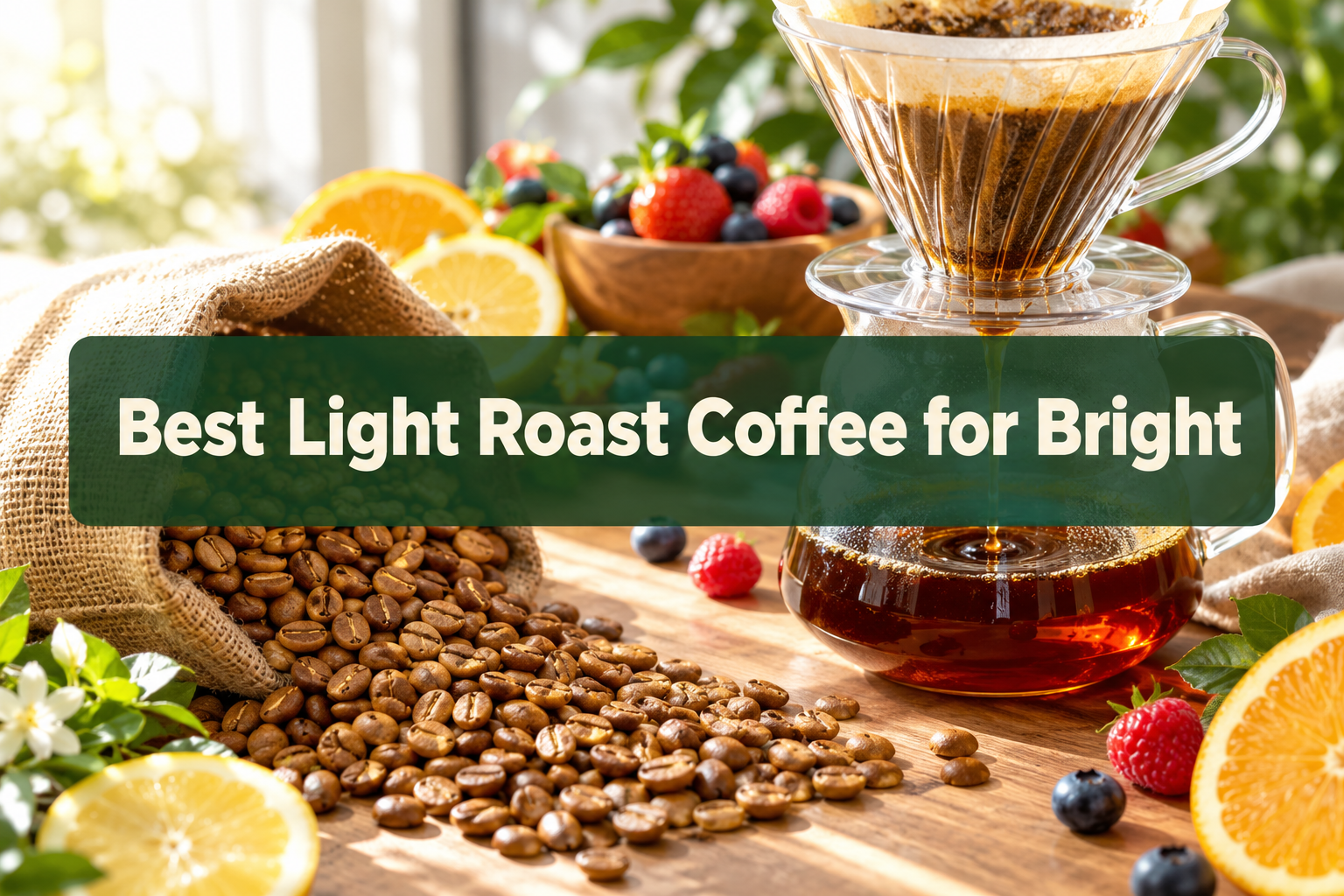
Best Light Roast Coffee for Bright, Fruity Cups
Quick Answer
The best light roast coffee for a bright, fruity cup today is Coffee Bros' single origin Ethiopia, brewed as a pour over near 202°F. Onyx Coffee Lab's rotating Ethiopian lots and Dune Coffee Roasters' Zip Zinger blend deliver similar citrus and berry character for buyers who want a punchier profile. If you want an easier, everyday bag with less fuss, Black Rifle Coffee Company's Gunship and Starbucks Blonde give a gentler version of the same brightness without a scale or a gooseneck kettle.
Key Takeaways
- Roast temperature drives flavor. Light roast coffee beans finish roasting around 385°F to 410°F internal bean temperature, well short of where sugars caramelize heavily, so more of the bean's original fruit acids survive into the cup.
- Ethiopia and parts of Central America lead the fruity category. High altitude growing regions produce the acidity and aromatic compounds that make the best light roast coffee taste like peach, jasmine, or berries instead of plain toast.
- Caffeine barely changes with roast level. Light roast and medium roast have almost identical caffeine by weight; the density difference is too small to notice in a home scoop.
- Good specialty bags run roughly $16 to $22 per 12 ounces at the time of this update, an estimate based on current pricing at specialty roaster sites, not a lab measured figure.
- Ultra light roast coffee and nordic roast push brightness further and need more attention at brew time or the cup turns sour instead of fruity.
- A bitter cup from light roast beans usually means grind size, water temperature, or a stale roast date, not the roast level itself.
- Filter methods show off light roast better than espresso because the dense, less-developed bean resists extraction under pressure.
- Beginners do fine starting with an approachable bag like Starbucks Blonde before moving to a single origin Ethiopian lot.
Best Light Roast Coffee for Bright, Fruity Cups: The Quick Verdict by Buyer Type
The best light roast coffee depends on how you brew and how much fruit intensity you actually want. Here is the fastest path to a pick that fits your setup and your taste.
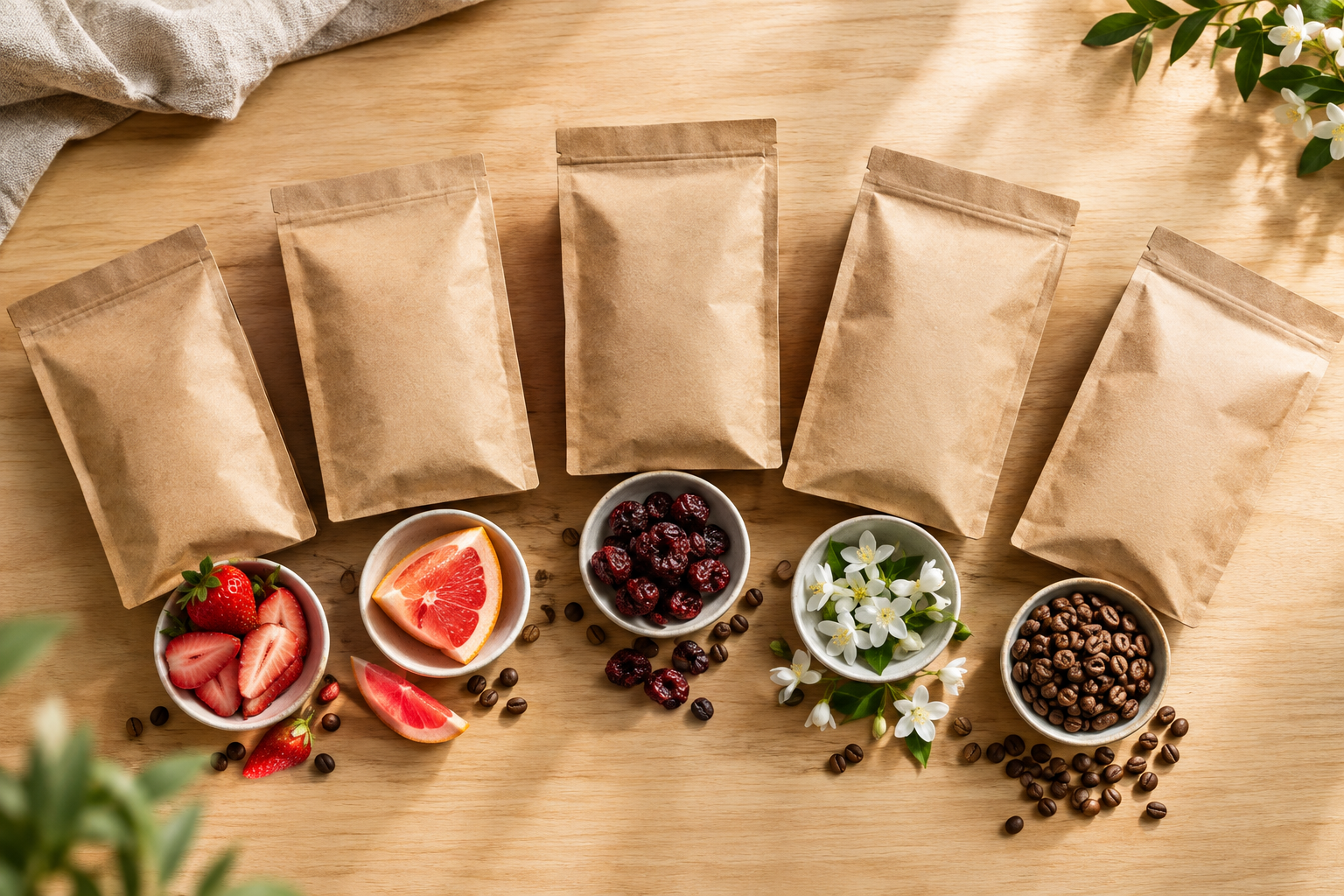
If you're setting up your first pour over: Coffee Bros' Ethiopia lot is a reasonable starting point. It ships with a printed roast date and brew guide, and the flavor is bright without tipping into sour if you follow the timing.
If you want the funkiest, wine-like cup: Onyx Coffee Lab's rotating Ethiopian offerings lean into natural and washed processing differences that read as red wine, tropical fruit, or floral tea, depending on the lot. Skip this one if you dislike acidity, because Onyx does not soften it.
If you want a punchy, fruit-forward blend without picking a single origin: Dune Coffee Roasters' Zip Zinger is built specifically as a bright, fruit-first light roast, and reviewers consistently point to it as a flagship example of the style. It suits drinkers who already know they like citrus notes in coffee.
If you want the easiest daily bag: Black Rifle Coffee Company's Gunship balances brightness with enough sweetness that it works as a gateway light roast for someone used to medium roast coffee. It is not going to wow a competition judge, but it will not scare off a first-time light roast drinker either.
If you're shopping a grocery store shelf on a budget: Cameron's Coffee Breakfast Blend shows up repeatedly as a mainstream benchmark for approachable light roast at a lower price point. It trades complexity for consistency and availability.
If Starbucks is your default stop: Starbucks Blonde Espresso and Veranda Blend are the most recognizable light roast options in the US, and they are genuinely lighter and less bitter than the chain's dark roast lineup, even if they will not match a specialty single origin for fruit character.
Skip light roast entirely if you brew primarily in a French press and want heavy body, or if you like the smoky, chocolate notes of a dark roast. Light roast will taste thin and sour to that palate, not "better."
| Coffee | Origin | Reported notes | Best for |
|---|---|---|---|
| Coffee Bros Ethiopia | Ethiopia | Berry, floral | First pour over setup |
| Onyx Ethiopian lots | Ethiopia | Wine-like, tropical | Advanced fruit seekers |
| Dune Zip Zinger | Blend | Citrus, bright | Fruit-forward blend fans |
| Black Rifle Gunship | Blend | Balanced, mild bright | Gateway light roast |
| Cameron’s Breakfast Blend | Blend | Mild, approachable | Grocery budget pick |
| Starbucks Blonde | Blend | Light, mellow | Familiar everyday cup |
What Is Light Roast Coffee and How Is It Different From Medium and Dark Roast
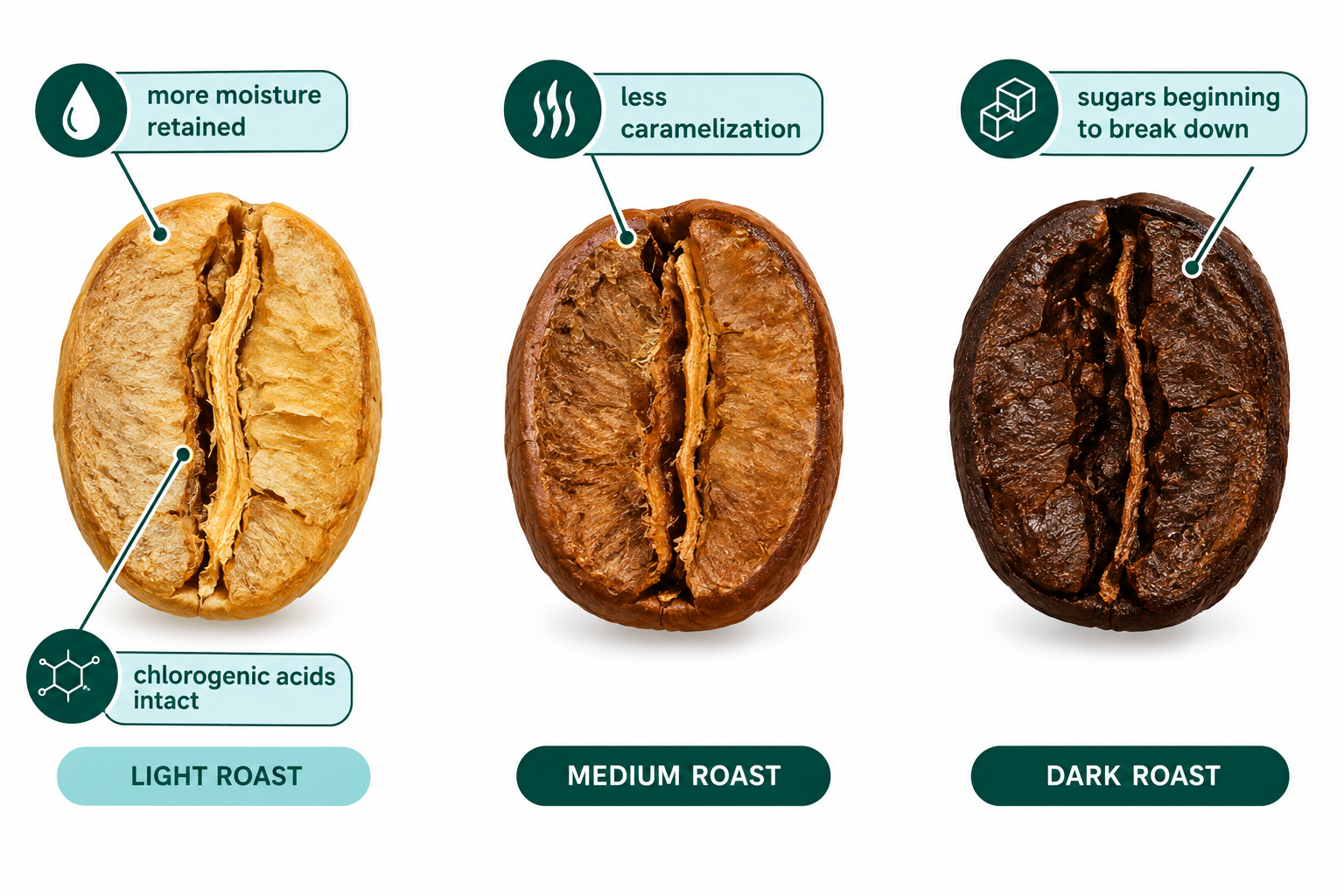
Light roast coffee is pulled off the roaster earlier, at a lower internal bean temperature, so it keeps more of its original acidity and less of the toasted, caramelized flavor that medium and dark roasts build up. The bean stays a pale cinnamon to light brown color instead of the shiny dark brown of a dark roast.
Roasters generally sort roast level by the bean's internal temperature at the end of the roast, not by time alone:
- Light roast: roughly 385°F to 410°F, dry-looking surface, no visible oil
- Medium roast: roughly 410°F to 430°F, more caramel color, balanced acidity and body
- Dark roast: 430°F and above, visible surface oil, smoky and bittersweet flavor
For more on how this scale works and why roasters draw the line where they do, our beginners guide to understanding different coffee roasts breaks down the color and chemistry stage by stage.
Common mistake: assuming "light roast" always means weaker coffee. Roast level has almost nothing to do with caffeine strength, and a well brewed light roast can taste just as full in the mouth as a poorly brewed medium roast.
Why Does Light Roast Coffee Taste More Acidic and Fruity
Light roast coffee tastes more acidic and fruity because the shorter, cooler roast leaves more of the bean's natural chlorogenic acids and volatile aromatic compounds intact. Those compounds break down and disappear the longer a bean stays in the roaster.
A green coffee bean is packed with organic acids picked up from the fruit that once surrounded it. Roasting breaks those acids down over time through a chain of chemical reactions, including the Maillard reaction, the same browning reaction that makes toast smell like toast. Stop the roast early and you get:
- More retained acidity, which reads on the tongue as brightness or tartness
- Less sugar caramelization, so the flavor leans toward the bean's origin character instead of roast character
- More surviving aromatic oils, which is why a light roast Ethiopian coffee can genuinely smell like citrus or florals
This is also why best light roast coffee recommendations lean so heavily toward Ethiopia and high altitude Central American farms. Those growing regions produce beans with naturally higher acid content and more complex sugars to begin with, and a light roast is the roast style that shows that character off instead of covering it up.
Best Light Roast Coffee Beans for Pour Over
Pour over is the best method for tasting what makes a fruity light roast interesting, because the filter, the pour rate, and the water temperature give you direct control over how much acidity and sweetness end up in the cup. Coffee Bros' Ethiopia, Onyx's single origin Ethiopian lots, and Dune's Zip Zinger all perform well here because they were roasted with pour over extraction in mind.
What to look for in a bag marketed as best light roast for pour over:
- A roast date within the last two to four weeks, not a "best by" date a year out
- A single origin label or a clearly stated blend purpose, not just "light roast" with no other detail
- A recommended grind size and water temperature printed on the bag, which signals the roaster actually tested the coffee for this method
If you are still choosing your first bag of beans in general, our guide on choosing the best coffee beans for home brewing walks through what the label terms actually mean before you commit to a bag.
Light Roast vs Medium Roast: Which Has More Caffeine
Light roast and medium roast coffee contain almost identical caffeine by weight, so the difference is not meaningful for a home cup. The persistent myth that light roast has more caffeine because "less is burned off" mixes up two separate things: caffeine loss during roasting is small at any roast level, and bean density changes how you measure by volume, not by weight.
Here's the actual mechanism. Beans lose a small amount of mass as moisture and gas during roasting, and they lose it more the longer they roast. That means a dark roast bean is slightly lighter per bean than a light roast bean from the same lot. If you scoop coffee by volume instead of weighing it, a scoop of light roast beans, which are denser and less puffed up, contains marginally more beans and therefore marginally more light roast caffeine per scoop. Weigh your dose on a scale instead of scooping, and the difference disappears.
Decision rule: if you care about caffeine consistency, buy a cheap kitchen scale and dose beans by grams, not scoops. Roast level stops mattering once you do that.
How Much Does Good Light Roast Coffee Cost per Pound
Specialty light roast coffee beans typically run about $16 to $22 for a 12 ounce bag at the time of this update, which works out to roughly $21 to $29 per pound. That is an estimate based on current pricing patterns across specialty roaster websites, not a published industry study, and prices shift with harvest, shipping costs, and exchange rates.
A few things that move the price up or down:
- Single origin lots with a named farm or cooperative usually cost more than a house blend, because the roaster is paying a premium for traceability.
- Award-winning or competition-lot coffees from roasters like Onyx or Intelligentsia can run well above that range for limited releases.
- Grocery store bags, like Cameron's Coffee Breakfast Blend, sit closer to $8 to $12 per 12 ounces, trading some traceability and freshness for a much lower price.
Edge case: buying green coffee and roasting it yourself can cut your cost per pound significantly, but it adds equipment and a learning curve. Our guide to mastering advanced coffee roasting covers what that setup actually takes.
Light Roast Coffee Brands That Are Actually Good
Several specialty roasters have built their reputation specifically on light roast quality, and knowing which ones actually deliver saves you from guessing off packaging alone.
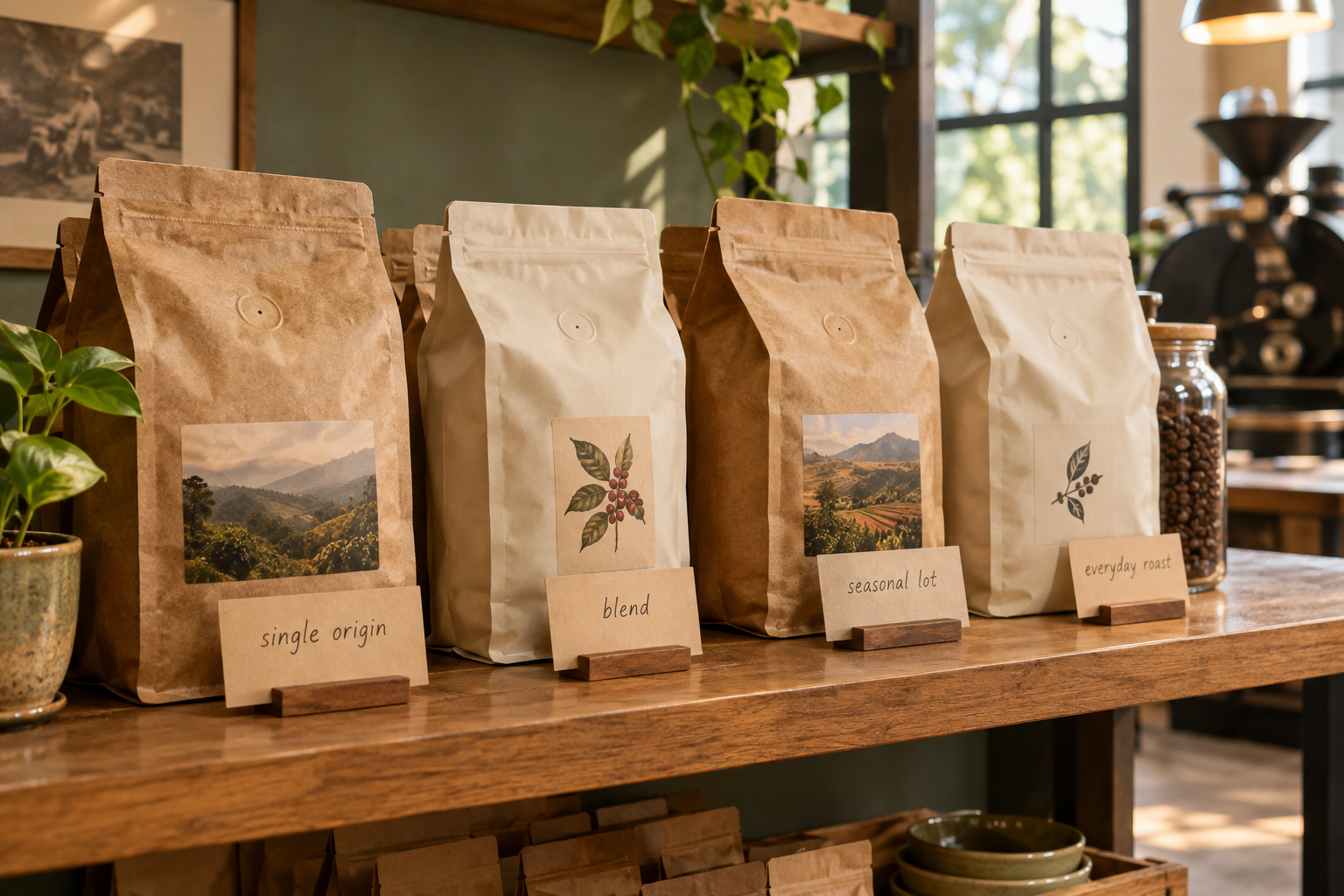
- Onyx Coffee Lab rotates seasonal single origin lots and leans hard into fruit-forward Ethiopian and Central American coffees. Expect strong acidity and premium pricing.
- Counter Culture Coffee publishes detailed sourcing information for every lot and roasts consistently on the lighter end of medium, a good fit if you want transparency without extreme acidity.
- Stumptown Coffee Roasters built its name on direct trade relationships and offers several single origin light roasts alongside its more famous blends.
- Intelligentsia runs a similar direct trade model and has been roasting light, origin-focused coffee since before it became a mainstream trend.
- Verve Coffee Roasters out of Santa Cruz is known for competition-level sourcing and a noticeably bright house style.
- Black and White Roasters in Miami has built a following on precise, lighter roast profiles aimed at pour over and filter brewing specifically.
- Starbucks Blonde is the most widely available option in the US and works as an entry point, though it will not match the acidity or complexity of the smaller specialty roasters above.
If you see the term nordic roast on a bag, it describes an even lighter style popularized in Scandinavian competition brewing, where beans are pulled very early to preserve maximum acidity and floral aroma. Ultra light roast coffee in this style rewards careful brewing and punishes sloppy technique, since there is very little caramelized sugar to hide behind if your extraction is off.
Nearly all coffee marketed this way is light roast arabica coffee, since robusta beans tend to taste harsh and grassy when roasted light. Arabica's naturally higher sugar and acid content is what makes a light roast worth drinking in the first place.
Where to Buy Specialty Light Roast Coffee Online
The most reliable place to buy specialty light roast coffee online is directly from the roaster's own website, because roast dates are fresher and you can usually see the exact origin and processing method before you buy. Onyx, Counter Culture, Stumptown, Intelligentsia, Verve, and Black and White Roasters all sell direct, and most ship within a day or two of roasting.
Subscriptions are worth considering if you drink coffee steadily, since many roasters offer a discount for recurring orders and rotate seasonal lots automatically. If you are not sure which subscription fits your habits, our guide to choosing a coffee subscription for beginners covers what to check before you commit to a recurring charge.
Common mistake: buying a large bag to save money on a coffee you have never tried. Light roast beans lose their fruit character faster than dark roast beans hold their smokiness, so a smaller bag you finish quickly beats a large bag that goes flat before you're halfway through it.
How to Brew Light Roast Coffee to Bring Out Fruity Notes
Brewing light roast coffee well means using hotter water, a slightly finer grind, and a longer bloom than you would use for a dark roast, because the denser bean resists extraction more. Get those three variables right and the fruit character shows up clearly instead of tasting sour or weak.
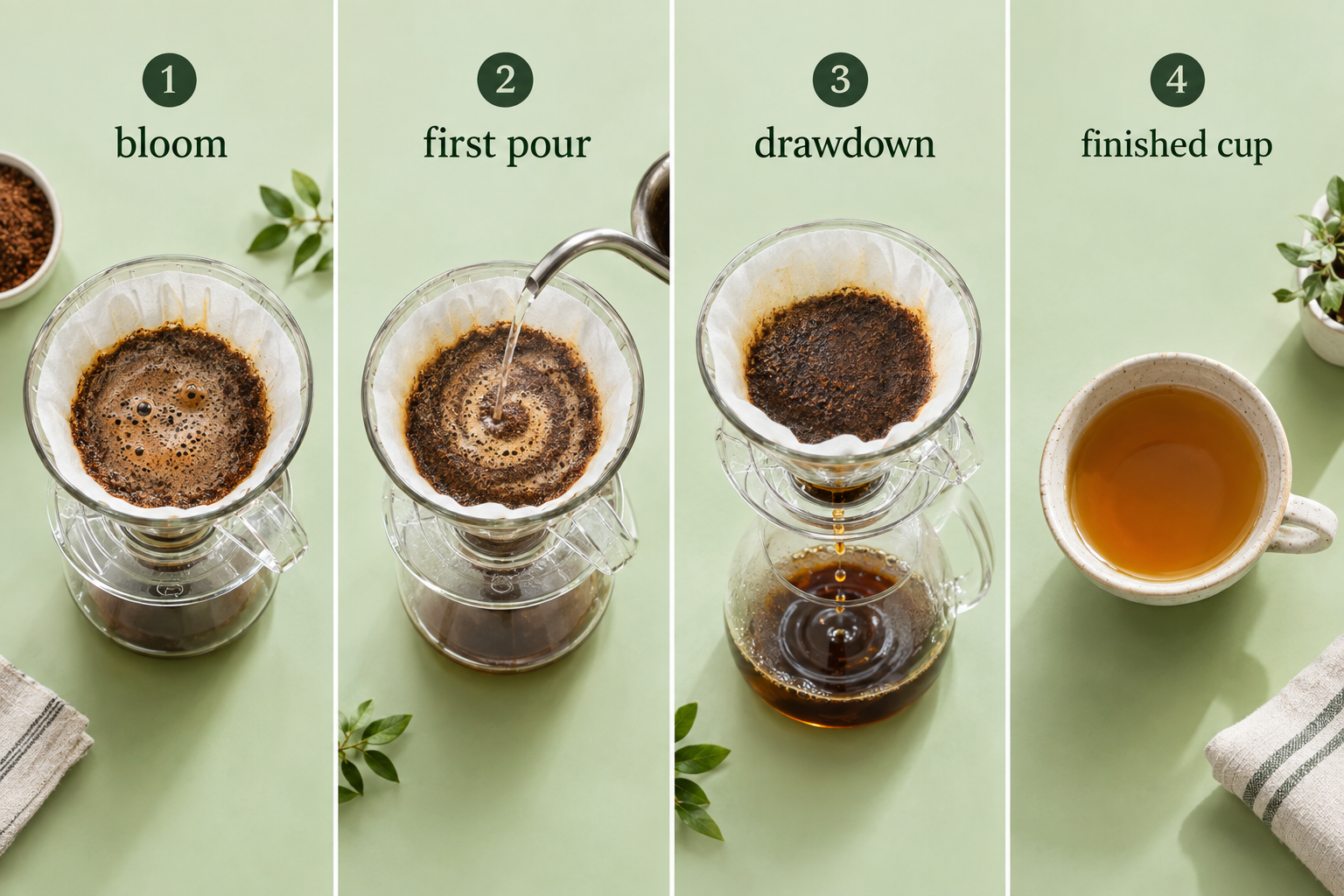
A simple pour over method that works for most fruity light roasts:
- Grind size: medium-fine, closer to table salt than sea salt
- Water temperature: 200°F to 205°F, hotter than you'd use for a dark roast
- Brew ratio: 1 gram of coffee to 16 grams of water, adjust to taste
- Bloom: pour just enough water to saturate the grounds, about double the coffee weight, and let it sit 30 to 45 seconds before continuing
- Total brew time: aim for 2.5 to 3.5 minutes from first pour to finished drawdown
The bloom matters more with light roast than any other step, because it releases trapped carbon dioxide that otherwise blocks water from reaching the coffee evenly. Skip it and you get uneven extraction, which reads as both sour and bitter in the same sip.
For a broader look at brewing methods beyond pour over, see our roundup of popular coffee brewing methods for beginners.
Light Roast Coffee Tastes Bitter: What Am I Doing Wrong
If your light roast coffee tastes bitter, the most likely cause is grind size that's too fine, water that's too hot for too long, or a roast date that's older than it looks. True light roast bitterness is rare; what people usually taste is a combination of sourness and bitterness from uneven extraction, not roast character.
Work through these in order:
- Grind coarser. Too fine a grind over-extracts and pulls out harsh compounds alongside the good flavor.
- Check your water temperature. Water above 208°F can scald delicate light roast beans and pull bitter notes forward.
- Check the roast date. Beans more than four to six weeks past roasting lose aromatic complexity and can taste flat or bitter as the remaining flavors go stale.
- Shorten your brew time. If your pour over is taking more than four minutes to finish, your grind is likely too fine or your filter is clogged with fines.
Edge case: if the bitterness shows up specifically in espresso but not in pour over from the same bag, the problem is almost always the method, not the beans. See the next section for why.
Is Light Roast Coffee Better for Espresso or Filter
Light roast coffee generally performs better as filter or pour over than as espresso, because the dense, less-caramelized bean resists the fast, high-pressure extraction espresso requires. You can pull a light roast espresso shot, but it takes a finer grind, careful dosing, and often a longer shot time to avoid a sour, thin result.
Filter methods work in light roast's favor because:
- Lower pressure and longer contact time extract more evenly from a denser bean
- The paper filter removes oils and fine particles that can make espresso from light roast taste harsh
- You have more control over water temperature and pour rate to compensate for the bean's resistance to extraction
If you do want to pull light roast as espresso, expect to adjust your grind finer than you would for a medium roast, and check our guide on choosing the right grind for an espresso machine before you start dialing in.
Decision rule: choose filter or pour over if you want the clearest fruit character. Choose espresso only if you already own a machine capable of fine grind adjustment and you're willing to waste a few shots dialing in.
Light Roast Coffee for Beginners: What Should I Know
Light roast coffee is a good starting point for beginners as long as expectations are set correctly: it will taste more acidic and less "coffee-flavored" in the traditional sense than a dark roast, and that is the point, not a flaw. Starting with an approachable bag before jumping into a competition-lot Ethiopian natural will make the transition easier.
What actually helps a beginner enjoy light roast:
- Start with a blend built for approachability, like Starbucks Blonde or Black Rifle Gunship, before moving to single origin lots
- Buy whole bean and grind fresh if you can, since pre-ground light roast loses aroma fast
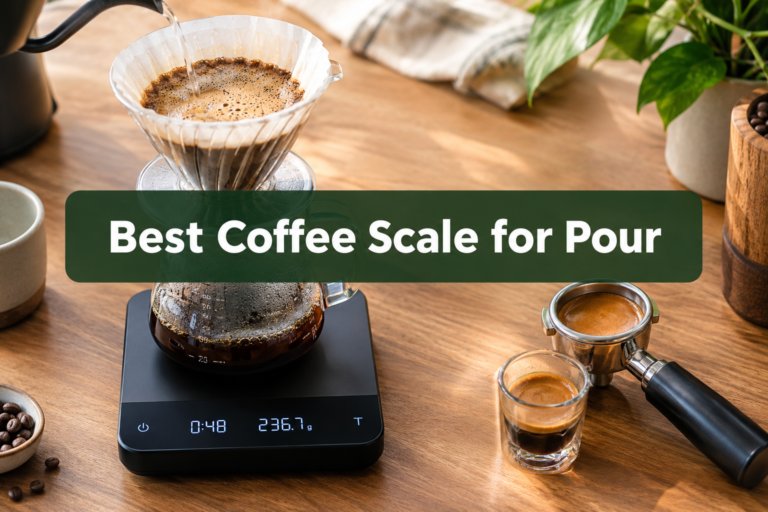
- Use a scale for both coffee and water, since light roast is less forgiving of ratio mistakes than dark roast
- Expect a lighter body and more tea-like texture than a dark roast French press cup
For a broader starting point on beans and brewing in general, our guide on what coffee is best for beginners covers the basics beyond roast level alone.
Does Light Roast Coffee Go Stale Faster Than Dark Roast
Light roast coffee does not necessarily go stale faster in a strict chemical sense, but it loses its distinctive fruity and floral character faster than dark roast loses its smokiness, so the practical experience is that light roast tastes "off" sooner. Dark roast beans have more surface oil, which actually oxidizes and turns rancid over time, while light roast beans lose aromatic volatility instead.
What that means for storage:
- Buy smaller bags of light roast and finish them within three to four weeks of the roast date
- Store beans in an airtight container away from light and heat, not in the freezer for daily use coffee
- Whole bean lasts noticeably longer than pre-ground, since grinding exposes far more surface area to oxygen
Best Light Roast Single Origin Coffee for Bright Flavors
Ethiopia is the single strongest origin for bright, fruity light roast coffee, followed by high altitude lots from Central America, particularly Colombia, Guatemala, and Costa Rica. Ethiopian coffee, especially from the Yirgacheffe and Guji regions, carries naturally high acidity and floral aromatics that light roasting is built to preserve.
Reviewers and roasters consistently describe standout Ethiopian lots with notes like:
- Strawberry, pink grapefruit, and cherry in washed lots
- Peach and jasmine in some natural-processed lots, according to specialty roaster descriptions
- Wine-like acidity in fuller-bodied natural process coffees
Processing method matters as much as origin here. Washed coffees tend to taste cleaner and more citrus-forward, while natural processed coffees, dried with the fruit still on the bean, tend to taste more like berries or wine. If you're buying green coffee to roast at home, Ethiopia Yirgacheffe is a common recommendation specifically because it performs well at a light roast profile without needing a professional setup to shine.
Who Should Drink Light Roast Coffee (and Who Should Skip It)
Light roast coffee suits drinkers who enjoy tea-like acidity, floral or fruity flavor, and a lighter body, and who are willing to brew with some attention to grind size and water temperature. It does not suit drinkers who want heavy body, chocolate or caramel flavor, or a coffee that's forgiving of a sloppy brew method.
Choose light roast if:
- You already enjoy the acidity in a good Ethiopian tea or a tart white wine
- You brew pour over, drip, or a quality auto-drip machine regularly
- You're willing to weigh coffee and water instead of eyeballing scoops
Skip light roast if:
- You primarily drink from a French press and want heavy body
- You add a lot of sugar and cream and won't notice subtle acidity anyway
- You want a coffee that tastes the same whether your grind is perfect or off
FAQ
Is the best light roast coffee always the most expensive option? No. Price often reflects traceability and small-batch sourcing more than flavor quality. Cameron's Coffee Breakfast Blend costs far less than Onyx or Verve and still delivers a genuinely mild, approachable light roast cup.
Does blonde roast coffee from Starbucks count as a true light roast? Yes, Starbucks Blonde Espresso and Veranda Blend are roasted lighter than the chain's standard offerings and fall within the light roast temperature range, though they are milder than most specialty single origin light roasts.
Can I use light roast coffee beans in a regular drip machine? Yes. A standard drip machine works fine with light roast beans. Use a medium grind and make sure your machine's water reaches at least 195°F for a full extraction.
Why does my light roast coffee taste sour instead of fruity? Sourness usually means under-extraction, caused by too coarse a grind, water that's too cool, or a brew time that's too short. Fruity flavor and sour flavor sit close together on the same spectrum, and dialing in your grind and time moves the cup from one to the other.
Is ultra light roast coffee or nordic roast worth trying for a beginner? It's worth trying once you're comfortable with a standard light roast, but it demands more precise brewing. Start with a gentler light roast like Black Rifle Gunship before moving to a true nordic-style roast.
How long does an opened bag of light roast coffee stay good? Plan to finish an opened bag within three to four weeks for the best flavor. The beans remain safe to drink well past that point, but the fruity and floral character fades noticeably.
Conclusion
The best light roast coffee is not one bag, it's a match between roast style, origin, and how you actually brew at home. If you're building a pour over habit, start with Coffee Bros or Onyx and weigh your coffee instead of scooping it. If you want an easy daily cup with less to think about, Black Rifle Gunship or Starbucks Blonde will not disappoint you. Either way, the roast date on the bag matters more than the brand name on the front. Buy smaller bags, brew within a month of roasting, and let the acidity do what it's supposed to do instead of fighting it with a grind or temperature that's working against you.
Better Coffee Starts With Better Answers, and the next useful step is checking the roast date on whatever bag is currently in your cabinet.
Keep Exploring Coffee Rank IQ
- Coffee Rank IQ home: reviews, brewing guides, and coffee science
- Best Coffee Storage Container to Keep Beans Fresh Longer
- Best Decaf K Cups That Taste Like Real Coffee
- Best Dark Roast Coffee That Tastes Bold, Not Burnt
- Best Medium Roast Coffee for Drip, Pour Over, and Espresso
References
- coffeehex.com/beans/best-light-roast-coffee
- coffeenatics.com/coffee/best-light-roast-coffee
- beanbox.com/blog/best-light-roast-coffee
- keurigcoffee.blog/best-light-roast-coffee
- drippedcoffee.com/best-light-roast-coffee
- www.requiemforadream.com/best-green-coffee-beans-for-home-roasting
- dropofdrink.com/best-light-coffee
- www.brewrank.com/guides/best-light-roast-coffee
- www.foodnetwork.com/how-to/packages/shopping/best-ground-coffee
- www.fluentincoffee.com/best-light-roast-coffee