Best Medium Roast Coffee for Drip, Pour Over, and Espresso
Quick Answer
The best medium roast coffee for most home brewers is one with a Brazil or Colombia base, roasted to a medium finish with visible oil-free surface and a brew temperature window of 91 to 94 degrees Celsius. For drip machines, Peet's Big Bang and Caribou Caribou Blend deliver consistent results at low cost. For pour over, Stumptown Holler Mountain and Counter Culture beans show more clarity. For espresso, Lavazza Qualità Oro and Stumptown Hair Bender build enough body for a balanced shot with crema.
Key Takeaways
- Medium roast sits between light and dark roast, with rounded body, mellow acidity, and no scorched or ashy flavor.
- Lifeboost Grata ranks as a top pick for low-acid, single-origin medium roast, tested by a third party for purity, and works well for drip and pour over.
- Medium roast is the most forgiving roast level across brewing methods, according to a 2026 buying guide, including drip, pour over, espresso, AeroPress, and French press.
- Espresso professionals often prefer medium roast over light roast because underdeveloped light roast can taste sharp and acidic once concentrated.
- Whole bean medium roast coffee stays fresh for roughly two to four weeks after the roast date once opened, while pre-ground coffee loses aroma within days.
- A medium grind works for drip, a slightly coarser medium grind suits pour over, and a fine grind is required for espresso.
- Supermarket medium roast ground coffee can perform well in blind tastings when brewed at the right temperature, according to a 2026 ground coffee review.
Best Medium Roast Coffee for Drip, Pour Over, and Espresso: Quick Picks by Buyer Type
The single best medium roast coffee depends on how you brew, not just what the bag says on the front. A coffee built for a 12 cup drip machine and a coffee built for a 20 gram espresso dose ask for different things from the roast.
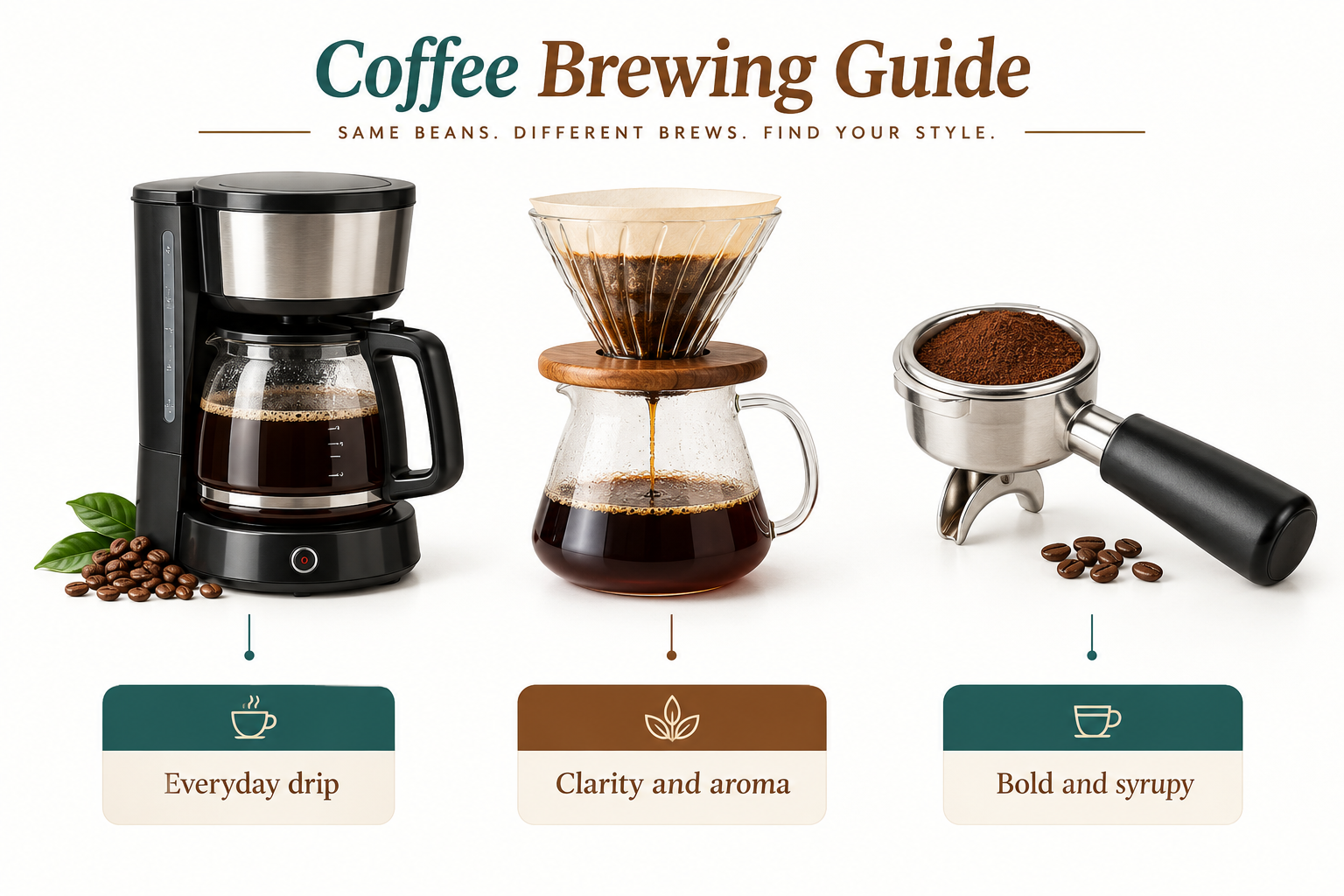
Here is the short version, organized by the buyer types who actually search for this:
- Best overall: Lifeboost Grata, a single-origin Nicaraguan medium roast tested for purity and known for a smooth, low-acid cup.
- Best for everyday drip machines: Caribou Caribou Blend or Peet's Big Bang, both built for consistency in a large-batch drip brewer.
- Best for pour over: Stumptown Holler Mountain, praised for balance and versatility across brew methods.
- Best for espresso at home: Lavazza Qualità Oro, an Italian-style medium roast blend designed to build crema without a specialty grinder.
- Best for a sensitive stomach: Lifeboost Grata, marketed specifically around low acidity and third-party purity testing.
- Best for beginners: Starbucks Pike Place, a familiar, widely stocked medium roast with a gentle learning curve.
- Best budget pick: Caribou Caribou Blend, usually priced under $11 for a 12 ounce bag at most grocery chains.
| Coffee | Best brew method | Roast style | Typical price (12 oz) | Best for |
|---|---|---|---|---|
| Lifeboost Grata | Drip, pour over | Single-origin Nicaragua | $19 to $22 | Sensitive stomachs, clean sourcing |
| Peet's Big Bang | Drip | Blend | $10 to $12 | Bold everyday drip |
| Caribou Caribou Blend | Drip | Latin American blend | $9 to $11 | Budget, supermarket shoppers |
| Stumptown Holler Mountain | Pour over, drip, espresso | Multi-origin blend | $16 to $18 | Versatile, one-bag households |
| Lavazza Qualità Oro | Espresso, drip | Italian-style blend | $10 to $13 | At-home espresso, milk drinks |
| Counter Culture | Pour over, drip | Rotating single-origin | $17 to $19 | Subscription and specialty buyers |
| Starbucks Pike Place | Drip | Latin American blend | $9 to $11 | First-time medium roast buyers |
Prices are typical retail ranges checked in September 2026 and vary by retailer and roast date. Check the current price before buying, since roasters adjust pricing more often than most shoppers expect.
If you are still deciding what to buy alongside the beans, our buyers guide to choosing the best espresso machine covers the equipment side of this decision.
What Is Medium Roast Coffee and How Is It Different From Light and Dark Roast
Medium roast coffee is beans roasted to an internal temperature around 210 to 220 degrees Celsius, stopped after the first crack but before the second, producing a brown color with no visible surface oil. It sits between light roast, which preserves more origin acidity and floral notes, and dark roast, which trades sweetness for bitterness and smoky flavor.
The roast level changes flavor through a chemical process called the Maillard reaction and later caramelization, both of which build sugar-browning compounds as heat increases. A light roast stops early, keeping more of the bean's original acids intact. A dark roast pushes further, breaking down sugars until bitterness and roast flavor take over from the bean's own character.
Medium roast vs dark roast comes down to three practical differences:
- Acidity: medium roast keeps a mellow, rounded acidity. Dark roast flattens most of it out.
- Body: dark roast usually feels heavier and oilier in the cup. Medium roast feels balanced, not thin and not heavy.
- Caffeine: roasting burns off a small amount of mass, so by volume dark roast and medium roast have nearly identical caffeine, though by weight light roast is slightly higher.
Choose medium roast if you want a coffee that tastes like coffee first and like the roasting process second. Choose dark roast if you specifically want that heavier, smokier profile people associate with old-school diner coffee.
Best Medium Roast Coffee Brands for Drip Coffee Makers
For drip machines, the best medium roast coffee is one built for consistency across a full pot, not a delicate single-origin meant for careful pour over. Caribou Coffee, Peet's, and several supermarket brands are built exactly for this job.
Caribou Coffee's Caribou Blend is a reliable, widely available medium roast that performs well in a standard 10 or 12 cup drip machine. It is one of the more recognizable best ground coffee brand options at a grocery store price point, and it holds up in an auto-drip carafe without turning bitter after 20 minutes on a hot plate.
Peet's Big Bang takes a bolder approach. It is a darker-leaning medium roast built for people who want more intensity in a drip cup without going fully dark roast. It works well for anyone who currently drinks a dark roast and wants to try something with a little more sweetness left in the cup.
Other names worth knowing for drip:
- Seattle's Best Portside Blend Medium Roast performed as an overall winner in a 2026 medium coffee roundup, focused on approachable flavor for automatic drip brewers.
- A featured supermarket medium roast ground coffee in a 2026 tasting was described as smooth with strong flavor and no bitterness, a solid entry among best ground coffee in supermarkets.
- Starbucks Pike Place remains one of the most familiar names for people who want a best ground coffee for drip machine option they can buy at nearly any grocery store.
If your machine needs a cleaning refresh before your next bag arrives, our guide on the best ways to clean a coffee maker for beginners walks through the process. And if you want a closer look at one specific supermarket-style medium roast option, see our review of McCafe Premium Medium Roast.
Common mistake: buying a dark roast because it is labeled "bold," then wondering why drip coffee tastes burnt. Bold and dark are not the same thing. A medium roast can taste just as strong with less bitterness.
Medium Roast Coffee for Pour Over vs Espresso: Which Works Better
Medium roast performs better for pour over than for traditional espresso, but a well-developed medium roast can still produce a satisfying espresso shot with the right dose and grind. Pour over rewards the clarity and aromatics that medium roast keeps intact. Espresso rewards body and sweetness, which is where medium-dark and dark roasts usually have an edge.
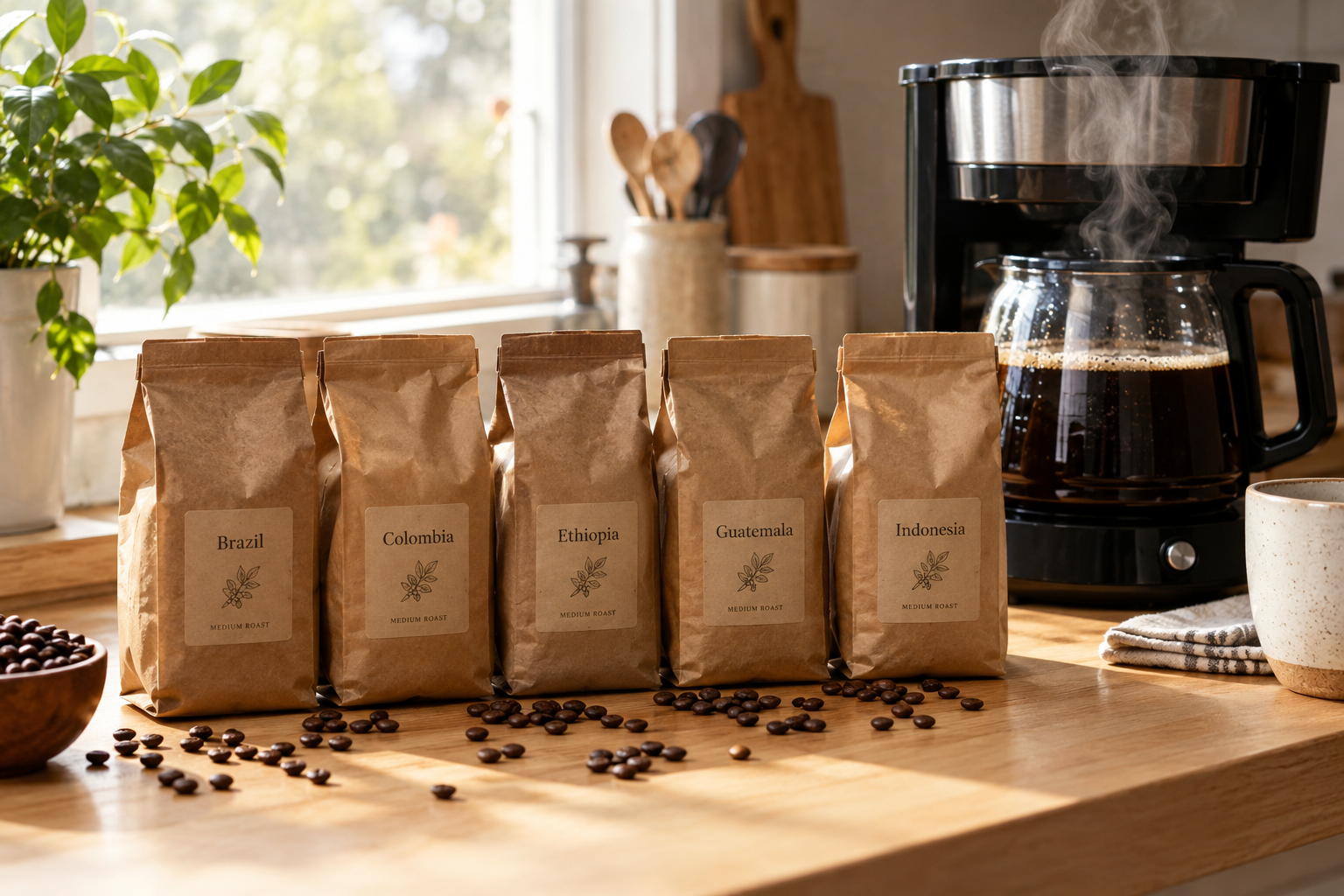
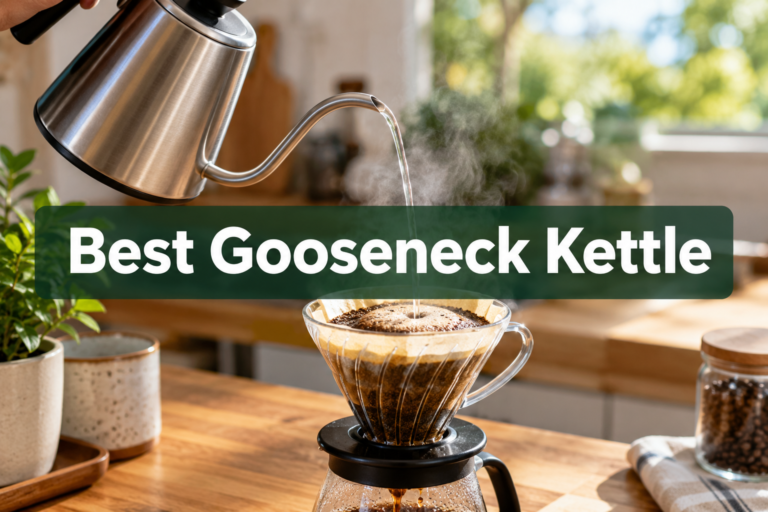
Pour over is a manual brewing method where hot water passes once through coffee grounds in a filter, driven only by gravity. Because the water contacts the grounds for a shorter time than drip, pour over shows off acidity, aroma, and origin character more clearly. Medium roast beans like Stumptown Holler Mountain or Counter Culture's rotating single-origin offerings tend to shine here because they still carry enough brightness to taste distinct cup to cup.
Espresso is a concentrated brewing method that forces hot water through finely ground coffee under 9 bars of pressure in under 30 seconds. A coffee professional interviewed on the subject of bean selection for espresso versus drip noted a preference for medium roast over light roast specifically because underdeveloped light roast can taste too acidic once concentrated. Traditional espresso blends often lean medium-dark or dark for richer body and better crema, but a 2026 guide to coffee beans for espresso pointed to at least one medium roast with a flavor profile versatile enough to work across drip, pour over, French press, and espresso in the same bag.
Decision rule: if you brew mostly pour over, pick a lighter-leaning medium roast with a single origin. If you brew mostly espresso, pick a medium-dark blend like Lavazza Qualità Oro or Stumptown Hair Bender, both built with body in mind. If you split your time between both, a middle-ground blend such as Stumptown Holler Mountain avoids buying two separate bags.
New to manual brewing? Our beginners guide to using a pour over coffee maker covers water ratio and technique in more detail. If espresso is the bigger question, what is the best grind of coffee for an espresso machine explains grind size specifically for pressurized brewing.
How Much Does Good Quality Medium Roast Coffee Cost
A good quality medium roast coffee typically costs between $9 and $22 for a 12 ounce bag, with supermarket blends at the low end and single-origin or subscription-based roasters at the high end. Price mostly reflects sourcing, roasting scale, and testing, not necessarily flavor quality alone.
Rough price bands, checked in September 2026:
- $9 to $12: supermarket blends such as Caribou Caribou Blend, Peet's Big Bang, and Starbucks Pike Place.
- $13 to $16: mid-tier grocery and online brands like Lavazza Qualità Oro.
- $17 to $22: specialty and subscription-focused roasters like Counter Culture, Stumptown Holler Mountain, and Lifeboost Grata.
A higher price usually buys single-origin sourcing, smaller-batch roasting, and in some cases third-party purity testing, as with Lifeboost's medium roast lineup. It does not automatically buy a better tasting cup. Edge case: some of the cheapest supermarket medium roasts scored well in blind tastings for smoothness and lack of bitterness, proving price is not a perfect stand-in for quality.
Medium Roast Coffee Beans: Whole Bean vs Pre-Ground
Whole bean medium roast coffee keeps its aroma and flavor longer than pre-ground coffee, because grinding exposes far more surface area to oxygen. If you drink coffee daily and own a burr grinder, whole bean is worth the extra step. If convenience matters more than the last 10 percent of flavor, pre-ground medium roast coffee grounds are a reasonable trade.
Here is what actually changes:
- Surface area: a whole bean has roughly 100 times less exposed surface than the same bean ground for drip. Less exposure means slower staling.
- Aroma loss: pre-ground coffee can lose a noticeable amount of its aromatic compounds within the first week after grinding, even in a sealed bag.
- Grind consistency: whole bean paired with a burr grinder lets you match grind size to brew method. Pre-ground medium roast coffee grounds are locked into one grind size, usually tuned for drip.
Choose best medium roast coffee beans in whole form if you brew more than one method, since you can adjust grind size for drip one day and pour over the next. Choose pre-ground if you are buying for an office, a guest room, or a machine you use only occasionally.
For a deeper look at picking beans specifically for how you brew, see how to choose the best coffee beans for home brewing.
Best Medium Roast Coffee If You Have a Sensitive Stomach
The best medium roast coffee for a sensitive stomach is a low-acid, single-origin option like Lifeboost Grata, which markets itself around low acidity and undergoes third-party testing for purity and mold-related toxins. Medium roast in general is gentler than light roast because part of the roasting process breaks down some of the compounds tied to perceived acidity.
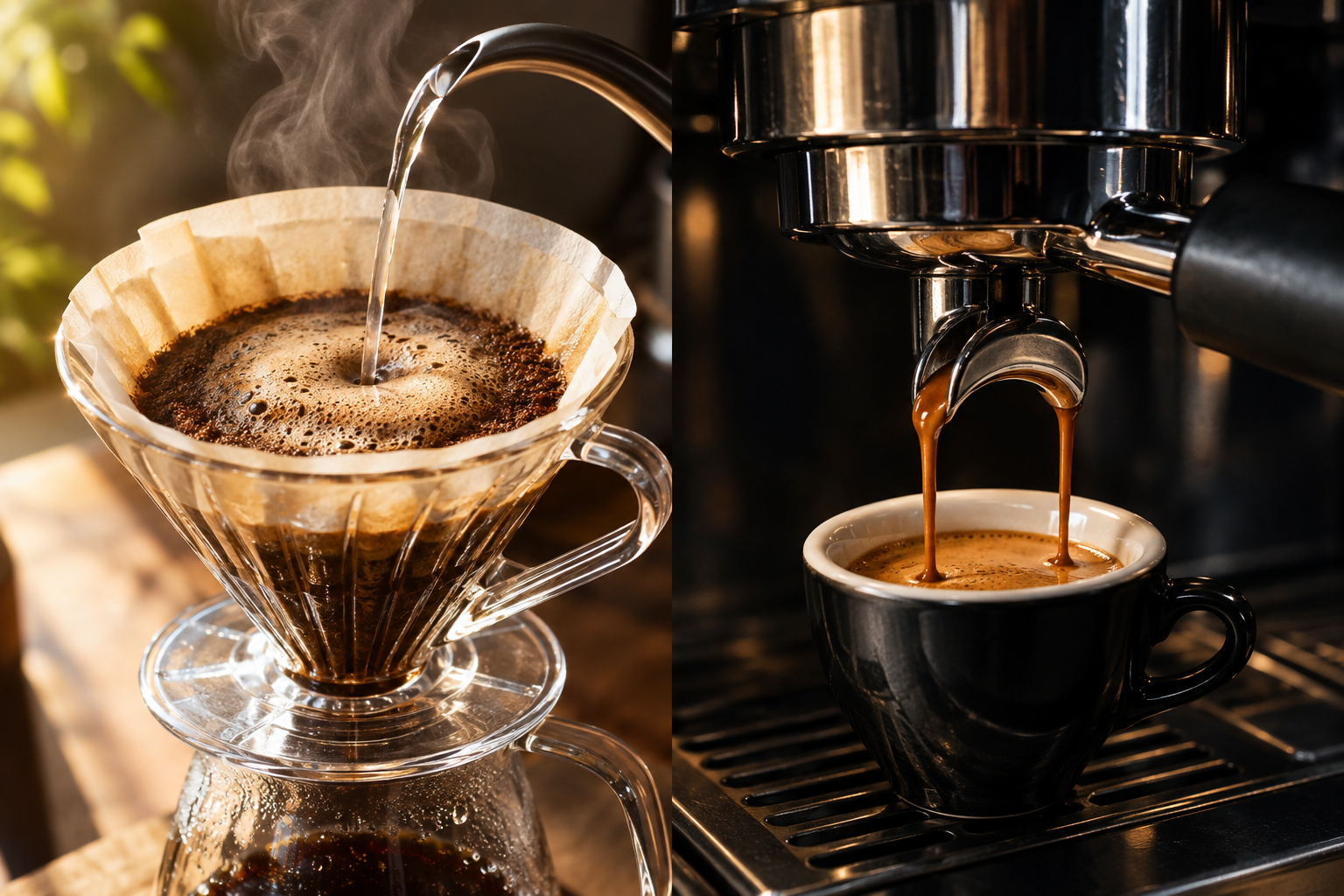
Is medium roast coffee less acidic than light roast? Yes, generally. Light roast preserves more of the bean's original organic acids, which is part of why it can taste brighter and sharper. Medium roast pushes further into the roasting process, softening some of that acidity while keeping more body than dark roast.
If your stomach still reacts to medium roast:
- Try a lower-acid, wet-processed origin such as Brazil, which tends to run smoother than washed Central American beans.
- Brew with cooler water, closer to 91 degrees Celsius rather than 96, since higher heat extracts more acid-forward compounds.
- Consider cold brew, which uses room-temperature water and a longer steep time, producing a measurably smoother, lower-acid cup for many drinkers.
Common mistake: assuming darker automatically means gentler. Some dark roasts can taste harsher on a sensitive stomach because bitterness compounds increase even as measured acidity drops. For more on how roast level connects to health and comfort, see what roast of coffee is the healthiest.
Medium Roast Coffee Flavor Profile: What Should You Expect
A well-made medium roast coffee should taste balanced: rounded body, mellow acidity, and a bold aroma without a burnt or ashy finish. One 2026 roundup of medium roast brands described this style specifically through mellow acidity, rounded body, and bold aroma as the traits that make medium roast work across so many brew methods.
Typical flavor language you will see on packaging includes:
- Chocolate and nut notes, common in Brazil and Colombia-based medium roasts.
- Light stone fruit or citrus, more common in Central American medium roasts that lean slightly lighter.
- Caramel sweetness, a byproduct of caramelization during the roasting process, most noticeable in medium roasts roasted closer to the second crack.
These are the roaster's own descriptions on packaging, not a documented tasting panel result, so treat any specific tasting note as a starting expectation rather than a guarantee. Your water, grind size, and brew ratio will shift the final cup more than most people expect.
Quick example: the same bag of medium roast coffee brewed at a 1:15 ratio (one part coffee to 15 parts water) will taste noticeably more concentrated and slightly more bitter than the same beans brewed at 1:17, even with identical beans and grind size.
Medium Roast Coffee Storage: How Long Does It Stay Fresh
Whole bean medium roast coffee stays fresh for about two to four weeks after the roast date once the bag is opened, and pre-ground coffee stays fresh for closer to one to two weeks. Unopened bags with a one-way valve can hold flavor for a few months past the roast date, though flavor quality declines steadily the whole time.
Three factors control how fast a medium roast coffee goes stale:
- Oxygen exposure: every time you open the bag, oxygen reacts with the coffee's oils and starts breaking down flavor compounds.
- Light exposure: clear bags or glass jars near a window speed up staling through light-driven oxidation.
- Grind size: ground coffee stales faster than whole beans because grinding multiplies exposed surface area.
Edge case: freezing whole bean coffee in a sealed, airtight container can extend usable freshness by a few weeks, but repeated freeze-thaw cycles introduce moisture that can hurt flavor more than the freezing helps. Freeze in single-use portions if you go this route, not one large bag you open repeatedly.
Store your medium roast coffee in an opaque, airtight container, away from the stove and direct sunlight, and check the roast date before buying rather than trusting a "best by" date alone. A best by date can sit a year out. A roast date tells you the truth.
Common Mistakes People Make Brewing Medium Roast Coffee
The most common mistake with medium roast coffee is using water that is too hot, which pulls out excess bitterness and masks the roast's natural balance. A close second is grinding too fine for the brew method, which over-extracts and produces a harsh, muddy cup.
Other frequent mistakes:
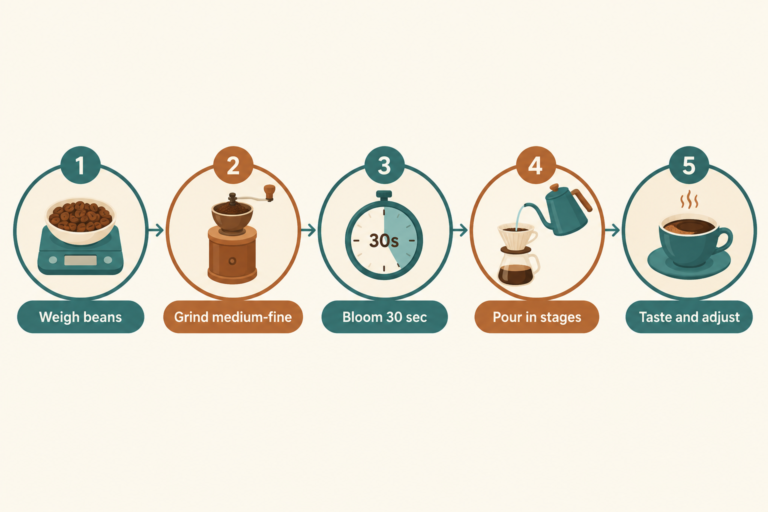
- Skipping the bloom in pour over, the step where you pour a small amount of water first and let the grounds swell for 30 seconds before continuing. Skipping it produces uneven extraction.
- Using stale water filters or a dirty machine, which adds off flavors that get blamed on the coffee instead of the equipment.
- Wrong brew ratio, usually too little coffee for too much water, producing a thin, watery cup that undersells a decent medium roast.
- Ignoring grind size for espresso, using a drip grind in an espresso machine, which produces fast, weak, sour shots with no real crema.
If your machine itself needs attention rather than your technique, best ways to clean a coffee maker for beginners is worth a read before blaming the beans.
Medium Roast Coffee Subscription Services: Worth It?
A coffee subscription is worth it if you drink coffee daily, want fresher roast dates than most supermarket shelves offer, and are willing to pay a premium for convenience and rotating single-origin selection. It is not worth it if you drink coffee only occasionally, since beans will go stale before you finish a bag.
What a subscription typically changes:
- Roast date freshness: subscriptions usually ship within days of roasting, versus weeks or months for shelf-stable supermarket bags.
- Variety: rotating origins from roasters like Counter Culture let you compare Brazil, Colombia, and Central American medium roasts without hunting down separate bags yourself.
- Cost per bag: subscriptions generally run higher than supermarket pricing, often in the $17 to $22 range per 12 ounce bag.
Decision rule: choose a subscription if freshness and variety matter more to you than price per ounce. Skip it if you are happy with a consistent, familiar bag like Caribou Caribou Blend or Starbucks Pike Place at a lower price point.
For a closer breakdown of how to pick one, see how to choose the best coffee subscription for beginners.
Best Medium Roast Coffee for Beginners Just Getting Into Specialty Coffee
The best medium roast coffee for beginners is one that is widely available, forgiving of brewing mistakes, and familiar enough in flavor to build confidence before trying single-origin or subscription coffee. Starbucks Pike Place and Kicking Horse's medium roast lineup both fit this brief.
A 2026 coffee bean buying guide specifically recommends starting with medium roast because it is the most forgiving roast level across drip, pour over, espresso, AeroPress, and French press. That single piece of advice solves a real beginner problem: you do not need five different bags of coffee to try five brewing methods.
Beginner-friendly starting points:
- Starbucks Pike Place, familiar and available almost everywhere.
- Kicking Horse medium roast, organic and fair trade certified, a step toward specialty without jumping straight into single-origin pricing.
- Caribou Caribou Blend, an easy, budget-friendly option for a first drip machine setup.
If you are still deciding what to brew with, our overview of what coffee is best for beginners pairs well with this section.
Medium Roast Coffee Grind Size for Different Brewing Methods
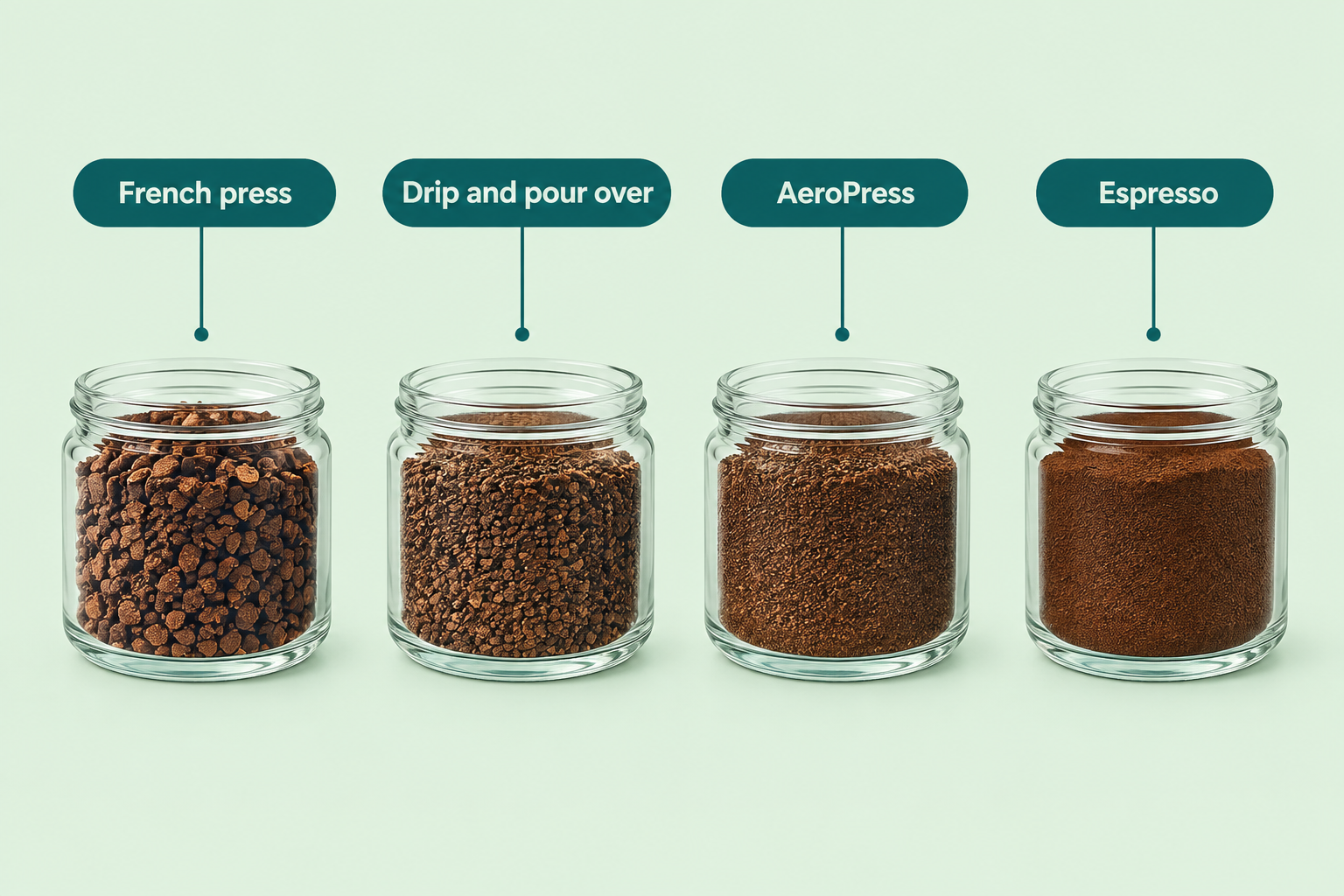
Grind size for medium roast coffee should match the contact time of your brew method: coarse for French press, medium for drip and pour over, and fine for espresso. Using the wrong grind size is one of the fastest ways to ruin an otherwise good bag of coffee.
- French press: coarse, roughly the texture of sea salt. Longer steep time needs bigger particles to avoid over-extraction.
- Drip machines: medium, roughly the texture of granulated sugar. This is the default grind most pre-ground bags are set to.
- Pour over: medium, sometimes slightly finer than drip depending on your dripper's flow rate.
- Espresso: fine, close to powdered sugar. Fine grind is required to build enough resistance for 9 bars of pressure to extract properly in 25 to 30 seconds.
A 2026 buying guide recommends brewing medium roast coffee at 91 to 94 degrees Celsius across most methods, adjusting grind size to match the equipment rather than changing the beans themselves. A burr grinder makes this adjustment far more consistent than a blade grinder, since it crushes beans into uniform particle sizes instead of chopping them unevenly.
FAQ
Is medium roast coffee good for espresso? Yes, with the right grind and dose. A fine grind and a 25 to 30 second extraction can produce a balanced, sweet shot from most medium roast beans, though medium-dark blends generally build crema more easily.
What is the best medium roast coffee for a Keurig or single-serve brewer? Look for a medium roast pod line from a brand you already trust in bag form, such as Caribou or Peet's, since single-serve pods use the same roast profile as their bagged coffee.
Does medium roast coffee have less caffeine than dark roast? By volume, they are nearly identical, since caffeine breaks down only slightly during roasting. By weight, light roast has a small edge because it retains more bean mass per scoop.
How long does medium roast coffee stay fresh after opening? About two to four weeks for whole beans and one to two weeks for pre-ground coffee, assuming an airtight, opaque container away from heat and light.
Can I use the same medium roast for drip and pour over? Yes. Both methods use a similar medium grind, so one bag of medium roast coffee can serve both without buying separate beans.
Is medium roast coffee less bitter than dark roast? Generally yes. Dark roast pushes further into the roasting process, breaking down sugars until bitterness increases, while medium roast keeps more balance between sweetness and roast flavor.
Conclusion
The best medium roast coffee is not one single bag, it is the right bag for how you actually brew. If you run a drip machine every morning, Caribou Caribou Blend or Peet's Big Bang will treat you well without asking anything extra of you. If you brew pour over on weekends, Stumptown Holler Mountain or a rotating Counter Culture single-origin will show more of what the bean can do. If espresso is the goal, Lavazza Qualità Oro gives you body and crema without a steep learning curve.
Start with one clear question: which brew method do you use most? Match your next bag of medium roast coffee to that answer, check the roast date before you buy, and read the brewing method printed on the bag before you assume your usual grind size will work. That single habit solves more coffee problems than switching brands ever will.
Better Coffee Starts With Better Answers.
This article contains affiliate links. Coffee Rank IQ may earn a commission on qualifying purchases at no extra cost to you. Product prices were checked in September 2026 and may change.
Keep Exploring Coffee Rank IQ
- Coffee Rank IQ home: reviews, brewing guides, and coffee science
- Best Manual Coffee Grinder for Pour Over, Espresso, and Travel
- Best Coffee Scale for Pour Over and Espresso…Timer Included
- Best Cold Brew Coffee Brands: Concentrates, Cans, and Beans
- Best Espresso Beans for Lattes, Straight Shots, and Budgets
References
- roastworthy.coffee/medium-roast-coffee-brands
- www.cafegrade.com/guides/best-coffee-blends
- dropofdrink.com/best-medium-coffee
- dropofdrink.com/best-medium-ground-coffee
- www.foodnetwork.com/how-to/packages/shopping/best-ground-coffee
- www.fluentincoffee.com/best-medium-roast-coffee
- www.homegrounds.co/best-coffee-brands
- www.coffeegearhub.com/coffee-bean-buying-guide
- dreamridiculous.com/vetted/best-coffee-beans-for-espresso