
How to Make Coffee Taste Better: Fixes by Taste Problem
Imagine elevating your coffee experience to new heights with advanced flavor enhancements. From exotic spices to unique brewing techniques, this complete guide will take you on a creative routine through coffee. Discover how to infuse your favorite brews with tantalizing flavors that awaken your senses and leave you craving for more. Whether you’re an avid coffee connoisseur or just starting your caffeine adventure, this complete guide is your go-to resource for unlocking the secrets behind the perfect cup of joe. Get ready to bring out your creativity and transform your daily ritual into an extraordinary sensory experience.
How to make coffee taste better, in short: To make coffee taste better, fix the brew before adding flavor: use freshly ground whole beans, filtered water between 195°F and 205°F, and a ratio near 1:16. Grind coarser if it tastes bitter and finer if it tastes sour. Then season with a pinch of salt, cardamom, or cinnamon in the grounds.

Understanding Coffee Flavors
Coffee lovers often find themselves captivated by the detailed and diverse flavors found in every cup. But how exactly do you develop an understanding of these flavors and open up their nuances? The routine begins with the fundamentals of coffee tasting.
Fundamentals of Coffee Tasting
To truly appreciate the flavors of coffee, you must engage your senses and immerse yourself in the experience. Start by observing the appearance of the coffee, noting its color and clarity. Next, inhale deeply and breathe in the aroma, taking note of any fruity, floral, or nutty scents. Once you take your first sip, allow the flavors to envelop your palate, noting the balance between acidity, bitterness, sweetness, and any unique tasting notes.
Identifying Basic Coffee Flavors
Coffee flavors can vary widely, encompassing a vast spectrum of tasting notes. Some common flavors include chocolaty, caramel, fruity, floral, nutty, and spicy. By honing your palate and paying attention to the nuances in each cup, you can begin to identify these flavors and appreciate their unique qualities.
The Coffee Flavor Wheel: An Introduction
The coffee flavor wheel is a valuable tool for coffee enthusiasts and professionals alike. It provides a visual representation of the various flavor notes found in coffee, allowing you to easily categorize and describe the taste of different brews. By familiarizing yourself with the coffee flavor wheel, you can expand your vocabulary and better articulate the flavors you encounter.
Choosing the Right Coffee Beans
Coffee beans are at the heart of every great cup of coffee, and selecting the right beans is key for achieving desired flavors.
Understanding Coffee Varieties
Coffee is grown in different regions around the world, each with its own unique coffee varieties. From the fruity Ethiopian Yirgacheffe to the chocolaty Colombian Supremo (a region and a bean size grade, rather than plant varieties), knowing how origin shapes flavor helps you pick beans with confidence.
Importance of Climate and Altitude on Coffee Flavor
Climate and altitude play a significant role in shaping the flavors of coffee beans. Factors such as temperature, rainfall, and sunlight exposure can influence the development of sugars and acids in the beans, in the end impacting the taste profile. By considering the origin and growing conditions of the beans, you can choose coffees that align with your flavor preferences.
Proper Bean Selection for Specific Flavors
To achieve specific flavors, it is important to select the right beans. For example, if you enjoy a bright and fruity cup of coffee, opt for beans from regions known for producing these flavors, such as Ethiopia or Kenya. On the other hand, if you prefer a bolder and more full-bodied coffee, consider beans from Brazil or Sumatra. Understanding the characteristics of different coffee beans will allow you to make informed decisions and tailor your brewing experience to your preferences.
Roasting for Flavor Enhancement
Roasting is a critical step in the coffee production process and has a profound impact on the final flavor of the beans. By exploring different roast levels and techniques, you can open up a world of new flavors.
Types of Coffee Roasts and Associated Flavors
Coffee roasts range from light to dark, each offering its own distinct flavor profile. Light roasts tend to exhibit floral and fruity notes, while medium roasts provide a balance between acidity and sweetness. Dark roasts develop bold flavors with hints of chocolate and caramel. By experimenting with different roast levels, you can discover the flavors that land with your palate.
Impact of Roasting Techniques on Flavor
In addition to roast level, the technique used during roasting can also influence flavors. Factors such as the duration of the roast, the rate of temperature increase, and even the cooling process can all affect the taste of the final product. Roasters may employ techniques like slow roasting or air roasting to improve specific flavors or highlight unique characteristics of the beans.
Home Roasting for Complete Flavor Control
For those seeking the complete flavor control, home roasting provides an opportunity for experimentation and customization. Home roasters can explore different roast levels and techniques, allowing them to tailor their beans to their exact preferences. By investing in a quality home roaster and sourcing high-quality green coffee beans, you can start a routine of self-discovery and bring out your creativity in the pursuit of exceptional flavors.
Grind Size and its Effect on Coffee Flavor
The size of the coffee grounds plays a key role in extracting flavors during the brewing process. Understanding the relationship between grind size and extraction is key to achieving the perfect cup of coffee.
The Relationship Between Grind Size and Extraction
Grind size directly influences the amount of surface area exposed to water during brewing. Finely ground coffee will have a larger total surface area, leading to faster extraction and potentially a more intense flavor. Coarsely ground coffee, on the other hand, will have less surface area, resulting in a slower extraction and a milder taste. Finding the balance between grind size and extraction time is key for optimal flavor extraction.
Choosing the Right Grinder
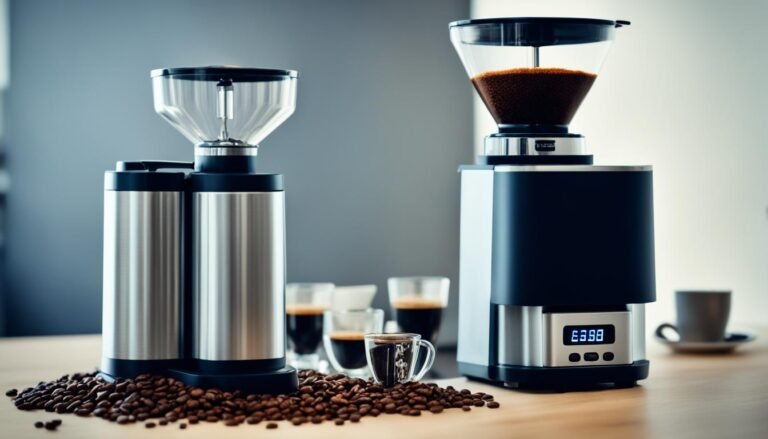
Investing in a quality coffee grinder is essential for consistent and precise grind size. Blade grinders, while more affordable, can produce uneven particle sizes, leading to variations in extraction. Burr grinders, on the other hand, offer greater control over grind size and produce a more uniform grind. By selecting a grinder appropriate for your brewing method and taking care to adjust the grind size accordingly, you can improve the flavors in your cup.
Adjusting Grind Size for Different Brew Methods
Different brew methods require different grind sizes to achieve desired flavors. For example, a French press requires a coarse grind to minimize sediment in the cup, while espresso necessitates a fine grind to ensure proper extraction. Understanding the ideal grind size for each brewing method enables you to tune flavor extraction and achieve consistent results.

Water Quality and Coffee Flavor
Water, often overlooked, is a key component in brewing a delicious cup of coffee. The quality of the water used significantly impacts the taste of the final product.
The Impact of Water Quality on Coffee Taste
Water serves as the vehicle for extracting flavors from the coffee grounds. Chlorine and musty odors in tap water carry straight into the cup. Minerals are a different story, because some hardness helps extraction: SCA guidelines quoted by Perfect Daily Grind call for a total hardness of 50 to 175 ppm and a pH of 6 to 8. Using filtered water or water with the appropriate mineral content can help ensure that the true flavors of the coffee shine through.
Optimal Water Temperature for Brewing
Water temperature also plays a vital role in flavor extraction. The ideal temperature for brewing coffee is typically between 195°F and 205°F (90°C to 96°C). Water that is too hot can lead to over-extraction and a bitter taste, while water that is too cold may result in under-extraction and a weak, insipid cup. Paying attention to water temperature is key for achieving balanced and flavorful coffee.
Water Filtration and Coffee
Investing in a water filtration system can be beneficial for coffee enthusiasts. By removing impurities and controlling mineral content, you can ensure a consistent and clean base for brewing coffee. Some coffee fans even use precise brewing water recipes to dial in the flavors and maximize their brewing potential.
Importance of Brew Ratio
The ratio of coffee to water is a fundamental consideration in brewing coffee and can greatly impact the flavor and strength of the final cup.
Understanding the Coffee to Water Ratio
The coffee to water ratio refers to the amount of coffee grounds used relative to the volume of water. A common starting point is a ratio of 1:16, meaning one part coffee to sixteen parts water. But, personal preferences may vary, and experimenting with different ratios can help you find the perfect balance for your desired flavor profile.
Modifying Brew Ratio for Improved Flavors
Adjusting the coffee to water ratio can significantly alter the intensity and flavor profile of the coffee. Increasing the amount of coffee will result in a stronger, more solid cup, while reducing the coffee quantity will provide a milder, more delicate brew. By playing with the brew ratio, you can fine-tune your coffee to suit your individual preferences.
Experimenting with Brew Ratios
Coffee brewing is a wonderfully creative process that allows for experimentation and exploration. Changing the brew ratio is just one avenue for discovering new flavors and refining your brewing technique. Don’t be afraid to push boundaries and deviate from traditional ratios – you may stumble across a flavor combination that surprises and delights your taste buds.
Brew Methods and Flavor
The brewing method you choose can greatly impact the flavor of your coffee. Each brewing technique offers a unique set of variables that influence flavor extraction.
Exploring Different Brewing Techniques
From pour-over to espresso, French press to cold brew, there is a multitude of brewing methods to explore. Each method allows for different levels of control over variables such as water temperature, steeping time, and agitation. By experimenting with various techniques, you can uncover new flavor profiles and discover which methods best suit your taste preferences.
Impact of Brew Method on Coffee Flavor
The choice of brew method directly affects the flavors extracted from the coffee grounds. For example, a French press produces a full-bodied cup with solid flavors, while a pour-over method tends to bring out the delicate nuances and floral characteristics of the coffee. Understanding how each brewing method influences flavor can help you select the method that aligns with the flavors you seek.
Choosing a Brew Method Based on Desired Flavor Profile
With an expansive array of brewing methods to choose from, you have the opportunity to tailor your coffee to your desired flavor profile. If you enjoy a bright and acidic cup, consider using a pour-over or Aeropress. For those who prefer a more velvety and rich flavor, the French press or espresso machine may be the ideal brewing method. By understanding the strengths and limitations of each method, you can tune your brewing experience and boost your desired flavors.
Advanced Flavor Profiling
For coffee professionals, understanding the intricacies of flavor profiling is key in perfecting their craft.
Introduction to Coffee Cupping
Coffee cupping is a sensory evaluation technique used to assess the flavors and aromas of brewed coffee. This method involves carefully observing the characteristics of the coffee, including fragrance, aroma, acidity, body, flavor, and aftertaste. By engaging in cupping sessions, professionals can develop a deeper understanding of flavor details and refine their palate.
Using a Coffee Refractometer
For precise and scientific flavor profiling, coffee refractometers are invaluable tools. These devices measure the total dissolved solids in a coffee sample, providing insights into extraction yield and flavor concentration. Refractometers allow professionals to objectively analyze and adjust their brewing parameters to achieve specific flavor profiles.
Flavor Profiling for Roasters and Baristas
Roasters and baristas play a critical role in shaping the flavor of the coffee that reaches the consumer. By utilizing flavor profiling techniques, they can produce coffees that align with their desired taste profiles. From selecting specific beans and roast levels to modifying brewing parameters, professionals have the power to fine-tune every aspect of the coffee-making process and create truly exceptional flavors.
Tasting Coffee Like a Pro
To take your coffee tasting skills to the next level, adopting expert techniques can help you fully appreciate the details of the flavors at hand.
Cupping and Flavor Analysis Techniques
Cupping, as previously mentioned, is a widely recognized method for evaluating coffee flavors. Professionals and enthusiasts alike can engage in cupping sessions to assess and compare different coffees, paying special attention to fragrance, aroma, acidity, body, flavor, and aftertaste. By consistently practicing cupping and utilizing flavor analysis techniques, you can refine your ability to discern and describe detailed flavor profiles.
Reading Coffee Tasting Notes
Coffee tasting notes are descriptions of the flavors and aromas found in a specific coffee. These notes, usually provided by roasters or coffee professionals, serve as a guide to help consumers understand the anticipated taste experience. By learning to read and interpret tasting notes, you can gain insights into the flavors present in a particular coffee and improve your own sensory experience.
Training Your Palate
Developing a refined palate is an ongoing routine that requires practice and patience. Engaging in regular coffee tastings, experimenting with various flavors and brewing methods, and seeking out professional guidance can all contribute to sharpening your palate. Over time, you will become more attuned to the detailed flavors in coffee and be able to discern even the subtlest tasting notes.
Experimentation and Personal Preferences
While coffee offers endless possibilities, it in the end comes down to personal taste and the joy of exploring flavors that land with you.
The Role of Personal Taste in Coffee Enjoyment
Coffee is a deeply personal experience, and there is no right or wrong for flavor preferences. Embrace your unique taste preferences and allow them to guide your routine. Whether you prefer a bright and acidic coffee or a smooth and chocolaty brew, embracing your personal taste is an integral part of the coffee enjoyment process.
Contrasting and Comparing Flavors
Contrasting and comparing flavors is a fascinating way to explore the vast world of coffee. For instance, brew two cups side by side, each using a different coffee variety or roast level. Take note of the differences in flavor profiles and appreciate the nuances that come to life. By consciously engaging in flavor comparisons, you can develop a deeper appreciation for the diverse range of flavors coffee has to offer.
Experimenting with Flavors for Personalized Brewing
Don’t be afraid to experiment and push the boundaries of traditional coffee brewing. Add spices, such as cinnamon or cardamom, to your coffee grounds for a unique twist. Infuse your brews with flavors like vanilla or lavender to create personalized beverages that align with your taste preferences. coffee is a canvas for creativity, and by experimenting with flavors, you can open up a world of endless possibilities.
In the end, the pursuit of advanced coffee flavor enhancements is a routine of exploration, experimentation, and personal discovery. By understanding the fundamentals of coffee tasting, selecting the right beans, mastering roast levels, optimizing grind size and water quality, and exploring various brewing techniques, you can improve your coffee experience to new heights. Embrace your creativity and start your own coffee flavor adventure – the possibilities are endless.
Fix Your Coffee by Taste: A Quick Chart
Before you reach for syrup, name the problem. Most bad cups fall into one of six tastes, and each has a likely cause you can fix with the gear you already own. If you want the vocabulary behind these tastes first, our coffee flavor profile guide maps it out.
| If your coffee tastes | Likely cause | Try this first | Then try |
|---|---|---|---|
| Bitter, harsh, drying | Over-extraction | Grind a step coarser | Shorten the brew time or let boiling water rest 30 seconds |
| Sour, thin, sharp | Under-extraction | Grind a step finer | Use hotter water, between 195°F and 205°F |
| Weak, watery | Too little coffee | Add coffee: move from 1:17 toward 1:15 | Weigh it instead of using scoops |
| Flat, papery, stale | Old or pre-ground beans | Buy whole beans with a roast date and grind right before brewing | Rinse paper filters with hot water |
| Chemical, swimming pool | Chlorine in tap water | Use filtered water | Try bottled spring water for one brew to compare |
| Muddy, gritty | Fines in the cup | Grind coarser for French press | Pour slowly and leave the last half inch in the pot |
Freshness is the easiest of these to fix. Our guide to whole bean vs ground coffee shows how fast ground coffee fades, and if your cups run weak, the pour over coffee ratio guide has the gram math.
Flavor Add-Ins That Work With Coffee
Once the brew itself tastes right, add-ins become seasoning instead of cover-up. These work best added to the grounds or the pot, not stirred into the mug at the end.
- A pinch of salt: a few grains in the grounds softens bitterness in a dark roast. Salt suppresses how strongly we perceive bitter compounds, a finding published by Breslin and Beauchamp in Nature in 1997. Too much and you get salty coffee, so start tiny.
- Cardamom: crack two or three green pods and brew them with the grounds. Cardamom is the signature spice in Arabic coffee, and it adds a cool, floral lift.
- Cinnamon stick: drop one into the carafe or French press while it steeps. Mexican cafe de olla brews coffee with cinnamon and piloncillo, a raw cane sugar, in a clay pot.
- Orange peel: a strip of peel (no white pith) in the brewer pairs well with chocolatey medium and dark roasts.
- Vanilla: a split bean in a jar of whole beans scents the coffee over a few days, or add a drop of extract to the pot, not the cup.
If you like sweetness in the cup, a homemade syrup gives you more control than store packets. Our homemade coffee syrups guide has six recipes and how long each one keeps.
How to make coffee taste better: FAQ
Why does my coffee taste bitter?
Coffee usually tastes bitter because it is over-extracted: the grind is too fine, the brew ran too long, or the water was too hot. Very dark roasts and stale beans add bitterness too. Change one thing at a time, starting with a slightly coarser grind.
Does adding salt to coffee reduce bitterness?
Yes, a very small pinch of salt reduces how bitter coffee tastes, because sodium suppresses the perception of bitterness. Add a few grains to the grounds before brewing or to a full pot, never enough to taste salt. It works best as a rescue for a harsh dark roast, not as a daily fix for bad beans.
What water makes coffee taste best?
Filtered tap water with some mineral content usually makes the best coffee. Distilled water tastes flat because it lacks the minerals that help extraction, and chlorinated water carries chemical notes into the cup. Find more brewing fixes and gear guides on Coffee Rank IQ.