Espresso Troubleshooting: Change One Variable at a Time
In coffee connoisseurs, there exists an art form that goes beyond the basic, mundane cup of joe. It is the world of advanced espresso, where a symphony of flavors and aromas dance upon your palate, creating an exquisite sensory experience. If you aspire to improve your coffee game to new heights, . This article is your passport to mastering the art of the perfect advanced espresso. With expert tips and guidance, we will unravel the secrets to brewing a cup that is rare in richness and complexity. Get ready to start a delightful routine of experimentation and refinement as we explore the detailed world of advanced espresso.
Espresso troubleshooting, in short: To dial in espresso, lock your dose (say 18 grams) and aim for about 36 grams out in 25 to 30 seconds. Change only the grind until the time lands, then taste: sour means a longer ratio or finer grind, and bitter means a shorter ratio or coarser grind. Adjust one variable per shot.

Understanding the basics of espresso
What is espresso
Espresso is a concentrated form of coffee that is brewed by forcing hot water through finely ground coffee beans. It is characterized by its intense flavor, rich crema, and quick brewing time. Unlike regular brewed coffee, which is made by steeping coffee grounds in water, espresso is made using pressure. This results in a concentrated shot of coffee that is the base for various espresso-based drinks.
History and origin of espresso
The origins of espresso can be traced back to Italy in the late 19th century. Angelo Moriondo of Turin patented a steam powered coffee machine in 1884, though it was a bulk brewer rather than a single cup machine (Smithsonian). But, it was Luigi Bezzera who made significant improvements to the machine in 1901, paving the way for the modern espresso machine. Espresso quickly gained popularity in Italy and eventually spread worldwide, becoming a base of coffee culture.
Different types of espresso drinks
Espresso forms the foundation for a variety of popular coffee drinks. Some of the most well-known espresso-based drinks include:
- Caffè Americano: A shot of espresso diluted with hot water.
- Cappuccino: Equal parts of espresso, steamed milk, and milk foam.
- Latte: A shot of espresso mixed with steamed milk and a small amount of milk foam.
- Macchiato: A shot of espresso with a small amount of milk foam on top.
- Mocha: A combination of espresso, chocolate syrup, steamed milk, and whipped cream.
Each espresso drink has its own unique flavor profile, texture, and level of caffeine, making it a versatile choice for coffee enthusiasts.
The science behind espresso extraction
The process of extracting espresso involves the dissolution of desirable compounds from the coffee grounds into the hot water. This extraction is influenced by factors such as water temperature, pressure, grind size, and brewing time. The right balance of these variables is key in achieving a delicious and well-extracted espresso shot. Understanding the science behind extraction allows baristas to tune the taste and quality of their espresso.
Components of a perfect espresso
Espresso bean qualities
The quality of the espresso beans greatly affects the taste of the final product. Ideally, espresso beans should be freshly roasted, as freshness plays a significant role in flavor. Look for beans that have a rich aroma and are evenly roasted. Also, the beans should have a medium to dark roast, as lighter roasts may result in under-extracted flavors. Choosing high-quality beans is a vital step in the routine to mastering the perfect espresso shot.
Water quality
Water is a key ingredient in espresso and can greatly impact its taste. It is essential to use high-quality water that is free from impurities such as chlorine or other off-flavors. Ideally, filtered water or spring water should be used to ensure optimal extraction. The temperature of the water is also important, with the ideal range being between 195 and 205 degrees Fahrenheit. Water quality and temperature are key components in creating a flavorful and well-balanced espresso.
Importance of the grind
The consistency and size of the coffee grounds greatly affect the extraction process. For espresso, a fine grind is needed to maximize the surface area of the coffee particles in contact with water. This allows for a faster and more thorough extraction. Investing in a quality burr grinder is highly recommended, as it provides a consistent grind size. Inconsistent grind size can lead to uneven extraction and an imbalanced flavor profile. The grind size is a critical element in achieving the perfect espresso shot.
Pressurized water extraction
The extraction of espresso is achieved through the use of pressure. When water is forced through the compacted coffee grounds, it extracts the soluble compounds that contribute to the flavor and aroma of the espresso. The ideal pressure for espresso extraction varies between 8 to 10 bars, although some modern machines allow for pressure profiling, which allows for the adjustment and optimization of pressure throughout the extraction process. Understanding the role of pressure in espresso extraction is essential for obtaining the desired flavors and characteristics in the final cup.
Quality of coffee beans
Types of coffee beans
There are two main types of coffee beans used for espresso: Arabica and Robusta. Arabica beans are known for their delicate flavors, subtle acidity, and complex aromas. They are generally considered the preferred choice for high-quality espresso. Robusta beans, on the other hand, have a stronger and more bitter taste, as well as a higher caffeine content. They are often used in blends to add body and crema to the espresso. Understanding the differences between these two types of beans allows for greater control over the flavor profile of the espresso.
Best coffee beans for espresso
For selecting the best coffee beans for espresso, it often comes down to personal preference. But, some popular choices among coffee enthusiasts include single-origin beans from countries such as Ethiopia, Colombia, and Brazil. These beans often showcase unique flavors and characteristics that can improve the overall espresso experience. Blends of different coffee beans, carefully curated by master roasters, can also be a great option for achieving a balanced and rich espresso shot.
Storing coffee beans
To maintain the freshness and quality of coffee beans, proper storage is essential. Exposure to air, light, heat, and moisture can all lead to the deterioration of the coffee beans and affect the flavor of the espresso. It is recommended to store coffee beans in an airtight container, preferably in a cool and dark place. Avoid storing coffee beans in the refrigerator, as the moisture can cause them to deteriorate. By taking care to store the beans properly, their freshness and flavor can be preserved for a longer period.
Freshly roasted beans vs store-bought
Freshly roasted beans are often preferred by coffee enthusiasts, as they offer a more vibrant and aromatic flavor profile. When coffee beans are freshly roasted, they release carbon dioxide, which contributes to the formation of crema during the extraction process. Store-bought beans, on the other hand, may have been sitting on shelves for an extended period, leading to a loss of flavor and aroma. By opting for freshly roasted beans, you can ensure a more flavorful and satisfying espresso experience.
The importance of the coffee grinder
Investing in a quality grinder
For achieving the perfect espresso shot, investing in a quality coffee grinder is key. A burr grinder, as opposed to a blade grinder, is highly recommended, as it provides a consistent and even grind size. The grind size plays a key role in the extraction process, and an inconsistent grind can result in an unbalanced flavor profile. By investing in a quality grinder, you are setting yourself up for success in mastering the art of espresso making.
Grind size for espresso
The grind size for espresso should be fine and uniform. This allows for a controlled and efficient extraction process. The optimal grind size can vary depending on factors such as the machine being used and the desired flavor profile. Generally, a grind size similar to that of table salt is a good starting point. But, through experimentation and tasting, you can fine-tune the grind size to achieve your desired results. Consistency in grind size is key for achieving an even extraction and balanced flavors.
Consistency of the grind
Consistency in the grind size is essential to ensure an even extraction of the coffee. Inconsistent grind size can result in over-extraction or under-extraction, leading to imbalanced flavors. A burr grinder ensures a more uniform grind size compared to a blade grinder, where the grind can vary from coarse to fine. By maintaining consistency in the grind size, you can have greater control over the extraction process, and in the end, produce a more harmonious and well-rounded espresso.
Manual vs electric grinders
Both manual and electric grinders have their advantages and disadvantages. Manual grinders offer the advantage of being portable and quiet, making them a popular choice for those who enjoy brewing espresso outdoors or in quiet environments. Electric grinders, on the other hand, offer convenience and speed. They often come with features such as programmable settings, allowing for greater precision and control over the grind size. The choice between manual and electric grinders boils down to personal preference and the specific brewing environment.

Mastering espresso extraction
Understanding extraction
Extraction is the process of dissolving the desirable compounds from the coffee grounds into the water. It is a delicate balance between extracting the optimal flavors and avoiding over-extraction, which can result in bitterness. Achieving the perfect extraction requires a combination of factors, including grind size, brew time, water temperature, and pressure. By understanding the science behind extraction, you can make informed decisions and adjustments to achieve the desired flavors in your espresso.
Controlling extraction time
Controlling the brew time is a key aspect of espresso extraction. The ideal brew time can vary depending on various factors, such as the coffee beans used, the grind size, and personal taste preferences. Generally, a brew time of 25 to 30 seconds is considered optimal for extracting balanced flavors. If the extraction time is too short, the espresso may taste sour and weak. On the other hand, an extraction time that is too long can result in a bitter and overpowering brew. Fine-tuning the brew time is imperative for achieving the perfect extraction.
Signs of under-extraction and over-extraction
Under-extraction occurs when the water has not had enough contact time with the coffee grounds, resulting in a weak and sour-tasting espresso. Signs of under-extraction include a lack of body, muted flavors, and a thin crema. Over-extraction, on the other hand, occurs when the water has been in contact with the coffee grounds for too long, resulting in a bitter and harsh-tasting espresso. Signs of over-extraction include a dark and heavy body, a bitter aftertaste, and a thin or absent crema. By recognizing the signs of under-extraction and over-extraction, you can adjust your brewing parameters accordingly to achieve a perfectly balanced and flavorful espresso.
Fine-tuning extraction variables
Fine-tuning the extraction variables, such as grind size, water temperature, pressure, and brew time, allows for greater control over the flavor profile of the espresso. By making slight adjustments to these variables, you can accentuate specific flavors and characteristics of the coffee. For example, a finer grind size and longer brew time can result in a more intense and flavorful espresso, while a coarser grind size and shorter brew time may yield a milder and lighter cup. Experimenting with these variables and finding the right combination for your taste preferences is key to mastering the art of espresso extraction.
Water quality and pressure
The role of water in espresso making
Water is a vital component in the espresso-making process, accounting for over 90% of the final cup. It not only dissolves the desirable compounds from the coffee grounds but also contributes to the overall texture and body of the espresso. Using high-quality water that is free from impurities ensures a clean and pure taste. The pH of the water plays a role too, and the Specialty Coffee Association’s water guidance aims for a near neutral pH around 7 rather than acidic water (Perfect Daily Grind). Understanding the importance of water quality is key for achieving the best espresso experience.
How pressure affects espresso
Pressure is an essential element in the espresso-making process. It forces the hot water through the coffee grounds, extracting the flavors and compounds that contribute to the taste and aroma of the espresso. The optimal pressure range for espresso extraction is typically between 8 to 10 bars. This ensures a thorough and even extraction without resulting in over-extraction or under-extraction. Pressure affects the rate of extraction, the formation of crema, and the overall body of the espresso. Mastering the use of pressure in espresso extraction allows for greater control over the final product.
Optimal water temperature
Water temperature plays a key role in extracting the flavors from the coffee grounds. Ideally, the water temperature for espresso extraction should be between 195 and 205 degrees Fahrenheit. Water that is too hot can result in over-extraction and a burnt flavor, while water that is too cold can lead to under-extraction and a weak flavor profile. By maintaining the optimal water temperature throughout the espresso-making process, you can ensure a balanced and flavorful cup of espresso.
Uses of pressure profiling in espresso
Pressure profiling involves manipulating the pressure during the espresso extraction process to create different flavor profiles. Modern espresso machines often come equipped with pressure profiling capabilities, allowing for greater experimentation and customization. By adjusting the pressure at different stages of the extraction, you can accentuate specific flavors and characteristics of the coffee. For example, a lower pressure at the beginning of the extraction may result in a sweeter and more floral cup, while a higher pressure toward the end may improve the body and intensity of the espresso. Pressure profiling provides a level of control and creativity in the pursuit of the perfect espresso shot.
Espresso machine selection and utilization
Features to look for in an espresso machine
When selecting an espresso machine, there are several key features to consider. These include:
- Boiler type: Single boiler, heat exchange, or dual boiler.
- Pump type: Vibratory pump or rotary pump.
- Temperature control: Ability to adjust and maintain water temperature.
- Pressure profiling: Capability to manipulate pressure during extraction.
- Portafilter size: Single or double shot capacity.
- Ease of use: User-friendly interface and controls.
Each feature contributes to the overall functionality and performance of the espresso machine. It is important to consider your specific needs and preferences when selecting an espresso machine.
How to operate an espresso machine
Operating an espresso machine requires a combination of technical knowledge and practical skills. The specific steps may vary depending on the machine and its features, but the general process includes:
- Preheating the machine and portafilter.
- Grinding coffee beans to the desired consistency.
- Dosing and tamping the coffee grounds into the portafilter.
- Locking the portafilter into the espresso machine.
- Initiating and monitoring the extraction process.
- Frothing milk, if desired, for milk-based espresso drinks.
- Cleaning and maintaining the machine after use.
Becoming familiar with the operation of your specific espresso machine is essential for achieving consistent and high-quality results.
Maintenance of espresso machine
Regular maintenance is key to ensuring the longevity and performance of an espresso machine. This includes tasks such as descaling, backflushing, and cleaning the various components of the machine. It is important to follow the manufacturer’s guidelines for maintenance and cleaning to avoid any damage or performance issues. Also, regular servicing by a professional technician is recommended to address any potential issues and keep the machine in optimal condition. Proper maintenance and care will prolong the lifespan of your espresso machine and ensure the production of excellent espresso.
Troubleshooting common espresso machine problems
Even with proper maintenance, espresso machines may encounter common issues from time to time. Some common problems and their potential solutions include:
- Low water pressure: Check for a clogged water filter or blockage in the water line.
- Inconsistent extraction: Ensure proper tamping technique and check for inconsistencies in grind size.
- Leaking or dripping: Inspect the gaskets, seals, and valves for any damage or wear.
- Lack of steam pressure: Check for any blockages in the steam wand or insufficient water in the reservoir.
If issues persist, it is recommended to consult the espresso machine’s user manual or contact a professional technician for assistance. Troubleshooting common problems ensures the uninterrupted enjoyment of your espresso machine.
Espresso Tasting and Evaluation
The flavors, aromas, and textures of espresso
Espresso is known for its complex flavor profile, ranging from rich and chocolatey to bright and fruity. The flavors can vary depending on factors such as the origin of the coffee beans, the roast level, and the brewing technique. Common flavor descriptors for espresso include caramel, citrus, floral, nutty, and earthy. Aromas play a significant role in enhancing the overall sensory experience, with notes of chocolate, caramel, and spices often present. In terms of texture, a well-extracted espresso should have a smooth and velvety mouthfeel, with a thick and creamy crema on top.
The art of espresso tasting
Espresso tasting is a sensory evaluation of the flavor, aroma, and texture of a shot. It differs from cupping, the standardized method in which coarse grounds steep in bowls of hot water. To perform an espresso tasting, start by observing the crema and assessing its thickness and color. Smell the aroma and identify any distinctive notes or aromas. Take a small sip and let the espresso coat your palate, paying attention to the flavors that unfold. Note the body and mouthfeel, as well as the aftertaste. By honing your tasting skills, you can develop a deeper understanding and appreciation for the nuances of espresso.
Balancing bitterness and acidity in espresso
Balancing bitterness and acidity is a key aspect of achieving a well-rounded and enjoyable espresso. Bitterness is often a result of over-extraction, where undesirable compounds are extracted from the coffee grounds. Acidity, on the other hand, adds brightness and complexity to the espresso. Finding the right balance between these two elements is a matter of personal taste. Adjusting variables such as grind size, brew time, water temperature, and pressure can help fine-tune the balance. As you gain more experience and knowledge, you will be able to manipulate these variables to create a harmonious and balanced espresso.
Decoding the espresso crema
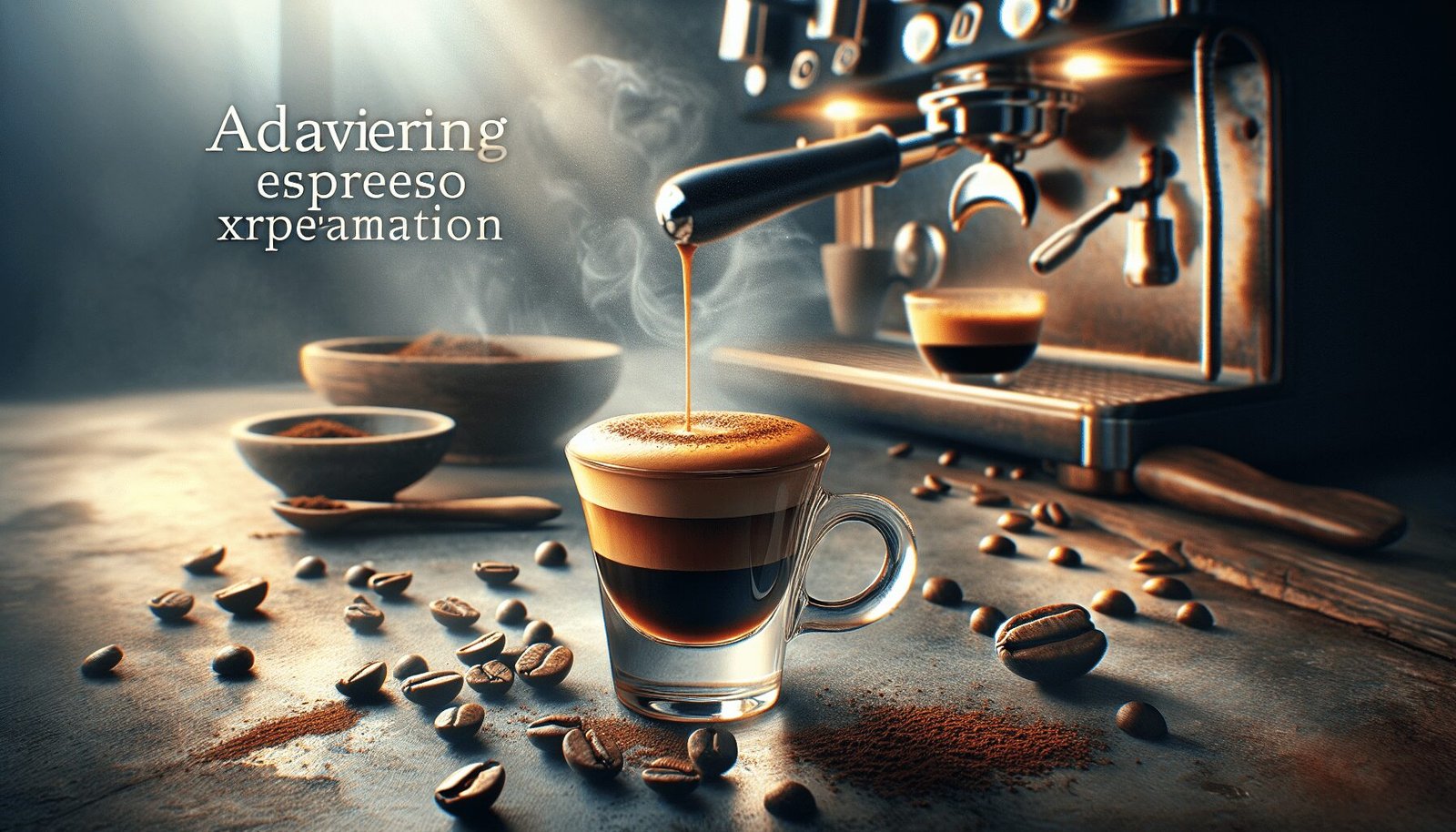
The crema is the rich, caramel-colored foam that sits atop a well-prepared espresso shot. It is composed of tiny gas bubbles and oils that are released during the extraction process. The crema not only improves the overall aesthetics of the espresso but also contributes to its flavor and mouthfeel. A thick and creamy crema indicates a well-extracted espresso, while a thin and quickly dissipating crema may be a sign of under-extraction. By decoding the crema, you can gauge the quality and consistency of your espresso shots.
Pulling the perfect shot
The steps to pull the perfect shot
Pulling the perfect shot of espresso requires precision, practice, and attention to detail. The general steps to follow include:
- Preheat the espresso machine and cup.
- Grind the coffee beans to the desired consistency.
- Dose the coffee grounds into the portafilter.
- Distribute the grounds evenly and tamp with consistent pressure.
- Lock the portafilter into the espresso machine.
- Start the extraction and monitor the extraction time.
- Stop the extraction when the desired brew time is reached.
- Admire the rich crema and evaluate the aroma.
- Serve and enjoy your perfect shot of espresso.
By carefully following these steps and making adjustments as needed, you can consistently pull exceptional shots of espresso.
Timing your shot
Timing is an important aspect of pulling the perfect espresso shot. The ideal extraction time for espresso is typically between 25 to 30 seconds. This ensures a well-rounded and balanced flavor profile. But, the optimal extraction time may vary depending on factors such as the coffee beans, grind size, and personal taste preferences. By experimenting with different extraction times and tasting the results, you can find the perfect timing that suits your taste and produces the desired flavors in your espresso.
The role of tamping in pulling the perfect shot
Tamping is the process of compacting the coffee grounds in the portafilter before extraction. It plays a key role in the overall extraction process, affecting the flow rate and consistency of the espresso. When tamping, it is important to apply consistent pressure to ensure an even extraction. Tamping too lightly can result in a fast and under-extracted shot, while tamping too firmly can lead to channeling and over-extraction. By mastering the art of tamping, you can achieve a more consistent and balanced extraction, resulting in the perfect shot of espresso.
Achieving consistent extraction
Consistency in extraction is key to producing high-quality espresso consistently. To achieve consistency, it is important to maintain control over variables such as grind size, dose amount, tamping pressure, water temperature, and brew time. By measuring and recording these variables, you can replicate the successful shots and make adjustments as needed. Consistency in extraction ensures that each cup of espresso is balanced, flavorful, and meets your desired taste preferences. Practice, attention to detail, and a systematic approach are essential in achieving consistent extraction.
Advanced brewing techniques
Adjusting grind size based on flavor
The grind size plays a significant role in the extraction process and in the end affects the flavor of the espresso. By adjusting the grind size, you can fine-tune the extraction and improve specific flavors. Finer grind sizes tend to result in a more intense and flavorful espresso, while coarser grind sizes produce a milder and more delicate cup. Experimenting with different grind sizes and assessing the flavors in each extraction allows you to tailor the espresso to your taste preferences and discover new flavor profiles.
How to practice latte art
Latte art is a creative and visually appealing technique that improves the presentation of espresso-based drinks. To practice latte art, start by steaming milk to achieve the perfect consistency and texture. Pour the steamed milk slowly and evenly into the espresso while gradually adjusting the height and angle of the pitcher. Hearts, rosettas, and tulips are free poured, shaped only by the pitcher’s height, speed and wiggle; a thin stick or toothpick is for etching extra detail after the pour. With practice and patience, you can master the art of latte art and impress your guests with beautifully crafted espresso drinks.
Exploring pressure profiling
Pressure profiling involves manipulating the pressure during the extraction process to achieve different flavor and aroma profiles. This can be done manually by adjusting the lever or electronically through pressure profiling features on modern espresso machines. By altering the pressure at specific stages of the extraction, you can elicit different flavors and emphasize specific characteristics of the coffee. Pressure profiling adds another layer of control and creativity to the espresso-making process, allowing for endless possibilities and experimentation.
Mastering the ristretto and lungo
The ristretto and lungo are variations of the espresso shot that offer different flavor profiles and intensities. A ristretto is a short shot of espresso that is extracted with a smaller volume of water, resulting in a more concentrated and intense flavor. It is characterized by its sweetness and heavy body. On the other hand, a lungo is a long shot of espresso that is extracted with more water than a regular espresso shot, resulting in a milder and more diluted flavor. By exploring these variations and adjusting the extraction parameters accordingly, you can expand your espresso repertoire and cater to different taste preferences.
The routine to mastering the perfect advanced espresso is an art form in itself. With a solid understanding of the basics, a passion for experimentation, and a commitment to continuous improvement, you can improve your espresso-making skills to new heights. From selecting the finest coffee beans to carefully manipulating extraction variables, each element plays a vital role in crafting a truly exceptional cup of espresso. By embracing creativity and honing your techniques, you can join the ranks of espresso experts and savor the satisfaction of pulling the perfect shot with every brew.
How to Dial In Espresso in Five Shots
A new bag of beans resets the recipe. Plan on five or six shots, keep a note open on your phone, and put a coffee scale with a built-in timer under the cup. Hold the dose steady the whole time. It is your anchor.
- Shot 1: 18 grams in, stop at 36 grams out, and note the time. Skip judging the taste for now.
- Shots 2 and 3: move the grind until those same 36 grams take 25 to 30 seconds. Finer slows the shot and coarser speeds it up.
- Shot 4: taste it straight. If it is sour, sharp or salty, keep the grind and stop at 40 to 45 grams. If it is bitter, dry or ashy, stop at 30 to 32 grams.
- Shot 5: if the ratio change overshot, split the difference. Then taste it the way you drink it, because a shot that tastes loud on its own can vanish in a 12 ounce latte.
- Write the recipe on the bag next to the roast date. As the beans age over the next few weeks, expect to grind a touch finer to keep the same shot time.
Dial In Chart: From Taste to Adjustment
| Taste | Likely cause | First change | Second change |
|---|---|---|---|
| Sour, sharp, salty | Under-extraction | Longer ratio, 1:2.2 to 1:2.5 | Grind finer or raise brew temperature 2°F |
| Bitter, dry, harsh finish | Over-extraction | Shorter ratio, around 1:1.8 | Grind coarser or lower brew temperature 2°F |
| Sour and bitter in one sip | Channeling | Stir out clumps and tamp level | Check that the dose fits the basket |
| Balanced but weak | Ratio too long for your taste | Shorter ratio | Raise the dose by 0.5 to 1 gram |
| Flat, no sweetness | Stale beans or dirty gear | Fresher beans | Clean the group head and grinder burrs |
Roast level shifts the targets. Light roasts usually want a finer grind, a longer ratio of 1:2.5 to 1:3, and hotter water. Dark roasts often taste best short, around 1:2 or tighter, with slightly cooler water. Our guide to espresso roast explains why the label on the bag says less than you might think, and ristretto vs espresso shows what happens when you pull the ratio short on purpose.
Espresso troubleshooting: FAQ
How long does it take to dial in espresso?
Expect four to six shots, roughly 20 minutes, for a new bag. Beans from a roaster you already know can land in two or three shots. Very light roasts and beans roasted only a few days earlier usually take the longest.
Should I change grind size or ratio first?
Change the grind first to get the shot time into range, then use the ratio to fine tune flavor. Grind controls how fast water moves through the puck. The ratio controls how much of the coffee ends up in the cup. Change both at once and you will never know which one fixed the shot.
What espresso ratio works for light roast beans?
Start light roasts at 1:2.5, for example 18 grams in and 45 grams out. Light roasts are denser and harder to extract, so the extra water pulls out more sweetness. Some taste best at 1:3, which drinks like a small, intense filter coffee. When you are ready to match a grinder to your machine, browse the espresso guides on Coffee Rank IQ.
Keep Exploring Coffee Rank IQ
- Coffee Rank IQ home: reviews, brewing guides, and coffee science
- What Is an Americano? Espresso, Water, and One Big Myth
- The Complete Guide To Advanced Espresso: Troubleshooting Common Issues
- Mastering The Perfect Advanced Espresso: Troubleshooting And Solutions
- Advanced Espresso Machine Troubleshooting Tips