Types of Espresso Machines: 6 Setups Matched to Your Mornings
There are six types of espresso machines and makers that fit a home kitchen: the semi-automatic, the super-automatic, the manual lever press, the capsule machine, the moka pot and the AeroPress with a valve cap. Four of those types of espresso machines reach the roughly 9 bar of pressure that real espresso needs. The moka pot and the AeroPress make strong, concentrated coffee that tastes great with milk. Good drinks. Different drinks.
So choosing between the types of espresso machines comes down to two questions: what do you want in the cup, and how much of your morning are you willing to hand to the process? Below you will find what every type has to deliver by the numbers, all six compared side by side, who controls each step from manual to super-automatic, the four ways pump machines heat their water, the grinder question that decides more than the machine does, a starter recipe for each type, and the mistakes that make good beans taste sour or burnt.
Quick Answer
The main types of espresso machines for home are semi-automatic, super-automatic, manual lever and capsule, and all four can reach the roughly 9 bar of pressure that defines espresso. A semi-automatic gives you the most control and the best milk steaming, a super-automatic grinds and brews at one button, a lever press such as the Flair makes true espresso with no plug, and an Original line Nespresso machine trades choice for speed. A moka pot (about 1 to 2 bar) and an AeroPress with a valve cap make strong espresso-style coffee for less money and less counter space. Whichever type you pick, spend on the grinder first.
What Every Type of Espresso Machine Has to Deliver
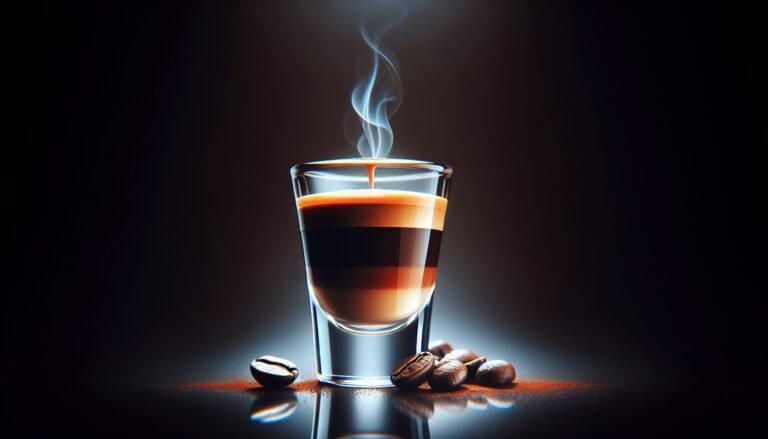
Espresso has a definition, and it is narrower than most coffee menus suggest. The Istituto Nazionale Espresso Italiano, the Italian body that certifies espresso, publishes a tight specification: about 7 grams of ground coffee, water at 9 bar of pressure, and a 25 second extraction that fills the cup with about 25 ml including the foam. Specialty cafes and most home baristas now pull bigger doubles, usually 16 to 18 grams in the basket, and judge the shot by the weight of liquid that comes out rather than by volume.
Pressure is the part people skip. Hot water alone, poured over fine coffee, drips through and makes a strong filter brew. Push that same water through a compressed puck at 9 bar and you get a thick, syrupy shot with dissolved oils and a layer of crema. That pressure is what a machine buys you.
The targets every type of espresso machine is chasing:
| Parameter | Italian certified espresso (INEI) | Typical home double today |
|---|---|---|
| Ground coffee | 7 g, plus or minus 0.5 g | 16 to 18 g |
| Water pressure | 9 bar, plus or minus 1 bar | The same 9 bar target |
| Water temperature at the coffee | 88 C, plus or minus 2 C | Set by the machine; many models let you adjust it |
| Extraction time | 25 seconds, plus or minus 5 | Roughly 25 to 35 seconds |
| In the cup | 25 ml including the foam | About 1:2 by weight, so 18 g in gives about 36 g out |
| Ristretto and lungo | Not part of the spec | Ristretto about 1:1 to 1:1.5; lungo about 1:2.5 to 1:3 |
| Caffeine | Under 100 mg per cup | Depends on dose and beans |
Figures from the Istituto Nazionale Espresso Italiano certification sheet and Seattle Coffee Gear’s espresso brew ratio guide.
Crema deserves one sentence of honesty. It is a foam of carbon dioxide and coffee oils that pressure pulls out of freshly roasted beans, so it tells you the beans are fresh and the pressure was high. It does not tell you the shot tastes good. A sour, underextracted shot can wear a beautiful tan coat.
Types of Espresso Machines: All Six Compared
All six types of espresso machines and makers sit somewhere on the same two scales: how much pressure they can build, and how much work they ask of you. The table puts them side by side.
| Type | Brew pressure | What lands in the cup | Hands-on effort | Best for |
|---|---|---|---|---|
| Semi-automatic pump machine | About 9 bar at the puck | True espresso with crema; a steam wand for milk | High: you grind, dose, tamp and time | Hobbyists and milk drink households |
| Super-automatic machine | Pump driven, set by the machine | An espresso shot ground and brewed at one button press | Low daily, steady cleaning | People who want the drink, not the hobby |
| Manual lever press (Flair) | 6 to 9 bar, made by your arm | True espresso, one shot at a time, no steam | High and physical | Purists on a budget, small kitchens |
| Capsule machine (Nespresso Original) | 19 bar pump rating | A consistent short shot from a sealed capsule | Very low | Speed, zero mess, shared kitchens |
| Moka pot | About 1 to 2 bar of steam pressure | Strong, thick coffee with little or no crema | Medium: you watch the stove | Bold coffee on the smallest budget |
| AeroPress with a valve cap | Low; Fellow lists 1 to 2 bar for its Prismo | Concentrated espresso-style coffee | Low | Travel, desks, camping, students |
Semi-automatic espresso machine
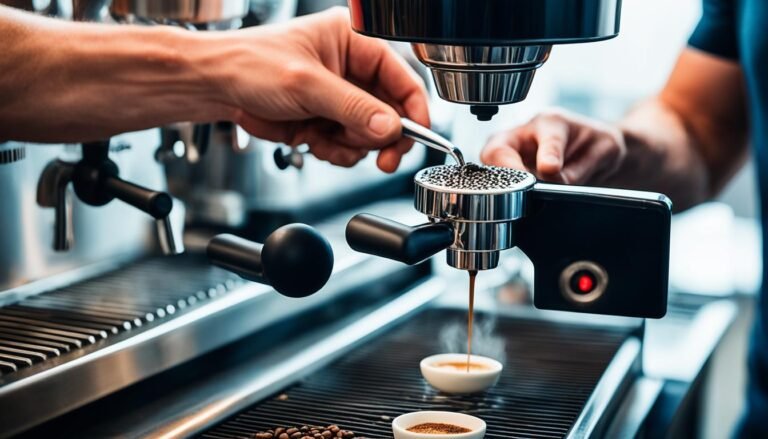
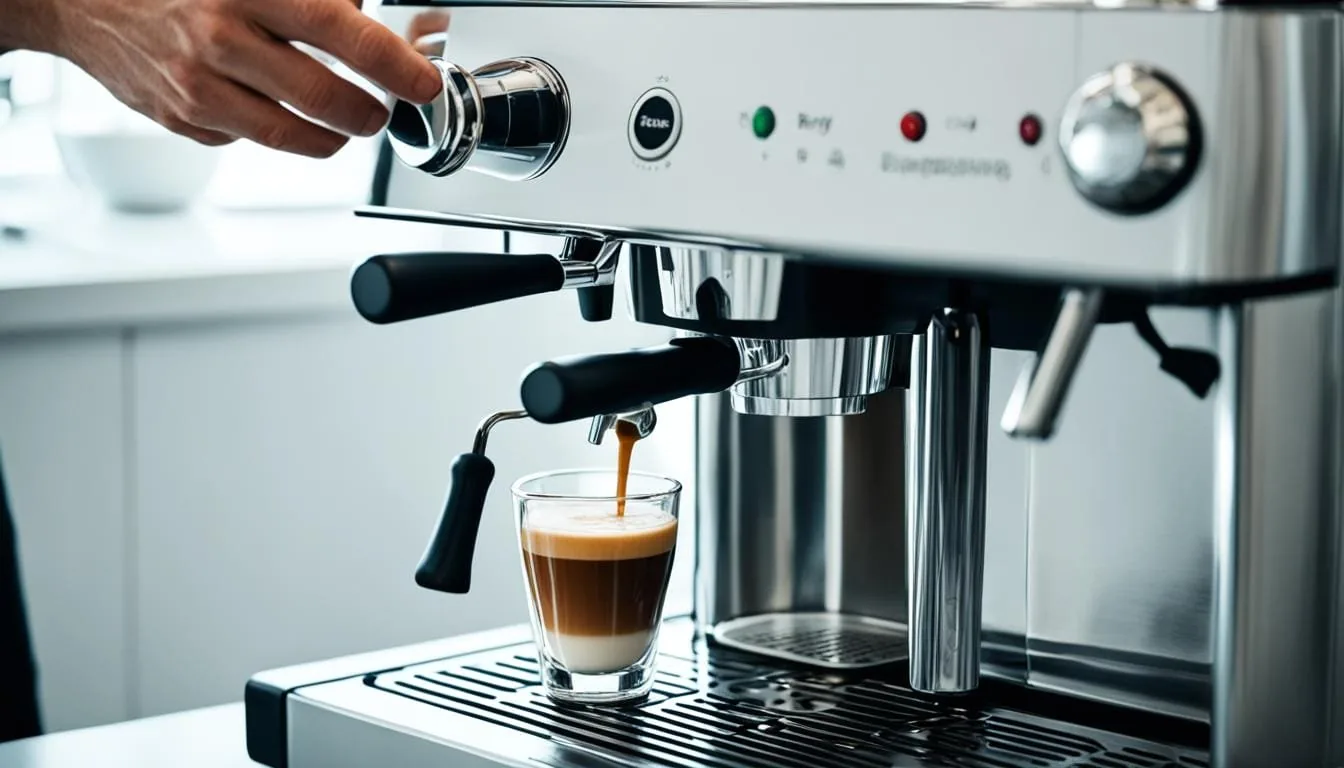
This is the classic home espresso machine: a portafilter that locks into a group head, a pump that builds pressure, a boiler or thermoblock that heats the water, and a steam wand for milk. “Semi” means the machine handles pressure and temperature while you handle everything else. You grind, weigh, distribute and tamp the coffee, start the shot and stop it.
That control is the reason to buy one and the reason some owners give up in the first month. The shot responds to every variable, so a small change in grind or dose shows up in the cup. Single boiler machines make you wait between pulling a shot and steaming milk; heat exchanger and dual boiler machines let you do both back to back, a big help if you make two cappuccinos every morning. Our best espresso machine for beginners guide covers the models that forgive early mistakes. One compact example is the Breville Bambino Plus, a small semi-automatic with a steam wand for milk drinks.
Super-automatic espresso machine
A super-automatic puts a burr grinder, a brew unit and often an automatic milk system inside one box. You fill the bean hopper and the water tank, press a button, and the machine grinds, doses, tamps and brews on its own. The trade is control. You choose from a few grind and strength settings instead of adjusting the grind by feel, and the shot tends to be lighter in body than a well dialed shot from a semi-automatic.
The ownership question is cleaning. Brew groups need rinsing, milk systems need daily attention, and the machines that make cleaning easy are the ones people keep using. Before you buy, read our guide to the best super automatic espresso machine, which starts with the cleaning specs.
Manual lever espresso machine
The Flair is the best known example. Flair says its Classic press builds between 6 and 9 bar using nothing but your arm on a lever: no plug, no pump, no electronics. It takes up to 18 grams of coffee, you pour about 60 ml of water from a kettle into the brew chamber, and the shot comes out at up to 45 ml. The press stand and brewing head carry a three year warranty, and the build is cast aluminum and stainless steel.
This is the cheapest path to true espresso, with two catches. You need a kettle and a grinder that can go fine enough for espresso, and there is no steam wand, so milk drinks need a separate frother. It also makes one shot at a time with a preheating step, which suits a slow Saturday better than a rushed Tuesday.
Capsule espresso machine
Nespresso runs two systems. Its Original line uses what the company describes as a high pressure 19 bar extraction system, which puts it in espresso territory on the pressure question. The Vertuo line uses a method Nespresso calls Centrifusion: the machine recognizes each capsule and spins it to brew, adjusting the parameters for that capsule. Vertuo covers short espressos and large mugs alike, but if a classic shot is the goal, the Original line is the closer match.
What you give up is choice. The grind, dose and roast are sealed in the capsule, so you cannot adjust a shot that tastes flat. Capsules also cost more per cup than whole beans. What you get is the same result every day with no grinder, no scale and nothing to sweep off the counter. Our best Nespresso machine guide compares the Vertuo and Original lines model by model.
Moka pot (stovetop espresso maker)
Alfonso Bialetti and his son Renato popularized the stovetop moka pot from 1933. Water in the bottom chamber boils, steam pressure pushes it up through a basket of ground coffee, and the coffee collects in the top chamber. A 2009 study by Navarini and colleagues measured moka extraction at roughly 1 to 2 bar, which is a fraction of espresso pressure. They also named the final sputtering stage the strombolian phase, after the volcano, and that stage is where moka coffee turns harsh and burnt.
The result is strong, full bodied coffee that stands up to milk and sugar. It is not espresso, and it does not need to be. Our moka pot guide walks through the nine steps that prevent the bitter finish. If you want the original design, the Bialetti Moka Express in the 6-cup size is the aluminum stovetop pot Bialetti still makes.
AeroPress with a valve cap
A standard AeroPress makes a clean, concentrated cup with gentle hand pressure. Valve caps change the behavior. The Fellow Prismo swaps the stock cap for a pressure actuated valve and a reusable 70 micron stainless steel filter, and Fellow lists 1 to 2 bar for it while stating plainly that it will not replicate the 9 bars of an espresso machine. AeroPress makes its own Flow Control Filter Cap with a pressure actuated valve that stays shut until you press, which stops drip-through and gives what AeroPress calls an espresso-style concentrate. It fits the standard size AeroPress models, not the XL.
Either cap gives you a short, strong shot for an Americano or a small latte, made at a desk or a campsite. Our AeroPress guide covers the grind sizes and the inverted method.
Manual vs Automatic Espresso Machine: Who Controls Each Step
The label on an espresso machine box tells you one thing: how many steps the machine takes off your hands. That is the cleanest way to sort the types of espresso machines, and it explains the price gaps better than any spec sheet.
| Step | Manual lever | Semi-automatic | Automatic | Super-automatic |
|---|---|---|---|---|
| Grind the beans | You, on a separate grinder | You, on a separate grinder | You, on a separate grinder | The machine |
| Dose and tamp | You | You | You | The machine |
| Build the pressure | Your arm | The pump | The pump | The pump |
| Stop the shot | You | You | The machine, at a set volume | The machine |
| Steam the milk | A separate frother | You, with a steam wand | You, with a steam wand | A wand or an automatic milk system |
Automatic is the type most guides skip. It is a semi-automatic with a flowmeter that stops the shot at a programmed volume, so you still grind and tamp but you no longer hover over the button. Plenty of machines sold as semi-automatic include a programmable shot button that does the same job. On a semi-automatic that button is optional. On an automatic it is the whole point.
The more steps a machine owns, the less you can rescue a shot that tastes off, and the more you rely on the factory settings. Manual and semi-automatic types reward people who like adjusting. Automatic and super-automatic types reward people who want the same drink every morning without thinking about it.
Inside the Pump Machines: Four Ways to Heat the Water
Semi-automatic and automatic machines split again by how they heat water, and this is the spec that decides whether you can make two cappuccinos back to back. Espresso wants brew water a little under boiling. Steaming milk wants steam well above it. One heater cannot sit at both temperatures at once, so manufacturers solve the problem four ways.
- Thermoblock or thermocoil. Water runs through a heated metal block on its way to the coffee. It heats up fast and keeps the machine small and affordable, and Breville’s ThermoJet system in the Bambino line is one version of the idea. Moving from brewing to steaming means a short wait while the heater changes temperature.
- Single boiler. One boiler does both jobs. You pull the shot, flip the steam switch, wait for the boiler to climb, then steam. The Gaggia Classic Pro and the Rancilio Silvia are the well known examples. Fine for one milk drink, slow for two.
- Heat exchanger. A large boiler stays at steam temperature, and a tube carries fresh brew water through it on the way to the group head. You can brew and steam at the same time. Brew water can run hot after the machine sits idle, so many owners run a short cooling flush before the first shot.
- Dual boiler. Separate boilers for brewing and steaming, each held at its own temperature. It is the most stable layout and the most expensive, and it asks for the most counter space and the longest warm-up.
A PID is a small digital controller that holds the brew water at the temperature you set instead of letting it drift. It now shows up across all four heating types, and it is one of the specs worth paying for on a semi-automatic. If your household drinks one latte a day, a thermoblock or single boiler is plenty. If the kitchen runs two milk drinks before 8 a.m., look at heat exchanger and dual boiler machines in our best semi automatic espresso machine guide.
The Grinder Matters More Than the Machine
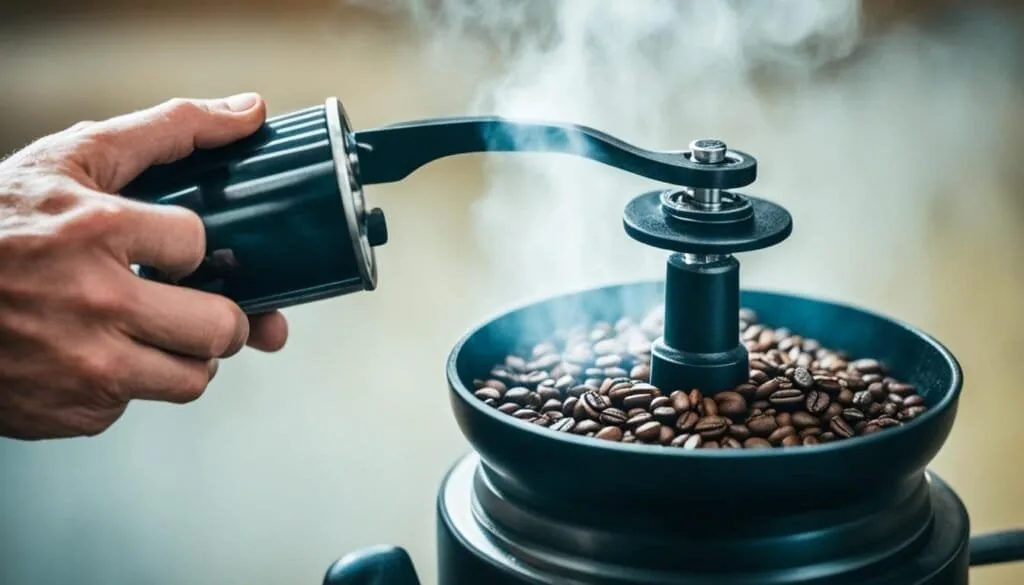
A pump at 9 bar only works when the coffee pushes back. Fine, even grounds pack into a puck that resists the water and gives the shot time to extract. Coarse or uneven grounds let water rush through the gaps, and the shot runs fast, thin and sour. On a semi-automatic or a lever press, a couple of steps on the grinder can move a shot from sour to bitter, so the grinder needs small adjustment steps and burrs that can reach a true espresso fine.
That is why, whichever of the types of espresso machines you choose, we tell people with a fixed budget to buy the grinder first. A capable grinder paired with a modest machine makes better espresso than an expensive machine fed by a weak grinder. Pre-ground coffee is usually ground for drip, which is too coarse, and it goes stale quickly once the bag is open.
One workaround exists. Many entry level machines ship with pressurized, or dual wall, baskets that create the resistance at the basket exit instead of in the puck. They make a passable shot from pre-ground coffee and they hide grind problems. If you plan to upgrade to fresh grinding later, check that the machine also comes with a standard single wall basket. Our best espresso grinder guide explains the one spec that decides your shot.
The moka pot and the AeroPress are far more forgiving. Both want a medium fine grind, a little coarser than espresso, and a decent burr grinder covers them without fuss.

Starter Recipes for Each Type of Espresso Machine
Each recipe below is a starting point. Change one variable at a time, taste, then change the next.
Semi-automatic
Dose 18 grams into a double basket, distribute and tamp level, and aim for about 36 grams of liquid in 25 to 35 seconds. Fast and sour means grind finer. Slow and bitter means grind coarser. Our guide to dialing in espresso shows the full routine, and the espresso ratio guide explains when to break the 1:2 rule.
Super-automatic
Start at the middle grind and strength settings. If the shot tastes thin, move the grind one step finer or raise the strength. Judge after a couple of cups, because grounds from the old setting can still be sitting in the grinder path. Keep the drink size small for espresso; a long pour through one dose tastes watery.
Manual lever press
Preheat the brew chamber with boiled water, dump it, then add up to 18 grams of finely ground coffee. Fill with about 60 ml of just boiled water, seat the plunger and press slowly and steadily. On a model with a gauge, keep the needle between 6 and 9 bar. Stop when you hear a hiss of air.
Capsule machine
Run a blank shot of hot water through the machine first to warm the path and your cup. Use the espresso or ristretto button for espresso capsules; pressing the lungo button on an espresso capsule drags extra water through the same coffee and turns it bitter and thin.
Moka pot
Fill the base with hot water up to just under the safety valve. Fill the basket level with medium fine coffee and do not tamp it. Use medium heat with the lid open. When the stream turns pale and starts to sputter, pull the pot off the heat and cool the base under the tap to stop the brew before the strombolian phase.
AeroPress with a valve cap
Use a fine grind, a small amount of water just off the boil, and a short steep of about a minute. Press slowly and firmly. AeroPress says a dark roast and a paper filter inside the cap give the most crema. Dilute with hot water for an Americano or pour over steamed milk.
Myths and Mistakes That Ruin Home Espresso
- “More bar means better espresso.” A 15 or 19 bar label is the pump’s rating. The extraction target is still about 9 bar, which is the figure the Italian certification uses.
- “Thick crema means a great shot.” Crema shows freshness and pressure. Taste decides quality. Stale beans make thin crema, and sour shots can still look gorgeous.
- “Moka pot coffee is espresso.” At roughly 1 to 2 bar it is a different brew. Enjoy it for what it is.
- “You need espresso roast beans.” “Espresso roast” is a roaster’s suggestion, not a requirement. Any fresh roast can work; lighter roasts usually need a finer grind and a longer ratio.
- “Tamp as hard as you can.” A level, consistent tamp beats brute force every time. Uneven pucks cause channeling, where water finds a crack and skips the rest of the coffee.
- Buying the machine first. The most common budget mistake. The grinder sets the ceiling for every shot.
- Starting a moka pot with cold water. The coffee sits on the heat longer and starts to cook. Start with hot water.
What Each Type of Espresso Machine Costs to Own
List prices change often across all the types of espresso machines, so check the current price on any model you shortlist. The bigger costs to plan for sit around the machine rather than in it.
A semi-automatic setup needs a grinder, and for many people the grinder ends up costing as much as the machine. Add a small scale, a good tamper and descaling supplies, plus gaskets and shower screens every year or two depending on use. A super-automatic folds the grinder into the price and adds cleaning tablets and water filters. A manual lever press costs the least of the true espresso routes, though the hand grinder it needs is part of the bill. Capsule machines are cheap to start and cost the most per cup over time. The moka pot and the AeroPress are the least expensive tools in this guide by a wide margin.
For machine reviews, grinder matchups and more brewing walkthroughs, browse the Coffee Rank IQ espresso guides.
As an Amazon Associate, Coffee Rank IQ earns from qualifying purchases.
The Verdict: Which Type of Espresso Machine to Buy
Of all the types of espresso machines, the one we recommend for people who drink milk drinks most days is a semi-automatic with a capable grinder. It makes true espresso, it steams milk, and it improves as you learn it. If you only drink straight shots and the budget is tight, a manual lever press with a good hand grinder gets you the same 9 bar shot for far less money and almost no counter space. If you want the drink and not the hobby, buy a capsule machine or a super-automatic and enjoy the extra ten minutes. And if strong coffee is the goal rather than espresso by definition, a moka pot or an AeroPress with a valve cap will make you very happy for very little money.
Ready for the hands-on technique? Our step by step guide on how to make espresso at home with dose, grind, tamp and time picks up where this page ends, and our walkthrough of how to make espresso without a machine covers the no-plug routes in more detail.
Types of Espresso Machines: Common Questions
Keep reading
- How to Make Espresso at Home: Dose, Grind, Tamp, Time
- How to Make Espresso Without a Machine: 4 Methods
- Best Espresso Machine for Beginners
- Best Semi Automatic Espresso Machine for Real Home Kitchens
- Best Super Automatic Espresso Machine: Read the Cleaning Specs First
- Best Espresso Grinder: The Spec That Decides Your Shot
- How to Use a Moka Pot Without the Bitter Finish
Start from the Coffee Rank IQ homepage for more guides.
Types of Espresso Machines: The Short Version
Five types of espresso machines reach the roughly 9 bar that real espresso needs: manual lever, semi-automatic, automatic, super-automatic and capsule. Moka pots and AeroPress valve caps make strong espresso-style coffee for less. Match the type to your mornings, check the heating system if you make milk drinks back to back, then buy the grinder before you upgrade anything else.