Coffee Grind Size Chart: Settings for Every Brew Method
Imagine yourself waking up in the morning to the irresistible aroma of freshly ground coffee beans, filling your senses and signaling the start of a new day. Now, envision being able to replicate that experience every single time you brew your own cup of joe. In this article, we will explore the best techniques to develop your coffee grinding skills, ensuring that you can create the perfect grind size for your preferred brewing method. From understanding the importance of grind consistency to mastering the art of adjusting grind settings, this guide will equip you with the knowledge and expertise to improve your coffee game to new heights. Get ready to start a deliciously creative routine to becoming a master coffee grinder.
Coffee grind size chart, in short: Coffee grind size runs from powder fine for Turkish coffee to fine for espresso, medium fine for AeroPress and pour over, medium for drip machines, and coarse for French press and cold brew. As a starting point, Baratza’s Encore manual suggests setting 8 for espresso, 15 for a Hario V60, 18 for drip, and 28 for French press.
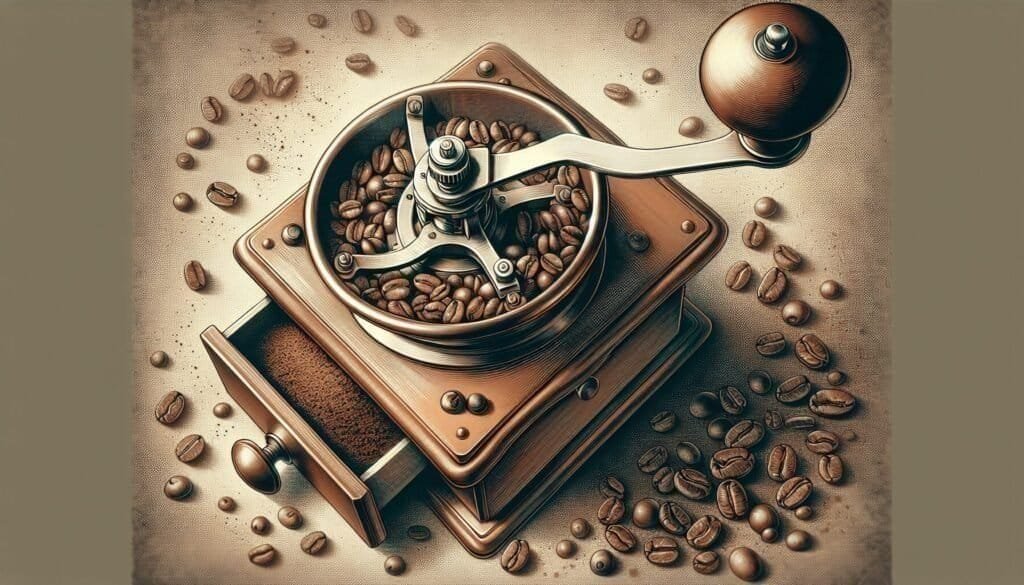
Understanding Different Types of Grinders
Blade grinders
Blade grinders are the most common type of grinders found in households. They consist of a spinning blade that chops the coffee beans into small pieces. While blade grinders are convenient and affordable, they tend to produce uneven grinds. This inconsistency can affect the taste of your coffee and lead to over or under-extraction. But, blade grinders can still be a good option for those on a budget or who are just starting their coffee grinding routine.
Burr grinders
Burr grinders are considered to be the gold standard for grinding coffee beans. They feature two abrasive surfaces, known as burrs, that crush the beans into consistent and uniform particles. This ensures that each coffee particle is of similar size, resulting in a more even extraction and a better-tasting cup of coffee. Burr grinders are available in both manual and electric variants, making them suitable for all levels of coffee enthusiasts.
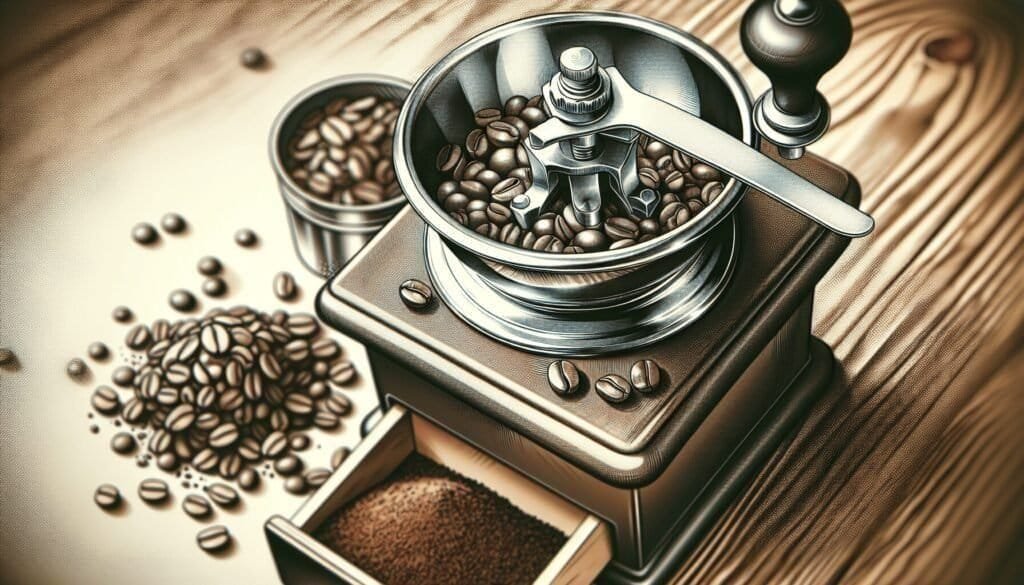
Manual grinders
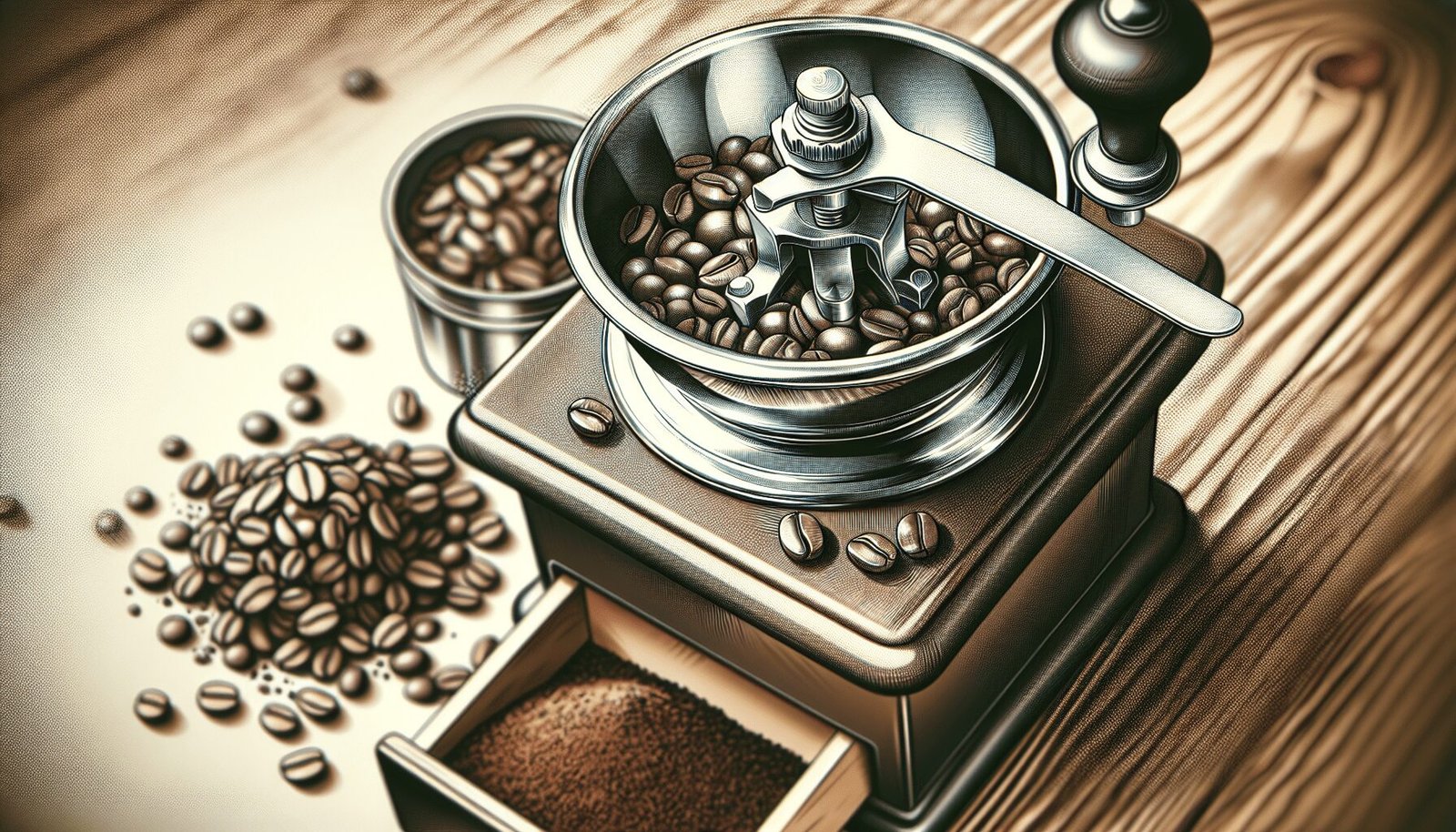
Manual grinders are a popular choice for coffee fans who value the process of grinding their beans by hand. These grinders often feature high-quality burrs and offer precise control over grind size. They require physical effort to operate, but many find the ritual of grinding the beans manually to be a meditative and rewarding experience. Manual grinders are also portable and can be taken on camping trips or other outdoor adventures.
Electric grinders
Electric grinders are the epitome of convenience and efficiency. They feature powerful motors that make quick work of grinding coffee beans. Electric grinders typically have adjustable settings, allowing you to easily switch between different grind sizes. They are perfect for those who want a hassle-free grinding experience and prioritize speed and convenience. Electric grinders vary in price and features, with options available for every budget and level of expertise.
Knowledge of the Coffee Beans
Arabica and Robusta
Arabica and Robusta are the two main species of coffee beans. Arabica beans are known for their delicate flavors and pleasant acidity. They are often favored by specialty coffee enthusiasts and are typically more expensive than Robusta beans. On the other hand, Robusta beans are known for their bold and solid flavors. They contain a higher amount of caffeine and are often used in blends or for making espresso. Understanding the differences between Arabica and Robusta can help you choose the right beans for your desired flavor profile.
Light, medium, and dark roast beans
Coffee beans are commonly categorized into three roast levels: light, medium, and dark. Light roast beans are lightly browned and retain more of their natural flavors and acidity. They often have a brighter and more complex taste profile. Medium roast beans have a balanced flavor profile with a slightly richer taste and slightly less acidity. Dark roast beans are roasted for a longer period, resulting in a deeper, bolder flavor and lower acidity. Each roast level offers a unique sensory experience, and experimenting with different roast levels can help you discover your preferred flavor profile.
Effects of origin on coffee bean characteristics
The origin of the coffee beans plays a significant role in determining their characteristics. Coffee is predominantly grown in countries near the equator, such as Brazil, Colombia, Ethiopia, and Guatemala. Each region has unique soil composition, climate, and altitude, which directly impact the flavors that develop in the beans. For example, beans from Ethiopia are known for their fruity and floral notes, while Brazilian beans often exhibit nutty and chocolatey flavors. Exploring beans from different origins allows you to discover a wide range of flavors and expand your coffee tasting repertoire.
Learning About Grind Sizes and Brewing Methods
Coarse grind
A coarse grind consists of large coffee particles that resemble sea salt or breadcrumbs. This grind size is commonly used for brewing methods like French press and cold brew coffee. The larger particles ensure a slower extraction process, resulting in a rich and full-bodied cup of coffee without excessive bitterness.
Medium grind
A medium grind is similar in size to granulated sugar. It is often used for brewing methods like drip coffee and pour over. This grind size allows for a balanced extraction, capturing both the acidity and the body of the coffee. It strikes a good balance between the fast extraction of finer grinds and the slow extraction of coarser grinds.
Fine grind
A fine grind consists of smaller particles, similar to table salt or sand. This grind size is commonly used for brewing methods like espresso. The smaller particles enable a quicker extraction, producing a concentrated and intense flavor. But, it is essential to ensure that the fine grind is not too fine, as it can result in over-extraction and a bitter taste.
Extra fine grind
An extra fine grind is even smaller than a fine grind and resembles powdered sugar or flour. This grind size is primarily used for brewing methods like Turkish coffee. The fine powder allows for a rapid extraction and creates a thick and strong cup of coffee. It is key to master the technique and equipment required for brewing with an extra fine grind, as it can be challenging to achieve the desired flavor without any sediment.
Choosing the correct grind size for your brewing method
Selecting the correct grind size for your brewing method is vital in achieving a delicious cup of coffee. Using the wrong grind size can lead to under-extraction or over-extraction, resulting in a weak or bitter taste. Refer to the brewing method’s specific guidelines to determine the recommended grind size. But, don’t be afraid to experiment and adjust the grind size according to your personal taste preferences. The grind size has a significant impact on the final flavor, so take the time to find the perfect balance for your brewing method and desired taste.
Mastering Your Grinder’s Settings
Understanding your grinder’s features
Before you can master your grinder’s settings, it is key to understand its features. Familiarize yourself with the different parts of your grinder, such as the hopper, burrs, and grind size adjustment dial. Take note of any additional features your grinder may have, such as programmable timers or dose control. Understanding how these features work together will enable you to make precise adjustments according to your desired grind size and brewing method.
Calibrating your grinder
Calibrating your grinder is an essential step in achieving a consistent and precise grind. Follow the manufacturer’s instructions for your specific grinder model to calibrate the burrs properly. Calibration ensures that the burrs are aligned correctly, resulting in an even grind size distribution. Regularly checking and adjusting the calibration of your grinder will help maintain its performance and improve the quality of your coffee extractions.
Making adjustments for different types of beans
different types of beans may require slight adjustments to your grinder’s settings. Factors such as bean density and oiliness can affect the optimal grind size for extraction. Experiment with small adjustments to the grind size when using a new batch of beans. Observe the extraction time and taste of the coffee to determine if any further adjustments are necessary. With practice, you will develop a better understanding of how different beans interact with your grinder and be able to dial in the perfect grind for each batch.
Keeping Your Grinder Clean
Importance of regular cleaning
regularly cleaning your grinder is key for maintaining its performance and prolonging its lifespan. Coffee beans contain oils that can build up over time and cause the grinder’s burrs to become dull or clogged. This buildup can affect the grind consistency, resulting in an uneven extraction. Also, stale coffee particles left in the grinder can affect the taste of your coffee. By regularly cleaning your grinder, you can ensure that each cup of coffee is fresh, flavorful, and brewed to perfection.
Cleaning tools and materials
To effectively clean your grinder, you will need some specific tools and materials. A small brush with soft bristles is ideal for removing coffee particles from the burrs and other hard-to-reach areas. Also, a vacuum cleaner or compressed air can be used to remove larger debris. You may also need some food-safe cleaning solution or grinder-specific cleaning tablets to thoroughly clean the burrs. Check your grinder’s manual or manufacturer’s recommendations for the best cleaning methods and materials.
Step-by-step cleaning process
- Start by unplugging or powering off your grinder to ensure safety.
- Remove the hopper and any removable parts, such as the upper burr, that may have coffee residue.
- Use a brush or vacuum cleaner to remove any loose coffee grounds and debris from the hopper and the burrs.
- Refer to your grinder’s instructions for the recommended cleaning solution or cleaning tablets.
- Reinstall the burrs and hopper, then pour the cleaning tablets into the empty hopper.
- Plug the grinder back in and grind the tablets through at a medium setting. Urnex’s home directions for Grindz call for one 35 gram packet, followed by about 70 grams of beans ground and discarded to purge the residue.
- Rinse and dry any removable parts that were cleaned separately.
- Do not rinse the burrs. The Baratza Encore manual warns that burrs washed with water will rust, so brush them dry and wash only parts like the hopper and grounds bin.
- Dry all components completely and reassemble the grinder.
- Run a test grind with a small amount of coffee beans to ensure that the grinder is functioning properly and that there are no cleaning residue or odors.
By following these steps regularly, you can maintain a clean and well-functioning grinder, ensuring the best possible coffee grinding experience.
The Impact of Grind Size on Taste
Flavor extraction process
The flavor extraction process occurs when hot water comes into contact with the coffee grounds. The water extracts various compounds, including acids, oils, sugars, and dissolved gases, from the coffee. These compounds contribute to the overall taste and aroma of the brewed coffee. The speed and extent of extraction are influenced by several factors, with grind size being one of the most critical variables.
How grind size affects flavor
Grind size directly impacts the flavor profile of your coffee. Finer grinds expose a larger surface area of the coffee particles to hot water, resulting in a quicker extraction. This can lead to a more pronounced and intense flavor, but it also increases the risk of over-extraction and bitterness. Coarser grinds, on the other hand, require a longer extraction time to fully extract the flavors. This can lead to a milder and less intense cup of coffee. Finding the right balance between grind size and extraction time is key to achieving the desired flavor profile.
Finding your personal perfect grind
Finding your personal perfect grind is a routine of exploration and experimentation. Start by exploring different grind sizes and their corresponding brewing methods. Tasting the coffee at each grind size will help you identify the flavor characteristics that land with your preferences. Pay attention to the body, acidity, and overall balance of the coffee. Take notes and make adjustments accordingly until you find the grind size that produces the perfect cup of coffee for your taste buds. Keep in mind, everyone’s preferences are unique, so what works for others may not necessarily work for you. Trust your palate and enjoy the process of discovering your personal perfect grind.
How to Store Coffee Beans
Factors affecting coffee bean freshness
Proper storage is essential for preserving the freshness and flavor of coffee beans. Several factors can affect the freshness of coffee beans, including exposure to air, moisture, heat, and light. Oxygen, in particular, can cause the coffee beans to oxidize and lose their flavors. Also, moisture can promote the growth of mold and spoil the beans. Heat and light can also accelerate the degradation process, leading to a stale and less flavorful cup of coffee.
Proper coffee bean storage conditions
To maintain the freshness of your coffee beans, store them in an airtight container made of opaque material. This will prevent air, moisture, heat, and light from deteriorating the quality of the beans. Store the container in a cool and dark place, such as a pantry or a cupboard, away from direct sunlight and heat sources. Keep beans out of the refrigerator, where condensation builds up. For longer storage the freezer works if the container is airtight: the National Coffee Association puts frozen roasted beans at 3 to 4 months of freshness, versus 1 to 3 weeks at room temperature.
Grinding coffee for freshness versus convenience
Grinding coffee beans just before brewing provides the freshest and most flavorful cup of coffee. This is because coffee beans contain volatile compounds that start to degrade as soon as they are exposed to air. Grinding the beans releases these compounds, and the longer they are exposed, the more quickly they will deteriorate. Therefore, if you prioritize freshness and flavor, it is best to grind your beans right before brewing. But, if convenience is your primary concern, pre-ground coffee may be a more suitable option. Just ensure that you store the pre-ground coffee properly to minimize flavor loss.
Troubleshooting Grinder Issues
Identifying common issues
Grinders, like any other mechanical device, can encounter issues from time to time. Common issues include clogging, inconsistent grind sizes, and excessive heat during grinding. If you notice any of these issues, it is essential to identify the cause and address it promptly to ensure optimal performance and taste.
How to fix a clogged grinder
A clogged grinder can be caused by several factors, such as coffee oil buildup, excess moisture, or foreign objects. If you encounter a clog, start by unplugging or powering off the grinder for safety. Remove any visible coffee grounds from the burrs and hopper using a brush or vacuum cleaner. If the clog persists, refer to your grinder’s manual for instructions on disassembling and cleaning the internals. Follow the provided guidelines carefully to avoid causing further damage. Once the grinder is clean, reassemble it and run a test grind to ensure that the clog has been cleared.
When to seek professional help
In some cases, grinder issues may require professional help. If you have followed the troubleshooting steps outlined in the manual or tried other recommended solutions but still experience problems, it may be time to contact the manufacturer’s customer support or a professional repair service. They will have the expertise and tools necessary to diagnose and fix any complex issues with your grinder.
Practicing Regularly and Experimenting
The value of consistent practice
Developing your coffee grinding skills requires consistent practice and dedication. Just like any other skill, the more you grind coffee beans, the better you become at it. Practice grinding with different beans, grind sizes, and brewing methods to expand your knowledge and fine-tune your technique. By consistently practicing and refining your skills, you will gradually develop a deep understanding of coffee grinding and be able to consistently produce high-quality coffee.
Experimenting with different beans and grind sizes
Coffee grinding is an art that invites experimentation. Don’t limit yourself to a single type of bean or grind size. Explore different coffee beans from various origins and roast levels. Experiment with different grind sizes to discover how they impact the flavor profile of your coffee. Take notes and observe the changes in taste, aroma, and body with each adjustment. Embrace your creativity and allow yourself to explore the vast world of coffee through your grinder.
Tasting and adjusting for personal preference
Tasting your brewed coffee is an essential part of the coffee grinding process. It allows you to assess the flavors and adjust your techniques accordingly. Pay attention to the nuances of each cup and note any aspects that you enjoy or would like to improve. With each adjustment in bean type, grind size, or brewing method, taste the resulting coffee to evaluate its impact on flavor. Make incremental changes based on personal preference until you achieve a cup of coffee that truly delights your taste buds.
Grinding Coffee for Different Brewing Methods
Best grind for espresso
Espresso requires a fine and consistent grind. The ideal espresso grind is similar to table salt or slightly finer. The fine grind allows for a shorter extraction time, resulting in a concentrated and flavorful shot of espresso. Consistency in grind size is key for even extraction, as any variations can lead to channeling and an imbalanced taste. Dialing in the perfect espresso grind may take some time and experimentation with your specific espresso machine.
Best grind for French press
French press brewing requires a coarse grind that resembles breadcrumbs. The coarse grind allows for a slower extraction process, capturing the full-bodied and rich flavors of the coffee. The larger particles keep most of the grounds behind the metal filter, though a French press always leaves a little silt at the bottom of the cup. Experiment with the steeping time to find the perfect balance between extraction and strength according to your taste preferences.
Best grind for drip coffee
Drip coffee makers typically require a medium grind size, similar to granulated sugar. The medium grind allows for a balanced extraction, capturing both nuances of acidity and body. This grind size ensures that the water passes through the coffee grounds at an optimal rate, resulting in a smooth and well-balanced cup of coffee. Adjust the grind size if you find the coffee tasting too weak or too bitter, and keep experimenting until you find the perfect balance.
Best grind for pour over
Pour over brewing methods, such as the V60 or Chemex, benefit from a medium to fine grind. The grind size should resemble kosher salt or slightly finer. The fine particles allow for a controlled and precise extraction, resulting in a clean and flavorful cup of coffee. The pour-over technique requires careful pouring and timing, working hand in hand with the grind size to achieve the desired flavor profile.
Best grind for cold brew coffee
Cold brew coffee requires a coarse grind, similar to French press. The coarse grind allows for a slow and gentle extraction process over several hours or overnight. This method produces a smooth, mellow, and less acidic cup of coffee. The larger particles prevent bitterness and make the cleanup process easier, as the grounds are contained within the filter or strainer. Experiment with the steeping time and brew ratio to further customize your cold brew experience.
In conclusion, developing your coffee grinding skills is a routine of exploration, experimentation, and practice. By understanding the different types of grinders, the characteristics of coffee beans, the impact of grind size on taste, and proper storage techniques, you can improve your coffee brewing experience. Mastering your grinder’s settings, troubleshooting common issues, and regularly experimenting with different beans and grind sizes will in the end lead you to your personal perfect cup of coffee. So, embrace your creativity, enjoy the process, and savor every moment of your coffee grinding routine. Happy brewing!
Coffee Grind Size Chart by Brew Method
Texture words only get you so far, so this chart adds typical brew times and the starting settings printed in the Baratza Encore manual. Other grinders number their dials differently, so use the Encore column as a relative guide rather than a setting to copy.
| Brew method | Grind | Feels like | Typical brew time | Encore starting setting |
|---|---|---|---|---|
| Turkish coffee | Extra fine | Flour | Heated until it foams, a few minutes | Not listed |
| Espresso | Fine | Fine sand to powdered sugar | 25 to 30 seconds | 8 |
| Moka pot | Fine to medium fine | Slightly coarser than espresso | Until it gurgles, a few minutes | Not listed |
| AeroPress | Medium fine | Table salt | 1 to 2 minutes | 12 |
| Hario V60 | Medium fine | Table salt | 2.5 to 3.5 minutes | 15 |
| Drip machine | Medium | Beach sand | 4 to 6 minutes | 18 |
| Chemex | Medium coarse | Kosher salt | 4 to 5 minutes | 20 |
| French press | Coarse | Breadcrumbs or sea salt | 4 minutes | 28 |
| Cold brew | Extra coarse | Cracked peppercorns | 12 to 24 hours | Not listed |
How to Tell Your Grind Is Off
- Sour, weak, or thin: the grind is too coarse for the brew time. Go one or two steps finer.
- Bitter, harsh, or drying: the grind is too fine. Go coarser.
- Pour over drains slowly and tastes muddy: the grind is too fine, or the grinder is making a lot of dust-sized fines. Go coarser first.
- Heavy silt in a French press: the grind is too fine for the mesh. Coarsen it, and let the cup settle for a minute before drinking.
For the timing side of the French press row, our French press steep time guide goes past the usual 4 minute rule.
FAQ
What grind size is best for espresso?
Espresso needs a fine grind, somewhere between fine sand and powdered sugar, with the exact setting found by shot time and taste. Small changes move the shot by seconds, which is why dedicated espresso grinders adjust in finer steps than all-purpose models. Our best espresso grinder guide compares them.
Can you wash burr grinder burrs with water?
No, keep water off steel burrs and clean them with a dry brush. The Baratza Encore manual warns: “Do NOT wash the burrs with water, or they will rust.” For oily buildup, grinder cleaning tablets do the job dry; see the cleaning steps above for how to use them and purge the residue.
Is a burr grinder worth it over a blade grinder?
Yes, if you brew anything beyond basic drip, a burr grinder is worth it because it makes far more even particles. A blade grinder chops beans into a mix of dust and chunks, so the same cup under-extracts and over-extracts at once. Our best coffee grinder guide ranks picks by brew method and budget, and the Coffee Rank IQ homepage has the brewers to match.
Keep Exploring Coffee Rank IQ
- Coffee Rank IQ home: reviews, brewing guides, and coffee science
- Best Coffee Grinder for Every Brew Method and Budget
- Best Ways To Customize Temperature Settings On The Behmor Brazen Plus Coffee Maker And Improve Your Brewing Experience By Controlling The Extraction Process For A Perfect Cup Of Coffee Every Time
- Top Ways To Grind Coffee Beans For A Perfect Brew
- Best Cold Brew Coffee Maker: 6 Picks for Smooth Batches at Home