Best Decaf Coffee That Still Tastes Like Coffee
Quick Answer
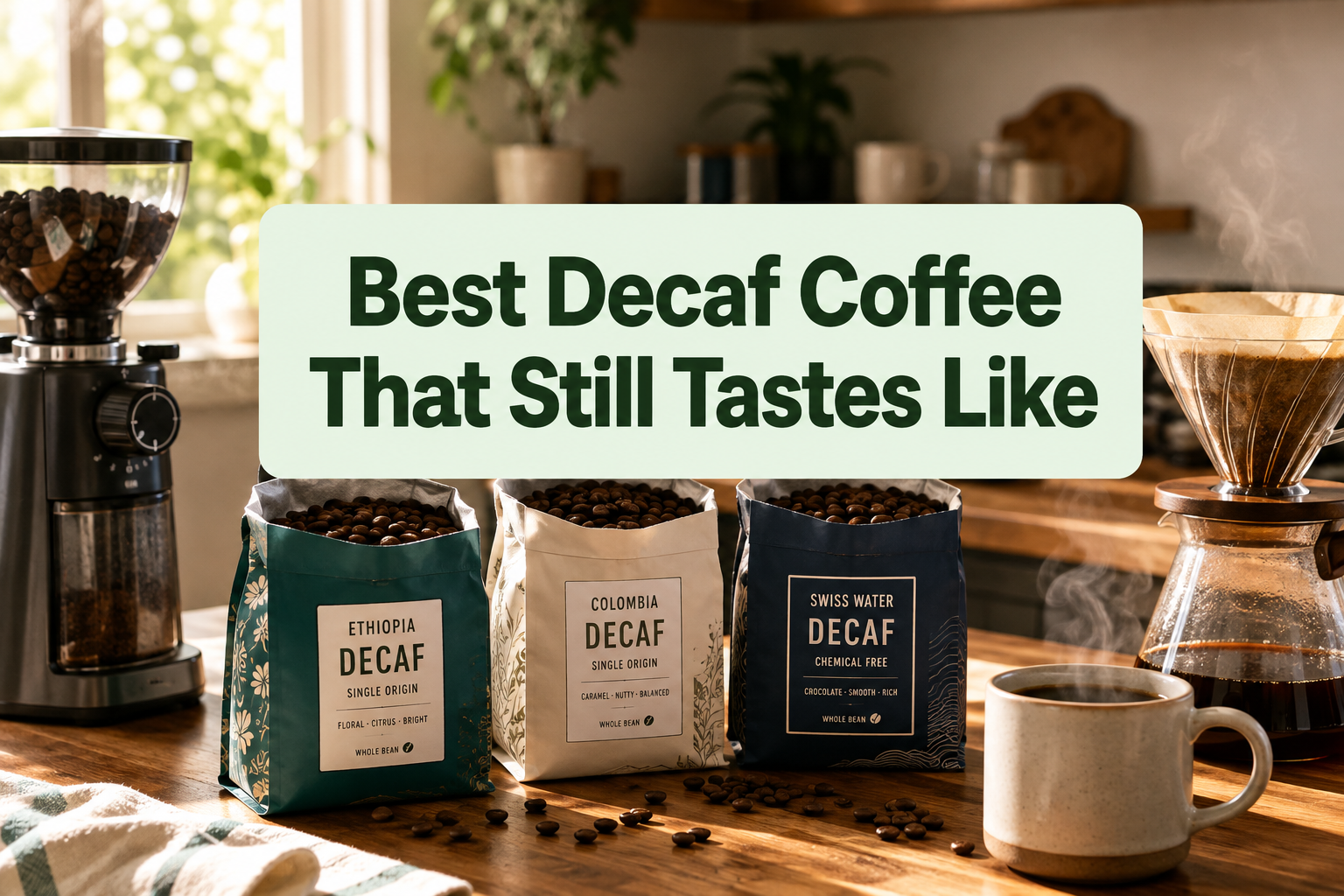
The best decaf coffee in 2026 comes from roasters who treat decaffeinated beans the same way they treat their flagship caffeinated lots: fresh roast dates, careful sourcing, and a gentle decaf method like Swiss Water or sugarcane processing. Peet's Decaf Major Dickason's Blend and Counter Culture's Slow Motion Decaf lead most barista roundups for drip and pour over, while Intelligentsia's Decaf Black Cat is the top pick for espresso. Skip anything that has sat on a shelf for months. Staleness, not the missing caffeine, is what makes most decaf taste flat.
Key Takeaways
- The best decaf coffee now competes with regular coffee on flavor because Swiss Water and sugarcane (EA) methods keep roughly 90 to 95 percent of the original flavor compounds intact.
- Freshness matters more than caffeine content. A fresh, well roasted decaf beats a stale regular coffee almost every time.
- A 16 ounce cup of decaf typically holds 12 to 13.4 mg of caffeine, versus 150 to 330 mg in a comparable regular cup, so decaf is very low caffeine, not zero.
- Best decaf coffee beans for pour over and drip: Peet's Major Dickason's Decaf, Counter Culture Slow Motion Decaf, and single origin decaf from Onyx or Equator.
- Best decaf coffee for espresso machines: Intelligentsia Decaf Black Cat for premium buyers, Lavazza Dek for value, and Kicking Horse Decaf Dark Roast for an everyday all rounder.
- Bitter decaf usually traces back to old beans, over extraction, or too fine a grind, not the decaf process itself.
- Decaf works fine in a french press, a Chemex, a Moka pot, or a drip machine. No brewing method is off limits.
- Specialty grade decaf now sells for around $1.99 per ounce at the high end, putting it close to premium caffeinated beans.
Best decaf coffee: quick picks for every buyer
The best decaf coffee depends on how you brew and why you are cutting caffeine, so the right bag for a French press drinker is not the right bag for an espresso machine owner. Below are direct picks for the buyers who search this topic most often, based on 2026 roundups from barista led publications and specialty reviewers.
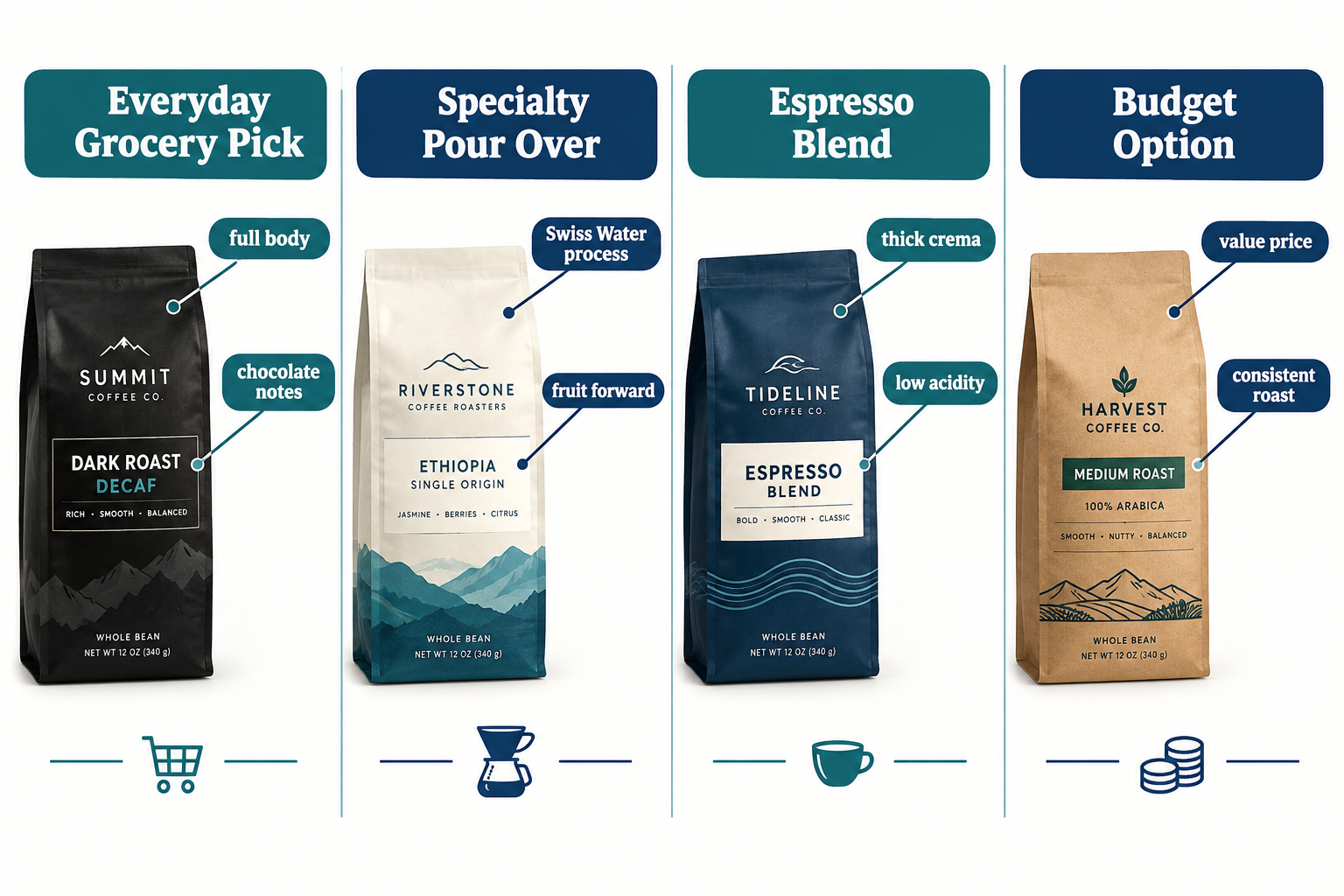
Here is who each pick suits:
- New to decaf and want something familiar: Peet's Decaf Major Dickason's Blend. It is a dark roast built to taste close to Peet's regular Major Dickason's, with the same chocolate weight barista reviews consistently mention.
- Pour over and drip fans who care about origin: Counter Culture Slow Motion Decaf or a single origin decaf from Onyx or Equator, roasted the same way as their caffeinated lots.
- Espresso machine owners: Intelligentsia Decaf Black Cat Espresso for a premium, crema forward shot, or Lavazza Dek if you want a reliable budget bag.
- All purpose home brewer who wants one bag for everything: Kicking Horse Decaf Dark Roast, which reviewers rate as versatile enough for both straight shots and milk drinks.
- Sensitive stomach or acid reflux concerns: A darker roast decaf, since dark roasting lowers measurable acidity regardless of decaf status.
- Organic and gentle processing priority: Look for a bag that pairs USDA organic certification with a Swiss Water or CO2 label; several 2026 specialty reviews now group recommendations this way.
| Pick | Best for | Roast style | Watch for |
|---|---|---|---|
| Peet’s Decaf Major Dickason’s | Drip, everyday drinkers | Dark | Widely stocked, buy the freshest bag on the shelf |
| Counter Culture Slow Motion Decaf | Pour over, specialty drinkers | Medium | Ships fresh, best used within a few weeks |
| Intelligentsia Decaf Black Cat | Espresso machines | Medium dark | Priced like premium espresso beans |
| Lavazza Dek | Budget espresso | Medium | Less origin detail on the bag |
| Kicking Horse Decaf Dark Roast | One bag for everything | Dark | Bold roast, less suited to light and bright preferences |
| Onyx or Equator single origin decaf | Origin focused specialty drinkers | Light to medium | Higher price, smaller batch availability |
Skip the espresso picks if you only own a drip machine. Skip the dark roast picks if you already know you prefer light, fruit forward cups. The best decaf coffee for your kitchen is the one matched to your actual brewer, not just the bag with the best headline.
What makes decaf coffee taste better
Decaf tastes better when the beans are fresh, the decaf method is gentle, and the roast is chosen to fit the coffee's remaining sugars. None of that is unique to decaf. It is the same list that improves any coffee.
Three factors do most of the work:
- Roast date. Decaf beans lose aroma faster than regular beans because the decaffeination process opens up the bean's cell structure. A decaf roasted six months ago will taste flatter than one roasted six weeks ago, even from the same farm.
- Decaf method. Swiss Water and sugarcane (EA) processing preserve roughly 90 to 95 percent of a coffee's flavor compounds, according to industry analysis of these two methods. Older solvent based methods can strip more delicate aromatics.
- Roast level matched to the bean. A dark roast covers small flavor gaps well. A light roast decaf needs a bean with enough natural sweetness to carry the cup on its own, which is why many light roast decafs are single origin lots chosen for high cupping scores.
Choose a fresh, gently processed, well matched roast and decaf stops needing an apology.
How is decaf coffee made
Decaf coffee is made by removing caffeine from green, unroasted beans before they are shipped and roasted, using water, a solvent, or carbon dioxide to pull the caffeine out while trying to leave flavor compounds behind. The roasting itself happens exactly like any other coffee, after decaffeination is finished.
The main methods used in 2026:
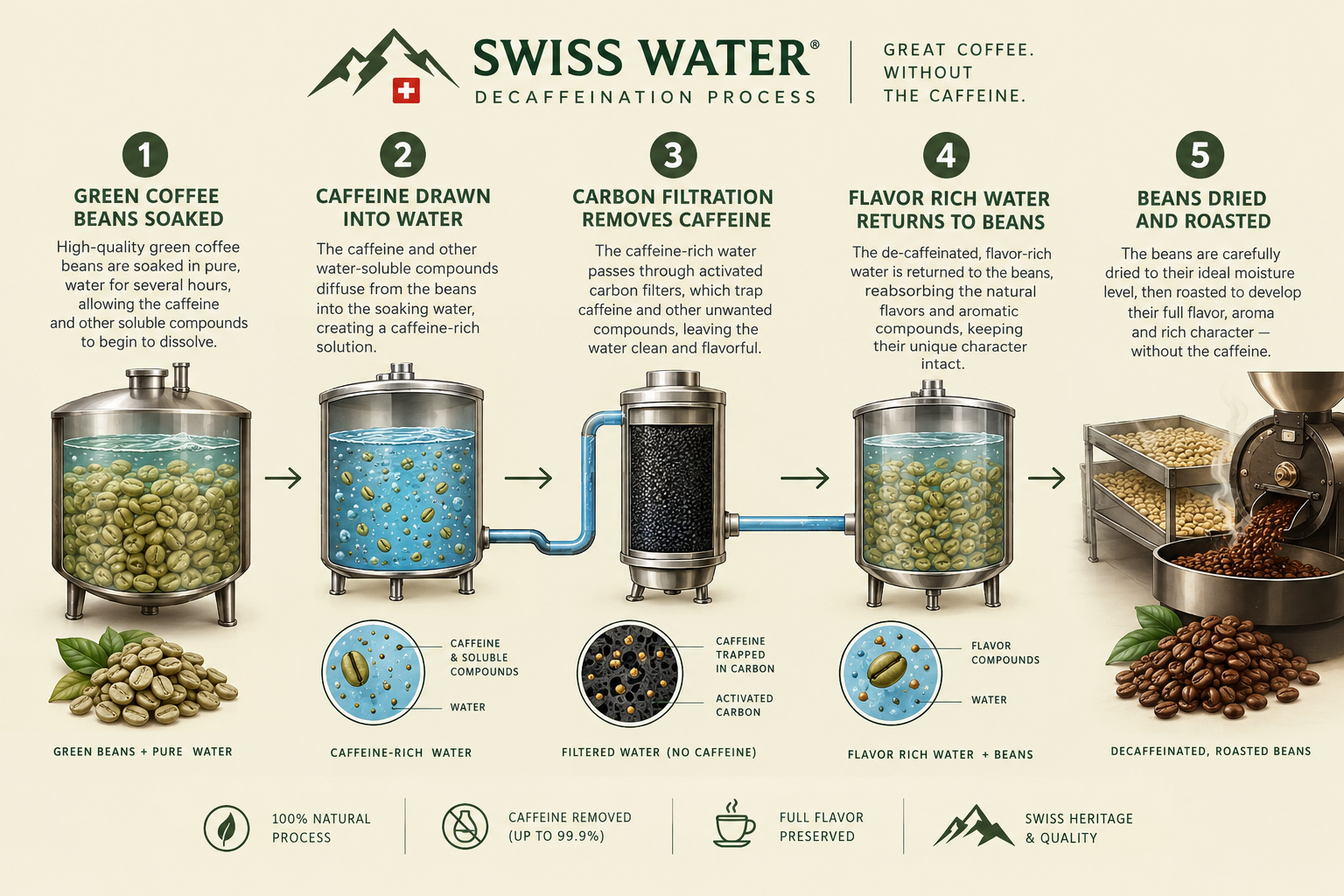
- Swiss Water Process. Green beans soak in a caffeine free water solution that already carries the coffee's flavor compounds. Caffeine moves out of the beans and into the water by pressure, then the water passes through a carbon filter that traps caffeine molecules while flavor compounds stay in solution and return to the beans. It is a licensed, trademarked process, so bags using it usually carry the Swiss Water logo.
- Sugarcane (EA) decaf. A similar water based approach using ethyl acetate derived from fermented sugarcane to help pull caffeine out. Reviewers report it as one of the more flavor preserving options available.
- CO2 process. Pressurized carbon dioxide acts as the solvent, then the caffeine is separated and the CO2 is reused. Some of the highest scoring specialty decaf lots in 2026 use this method.
This is the direct answer to how caffeine is removed from decaf coffee: green beans are exposed to water, a solvent, or CO2 under controlled conditions until caffeine diffuses out, and the beans are then dried, sorted, and roasted like any other batch.
If you want more background on how bean origin and processing shape flavor before caffeine even enters the picture, our guide on which beans are best for coffee covers the same variables that matter here.
Best decaf coffee brands ranked
Ranked by how closely each brand's decaf matches its own regular coffee in barista and specialty reviews, the order for 2026 runs: Peet's, Counter Culture, Onyx and Equator, Intelligentsia, then Kicking Horse and Lavazza for espresso specific needs.
1. Peet's Decaf Major Dickason's Blend. Barista roundups repeatedly name this the closest decaf match to a brand's own flagship blend, with the same full body and chocolate sweetness Peet's is known for. It suits drip machine owners who already like dark roast.
2. Counter Culture Slow Motion Decaf. A specialty roaster's decaf treated with the same sourcing standards as its caffeinated line. Good for pour over drinkers who want a medium roast with more clarity than a typical grocery store decaf.
3. Onyx and Equator decaf blends. Both roasters apply the same sourcing and roast profiles to decaf that they use on mainline coffees, and reviewers focused specifically on "still tastes like coffee" decaf name these as standouts. Best for readers who already buy specialty single origin coffee and do not want to compromise when switching to decaf.
4. Intelligentsia Decaf Black Cat Espresso. Built specifically for espresso, marketed as a solvent free blend designed to behave like a full caffeine shot in body and crema. The strongest named pick for espresso machine owners who want real crema.
5. Kicking Horse Decaf Dark Roast. Reviewers call it the most versatile decaf espresso bean, suitable for straight shots and milk drinks with a flavor close to a regular dark roast espresso. A sensible single bag choice for a household that drinks both straight coffee and lattes.
6. Lavazza Dek. Named the best budget espresso option in multiple 2026 rankings. It will not match the depth of Intelligentsia's decaf, but it is a fair everyday shot for the price.
Who should skip this list entirely: anyone who wants instant decaf, since none of these brands lead in that category, and readers who mainly buy K-cups, which deserve their own buying criteria below.
Decaf coffee vs regular coffee taste comparison
The honest comparison in 2026 is closer than most people expect: fresh, well processed decaf from a specialty roaster can taste nearly identical to its caffeinated counterpart, while stale decaf from either category will taste flat regardless of caffeine content.
What actually changes between decaf and regular versions of the same bean:
- Body. Some decaf methods soften body slightly because the bean structure opens during processing. Dark roasting usually covers this.
- Brightness. Light roast decaf can lose a touch of the sharp acidity that makes some light roasts taste lively. This is more noticeable in citrus and floral lots than chocolate and nut forward ones.
- Sweetness. Well processed decaf, especially Swiss Water and sugarcane EA lots, keeps sugar derived sweetness close to the original.
A useful decision rule: if you already prefer dark, chocolatey, low acid coffee, decaf will feel almost indistinguishable. If you live for bright, floral light roasts, expect a small but noticeable shift toward the mellow side.
Does decaf coffee have any caffeine left in it
Yes. Decaf coffee is not caffeine free. A typical 16 ounce cup of decaf holds about 12 to 13.4 mg of caffeine, compared with 150 to 330 mg in a similarly sized regular cup, so decaf removes the large majority of caffeine without eliminating it completely.
That residual amount matters for a small group of people:
- Someone with a serious caffeine sensitivity or a medical restriction should ask a doctor whether even 12 mg per cup is acceptable, since that is not zero.
- Most people who simply want fewer jitters or better sleep will not notice 12 to 13 mg in a 16 ounce cup.
- Multiple decaf cups across a day can add up to a caffeine total similar to one weak cup of regular coffee, which is worth knowing if you are tracking intake closely.
How much does good decaf coffee cost
Good decaf coffee in 2026 ranges from grocery store prices around $10 to $14 per 12 ounce bag up to specialty prices near $1.99 per ounce for top scoring lots, which works out to roughly $22 to $28 for a 12 ounce bag.
A quick breakdown by tier:
- Everyday grocery decaf (Peet's, Lavazza Dek): typically $10 to $16 per bag.
- Specialty roaster decaf (Counter Culture, Intelligentsia, Kicking Horse): usually $16 to $22 per bag.
- Top scoring single origin decaf (Onyx, Equator, and similar cupping graded lots): around $1.99 per ounce, or roughly $22 to $28 per 12 ounce bag.
Choose the grocery tier if you drink decaf daily and want to control cost. Choose specialty pricing if you drink decaf occasionally and want it to taste as close as possible to your regular coffee habit.
Where to buy quality decaf coffee
Quality decaf is available from three reliable channels: direct from the roaster's own website, from a specialty grocer's coffee aisle, and through a coffee subscription that lets you filter for decaf specifically.
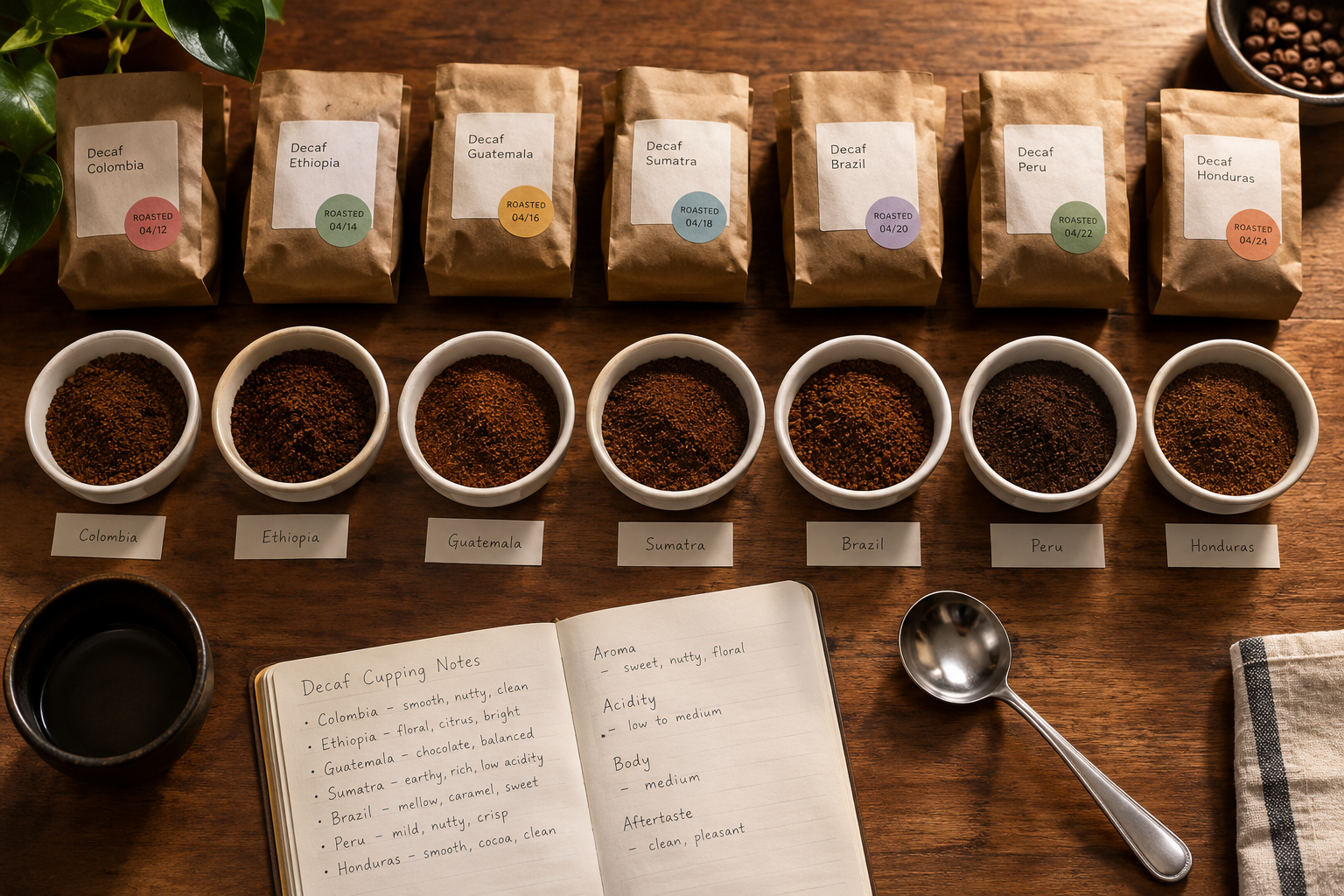
- Roaster websites almost always list the decaf method and roast date, which are the two most important things to check before buying.
- Specialty grocery sections increasingly stock Swiss Water labeled bags next to regular coffee, a sign that solvent free processing has become a selling point rather than a niche feature.
- Subscriptions can be useful if you want rotating single origin decaf without hunting for it manually. Our guide on how to choose the best coffee subscription for beginners covers what to look for, including how to filter for decaf specifically.
Whichever channel you use, check the roast date before checking the price. A cheap decaf roasted last week beats an expensive decaf roasted six months ago.
Why does my decaf coffee taste bitter
Bitter decaf is almost always caused by stale beans, too fine a grind, water that is too hot, or extraction that runs too long, not by the decaffeination process itself.
Run through this checklist before blaming the decaf label:
- Check the roast date. Decaf loses aroma faster than regular coffee, so a bag older than a month or two will taste duller and more bitter by comparison.
- Check your grind size. A grind that is too fine for your brew method over extracts the coffee and pulls out excess bitter compounds. Match grind size to brew method, the same rule that applies to any coffee.
- Check your water temperature. Water above 205°F can scorch grounds and add harshness. Aim for 195°F to 205°F for most brew methods.
- Check your brew ratio. Too much coffee for too little water concentrates bitterness. A standard starting ratio is about 1 gram of coffee to 16 grams of water, adjusted to taste.
If you want a deeper look at grind size and extraction mechanics, see our guide to choosing the best coffee beans for home brewing, which applies directly to decaf as well.
Best decaf coffee for espresso machines
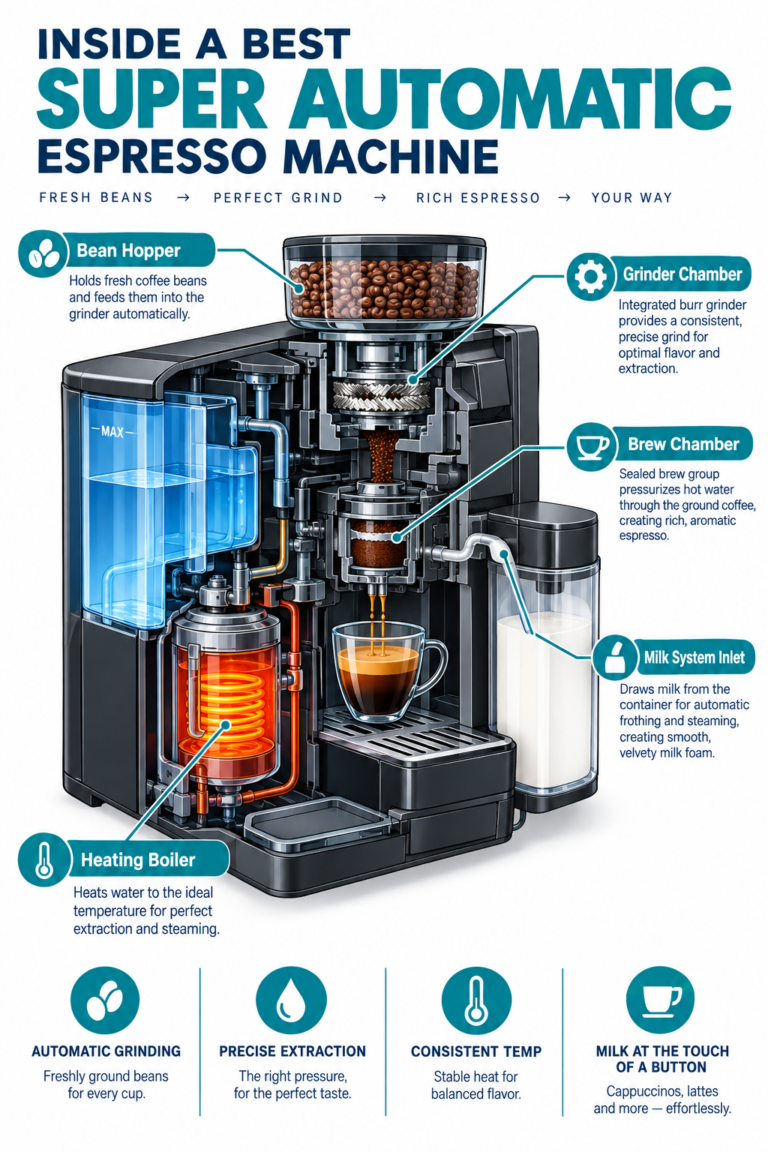
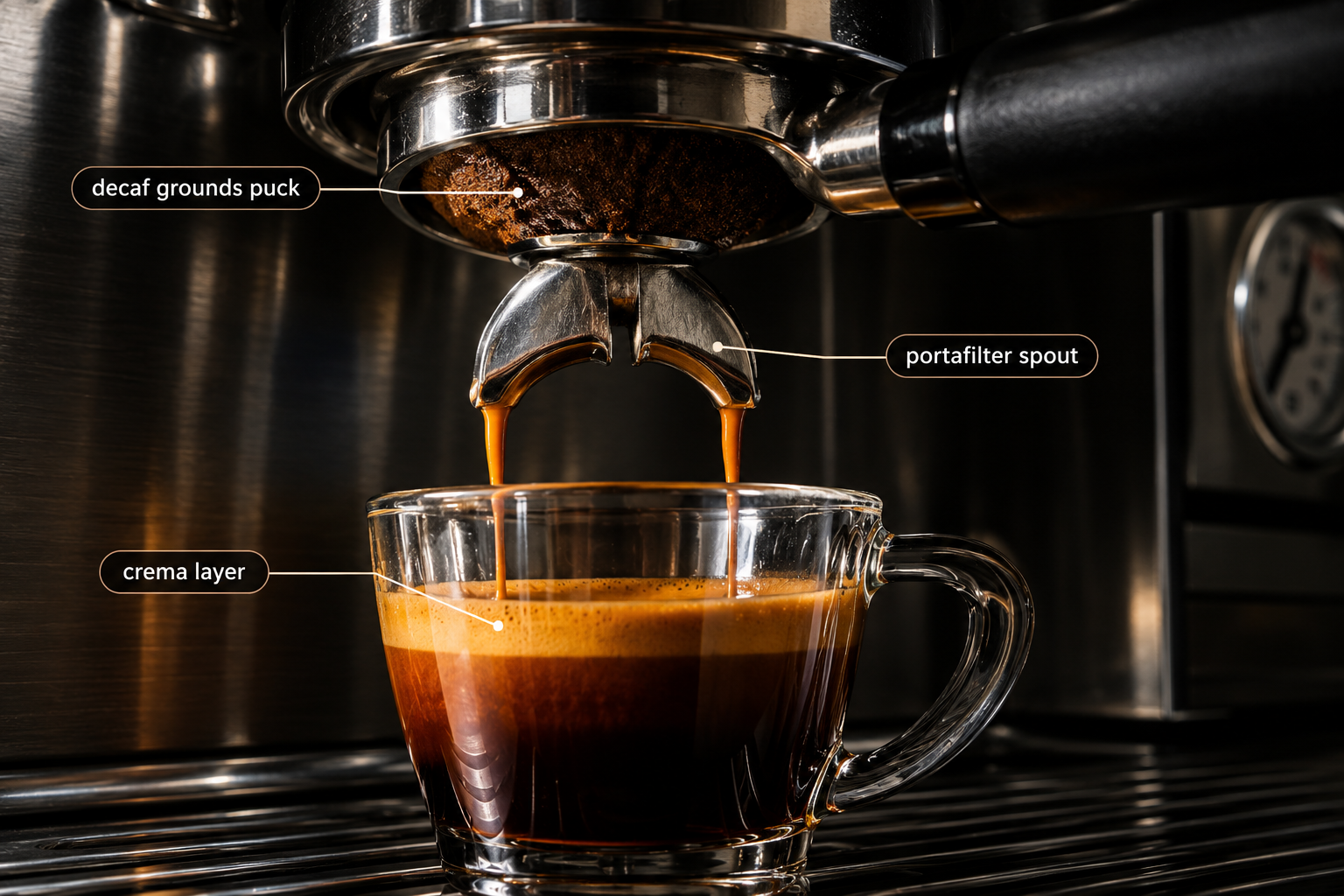
The best decaf coffee for espresso machines is a bag built specifically for espresso extraction, since decaf beans behave slightly differently under pressure than regular beans due to the small structural changes decaffeination causes.
Top named options for 2026:
- Intelligentsia Decaf Black Cat Espresso. Marketed as a solvent free blend designed to produce real crema and full body, matching the feel of a full caffeine shot.
- Lavazza Dek. The most repeated budget pick, a dependable everyday shot without the premium price.
- Kicking Horse Decaf Dark Roast. Rated versatile enough for straight shots and milk based drinks, a fair single bag choice for a mixed household.
Grind size still matters more than caffeine content. If your shots run bitter or sour on decaf, check grind and dose before assuming the bean is the problem. Our breakdown of the best grind of coffee for an espresso machine applies the same way to decaf espresso.
Decaf coffee for people sensitive to caffeine
Decaf is a reasonable choice for people managing caffeine sensitivity, pregnancy guidance, sleep issues, or anxiety triggers, since it removes the large majority of caffeine while keeping the taste and ritual of drinking coffee intact.
Practical guidance for this group:
- Expect roughly 12 to 13 mg of caffeine per 16 ounce cup rather than zero, and plan accordingly if you are tracking a strict limit.
- Choose a darker roast if you also deal with acid sensitivity, since dark roasting reduces measurable acidity regardless of caffeine content, which addresses low acid preferences directly.
- If you are cutting caffeine gradually rather than all at once, mixing regular and decaf grounds in the same brew is a common, simple way to step down.
Can you use decaf in a french press
Yes, decaf works in a french press exactly like regular coffee, using the same coarse grind, roughly 4 minute steep, and full immersion brewing that a french press requires.
A few adjustments worth knowing:
- Decaf beans can be slightly more fragile after processing, so a slightly coarser grind than usual helps avoid over extraction and bitterness.
- Because decaf loses aroma faster in storage, a french press brew (which relies heavily on aroma for perceived flavor) benefits even more from using freshly roasted decaf.
- Ratio and timing do not need to change. Standard french press guidance of about 1:15 coffee to water still applies.
For a full walkthrough of technique across multiple brew methods, our complete guide to different coffee brewing techniques for beginners covers french press alongside pour over and drip.
Decaf coffee brewing tips for better flavor
The single biggest lever for better tasting decaf is freshness, followed by grind size matched to brew method and water temperature in the 195°F to 205°F range.
A short, practical checklist:
- Buy whole bean, not pre-ground, and grind right before brewing. Ground decaf loses aroma even faster than ground regular coffee.
- Match grind to method. Coarse for french press and cold brew, medium for drip, fine for espresso.
- Use a bloom step for pour over. Pouring a small amount of water first and letting the grounds sit for 30 seconds still helps degas and even out extraction in decaf, the same way it does in regular coffee.
- Keep the bag sealed and away from light and heat, and buy smaller amounts more often if you drink decaf slowly.
If you are new to brewing generally and want the fundamentals in one place, the complete beginner's guide to brewing coffee at home is a solid starting point before applying these decaf specific tweaks.
Is decaf coffee bad for you
No, decaf coffee is not considered bad for you in typical amounts, and it removes the majority of caffeine while keeping most of coffee's other compounds intact, though people with specific medical guidance around caffeine or acidity should still check their own limits.
A few points worth separating clearly:
- Decaf still contains a small amount of caffeine, roughly 12 to 13 mg per 16 ounce cup, which matters for anyone under a strict zero caffeine order from a doctor.
- Dark roast decaf tends to be lower in measurable acidity, which can matter for people managing acid reflux or a sensitive stomach, and covers the decaf coffee low acid preference many readers search for.
- Decaf is often chosen specifically because someone wants to reduce total caffeine intake without giving up coffee entirely, which is a reasonable and common reason to drink it.
For general context on coffee and health beyond the decaf question, see our guide on which coffee is best for health.
Best decaf coffee if you hate the taste of decaf
If you have tried decaf before and disliked it, the fix is almost always switching to a fresh, specialty grade bag with a gentle decaf method rather than avoiding decaf altogether, since most bad decaf experiences trace back to stale beans or an older solvent method.
Start here if decaf has let you down before:
- Try a Swiss Water or sugarcane EA processed bag specifically, since these methods are repeatedly linked to better retained flavor in 2026 industry analysis.
- Buy from a specialty roaster rather than a generic supermarket private label, and check the roast date is within the last month or two.
- Pick a dark roast first, since dark roasting is the most forgiving style for masking any small flavor gaps left by processing.
- Give Peet's Major Dickason's Decaf or Kicking Horse Decaf Dark Roast a try as a low risk reintroduction, since both are built to taste close to a familiar dark roast regular coffee.
FAQ
What is the best decaf coffee overall in 2026? Peet's Decaf Major Dickason's Blend and Counter Culture Slow Motion Decaf lead most barista roundups for everyday drip and pour over, based on how closely they match the roaster's own regular coffee.
What are the best decaf coffee k cups to buy? Look for K-cups labeled Swiss Water processed with a visible roast date, since pod format hides freshness more easily than whole bean bags. Prioritize the same brand names you would trust in whole bean form over unbranded pod lines.
Is there a good best decaf organic coffee option? Yes. Pair a USDA organic label with a Swiss Water or CO2 decaf method listed on the bag, a combination several 2026 specialty reviews now recommend as the cleanest option available.
What is the best decaf instant coffee? Instant decaf quality varies more than bean coffee because instant processing itself removes some aroma. Choose freeze dried over spray dried options from established specialty brands for the closest match to brewed decaf.
How is caffeine removed from decaf coffee exactly? Caffeine is drawn out of green beans using water combined with either a carbon filter (Swiss Water Process), a sugarcane derived solvent (EA process), or pressurized carbon dioxide (CO2 process), then the beans are dried and roasted normally.
Does decaf coffee taste weaker than regular coffee? Not necessarily. Body and strength come mostly from roast level and brew ratio, not caffeine content. A dark roast decaf can taste just as strong and full bodied as a dark roast regular coffee.
Conclusion
The best decaf coffee in 2026 is not a compromise anymore. Fresh roast dates, gentler processing like Swiss Water and sugarcane EA, and roasters who treat decaf as a real product rather than an afterthought have closed most of the gap with regular coffee. Start with a fresh bag, match your grind and water temperature to your brew method, and pick a roast level suited to what you already enjoy. If your last decaf experience was disappointing, the bean was probably old, not the process. Try one specialty pick from this list within the next few weeks while it is still fresh, and judge decaf on that cup, not on a memory of a stale one.
Keep Exploring Coffee Rank IQ
- Coffee Rank IQ home: reviews, brewing guides, and coffee science
- Best Decaf K Cups That Taste Like Real Coffee
- Does Decaf Coffee Have Caffeine? The Real Milligrams
- Light Roast vs Dark Roast: Caffeine, Flavor, and Acidity Compared
- Best Organic Coffee: What the USDA Seal Tells You and What It Skips
References
- www.simplyrecipes.com/best-decaf-coffee-baristas-11891669
- www.thirstybear.com/best-decaf-coffee
- www.pulled.coffee/blog/best-decaf-coffee-brands-2026
- beanbox.com/blog/best-decaf-coffee
- thereelshot.com/best-decaf-coffee
- brewmatric.com/article/best-decaf-coffee-2026
- www.cafegrade.com/guides/best-decaf-coffee-beans
- www.fluentincoffee.com/best-decaf-coffee
- cherrybookcoffee.com/editorial/best-decaf-coffees-2026
- cornercoffeestore.com/best-decaf-coffee-brands