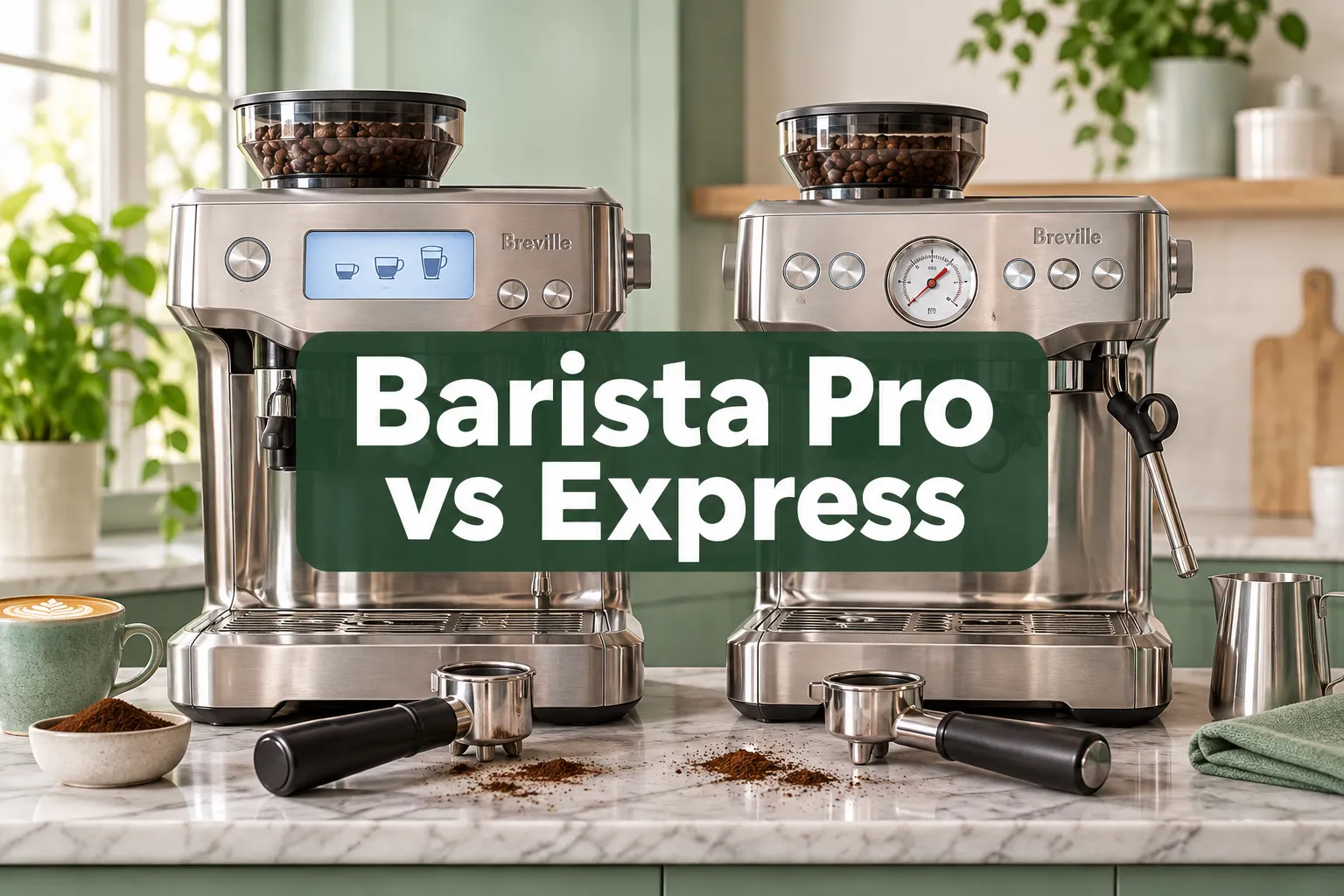
Breville Barista Pro Review: Worth $350 Over the Express?
Quick Answer
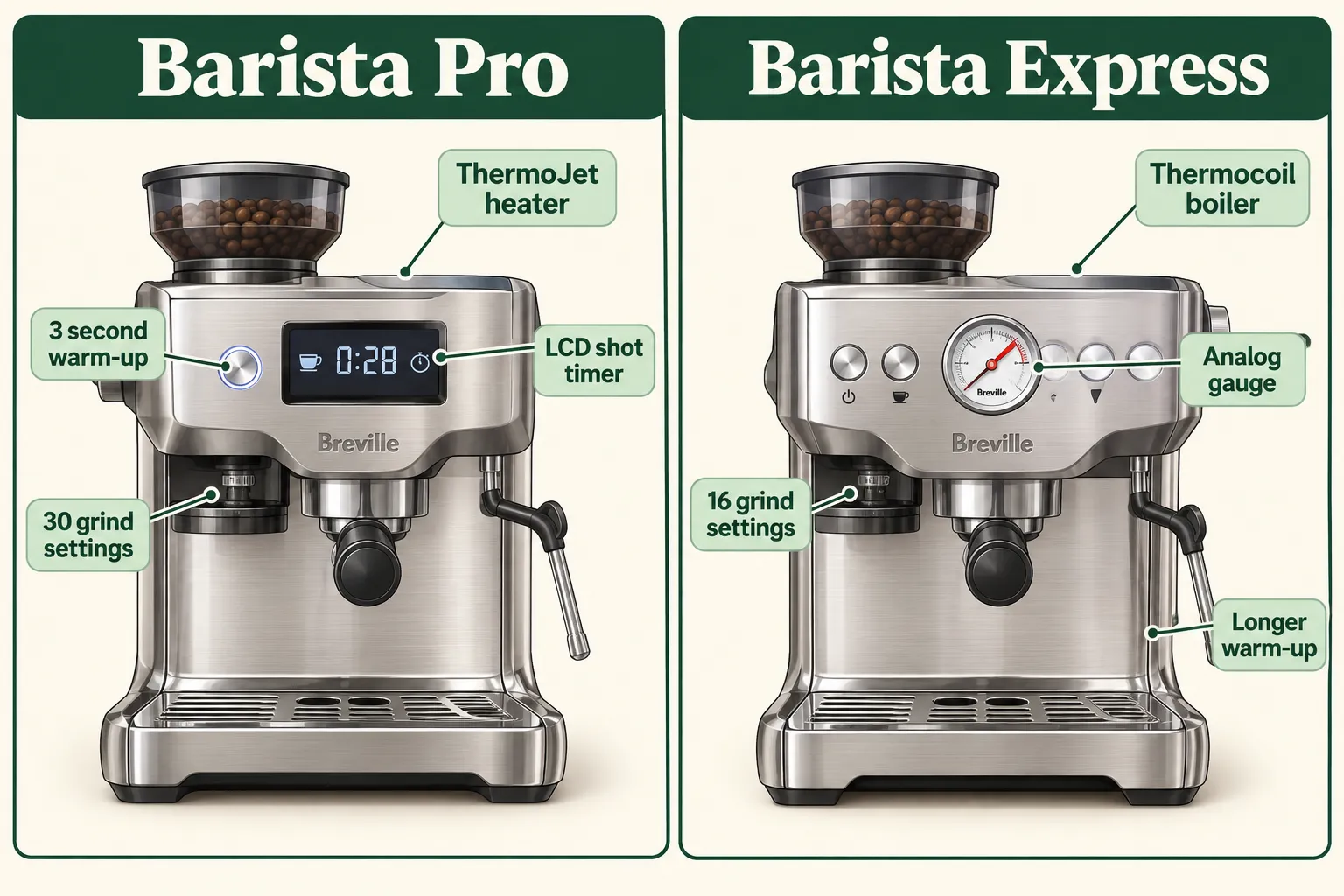
The Breville Barista Pro (BES878) costs $849.95 on Breville's US site, while the Barista Express (BES870XL) is currently listed at $499.95, a $350 gap checked November 6, 2026 . That $350 buys a three-second ThermoJet heat-up, an LCD with shot timing, and 30 grind settings instead of 16. If you make two or three milk drinks back to back on weekday mornings, the Pro earns it. If you pull one shot and walk out the door, the Express does the same job in the cup for $350 less.
Key takeaways
- Price checked November 6, 2026: Barista Pro $849.95, Barista Express $499.95 on Breville's US site .
- Heat-up: the Pro's ThermoJet system reaches extraction temperature in about 3 seconds; the Express uses a PID-controlled Thermocoil and takes noticeably longer .
- Grind resolution: 30 settings on the Pro versus 16 on the Express, with burrs Breville identifies as Baratza European Precision Burrs .
- Shot quality is close. Espresso Gear Lab's head-to-head called espresso quality essentially a tie because both machines share a 54mm portafilter and the same basic brew platform .
- Business Insider named the Barista Pro its best espresso machine with a built-in grinder in 2026 testing, while flagging the milk frothing as slow to learn [4 context, see sources].
- Serious Eats prefers a Bambino Plus with a separate grinder for serious espresso work, judging the built-in grinder less precise than a dedicated espresso grinder .
- Breville has announced a Black Friday window of November 27 to 30, 2026, advertising up to $300 or 29% off selected products, with no confirmed Barista Pro discount as of November 6 .
Affiliate disclosure: Coffee Rank IQ earns commission from qualifying purchases made through links on this page. Prices were checked November 6, 2026 and change often. This review is based on published specifications, manufacturer documentation, and third-party testing by named publications, not on hands-on testing by our team.
Breville Barista Pro: Is It Worth $350 Over the Express?
Worth it for one specific buyer: the person making more than one milk drink per session, on a schedule. Everyone else is paying for convenience they will notice twice a week.
Here is the practical math. The breville barista pro warms up in roughly three seconds and switches between brewing and steaming fast enough that a cappuccino and a latte can leave the counter inside four minutes . The Express needs a warm-up wait and a longer transition between brew and steam temperature. Over a single morning that difference is maybe 90 seconds. Over a household of two coffee drinkers, five days a week, that gap stops being trivia and starts being the reason the machine gets used instead of ignored.
What the $350 does not buy is a better espresso platform. Both machines use a 54mm portafilter, a 15 bar pump with low-pressure pre-infusion, PID-style temperature control and a manual steam wand . Espresso Gear Lab's comparison concluded shot quality was effectively a tie . Other reviewers argue the Pro's finer grind steps produce better results in practice, and that is a fair point, but it is a dialing-in advantage rather than a hardware-class advantage.
Decision rule: pay the $350 if your mornings are crowded. Keep the $350 if your mornings are quiet.
What's the difference between the Breville Barista Pro and Express?
Four things change: the heating system, the display, the grinder resolution, and the warranty. Everything else is close enough that both machines use the same baskets and the same technique.
| Feature | Barista Pro (BES878) | Barista Express (BES870XL) | Express Impress |
|---|---|---|---|
| Price, Nov 6 2026 | $849.95 | $499.95 | $799.95 |
| Heating | ThermoJet, ~3 sec | Thermocoil, PID | Thermocoil, PID |
| Grind settings | 30 | 16 | 25 |
| Display | Backlit LCD, shot timer | Analog pressure gauge | Analog gauge |
| Dosing and tamping | Manual | Manual | Assisted |
| Best for | Back-to-back milk drinks | Value, single shots | Puck prep consistency |
Prices from Breville US, checked November 6, 2026. Specifications per manufacturer listings .
The LCD deserves a note. It is not only a replacement for the Express's gauge. It shows grinding progress, counts extraction seconds on screen, and gives menu access to shot volume and temperature adjustments . The Express's analog needle is arguably friendlier for a complete beginner, because a needle sitting in the espresso range is easier to read at a glance than a number you have to interpret.
Five features we love on the Breville Barista Pro (BES878)
Each of these is a feature with a consequence, not a spec sheet line.
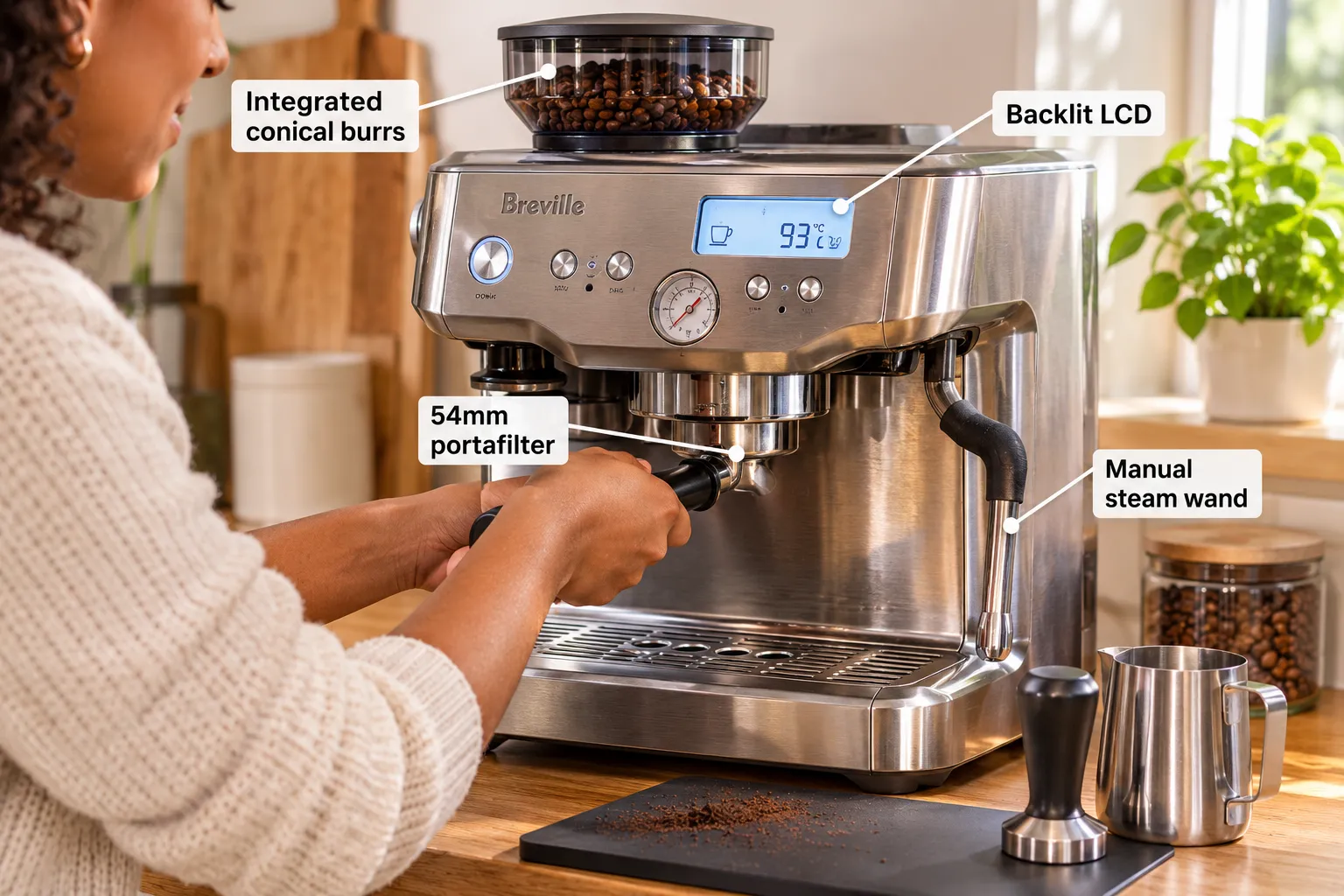
1. ThermoJet heating, roughly three seconds. You press the button and the machine is ready before you have found a cup. Breville also claims the ThermoJet circuit is up to 44.3% more energy efficient than a thermoblock, based on internal benchmark testing in September 2026 . That is a manufacturer figure, not an independently replicated energy study, so treat it as directional.
2. Thirty grind settings. Beans that fall between two steps on the Express have somewhere to land here. Switching from a washed light roast to a dark Italian blend usually means moving several clicks, and the extra resolution makes that change less of a guessing game.
3. The backlit LCD with shot timing. You can watch the countdown and learn what a 27-second shot looks like versus a 19-second gusher. For anyone learning extraction, that feedback loop is the fastest teacher in the kitchen.
4. Integrated conical burr grinder with a dose dial. One appliance, one footprint. Fresh grinding straight into the portafilter is the single biggest flavor variable most home drinkers are missing, and it matters more than the brand badge on the machine.
5. Manual steam wand with real pressure. It is the same style of wand a café barista uses. You control the texture, which means latte art is on the table once your technique catches up. Our guide to advanced latte art techniques for baristas covers the pour patterns worth practicing first.
What to watch out for: common problems with the Barista Pro
The Pro's recurring complaints are predictable and mostly fixable: grinder clogging with oily dark roasts, milk frothing that takes practice, a plastic frothing accessory that feels cheap, and water tank access under low cabinets.
Reported friction points worth knowing before you buy:
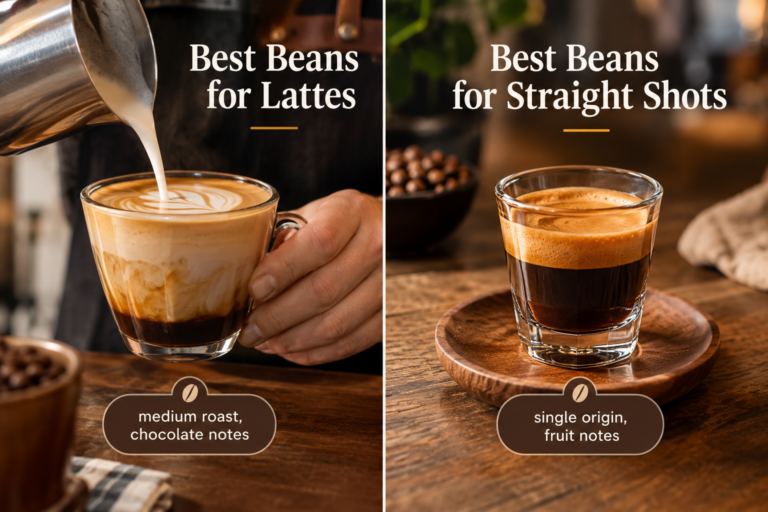
- Oily beans clog the grinder chute. Very dark, shiny roasts gum up the burr exit. If you buy dark, brush the chute weekly. A medium roast behaves far better in integrated grinders.
- The milk frothing accessory is the weak point. Business Insider's 2026 testing praised the shots and crema but called the frothing attachment comparatively flimsy and slow to master.
- Single-wall baskets are unforgiving. The machine ships with pressurized dual-wall baskets too. Those hide bad grinding. Move to single-wall once you can dial in.
- Water tank access. Measure the cabinet height above your counter before buying. Refilling from the top is awkward in tight spaces.
- Grinder noise. It is a conical burr grinder in a steel box at 7am. It is loud.
- No hot water tap separate from the steam circuit in the way some larger machines offer, which matters for americano workflow.
Why is my Barista Pro not frothing milk, and is it good for latte art?
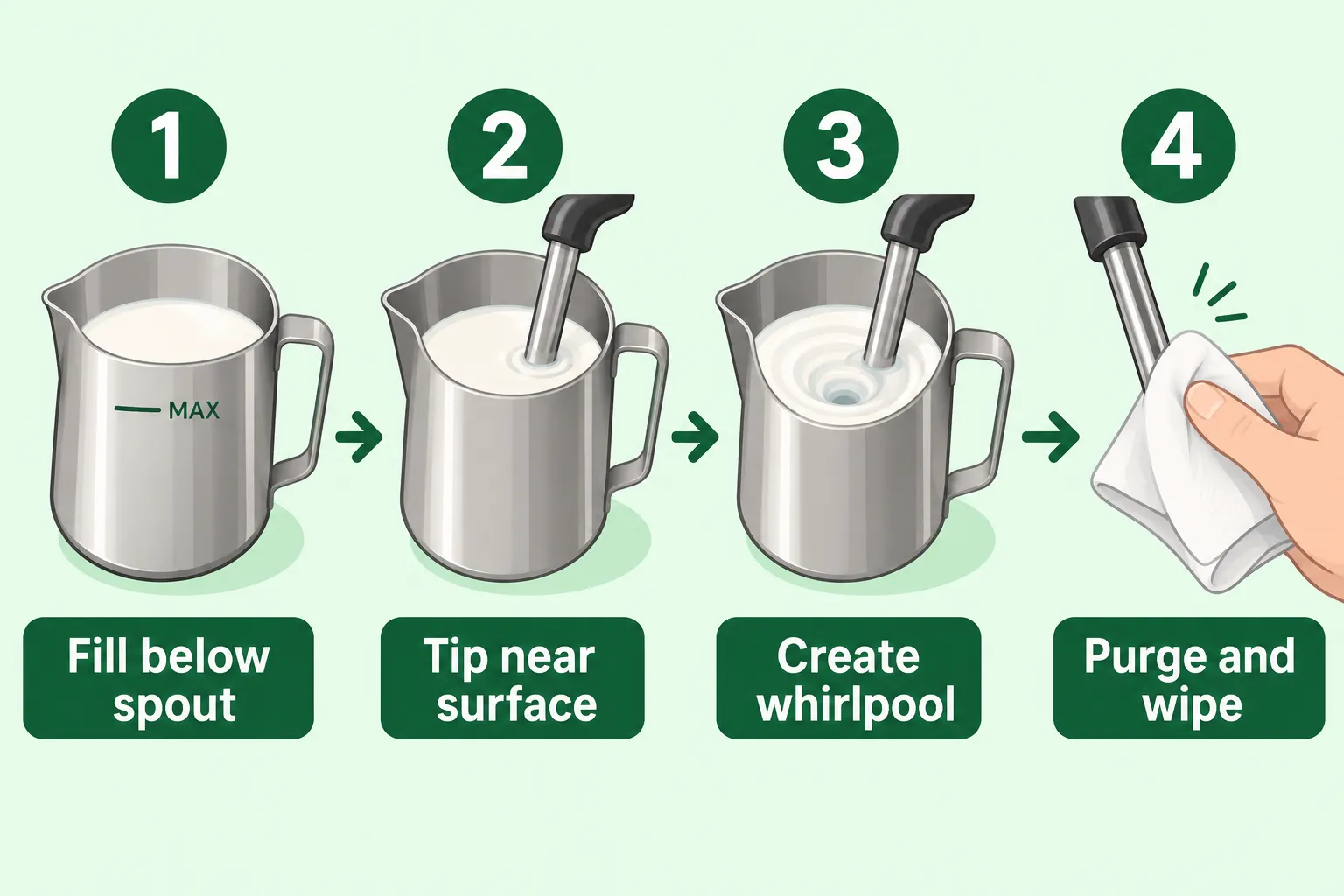
If the steam wand gives weak or no steam, the most common causes are a blocked wand tip, skipped purge, an empty or airlocked water tank, or a machine that has not finished its steam heat cycle. Clear the tip holes with the supplied pin, purge, and refill.
Run through this in order:
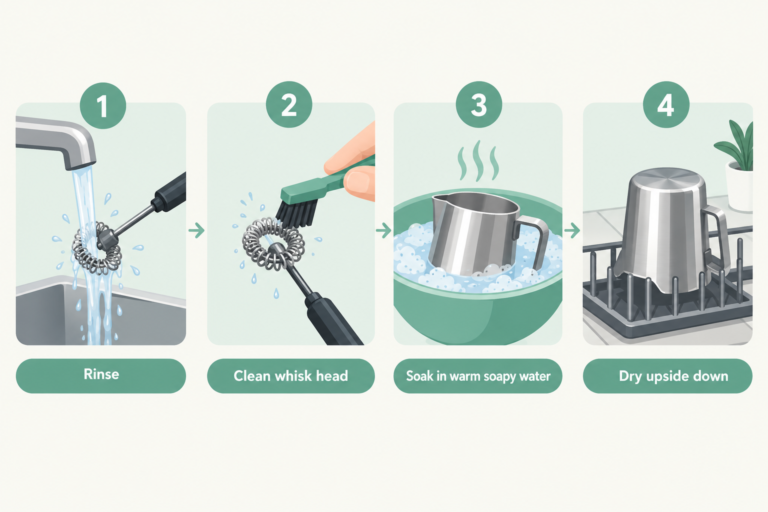
- Purge the wand for two seconds before and after every use. Dried milk inside the tip is cause number one.
- Unscrew and soak the tip in hot water with a milk-system cleaner overnight if purging does not restore flow.
- Check the water tank seating. A tank that is not fully seated starves the pump and the machine will not build steam.
- Wait for the steam light. Pressing the steam dial before the machine is ready gives you a wet sputter instead of dry steam.
- Descale if steam pressure has dropped gradually over months rather than suddenly. Scale narrows the steam path.
On latte art: yes, the Pro is genuinely capable of it. The manual wand produces microfoam fine enough for hearts and tulips, which is more than most machines at this price offer. The limit is your technique, not the hardware. Keep the tip just under the milk surface until the jug warms to body temperature, then submerge and spin. If you want the full progression from flat white to rosetta, read our advanced barista latte techniques walkthrough.
How long do Breville Barista Pro machines last, and how often should you descale?
Breville does not publish a lifespan figure. Owner reports commonly describe five to ten years of daily use when the machine is descaled on schedule and the grinder is kept clean, with the grinder and steam valve being the usual first failures. Descaling frequency depends on water hardness, and the Barista Pro prompts you when it is due.
Practical maintenance schedule:
| Task | Frequency | Why it matters |
|---|---|---|
| Purge and wipe steam wand | Every use | Prevents blocked tip and sour milk smell |
| Backflush with cleaning disc | Every 200 shots or when prompted | Clears oils from the group head |
| Clean grinder burrs | Monthly, weekly for dark roasts | Stops chute clogs and stale grounds |
| Descale | When the machine prompts, roughly every 2 to 3 months on hard water | Scale kills heating speed and steam pressure |
| Replace water filter | Every 3 months | Reduces scale build-up at the source |
Use the Breville water filter in the tank, or filtered water. Hard tap water is the single biggest predictor of a short machine life. Brewing water chemistry also changes the cup, which is the same reason it matters for pour over brewing.
If your Barista Pro is heating up too slowly, scale is the usual culprit. A machine advertised at three seconds that now takes thirty is telling you the heater is coated. Descale first, then check that you are not confusing warm-up with the brew-to-steam transition, which takes a few seconds by design.
Do you need a separate grinder for the Barista Pro?
No, the built-in grinder is the whole point of buying this machine, and it is competent for espresso at this price. But it is not a dedicated espresso grinder, and Serious Eats specifically recommends pairing a Bambino Plus with a separate grinder for more serious espresso work .
When the built-in grinder is enough:
- You drink one or two espresso-based drinks a day from the same bag of beans.
- You buy medium roasts and stick with them for a few weeks.
- You want one appliance, not two, on a 15-inch counter.
When a standalone grinder is worth the extra spend:
- You rotate single origin coffees weekly and re-dial constantly.
- You also brew filter coffee and want one grinder for both.
- You care about grind consistency enough to notice channeling in the cup.
A realistic upgrade path: buy the breville barista pro now, add a dedicated burr grinder in year two if you find yourself fighting the dial. The integrated grinder still earns its keep as a backup.
Barista Pro vs Gaggia Classic, and what should you get instead?
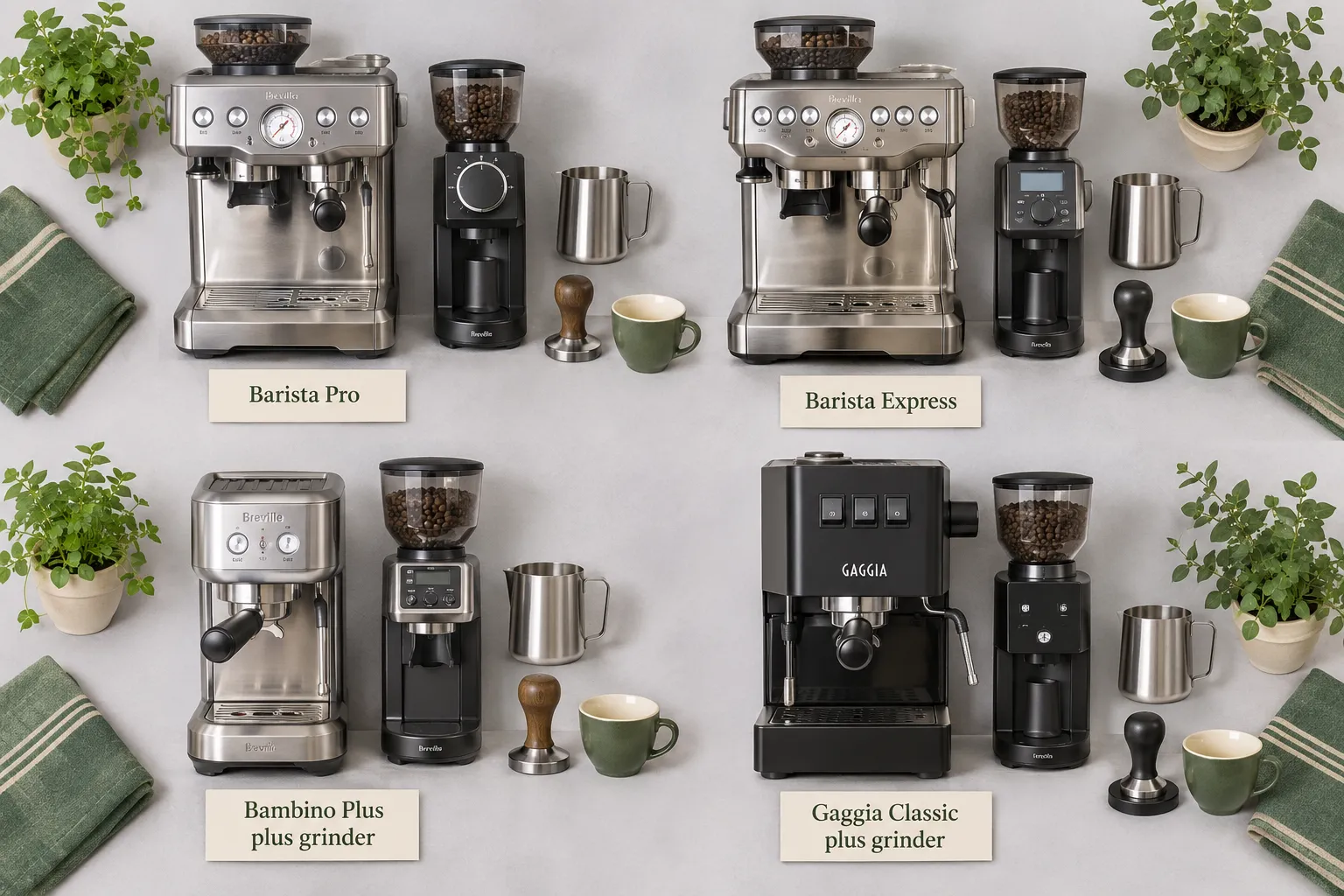
Choose the Barista Pro if you want one box that grinds, brews and steams. Choose the Gaggia Classic Evo Pro if you want a serviceable commercial-style machine with a 58mm portafilter and you are willing to buy a separate grinder. They are not really the same product.
The Gaggia Classic uses a 58mm portafilter, the café standard, which opens up a huge accessory ecosystem of bottomless portafilters, precision baskets and puck screens. It is built to be repaired. It has no grinder, no PID from the factory on most versions, and no timer. Add a $200 to $400 grinder and you are at or above the Pro's price with more work and more control.
Credible alternatives, ranked by buyer:
- Barista Express at $499.95 is the value pick. Same espresso platform, 16 grind settings, slower warm-up. Our full guide to using the Barista Express covers the workflow in detail .
- Barista Express Impress at $799.95 solves puck preparation with assisted dosing and tamping. Pick it over the Pro if your espresso is inconsistent because of tamping, not because of heat-up time .
- Bambino Plus plus a separate grinder is the quality-first route Serious Eats favors .
- Gaggia Classic Evo Pro plus a grinder for tinkerers who want 58mm and long-term serviceability.
Is the Breville Barista Pro the best espresso machine for beginners?
It is one of the best espresso machines with a grinder for beginners, because the LCD shot timer teaches extraction and the three-second heat-up removes the main excuse not to practice. Business Insider named it best home espresso machine with a built-in grinder in 2026 testing, reporting balanced shots and thick crema after only one or two adjustment shots.
What makes it beginner-friendly:
- Grind, dose, tamp and brew happen in one place, so there is less to learn at once.
- On-screen extraction seconds give immediate feedback on grind size.
- Dual-wall baskets let you make drinkable coffee on day one while you learn.
- Breville's dose and grind-size controls are physical dials, not buried menus.
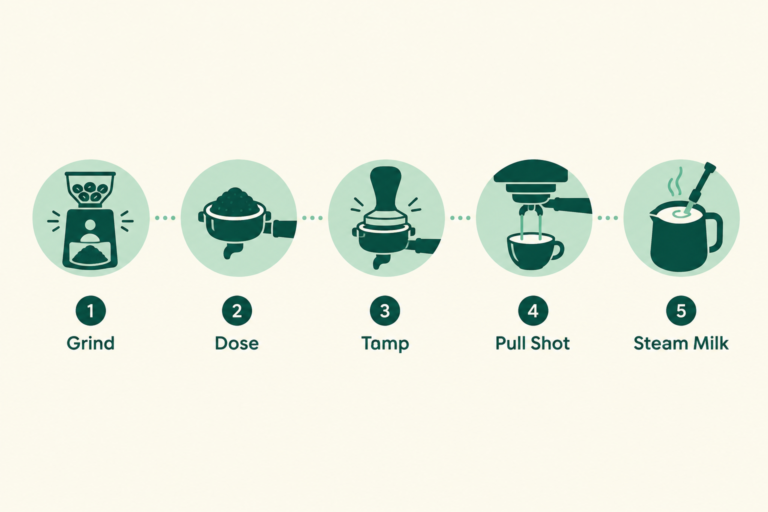
What still trips up new owners: tamping pressure, milk texturing, and the habit of blaming the machine for stale beans. Check the roast date before you blame anything else. If the bag is three months old, no machine fixes that. Our beginner's guide to barista-quality espresso drinks covers brew ratio and dialing in from scratch.
Where to buy the Breville Barista Pro and what it costs right now
Breville's own US site lists the Barista Pro at $849.95 and Amazon showed $849.95 on November 5, 2026, with the Barista Express at $499.95 in both places . Breville, Amazon, Williams Sonoma and Sur La Table all stock it, and prices track closely outside promotional windows.
Barista Pro BES878, Breville US, checked Nov 6 2026
Barista Express BES870XL, same date, a $350 gap
Breville’s announced 2026 Black Friday window, up to $300 or 29% off selected products, Pro discount unconfirmed
Amazon rating for both models, 3,447 Pro reviews vs 28,011 Express reviews, Nov 5 2026
If you can wait three weeks from this update, waiting is defensible. Breville has published the sale window, though no specific Barista Pro price has been confirmed . Check the current price before you commit, and compare the models at the same retailer so shipping and warranty terms match.
Who should buy the Barista Pro, and who should skip it
Buy the breville barista pro if: you make two or more milk drinks per session, you share the machine with a partner or roommate, you rotate beans often enough to want 30 grind steps, or you want the fastest path from cold machine to flat white.
Skip it and buy the Express at $499.95 if: you pull one or two shots a day, you drink espresso or americano more than cappuccino, or you would rather put the $350 toward beans and a proper scale.
Skip both and buy the Express Impress if: your shots run inconsistent and you suspect your tamping .
Skip all three and buy a Bambino Plus plus a standalone grinder if: cup quality is your priority and counter space is not .
Pros
- Three-second ThermoJet heat-up, the fastest in Breville's semi-automatic lineup
- 30 grind settings with Baratza European Precision Burrs
- LCD shot timer that teaches extraction faster than a gauge
- Real manual steam wand capable of latte art microfoam
- Named best espresso machine with a built-in grinder in Business Insider's 2026 testing
- Single appliance footprint, grinder included
Cons
- $350 more than the Express for the same core espresso platform
- Milk frothing accessory reported as flimsy and slow to learn
- Grinder chute clogs with oily dark roasts
- 54mm portafilter limits third-party accessory options versus 58mm machines
- Built-in grinder is outclassed by dedicated espresso grinders
- Noisy, and tank refills are awkward under low cabinets
Does the $350 Barista Pro premium pay you back?
Assumes a $350 price gap (Breville US, Nov 6 2026) and ~90 seconds saved per session on the Pro.
Café spend avoided per year: $”+yearly.toFixed(0)+”
Time saved per year with the Pro: about “+mins+” minutes
Weeks of avoided café spend to cover the $350 gap: about “+(isFinite(weeks)?weeks:”n/a”); });
FAQ

Conclusion
The breville barista pro is a convenience upgrade, not an espresso upgrade. The cup it produces is close enough to the Barista Express that two independent reviewers disagree about which tastes better . What the Pro buys you is speed: three seconds to ready, faster steam transitions, and 30 grind steps instead of 16 . For a two-coffee household on a weekday schedule, that is $350 well spent. For one person pulling one shot, the Express at $499.95 is the smarter buy and the leftover money goes further in fresh beans.
Next step: count the milk drinks you actually make in a typical week. Two or more per session, four or more days a week, get the Pro. Fewer than that, get the Express and spend the difference on coffee with a roast date on the bag. Then compare the models at your preferred retailer and check the current price before Breville's November 27 to 30 sale window . More equipment verdicts live in our product reviews archive.