Espresso Drink Ratios: A Home Chart From Macchiato to Mocha
Picture this: you standing in your kitchen, a steaming cup of perfectly balanced espresso in hand. The aroma fills the room, awakening your senses and energizing you for the day ahead. What if you could open up the secrets to creating this coffee masterpiece in the comfort of your own home?, for “The Complete Guide to Advanced Espresso: Recipes” holds the key to elevating your espresso game to a whole new level. From classic favorites to innovative creations, this guide will equip you with the knowledge and inspiration to become a true espresso connoisseur. Get ready to start a tantalizing routine through advanced espresso recipes that will wow both your taste buds and your guests.
Espresso drink ratios, in short: Most espresso drinks use the same double shot of about 2 ounces and change only the milk. A macchiato adds a spoonful of foam, a cortado adds about equal steamed milk, a cappuccino fills a 5 to 6 ounce cup with deep foam, a flat white uses thin microfoam, and a latte stretches to 8 to 12 ounces.
Understanding Espresso
What is Espresso?
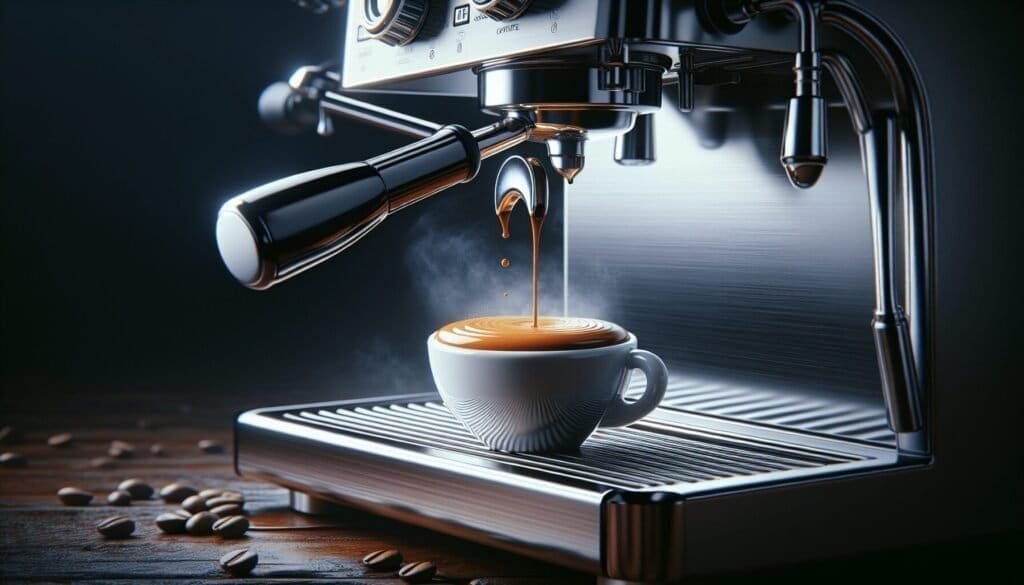
Espresso is a concentrated form of coffee that is brewed by forcing hot water under high pressure through finely ground coffee beans. It is known for its rich flavor, intense aroma, and velvety crema. Unlike regular drip coffee, which typically brews for minutes, espresso is brewed in a matter of seconds, resulting in a concentrated shot of coffee that can be enjoyed on its own or used as the base for various espresso-based beverages.
History and Origin of Espresso
The history of espresso dates back to the early 20th century in Italy, the birthplace of this beloved beverage. Angelo Moriondo of Turin patented a steam driven bulk coffee brewer in 1884. Desiderio Pavoni later bought the rights to a 1901 patent by Luigi Bezzera of Milan, whose machine brewed coffee to order (Smithsonian). His invention allowed for a rapid extraction of coffee, creating a concentrated shot that was met with great enthusiasm by the Italian coffee lovers. Since then, espresso has become an integral part of Italian culture and has spread throughout the world, gaining popularity for its bold and distinctive flavor.
The Importance of Coffee Beans in Espresso Making
In espresso, the coffee beans are the star of the show. The beans play a key role in determining the flavor, aroma, and overall quality of the espresso shot. When choosing coffee beans for espresso, it is important to select ones that are specifically roasted and blended for this brewing method. Espresso beans are typically roasted darker than beans used for other brewing methods, which helps to improve the rich and solid flavors. The beans should also be freshly roasted and ground just before brewing to ensure optimal freshness and flavor extraction.
Espresso Equipment Essentials
Introduction to Espresso Machine
The centerpiece of any espresso setup is the espresso machine. These machines come in various types and sizes, ranging from manual lever machines to fully automatic models. The key components of an espresso machine include a boiler, a pump, a portafilter, and a group head. The boiler heats the water to the desired temperature, while the pump creates the high pressure needed to extract the espresso. The portafilter holds the ground coffee and connects to the group head, which distributes the hot water evenly over the coffee grounds.
Understanding Coffee Grinder
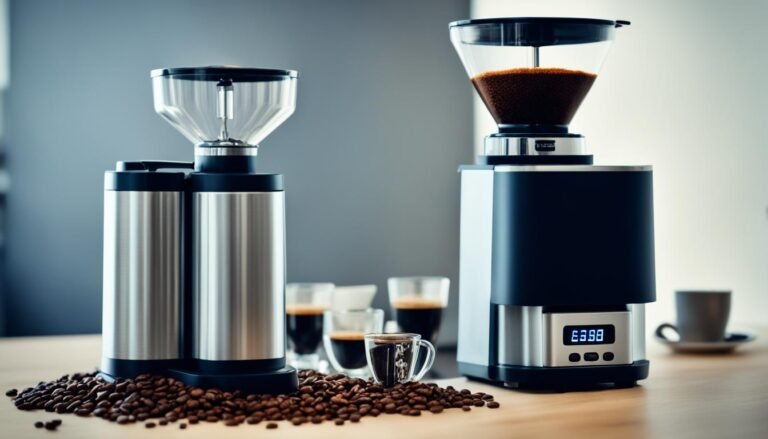
A quality coffee grinder is an essential tool for any espresso enthusiast. The grinder is responsible for grinding the coffee beans to the appropriate consistency for espresso brewing. Consistency is key for grinding coffee for espresso, as it ensures an even extraction and consistent flavor. Burr grinders are the preferred choice for espresso, as they provide a more uniform grind size compared to blade grinders. It is important to invest in a high-quality grinder that allows for precise adjustments to meet your desired espresso extraction preferences.
The Significance of Espresso Tamper
The espresso tamper is a small yet mighty tool that is key for achieving a balanced and flavorful espresso shot. It is used to compress the coffee grounds inside the portafilter, creating a level and compact puck. This level of compression helps to ensure consistent water flow and even extraction during the brewing process. When choosing an espresso tamper, look for one that fits comfortably in your hand and is made of high-quality materials, such as stainless steel or aluminum.
Essentials of Milk Frother
For those who enjoy milk-based espresso beverages like lattes and cappuccinos, a milk frother is an essential addition to the espresso setup. Milk frothers come in various forms, including manual frothers, steam wand attachments, and automatic frothing systems. The frothing process involves heating the milk and injecting air to create creamy and velvety foam. Different techniques can be used to achieve varying levels of frothiness and texture, allowing you to create the perfect milk component for your favorite espresso-based drinks.
Maintenance and Cleaning Tips for Espresso Equipment
Proper maintenance and cleaning of espresso equipment are key for achieving consistent and high-quality results. Regularly cleaning the portafilter, group head, and steam wand helps to remove coffee residue and prevent the buildup of oils, which can affect the flavor of the espresso. Descaling the espresso machine periodically is also important to prevent the accumulation of mineral deposits that can impact performance. Also, proper storage of the coffee beans in an airtight container, away from light and moisture, helps to maintain their freshness for longer periods.
Espresso Coffee Beans Selection
Choosing the Right Coffee Beans
For selecting coffee beans for espresso, it is important to choose ones that suit your personal taste preferences. Consider the flavor profiles you enjoy, whether it’s a rich and bold espresso or a more balanced and fruity one. Experiment with different beans from various regions and roasters to find the ones that land with your taste buds. It’s also a good idea to source beans from reputable coffee roasters who specialize in crafting high-quality espresso blends.
Best Coffee Beans for Espresso
While the “best” coffee beans for espresso can be subjective, there are certain characteristics to look for when choosing beans for this brewing method. Opt for beans that are specifically labeled as espresso or espresso blends, as these are carefully crafted to highlight the desired flavors and characteristics. Espresso beans are typically roasted on the darker side to bring out the bold and rich flavors. Look for beans that have a well-balanced profile, with notes of chocolate, caramel, and a hint of fruitiness.
Understanding Coffee Roasts
The level of roast plays a significant role in the flavor profile of the espresso. Lighter roasts tend to have brighter and more pronounced acidity, with floral and fruity notes. Medium roasts strike a balance between acidity and sweetness, offering a smoother and more rounded flavor. Dark roasts, on the other hand, bring out the bold and intense flavors, with rich notes of chocolate, caramel, and roasted nuts. Experiment with different roast levels to find the one that suits your preferences and brings out the best in your espresso shots.
Storing Coffee Beans
Proper storage of coffee beans is key for maintaining their freshness and flavor. To preserve the flavor and aroma, it is recommended to store the beans in an airtight container in a cool, dark, and dry place. Avoid the refrigerator, where beans pick up moisture and odors. The freezer works for longer storage if the beans are sealed airtight in small portions and each portion thaws only once. Instead, purchase smaller quantities of beans more frequently to ensure you are using them at their peak freshness. Grind the beans just before brewing to maximize the flavor and aromatic compounds.
Brewing the Perfect Shot of Espresso
Proper Grinding of Beans
Grinding the coffee beans to the right consistency is essential for extracting the perfect shot of espresso. For espresso brewing, a fine and consistent grind size is preferred to allow for optimal extraction. Adjust the grinder settings according to the desired extraction time and adjust it gradually to achieve the desired results. Keep in mind to clean the grinder regularly to remove any coffee residue and prevent flavor contamination.
Tamping Technique for Espresso
Tamping is the process of compressing the coffee grounds inside the portafilter to create a level and compact bed. This step is key for achieving an even extraction and consistent flavor in the espresso shot. To tamp correctly, hold the tamper level and apply an even and downward pressure on the coffee grounds. The amount of pressure used can vary depending on personal preference, but consistency is key. Aim for a level and evenly tamped puck to ensure optimal water flow and extraction.
The Perfect Brew Time
Brew time is an essential factor in achieving a balanced and flavorful shot of espresso. Generally, the ideal brew time falls between 25 to 30 seconds. If the shot extracts too quickly, it may result in under-extracted and sour-tasting espresso. If the shot extracts too slowly, it may become over-extracted and bitter. Experiment with the grind size, tamping pressure, and extraction time to find the perfect balance and adjust according to personal taste preferences.
Understanding the Extraction Process
During the extraction process, hot water is forced through the tightly packed coffee grounds, extracting the flavors and aromatic compounds. It is important to understand the variables that affect extraction, such as grind size, tamping pressure, water temperature, and brew time. These variables can be adjusted to control the extraction and achieve the desired flavor profile. By understanding the extraction process, you can fine-tune your brewing technique and consistently brew exceptional shots of espresso.
Art of Steaming and Frothing Milk
Understanding Different Types of Milk
For steaming and frothing milk for espresso-based drinks, different types of milk can yield different results. Whole milk is commonly used for its creamy texture and balanced sweetness. It creates a velvety microfoam that is ideal for latte art. If you prefer a lighter option, skim milk can be used, although it may result in a thinner and less creamy texture. Alternatives such as almond milk, soy milk, and oat milk can also be used, but they may require different steaming techniques due to their different composition.
The Process of Steaming Milk
Steaming milk is a delicate process that requires precision and practice. Start by purging the steam wand to remove any condensation or residue. Submerge the wand just below the surface of the milk and turn on the steam, gradually raising the milk jug to create a whirlpool effect. Steaming should be stopped when the milk reaches about 150°F to 160°F (65°C to 70°C). Properly steamed milk should have a smooth and creamy texture, free of large bubbles or scorching.
Techniques for Frothing Milk
Frothing milk involves introducing air into the milk to create a light and airy foam. This technique is commonly used for drinks like cappuccinos. To froth milk, start by positioning the steam wand just below the surface of the milk, introducing air to create a bubbly froth. Gradually submerge the wand deeper into the milk to heat it, while continuing to create a swirling motion to incorporate the foam. The end result should be a thick and voluminous milk foam with a velvety texture.
Creating Milk Texture for Latte Art
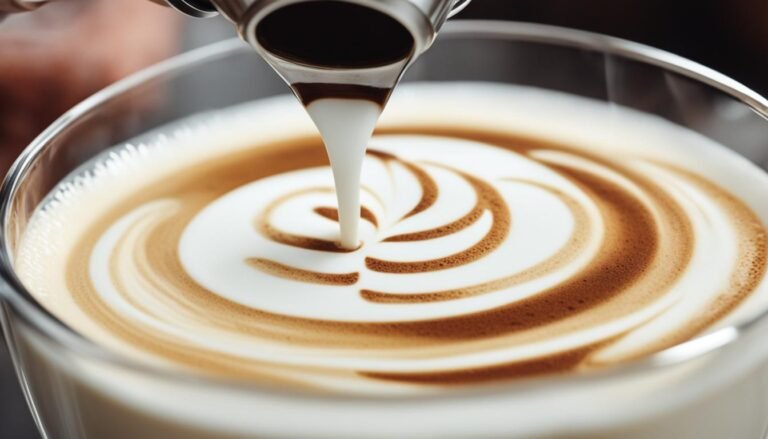
Latte art is a creative and visually appealing way to improve your espresso-based beverages. To create latte art, start with properly steamed milk that has a creamy and velvety texture. Slowly pour the milk into the espresso shot, holding the jug at an angle. Begin with a steady stream of milk, then gradually raise the jug while moving it side to side to create detailed designs. With practice and patience, you can master latte art and impress your guests with beautifully crafted designs on top of your espresso creations.
Mastering the Espresso Recipes
Classic Espresso
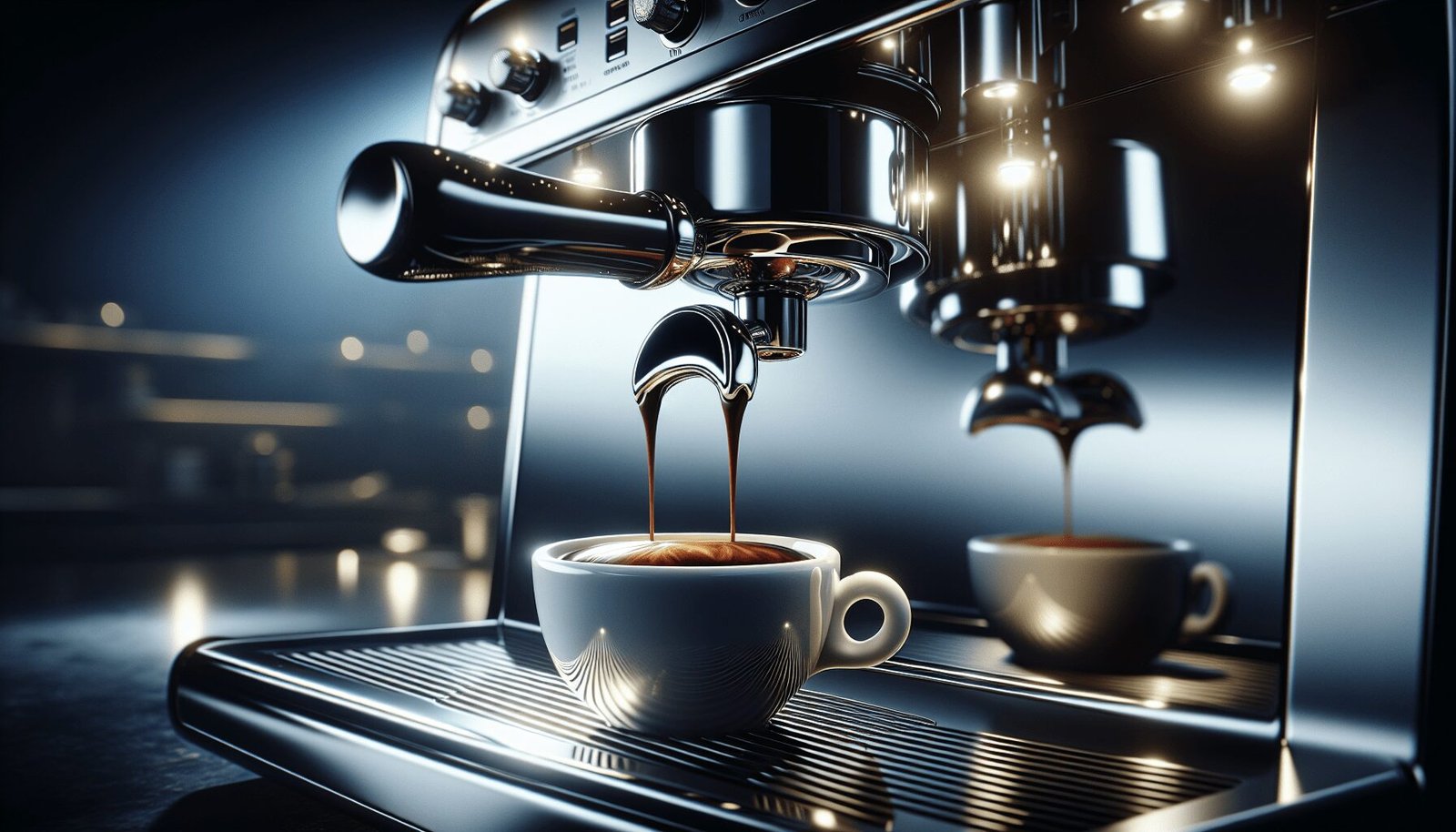
The classic espresso is the foundation of many espresso-based drinks. To make a classic espresso, start with freshly ground coffee beans and a properly preheated espresso machine. Fill the portafilter with the coffee grounds and tamp evenly. Insert the portafilter into the machine and start the extraction process. The result should be a concentrated shot of espresso with a rich crema and intense flavors. Enjoy it on its own or use it as a base for other espresso creations.
Espresso Macchiato
An espresso macchiato is a simple yet delightful espresso-based beverage. To make an espresso macchiato, pull a shot of espresso and spoon a small amount of foamed milk on top. The milk should only “mark” the espresso, hence the name macchiato, which translates to “stained” or “marked” in Italian. The result is a balanced and flavorful drink that showcases the boldness of the espresso with just a touch of creamy sweetness.
Cappuccino
Cappuccino is a classic Italian coffee beverage that combines equal parts espresso, steamed milk, and milk foam. To make a cappuccino, start with a shot of espresso and pour an equal amount of steamed milk over it. Finish by spooning a layer of thick milk foam on top. The result is a well-balanced drink with a strong espresso flavor, creamy milk, and a light and airy foam. Cappuccinos are often enjoyed in the morning or as a midday treat.
Latte
A latte is a popular espresso-based drink that features a higher ratio of steamed milk to espresso. To make a latte, pull a shot of espresso and pour it into a cup. Fill the cup with steamed milk, leaving a small amount of room for foam. Spoon a layer of milk foam on top to finish. Lattes are known for their smooth and creamy texture, making them a popular choice for those who enjoy a milder and less intense coffee flavor.
Mocha
A mocha is a delightful blend of espresso, chocolate, milk, and foam. To make a mocha, add a shot of espresso to a cup and stir in a tablespoon of chocolate syrup or melted chocolate. Fill the cup with steamed milk and top it with a layer of milk foam. Garnish with a sprinkle of cocoa powder or chocolate shavings for an extra touch of indulgence. Mochas are a perfect treat for chocolate and coffee lovers alike.
Flat White
Originating from Australia and New Zealand, the flat white is a creamy and velvety espresso-based drink. To make a flat white, pull a double shot of espresso into a small cup, about 5 to 6 ounces, and pour in steamed milk topped with only a thin layer of glossy microfoam. The drink is notable for its silky texture and smooth flavor, as the milk is carefully textured to achieve a velvety microfoam. The flat white is a delightful choice for those who prefer a balanced and less frothy espresso beverage.
Exploring Flavor Variations
Adding Flavors to Your Espresso
One of the joys of espresso is its versatility for flavor additions. Many coffee shops offer a wide selection of flavored syrups that can be added to your espresso-based drinks. From caramel and vanilla to hazelnut and mocha, these syrups can improve the flavor of your espresso and create a personalized taste experience. Experiment with different flavors and combinations to find your perfect espresso creation.
Using Spices in Espresso Recipes
Spices can add depth and complexity to your espresso recipes, taking them to new heights of flavor. Common spices used in espresso include cinnamon, nutmeg, cardamom, and cloves. These spices can be added directly to the coffee grounds before brewing or sprinkled on top of the finished beverage. The warmth and aroma of the spices create a delightful sensory experience that complements the rich flavors of the espresso.
Exploring Sweeteners
Sweeteners can be used to improve the natural sweetness of your espresso or to add a touch of indulgence to your drink. Traditional sweeteners like granulated sugar and brown sugar are commonly used, but there are also alternatives such as honey, agave syrup, and maple syrup. These natural sweeteners can add unique flavors and nuances to your espresso creations. Experiment with different sweeteners and find the one that best complements your preferred flavor profile.
Creating Decaffeinated Espresso Variations
Decaffeinated espresso opens up a whole world of possibilities for those who prefer to limit their caffeine intake. Many of the classic espresso recipes can be adapted using decaffeinated beans, allowing you to enjoy the flavors and aromas of espresso without the stimulating effects of caffeine. The same techniques and principles apply when brewing decaffeinated espresso, so feel free to explore and experiment with different recipes and variations.
Troubleshooting Espresso Issues
Solving Common Espresso Problems
Even the most experienced espresso enthusiasts encounter problems from time to time. Some common issues include under-extraction, over-extraction, channeling, and uneven flavor. To solve these problems, it is important to evaluate the variables involved in the brewing process, such as grind size, tamping pressure, water temperature, and brew time. By making adjustments to these variables and experimenting with different techniques, you can overcome these challenges and brew exceptional espresso shots.
Improving Shot Quality
Improving shot quality requires a combination of precision, experimentation, and understanding of the variables at play. Consider adjusting the grind size to achieve the desired extraction time and flavor profile. Ensure proper tamping technique to create an even and compact puck. Dial in the right water temperature and brew time to tune extraction. By continuously fine-tuning your brewing technique and paying attention to the details, you can consistently produce high-quality espresso shots.
Adjusting Grind Size and Tamp Pressure
Grind size and tamping pressure are two critical factors in achieving a balanced and flavorful espresso shot. If the shot is under-extracted or runs too quickly, try adjusting the grind size to make it finer. Conversely, if the shot is over-extracted or runs too slowly, coarsening the grind size may help. Tamping pressure can also be adjusted to regulate the flow rate of the water. Experiment with different combinations of grind size and tamping pressure to find the sweet spot for your espresso.
Fixing Milk Frothing Issues
Milk frothing can sometimes be challenging, but with practice and patience, you can achieve the desired results. If you’re having trouble achieving smooth and velvety milk foam, ensure that the steam wand is positioned correctly and that the milk is properly textured before heating. If the milk is overheating or scorching, adjust the position of the steam wand or the depth at which it is submerged in the milk. With consistent practice and attention to technique, you can master the art of milk frothing.
Advanced Espresso Techniques
Advanced Brewing Techniques
For those looking to take their espresso skills to the next level, advanced brewing techniques offer new avenues for exploration. Advanced brewing techniques include things like pressure profiling, temperature surfing, and experimenting with different coffee-to-water ratios. These techniques allow for greater control and customization of the espresso extraction process, resulting in truly unique and exceptional shots of espresso. Embrace experimentation and innovation to push the boundaries of what is possible in espresso.
Latte Art and Presentation
Latte art is a skill that combines creativity and technique to create visually stunning designs on the surface of espresso-based beverages. With practice, anyone can learn the basics of latte art, such as pouring simple hearts or rosettas. As your skills develop, you can challenge yourself with more detailed designs, such as tulips or even free pour artwork. The presentation of your espresso creations is just as important as the taste, so embrace the artistry and make each cup a masterpiece.
Incorporating Alternative Types of Milk
Gone are the days when cow’s milk was the only option for espresso-based beverages. As the demand for plant-based alternatives grows, there are now a wide variety of non-dairy milks available, such as almond milk, soy milk, and oat milk. These alternative milks offer unique flavors and textures, allowing for a completely different experience when paired with espresso. Experiment with different types of milk to discover new and exciting flavor combinations that cater to different dietary preferences.
Pairing Espresso with Food
Best Food Pairings for Espresso
Pairing espresso with food can improve both the flavors of the beverage and the culinary experience. Rich and bold espresso shots complement chocolate-based desserts like tiramisu or flourless chocolate cake. The acidity and fruity notes of certain espresso blends pair well with citrus-based desserts or pastries. For a simple yet delightful pairing, enjoy an espresso with a buttery croissant or a flaky pastry. The possibilities for espresso and food pairings are endless, and exploring different combinations can be a truly satisfying culinary adventure.
Understanding Flavor Combinations
When pairing espresso with food, it is important to consider the complementary and contrasting flavors of both the beverage and the dish. For example, the bitterness and intensity of espresso can balance the sweetness of a dessert, creating a harmonious taste experience. Similarly, the acidity of the espresso can cut through the richness of creamy dishes, providing a refreshing contrast. Experiment with different flavor combinations and take note of what works well together to create memorable experiences for your taste buds.
Creating Themed Espresso and Food Menus
For those who enjoy hosting gatherings or running a coffee shop, creating themed espresso and food menus can be a fun and creative way to showcase your passion for coffee. Themes can range from seasonal inspirations to international flavors. For example, a summer-themed menu may include refreshing espresso-based cocktails and light and fruity desserts. An Italian-inspired menu could feature traditional espresso recipes paired with authentic Italian pastries. Let your imagination run wild and create menus that tell a story and capture the essence of the occasion or location.
In conclusion, understanding espresso is a routine that spans from the history and origin of this beloved beverage to the art of brewing the perfect shot. By exploring the nuances of coffee beans, mastering the techniques of steaming and frothing milk, and delving into espresso recipes, you can truly appreciate the richness and complexity of this creative and versatile drink. Whether you’re a home barista or a coffee shop owner, the complete guide to advanced espresso will provide you with the knowledge and inspiration to improve your espresso experience and delight your taste buds. Cheers to an exciting and delicious espresso-filled routine!
Espresso Drink Ratio Chart
Every drink below starts with the same double shot, about 36 grams (roughly 2 ounces) of espresso. Change the milk and you change the drink. Cafe cup sizes vary, so treat the last column as a guide for your own cupboard.
| Drink | Espresso | Steamed milk | Foam | Typical cup |
|---|---|---|---|---|
| Espresso macchiato | Double shot | None | A spoonful on top | 3 oz demitasse |
| Cortado | Double shot | About 2 oz | Very thin, barely visible | 4 to 4.5 oz glass |
| Cappuccino | Double shot | 2 to 3 oz | Deep and airy, about 1.5 to 2 cm | 5 to 6 oz cup |
| Flat white | Double shot | 3 to 4 oz | Thin, glossy microfoam | 5 to 6 oz cup |
| Latte | Double shot | 6 to 10 oz | Thin layer, about 1 cm | 8 to 12 oz cup |
| Mocha | Double shot plus 1 to 2 tbsp chocolate sauce | 6 to 8 oz | Thin layer or whipped cream | 8 to 12 oz cup |
The two pairs that get mixed up most at the counter have their own side by side breakdowns: cappuccino vs latte and flat white vs latte.
Steam the Milk to Match the Drink
The chart only works if the milk texture matches the row. The difference comes from the stretching phase, the first few seconds when the steam tip sits at the surface and pulls in air. Judge it by how much the milk grows in the pitcher.
- Cappuccino: stretch until the milk grows by about a third to a half. The foam should hold a dusting of cocoa without it sinking.
- Latte: stretch until the milk grows by about 10 to 20 percent, then sink the tip and let the milk spin until it reaches the 150°F to 160°F range covered above.
- Flat white and cortado: barely stretch at all. The milk should look like wet paint, with no bubbles you can see.
- Macchiato: steam a small amount cappuccino style and spoon the foam straight from the top.
A home machine with a weak wand makes the cappuccino row the hardest to hit. If milk drinks are most of what you make, give the steam wand as much attention as the boiler when you shop; our best cappuccino machine guide compares machines on exactly that point.
Espresso drink ratios: FAQ
What is the ratio of espresso to milk in a latte?
A latte usually runs about 1 part espresso to 3 to 5 parts steamed milk. With a 2 ounce double shot, that means 6 to 10 ounces of milk in an 8 to 12 ounce cup, topped with a thin layer of foam. More milk gives a softer, sweeter drink, and less milk pushes it toward a flat white.
What is the difference between a cortado and a macchiato?
A cortado cuts the espresso with roughly an equal amount of steamed milk, while a macchiato only marks the shot with a spoonful of foam. The cortado drinks smooth and mellow from a small glass. The macchiato still tastes like a straight shot with the edges rounded off.
Can I make these espresso drinks with oat milk?
Yes, and barista editions of oat milk steam closest to whole milk. They usually add extra fat and an acidity regulator that help the foam hold together, while regular carton oat milk often foams thin. Look for “barista” on the label, and find more milk drink guides on the Coffee Rank IQ homepage.
Keep Exploring Coffee Rank IQ
- Coffee Rank IQ home: reviews, brewing guides, and coffee science
- Top Tips For Crafting The Perfect Advanced Espresso Drink
- The Science Behind the Perfect Espresso Shot and Creamy Drink
- Mastering Latte Art: A Step-by-Step Guide for Espresso Drink Lovers
- 10 Creative Variations on Classic Espresso Drink Recipes