Espresso Extraction: The Variables Behind a Balanced Shot
Immerse yourself in advanced espresso brewing as you uncover a treasure trove of expert tips and techniques. In this article, you will be taken on a routine of exploration, where the boundaries of flavor and precision are pushed to their limit. Discover the secrets behind creating the perfect espresso shot, from the ideal grind size and water temperature to the art of milk texturing. Prepare to improve your espresso game to new heights as you look at the artistry and science that culminate in the perfect cup of advanced espresso.
Espresso extraction is the share of coffee solids that water dissolves from the grounds during a shot. Grind size, dose, ratio, water temperature, pressure, and time control it. Too little tastes sour and thin; too much tastes bitter and drying. A balanced shot usually starts around a 1:2 ratio in 25 to 30 seconds.
Understanding Espresso
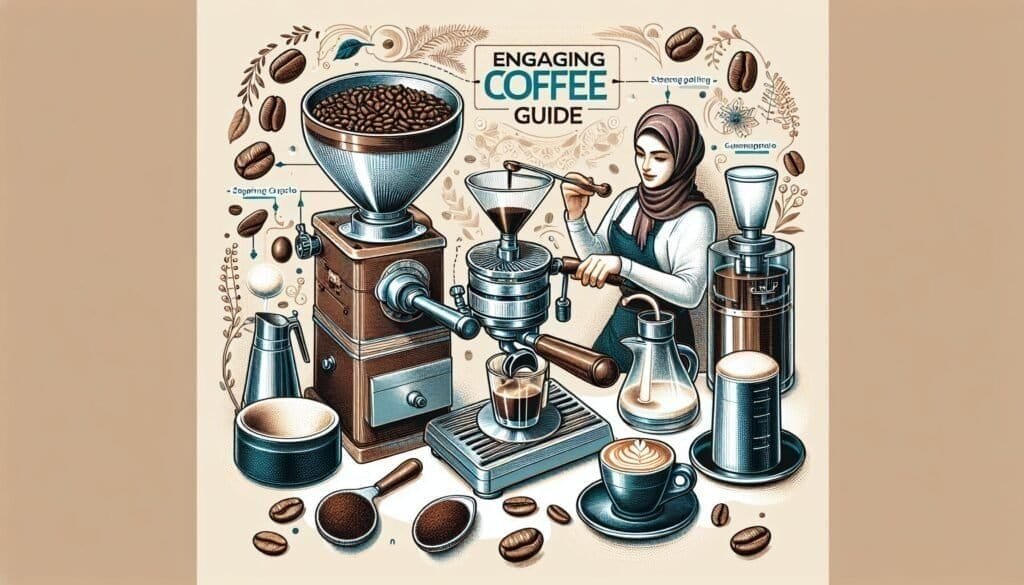
Espresso has a rich history and a unique brewing process that sets it apart from other coffee brews. In this article, we will look at the origins of espresso and how it has evolved over the years. We will also explore the key components that make up a perfect cup of espresso and discuss the differences between espresso and other brewing methods.
The History and Evolution of Espresso
The history of espresso traces back to the 19th century, when coffee houses began to pop up all over Europe. But, it was in Italy where espresso truly found its home. Angelo Moriondo patented a steam-driven coffee machine in Turin in 1884, and Luigi Bezzera patented an improved single-serve design in 1901 that La Pavoni soon brought to market. The spring lever pressure that gives espresso its crema arrived with Achille Gaggia’s machines in the late 1940s. This breakthrough invention allowed for the rapid extraction of coffee, resulting in a concentrated and bold flavor.
Over the years, espresso has become entrenched in Italian culture and has spread to the rest of the world. The increase in global demand for espresso has led to advancements in espresso machines and brewing techniques. From lever-powered machines to modern automated espresso machines, the evolution of espresso has been driven by the pursuit of the perfect cup.
The Difference Between Espresso and Other Coffee Brews
While espresso is a type of coffee, it differs significantly from other brewing methods in terms of taste, strength, and brewing process. One key difference is the brewing time. Whereas drip coffee is brewed for several minutes, espresso is brewed in a matter of seconds. This short brewing time results in a concentrated shot of coffee that is rich in flavor and aroma.
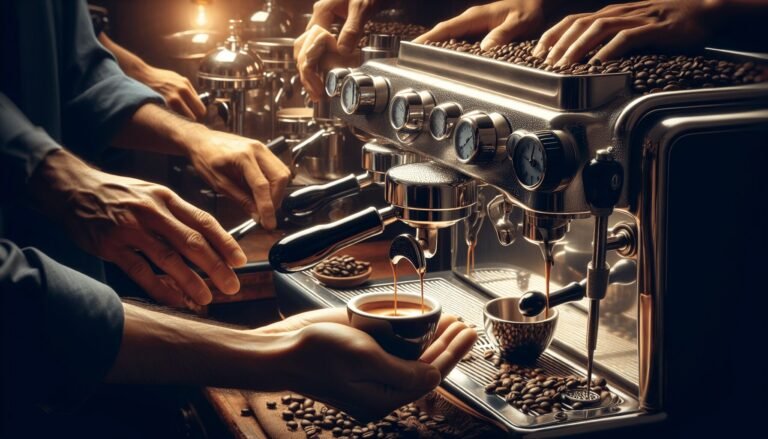
The brewing process of espresso also sets it apart from other methods. It involves forcing hot water through finely ground coffee under high pressure. This process extracts the flavors and oils from the coffee beans to create a thick and velvety shot. The use of pressure gives espresso its signature crema, a layer of foam on top of the shot.
Another distinction is the strength of espresso compared to other coffee brews. Espresso packs a punch with its concentrated flavors, making it the base for many popular coffee drinks like lattes and cappuccinos. The unique characteristics of espresso make it a favorite among coffee enthusiasts who prefer a bold and intense experience.
Key Components of an Espresso
To fully appreciate espresso, it is essential to understand its key components. The three main components of an espresso shot are the crema, the body, and the heart.
The crema is the reddish-brown foam that forms on top of the espresso shot. It is created by the emulsification of oils in the coffee beans during the brewing process. The crema adds a smooth texture and improves the overall drinking experience. Crema says more about freshness and bean type than about quality: very fresh beans and Robusta blends both produce plenty of it, so taste the shot before trusting the foam.
The body refers to the weight and mouthfeel of the espresso. A good espresso should have a full-bodied texture that coats the tongue and leaves a lasting impression. It should not be watery or thin, as this indicates a weak extraction.
The heart of the espresso is the base of the shot, which contains the concentrated flavors and the essence of the coffee. It should have a balanced and complex taste, with notes of fruity, chocolate, or nutty flavors.
Understanding these key components is key in mastering the art of advanced espresso brewing. Achieving the perfect balance of crema, body, and heart is the holy grail for espresso enthusiasts.
Equipment Needed for Making Espresso
To make a great cup of espresso, having the right equipment is key. In this section, we will explore the different types of espresso machines, the importance of choosing the right grinder, and the other tools and accessories necessary for the espresso-making process.
Types of Espresso Machines
There are several types of espresso machines available on the market, each with its own set of features and functionalities. The most common types are manual, semi-automatic, automatic, and super-automatic machines.
Manual espresso machines require the user to manually regulate the water pressure and temperature. They offer a high level of control but require some skill and experience to operate effectively. On the other end of the spectrum, super-automatic machines do almost everything automatically, from grinding the beans to frothing the milk. They are the most user-friendly but offer limited control over the brewing process.
Semi-automatic and automatic machines fall in between, offering varying degrees of control and automation. They are the most popular choice among coffee enthusiasts, as they provide a balance between convenience and customization.
When choosing an espresso machine, consider factors such as your skill level, desired level of control, and budget. It is also important to research the reliability and durability of different brands and models.
Choosing the Right Grinder
A high-quality grinder is essential for achieving a consistent grind size, which in turn affects the extraction and flavor of the espresso. There are two main types of grinders: blade grinders and burr grinders.
Blade grinders are the most common and affordable option. But, they produce an uneven grind, resulting in inconsistent extraction and potentially bitter-tasting espresso. Burr grinders, on the other hand, offer a more precise and consistent grind. They use two abrasive surfaces, called burrs, to crush the coffee beans to a uniform size.
A burr grinder with fine, repeatable adjustment is the upgrade that matters for espresso, and conical and flat burrs both work. The grind size should be adjusted based on the desired brewing time and extraction.
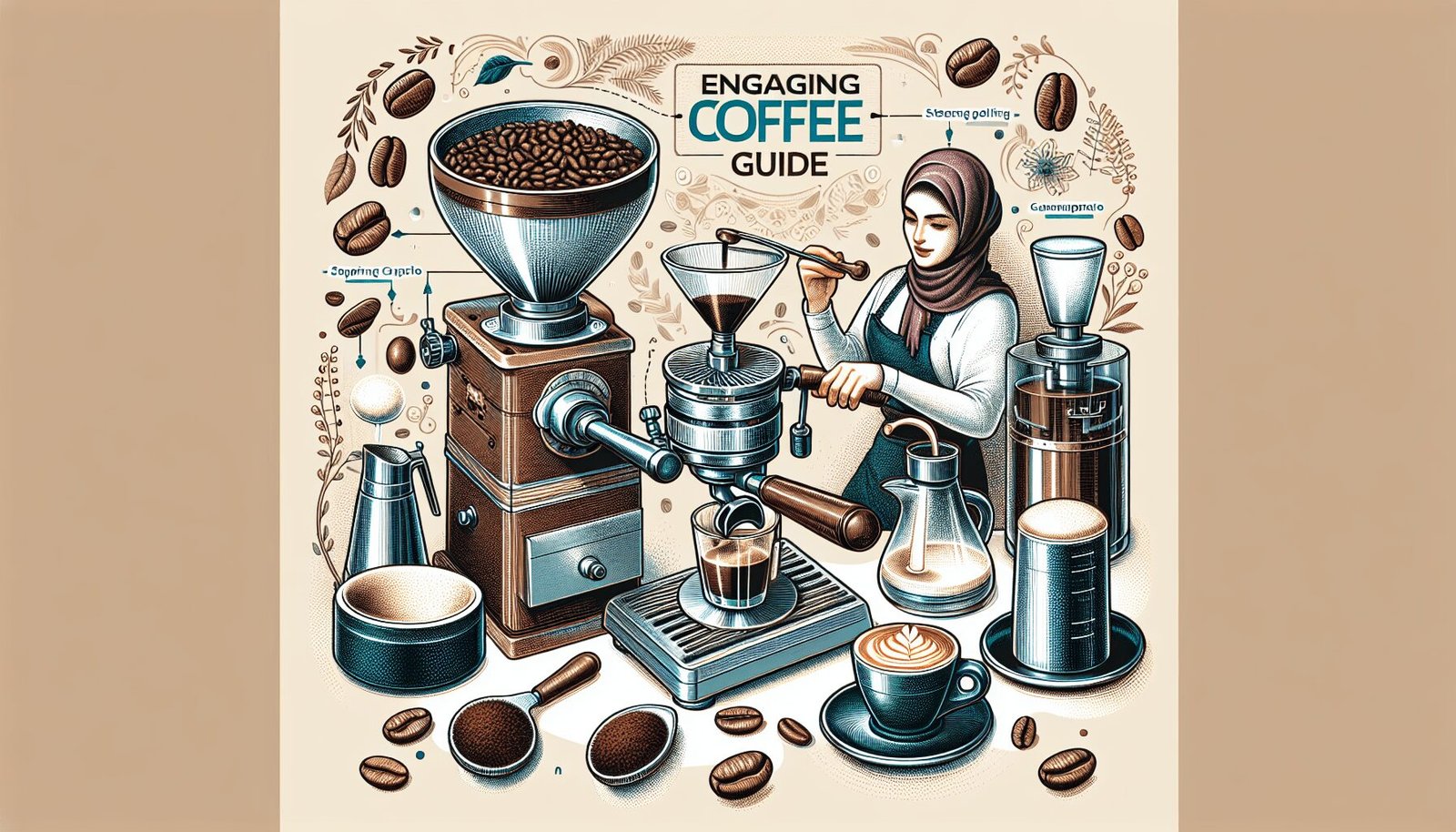
In addition to a reliable espresso machine and grinder, there are other essential tools and accessories needed for making espresso. These include a tamper for compacting the coffee grounds, a knock box for disposing of used coffee grounds, a scale for accurate measurements, a milk frothing pitcher for creating foam, and a thermometer for monitoring water temperature. These tools, when used correctly, contribute to the overall quality and consistency of the espresso.
Choosing the Right Coffee Beans
The choice of coffee beans greatly impacts the flavor and quality of the espresso. In this section, we will explore the different varieties of espresso beans, the importance of bean freshness, and the impact of roasting styles on flavor.
Exploring Varieties of Espresso Beans
There is a wide variety of coffee beans suitable for making espresso, each with its own unique flavor profile. Arabica and Robusta beans are the two most common types used for espresso. Arabica beans are known for their delicate flavors and bright acidity, making them a popular choice among specialty coffee lovers. Robusta beans, on the other hand, have a stronger and more bitter taste profile, often used in blends to improve the crema and body of the espresso.
Single-origin espresso beans, sourced from a specific region or country, provide an opportunity to explore and appreciate the distinct flavors of different coffee-growing regions. These beans showcase the unique characteristics of the soil, climate, and processing methods of their origin.
Blends, on the other hand, combine beans from various regions to create a balanced and consistent flavor profile. They allow for greater control over the taste, ensuring a reliable and familiar experience for the consumers.
When choosing espresso beans, consider your preference for flavor profiles, aroma, and acidity. Experimenting with different beans will help you discover your personal taste preferences and find the perfect espresso for you.
The Importance of Bean Freshness
Freshness is vital for espresso beans. Coffee beans start losing their flavor and aroma soon after being roasted. Ideally, espresso beans should be used within two to three weeks of the roast date to ensure optimal taste.
To maintain freshness, it is recommended to buy whole bean coffee rather than pre-ground. Whole beans retain their flavor and aroma for a longer time due to less surface area exposure. Grind the beans just before brewing to preserve the flavors locked within.
Proper storage is also key in preserving the freshness of the beans. Coffee should be stored in a cool, dark, and airtight container to protect it from exposure to oxygen, moisture, and light. Skip the refrigerator, where moisture and food odors creep in. The freezer works for beans you will not use within a couple of weeks, as long as they go in airtight, single-use portions that are not thawed and refrozen.
Roasting Styles and Their Impact on Flavor
The degree of roast has a significant impact on the flavor profile of the espresso. Lighter roasts tend to preserve the delicate and subtle flavors of the coffee, while darker roasts develop more intense and solid flavors.
Light roasts bring out the natural acidity, floral notes, and fruitiness of the beans. They have a lighter body and can exhibit more complexity in taste. Dark roasts, on the other hand, result in bolder and smokier flavors. They often have a fuller body and lower acidity.
It is important to note that over-roasting can lead to a loss of flavor and the development of burnt or bitter notes. Finding the right balance of roast level is essential in highlighting the unique qualities of the beans and creating a well-rounded espresso experience.
Mastering Coffee Grinding
Grinding the coffee beans to the right consistency is key in achieving a perfect extraction. In this section, we will explore grinding techniques for espresso, the concept of grind size, and how to recognize quality and consistency in the grind.
Grinding Techniques for Espresso
The grinding process plays a key role in the extraction of flavors from the coffee beans. There are various grinding techniques that can be employed to achieve the desired results.
One popular technique is the “dose and tamp” method. This involves measuring the appropriate amount of coffee grounds, known as the dose, and evenly distributing them in the portafilter. The grounds are then compacted using a tamper to ensure even water flow and extraction. This technique allows for precise control over the brewing process and provides consistent results.
Another technique is the “grind on demand” approach. This involves grinding the coffee beans just before brewing to maximize freshness. Grind on demand machines typically have a built-in grinder, allowing for immediate grinding as needed.
Both techniques have their advantages and depend on personal preference and the equipment available. But, regardless of the technique used, it is essential to focus on achieving a consistent grind.
Understanding and Adjusting Grind Size
Grind size is one of the critical factors in determining the extraction time and flavor profile of the espresso. It refers to the coarseness or fineness of the coffee grounds.
For espresso, a finer grind slows the flow and lengthens the shot, which extracts more, while a coarser grind speeds the flow, shortens the shot, and extracts less. Finding the right grind size for your preferred brewing method can be a matter of trial and error.
When adjusting the grind size, it is important to make small changes and observe the resulting extraction. If the espresso tastes overly bitter or sour, it may indicate that the grind size is too fine or coarse, respectively. Fine-tuning the grind size can help achieve a more balanced and desirable flavor.
Recognizing Quality and Consistency in Grind
Consistency in grind size is key for a uniform extraction and a well-balanced cup of espresso. Uneven grounds can lead to inconsistent flavor and difficulties in controlling the brewing process.
To identify quality and consistency in the grind, pay attention to the particle size distribution. A good grind will have evenly sized particles, ensuring consistent extraction and optimal flavor. Fine particles should not be mixed with larger particles, as this can result in over-extraction of some grounds and under-extraction of others.
Using a sieve or examining the grounds under a magnifying glass can help identify any inconsistencies and fine-tune the grinding process. Regularly cleaning and maintaining the grinder is also essential to prevent unnecessary residue and maintain its performance.
By mastering the art of coffee grinding and achieving a consistent, high-quality grind, you can improve your espresso-making skills to new heights.
Importance of Water in Espresso Making
Water is a key component in the espresso-making process, affecting both the brewing temperature and pressure. In this section, we will discuss the roles of water temperature and pressure and the impact of water mineral content on the quality of the espresso.
Roles of Water Temperature and Pressure
Water temperature and pressure are vital in achieving the optimal extraction of flavors from the coffee grounds. The temperature should ideally be between 195°F and 205°F (90°C and 96°C), as this allows for proper extraction without scorching the coffee.
Water that is too cold may result in under-extracted coffee with a sour and acidic taste. On the other hand, water that is too hot can over-extract the coffee, resulting in a bitter and burnt flavor. Achieving the right water temperature is key for striking the perfect balance and unlocking the full potential of the coffee beans.
The pressure exerted on the coffee grounds during the brewing process also plays a significant role. The industry standard for espresso is 9 bars of pressure, which allows for the extraction of the oils and flavors from the coffee. This high pressure ensures a consistent and concentrated shot of espresso. But, it is important to note that different machines and brewing techniques may require slight adjustments to the pressure for optimal results.
Effects of Water Mineral Content on Espresso
Water mineral content, specifically hardness and alkalinity, can significantly impact the quality and flavor of espresso. Hard water contains high levels of minerals, such as calcium and magnesium, while soft water has lower mineral content.
Very soft water tends to make flat, thin shots, because minerals such as calcium and magnesium help pull flavor from the grounds. Very hard water leaves limescale in the boiler, and high alkalinity (bicarbonate) buffers acidity so shots taste dull and chalky.
Filtered water is the safe default. Skip pure distilled or reverse osmosis water unless you add minerals back, since mineral-free water tastes flat and some machines rely on minerals for their water level sensors. It helps to eliminate impurities and provides a consistent brewing environment. Water testing kits can also be used to measure water hardness and adjust it accordingly to tune the taste of the espresso.
Understanding and managing the role of water in espresso making is essential for achieving consistent and high-quality results. It is worth investing time and effort into the water quality to open up the full potential of the coffee beans.
Advanced Espresso Brewing Techniques
Once you have mastered the basics of making espresso, you can look at the world of advanced brewing techniques. In this section, we will explore correct dosing and distribution, mastering tamping techniques, perfecting the brew time, and understanding and adjusting brewing pressure.
Correct Dosing and Distribution
Dosing refers to the amount of coffee grounds used in the portafilter. The correct dose is key in achieving the desired extraction and flavor profile. It should be consistent and matched to the specific coffee beans and brewing equipment being used.
Under-dosing can result in weak and watery espresso, while over-dosing can lead to over-extraction and a bitter taste. Finding the right balance, usually around 18-20 grams of coffee for a double shot, is important in creating a well-balanced but solid espresso.
Distribution refers to the even distribution of the coffee grounds in the portafilter. An uneven distribution can lead to uneven extraction and channeling, where the water finds the path of least resistance instead of evenly passing through the coffee bed.
To achieve proper distribution, use a distribution tool or the back of a spoon to level the coffee grounds. This ensures an even surface and improves water flow for a more consistent extraction. A gentle tap on the side of the portafilter can also help settle the grounds and remove any air pockets.
Mastering Tamping Techniques
Tamping is the process of compacting the coffee grounds in the portafilter using a tamper. It helps to create a stable and uniform coffee bed, ensuring even water flow and extraction.
A good tamp requires applying consistent pressure to the grounds. The general guideline is to use approximately 30 pounds of pressure, but it can vary depending on personal preference and the coffee beans being used. The goal is to achieve a flat and level surface without any visible gaps or irregularities.
Practicing and refining your tamping technique is key in achieving a consistent and proper extraction. Experimenting with different levels of pressure and adjusting based on taste will help you find the ideal tamp for your espresso.
Perfecting the Brew Time
Brew time refers to the duration of the extraction process. It plays a significant role in the overall taste and quality of the espresso. The ideal brew time for a double shot of espresso is typically around 25-30 seconds. This allows for sufficient extraction of flavors without over-extracting and resulting in a bitter taste.
Monitoring and adjusting the brew time is essential to achieve the desired balance. Factors such as grind size, dose, and temperature can influence the brew time. Fine-tuning these variables can help achieve consistent and optimal results.
It is important to note that brew time alone does not determine the quality of the espresso. It should be used in conjunction with other variables, such as taste and extraction rate, to achieve a well-rounded and satisfying cup of espresso.
Understanding and Adjusting Brewing Pressure
While most espresso machines operate at a standard 9 bars of pressure, understanding and adjusting brewing pressure can provide further customization and control over the espresso extraction.
Different coffee beans and roast profiles may require slight adjustments to the brewing pressure to tune the taste and flavor extraction. Lower pressure can result in a softer and more delicate espresso, while higher pressure can lead to a more solid and intense shot.
Experimenting with different pressure levels and observing the resulting flavors can help show the unique characteristics of the coffee beans. But, it is important to be cautious when adjusting brewing pressure, as too much or too little pressure can negatively affect the taste and consistency.
The Art of Milk Frothing for Espresso
Milk-based espresso drinks, such as lattes and cappuccinos, are beloved by many coffee fans. In this section, we will explore the different types of milk-based espresso drinks, techniques for producing smooth, micro-foam milk, and strategies for pouring and creating latte art.
Different Types of Milk-Based Espresso Drinks
Milk-based espresso drinks offer a delightful combination of rich espresso and velvety textured milk. There are several popular varieties, each with its own unique characteristics.
Cappuccino: A classic Italian beverage that traditionally consists of equal parts espresso, steamed milk, and foamed milk. The layers of espresso, milk, and foam create a harmonious balance of flavors and textures.
Latte: A latte is typically made with more steamed milk than a cappuccino, resulting in a smoother and creamier texture. The espresso is layered with a larger amount of stretched milk, often topped with a small layer of foam.
Flat White: Originating from Australia and New Zealand, a flat white is made with a double shot of espresso and a thin layer of micro-foam milk. It has a strong espresso flavor with a velvety milk texture.
Macchiato: A macchiato is a shot of espresso “stained” with a small amount of steamed milk or foam. It offers a more intense and concentrated coffee experience with just a touch of sweetness from the milk.
Each milk-based espresso drink requires different milk steaming and frothing techniques to achieve the desired texture and taste.
Techniques for Producing Smooth, Micro-Foam Milk
The key to achieving smooth and velvety textured milk lies in the art of milk steaming and frothing. Proper technique and attention to detail are essential in producing micro-foam, where tiny bubbles are incorporated into the milk to create a smooth and creamy texture.
Start by using fresh and cold milk, preferably whole milk, as it provides a richer and creamier texture. Fill the milk pitcher about one-third full to allow room for expansion during the steaming process.
Position the steam wand just below the surface of the milk, creating a slight vortex motion to help even heat distribution. The goal is to incorporate air into the milk while keeping the steam wand submerged but not touching the bottom of the pitcher.
As the milk begins to heat, gradually lower the steam wand and continue to incorporate air until the desired temperature is reached. The proper milk temperature for espresso drinks is typically between 140-160°F (60-71°C).
To achieve a silky and consistent texture, gently tap the milk pitcher on a hard surface to remove any large bubbles. Swirl the milk in a circular motion to blend the foam with the liquid, creating a homogeneous texture.
Strategies for Pouring and Creating Latte Art
Pouring the steamed milk into the espresso requires precision and control. The pouring technique can significantly impact the appearance of the drink and the potential for creating latte art.
When pouring, start by placing the spout of the milk pitcher close to the surface of the espresso and pour slowly to allow the milk and foam to integrate with the espresso. Gradually increase the height at which the milk is poured to create the desired patterns and designs.
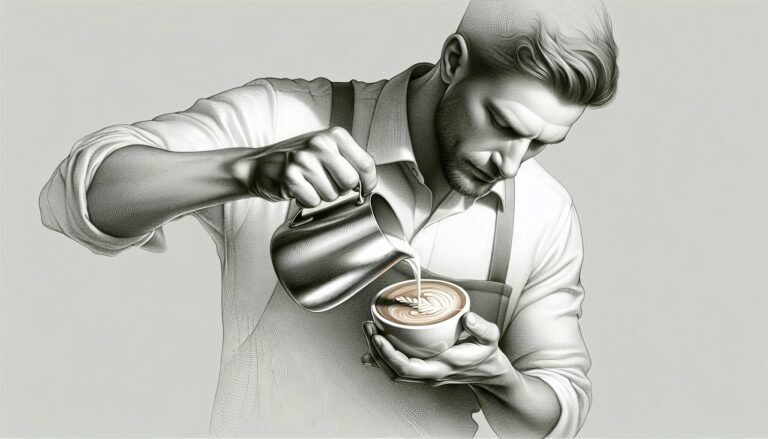
To create latte art, such as hearts or rosettas, the milk must be poured in a specific manner. For a heart, start pouring from a few inches up to mix milk into the espresso. When the cup is about half full, lower the pitcher close to the surface and hold it steady so a round white circle spreads, then lift slightly and pull a thin stream through the middle to finish.
Rosettas, on the other hand, require more detailed and deliberate pouring techniques. Lower the pitcher close to the surface once the cup is about half full, wiggle it gently side to side so the milk folds into ripples, and drift backward toward the near edge while wiggling. Finish by lifting the pitcher and pulling a thin line forward through the pattern.
It is important to note that mastering latte art requires practice and patience. It is a combination of proper milk steaming, pouring technique, and hand coordination. With time and dedication, you can impress yourself and others with beautiful latte art designs.
Maintaining Espresso Equipment
Proper maintenance of espresso equipment is essential to ensure consistent performance and longevity. In this section, we will discuss the proper cleaning and maintenance of espresso machines, recognizing and fixing common machine issues, and understanding the lifespan of espresso equipment.
Proper Cleaning and Maintenance of Espresso Machines
Regular cleaning of your espresso machine is key in preventing the buildup of residue and ensuring optimal performance. It helps to maintain the taste and quality of the espresso and extends the lifespan of the equipment.
After each use, it is important to purge the steam wand and group head to remove any milk or coffee residue. This can be done by running water through the steam wand and pulling a blank shot through the group head. Wiping the steam wand with a damp cloth and removing any milk residues is also essential to prevent clogs and contamination.
Backflushing, or performing a thorough cleaning of the group head, should be done regularly. It involves using a blind filter and a designated cleaning agent to remove built-up coffee oils and residue. Follow the manufacturer’s instructions for backflushing frequency and cleaning products.
Descaling, or removing mineral deposits from the espresso machine, is another important maintenance task. Over time, minerals from the water can build up on the internal components of the machine, affecting its performance and taste. Descaling solutions or citric acid can be used to remove these deposits, following the manufacturer’s guidelines and recommendations.
Recognizing and Fixing Common Machine Issues
Espresso machines, like any other appliances, can experience issues and malfunctions over time. Recognizing and addressing these issues promptly is essential to maintain the quality and functionality of the equipment.
Common issues include temperature inconsistency, low water flow, and steam wand blockage. Temperature inconsistency can be due to faulty thermostats or heating elements. Low water flow may indicate a clogged water line or a malfunctioning pump. A steam wand blockage can be caused by dried milk residue or limescale build-up.
When confronted with these issues, it is recommended to consult the user manual or reach out to a professional technician for assistance. Regular preventative maintenance and cleaning routines can help prevent many of these common issues, ensuring a smooth and trouble-free espresso-making experience.
Lifespan of Espresso Equipment and When to Replace
The lifespan of espresso equipment can vary depending on various factors, including usage frequency, maintenance routines, and the quality of the machine itself. On average, a well-maintained espresso machine can last between 5 to 10 years.
But, there may come a time when replacing the espresso machine becomes necessary. Signs that it may be time for a replacement include frequent breakdowns, difficulty in maintaining consistent temperature and pressure, and excessive wear and tear.
When considering a replacement, it is important to research and choose a machine that suits your needs and budget. Factors to consider include the brewing capacity, ease of use, durability, and the availability of spare parts and maintenance services. Investing in a high-quality machine from a reputable brand ensures a reliable and enjoyable espresso-making experience for years to come.
Tasting Espresso Like a Pro
Tasting espresso like a pro involves understanding the flavor profile and sensory experience of the coffee. In this section, we will discuss understanding the flavor profile of espresso, identifying defects and issues in the brew, and improving sensory skills and palate.
Understanding Flavor Profile of Espresso
The flavor profile of espresso is a complex combination of taste, aroma, and mouthfeel. It is influenced by various factors, including the coffee beans, roasting level, brewing parameters, and water quality.
To understand the flavor profile, start by evaluating the aroma. Aromas can range from floral and fruity to chocolatey and nutty. Take a moment to inhale the scent of the espresso and try to identify the different notes and nuances.
Next, take a sip of the espresso and let it coat your entire mouth. Pay attention to the taste sensations, such as sweetness, bitterness, acidity, and any distinctive flavors that may be present. Take note of the balance between these elements and the overall intensity and complexity of the flavor.
Mouthfeel refers to the physical sensations and texture of the espresso in your mouth. It can range from light and watery to full-bodied and creamy. Consider the weight, viscosity, and lingering aftertaste of the espresso.
Developing a vocabulary for describing these sensory experiences can help you appreciate and articulate the flavors and characteristics of different espresso shots.
Identifying Defects and Issues in Brew
Being able to identify defects or issues in the brew is key in troubleshooting and improving the quality of the espresso. Common defects include under-extraction, over-extraction, sourness, bitterness, and inconsistent flavors.
Under-extraction occurs when insufficient flavors are extracted from the coffee grounds, resulting in a weak and sour taste. Over-extraction, on the other hand, leads to a bitter and overbearing flavor.
Sourness can be an indication of under-extraction or imbalanced acidity. Adjusting the brewing parameters, such as grind size, dose, and brew time, can help alleviate these issues.
Bitterness can result from over-extraction, improper brewing temperature, or poor-quality beans. Fine-tuning the brewing parameters and using fresh and high-quality beans can reduce bitterness and achieve a smoother taste.
Inconsistent flavors throughout the shot may suggest inconsistent grind size, uneven tamping, or channeling. Ensuring a consistent grind, proper distribution, and even tamping can help minimize these issues.
It is important to note that identifying and addressing these defects requires practice and experimentation. With time, experience, and feedback from others, you can refine your brewing techniques and improve the overall quality of the espresso.
Improving Sensory Skills and Palate
Improving sensory skills and developing a discerning palate is key in assessing the quality and intricacies of espresso. Key areas to focus on include aroma recognition, taste sensitivity, and mouthfeel evaluation.
Training your sense of smell and taste can be done through various exercises. Smelling and tasting different ingredients, such as fruits, herbs, and spices, can help develop a broader olfactory and taste vocabulary. Cupping sessions, where you evaluate different coffees side by side, can also help sharpen your sensory skills and palate.
Practicing sensory evaluation regularly and taking notes can help you develop a deeper understanding and appreciation for espresso. It allows you to identify subtle differences in flavor, texture, and aroma, and provides valuable feedback for adjusting brewing parameters and improving the overall espresso experience.
Exploring Specialty Espresso Drinks
Once you have mastered the fundamentals of making espresso, it’s time to look at specialty espresso drinks. In this section, we will explore advanced recipes and variations, the revolution in third-wave coffee, and the art of pairing espresso with food.
Advanced Recipes and Variations
specialty espresso drinks offers a many of recipes and variations to experiment with. From creative interpretations of classic drinks to innovative creations, the possibilities are endless.
Some popular advanced recipes include:
-
Affogato: A classic Italian dessert that combines a shot of espresso with a scoop of vanilla ice cream or gelato. The hot espresso melts the cold ice cream, creating a delightful contrast of temperatures and flavors.
-
Espresso Martini: A sophisticated and energizing cocktail that blends espresso, vodka, coffee liqueur, and a touch of sugar syrup. It is shaken with ice and strained into a martini glass, resulting in a smooth and luxurious drink.
-
Iced Espresso Drinks: Cold and refreshing espresso drinks, such as iced lattes or iced mochas, are perfect for hot summer days. They combine chilled espresso with milk, ice, and sweeteners, offering a delightful balance of flavors.
Feel free to experiment with different ingredients, ratios, and techniques to create your own signature espresso drinks. specialty coffee is constantly evolving, and there is always room for creativity and innovation.
Revolution in Third-Wave Coffee
The third-wave coffee movement has brought about a revolution in espresso. It focuses on the pursuit of quality, sustainability, and transparency, and emphasizes the unique characteristics of coffee beans and the craft of brewing.
Third-wave coffee shops and roasters are dedicated to sourcing high-quality beans, often focusing on single-origin and specialty coffees. They prioritize direct trade relationships with farmers, promoting fair prices and sustainable practices.
In the third-wave coffee movement, there is a renewed emphasis on manual brewing methods, such as pour-over and AeroPress, to highlight the nuances and flavors of the coffee. Espresso is seen as the pinnacle of coffee extraction, requiring careful attention to detail and precision.
By exploring and embracing the revolution in third-wave coffee, you can improve your espresso experience to new heights. It encourages a deeper appreciation for the origin, processing, and quality of the beans, and fosters a connection between the consumer and the coffee industry.
The Art of Pairing Espresso with Food
Pairing espresso with food is an art that can improve both the flavors of the coffee and the dish. In this section, we will explore strategies for creating harmonious flavor combinations and enhancing the overall dining experience.
One approach to pairing espresso with food is to complement flavors. For example, a dark chocolate dessert can be complemented by an espresso with nutty or fruity flavor notes. The richness of the chocolate and the boldness of the coffee create a harmonious and indulgent pairing.
Contrasting flavors can also create interesting and dynamic combinations. For instance, a citrusy and bright espresso can provide a refreshing contrast to a rich and savory dish. The acidity of the coffee helps to cleanse the palate and balance out the flavors.
Consider the intensity of both the food and the espresso when pairing. Lighter-bodied espressos may be better suited for delicate dishes, while bolder and more solid espressos can hold their own against heavier and spicier foods.
It is important to approach espresso and food pairing with an open mind and a sense of adventure. Experiment with different flavor combinations and take note of what works well together. In the end, it is about creating a complete and immersive dining experience that engages all the senses.
Learning to appreciate and master the art of advanced espresso requires passion, patience, and a willingness to experiment. By understanding the history, components, and techniques of espresso-making, as well as exploring specialty drinks and flavor pairing, you can start a fulfilling routine of coffee exploration. So, grab your espresso equipment, choose a selection of high-quality beans, and let your creativity flow as you start the adventure of mastering the art of advanced espresso.
Espresso Extraction Variables at a Glance
Every variable in this guide moves extraction up or down. This table puts them side by side with a sensible starting point, so you can change one at a time and know what to expect.
| Variable | Common starting point | Push it further and… |
|---|---|---|
| Grind size | Fine, adjusted until the shot hits your target time | Finer slows the flow and raises extraction. Too fine chokes the machine and tastes harsh. |
| Dose | 18 grams in a standard double basket (match the basket’s rated size) | More coffee slows the flow and makes a stronger shot, but lowers extraction unless you grind coarser. |
| Ratio (yield) | About 1:2, so 36 grams out for 18 grams in | A longer ratio extracts more and thins the body. A shorter one tastes thicker and sweeter, until it tips into sour. |
| Shot time | 25 to 30 seconds from pressing the button | More contact time means more extraction. Time is a clue, not a target: taste decides. |
| Water temperature | 90 to 96°C (195 to 205°F) | Hotter extracts more. Light roasts usually want the top of the range; dark roasts often taste smoother near the bottom. |
| Pressure | About 9 bar at the group | Some baristas drop to 6 or 7 bar to calm channeling on light roasts. Higher is rarely better. |
| Water minerals | The SCA water standard targets about 68 mg/L calcium hardness, 40 mg/L alkalinity, and 150 mg/L total dissolved solids | More hardness pulls more flavor but builds scale. More alkalinity mutes acidity and makes shots taste flat. |
Temperature has its own deep end. Our guide to coffee brewing temperature explains why 195°F to 205°F keeps showing up across brew methods.
How to Read Extraction by Taste
- Sour, salty, thin: under-extracted. Grind finer, run a slightly longer ratio, or raise the temperature a couple of degrees.
- Bitter, drying, hollow: over-extracted. Grind coarser or shorten the ratio.
- Sour and bitter in the same sip: uneven extraction. Water is channeling through part of the puck and skipping the rest. Fix distribution and tamping before you touch the grinder.
- Sweet, balanced, lingering: leave everything alone and write the recipe down.
A grinder that moves in small, repeatable steps makes all of this easier. Our best espresso grinder guide covers the spec that decides the shot. For the full walk-through of pulling a single great shot, see our perfect shot guide. If you are newer to the machine side, start with our beginner’s guide to advanced espresso. More guides live on the Coffee Rank IQ homepage.
FAQ
What is a good extraction yield for espresso?
Most well-made espresso lands at roughly 18 to 22 percent extraction yield. You measure it with a refractometer, which reads the shot’s strength, then combine that reading with dose and yield weights. Without a refractometer, taste does the same job well enough at home.
Does thick crema mean the shot is well extracted?
No, crema mostly reflects freshness and bean type. Very fresh beans and Robusta blends both make plenty of it, even when the shot tastes sour or bitter. Our espresso crema guide explains what the foam can and cannot tell you.
Why does my espresso taste sour and bitter at the same time?
That usually means uneven extraction, where water channels through weak spots in the puck. Part of the coffee is over-extracted while the rest barely gets touched. Break up clumps, level the grounds before tamping, and tamp flat.
Keep Exploring Coffee Rank IQ
- Coffee Rank IQ home: reviews, brewing guides, and coffee science
- Advanced Espresso Brewing 101: Understanding The Science Behind Extraction
- Advanced Espresso: Understanding The Science Behind Perfect Extraction With Expert Advice
- The Science Behind the Perfect Espresso Shot and Creamy Drink
- Best Espresso Grinder: The Spec That Decides Your Shot