Roasting Coffee for Espresso: Development, Rest, and Blends
You are about to start a routine that will take your espresso brewing skills to new heights. In this article, you will discover a world of advanced techniques that will help you master the art of roasting and blending coffee beans, resulting in the perfect cup of espresso. From understanding the intricacies of the roasting process to creating harmonious flavor profiles through precise blending, this guide will equip you with the knowledge and skills necessary to improve your espresso game to the next level. Get ready to open up the secrets of advanced espresso and start a taste adventure like no other.
Roasting coffee for espresso means carrying the roast far enough past first crack to soften sharp acidity and build body, usually landing between medium and medium-dark. Rest the beans several days before pulling shots. For blends, pair a sweet, low-acid base coffee with a brighter accent coffee and adjust the ratio in small steps.
Understanding the Fundamentals of Coffee Beans
Origin of Coffee Beans
Coffee beans have a fascinating history that dates back centuries. The origin of coffee can be traced to the ancient coffee forests of Ethiopia. According to legend, a goatherd named Kaldi discovered the energizing properties of coffee beans when he noticed his goats becoming unusually lively after munching on the fruit of a certain tree. This discovery eventually led to the cultivation and widespread consumption of coffee throughout the world.
Different Varieties of Coffee Beans
Coffee beans come in various varieties, each offering its own unique flavor profile. The most common types of coffee beans include Arabica and Robusta. Arabica beans are known for their delicate flavors, brighter acidity, and pleasant aroma. On the other hand, Robusta beans are more solid in both flavor and caffeine content. Other lesser-known species, such as Liberica (botanists now class Excelsa as a variety of Liberica), offer distinct flavors of their own.
Understanding Flavor Profile of Coffee Beans
The flavor profile of coffee beans is influenced by various factors, including the coffee plant’s origin, soil composition, altitude, and processing methods. Each cup of coffee possesses a complex combination of aromatic compounds that contribute to its unique taste. The flavor notes can range from fruity and floral to chocolatey and nutty. Understanding the flavor profile of different coffee beans is key for creating the perfect blend or roast.
Understanding the Coffee Roasting Process
Process of Coffee Roasting
coffee roasting is a critical step in bringing out the desirable flavors and aromas that we associate with a great cup of coffee. The process involves applying heat to green coffee beans, causing them to undergo physical and chemical changes. During roasting, the beans go through a series of stages, including drying, browning, and development. This transformation is what gives coffee its characteristic flavor profile.
Different Levels of Roast
Coffee beans can be roasted to various degrees, resulting in different levels of roast. The most common levels of roast are light, medium, and dark. Light roasts tend to maintain more of the bean’s original flavors and acidity, offering a bright and vibrant taste. Medium roasts strike a balance between acidity and richness, offering a well-rounded flavor. Dark roasts, on the other hand, are characterized by a bold and smoky taste, with a diminished acidity.
How Roasting Impacts Flavor
Roasting greatly influences the flavor of coffee beans. The duration and temperature of the roast can improve or diminish certain flavor characteristics. Lighter roasts generally preserve more of the bean’s natural acidity and delicate flavors. As the roast darkens, the flavors become bolder and more caramelized, with a decrease in acidity. But, roasting for too long or at high temperatures can lead to undesirable flavors, such as bitterness or burnt notes.
Advanced Tips for Coffee Roasting
Choosing the Right Roasting Equipment
Investing in the right coffee roasting equipment is essential for achieving consistent and high-quality results. Whether you opt for a small-scale roaster or a larger commercial-grade machine, it’s important to consider factors such as temperature control, airflow, and batch size. Electric drum roasters, fluid bed roasters, and air roasters are some of the popular options available to coffee enthusiasts. Each has its own advantages and considerations, so choose one that suits your specific needs.
Monitoring and Controlling Temperature
Temperature control during the roasting process is key for ensuring optimal flavor development. Monitoring the temperature of the beans throughout the roast allows you to adjust the heat accordingly. This precision helps in achieving desired flavor profiles and avoiding under or over-roasting. Investing in a reliable thermometer or a roaster with a built-in temperature probe can greatly assist in maintaining temperature consistency.
Timing the Roast Process
Timing plays a vital role in the roasting process. Knowing when to start and end the roast is key for achieving desired flavors. It’s important to keep track of the time duration from the moment the beans are introduced into the roaster until they reach the desired roast level. Different beans and roast levels require varying roast times, so experimenting and keeping detailed records can help in perfecting the timing for each batch.
Perfecting the Art of Coffee Roasting for Espresso
Roasting for Espresso vs. Brewing
Roasting coffee specifically for espresso involves a different approach compared to roasting for other brewing methods. Espresso extraction requires a finer grind and a shorter brewing time, resulting in a concentrated and intense flavor. When roasting for espresso, it’s key to develop flavors that can withstand the high pressure and extraction process, resulting in a balanced and flavorful shot of espresso.
Roasting Techniques for Optimum Flavor
To achieve optimum flavor when roasting for espresso, certain techniques can be employed. One popular measure is the development time ratio (DTR), the share of total roast time that passes between first crack and the end of the roast. More development softens acidity and builds sweetness and body, which espresso usually welcomes, but stretch it too far and the cup turns flat and roasty. Other techniques include adjusting the roast profile to emphasize certain flavor notes or experimenting with different bean blends to create unique espresso profiles.
Achieving Consistency in Espresso Roast
Consistency is key when roasting for espresso. To maintain a consistent product, it’s important to establish a roast profile that consistently produces desired flavors and intensity. This requires precise control over the roasting variables, including temperature, time, and batch size. Regular cupping and taste testing can help in evaluating the consistency of the espresso roast and making necessary adjustments to achieve the desired flavor profile.
How to Detect Roasting Errors
Detecting roasting errors is key for maintaining the quality and consistency of espresso roast. Common roasting errors include underdevelopment, overdevelopment, scorching, or uneven roasting. These errors can result in undesirable flavors or inconsistent extraction. Regularly inspecting the beans for color, texture, and aroma during and after the roasting process can help in identifying any potential errors. Cupping and taste testing are invaluable tools for evaluating the quality of the roast and addressing any issues that may arise.

Understanding the Coffee Blending Process
Reasons for Coffee Blending
The coffee blending process involves combining different coffee bean varieties to create a unique flavor profile. Blending offers various benefits, such as achieving a consistent taste, enhancing desired flavors, or creating new and exciting flavor combinations. Blending can also help balance out the flavors of different coffee beans, creating a harmonious and well-rounded cup of coffee.
Understanding Coffee Flavor Combinations
When blending coffee beans, understanding the flavor combinations is key for creating a balanced and enjoyable cup of coffee. Each coffee bean variety contributes its own distinct flavor profile, and by blending them strategically, you can achieve a wide range of flavor combinations. For example, combining an earthy Sumatran coffee with a bright and fruity Ethiopian coffee can create a well-balanced and complex blend. Experimenting with different ratios and combinations can help open up new and exciting flavor profiles.
Advanced Tips for Coffee Blending
Choosing the Right Beans for Blending
Selecting the right beans for blending is essential for achieving the desired flavor profile. Consider the individual flavor characteristics of each coffee bean variety and how they will complement or improve each other. Experimenting with different origins, processing methods, and roast levels can result in unique and flavorful blends. Keep detailed records of the beans used in each blend to track successful combinations and refine the blending process over time.
Creating Balance in Flavor Profiles
Creating a balanced flavor profile in a blended coffee requires careful consideration of the individual components. Each bean in the blend should contribute its unique flavors without overpowering the others. It’s important to find the right balance of acidity, body, sweetness, and other flavor attributes. Consistent cupping and taste testing are essential in developing a palate for understanding how different components interact and adjusting the blend accordingly.
Experimenting with Unique Blends
The art of coffee blending allows for endless experimentation and creativity. Don’t be afraid to step outside the traditional flavor profiles and explore new taste experiences. For example, blending a medium-roasted Colombian coffee with a dark-roasted Indonesian coffee can create a rich and complex blend that satisfies a wide range of palates. Push the boundaries and experiment with different bean varieties, roast profiles, and ratios to discover exciting and unique flavor combinations.
Perfecting the Art of Coffee Blending for Espresso
Understanding the Importance of Consistency
Consistency is key when blending coffee for espresso. Espresso extraction is highly sensitive to changes in grind size, dose, and brewing time. By maintaining consistency in the blend composition, you can ensure a consistent extraction and flavor profile. Regular cupping and taste testing are essential tools for evaluating the quality and consistency of the espresso blend.
How to Achieve a Harmonious Blend
Achieving a harmonious blend for espresso involves finding the right balance of flavors and intensities. The different components of the blend should complement each other, resulting in a well-rounded and enjoyable shot of espresso. Consider the individual flavor profiles of each coffee bean variety and how they interact with each other. Adjusting the blend ratios and experimenting with different roast profiles can help in achieving the desired flavor balance.
Blending for Espresso vs. Brewing
Blending for espresso requires a different approach compared to blending for other brewing methods. Espresso extraction intensifies the flavors of the coffee, and certain components can be emphasized or subdued to create a harmonious blend. When blending for espresso, consider the extraction parameters, such as shot time and pressure. Experiment with different compositions and ratios to find the perfect blend that delivers a flavorful and balanced espresso shot.
The Importance of Testing and Tasting
Evaluating the Quality of Roast and Blend
Regular testing and tasting are essential for evaluating the quality of both the roast and blend. Cupping, the process of systematically tasting and comparing different coffees, allows for the evaluation of flavor, aroma, body, and overall quality. By cupping the coffee at various stages of the roasting and blending process, you can identify any defects or inconsistencies and make necessary adjustments to improve the final product.
Understanding the Coffee Cupping Process
The coffee cupping process involves a systematic and objective evaluation of coffee samples. It allows for comparing different coffees side by side, assessing their flavor profiles, and detecting any defects or flaws. Cupping involves grinding the coffee, steeping it in hot water, and then slurping it to aerate the coffee and spread it across the palate. By cupping regularly, you can develop a refined palate and become more adept at detecting subtle flavor nuances.
Developing an Advanced Palate
Developing an advanced palate is key for anyone involved in the coffee industry. It involves training your taste buds to perceive the subtleties and details of different coffees. Regularly tasting and comparing various coffees and blends can help refine your palate and provide valuable insights into the intricacies of the flavors. Practice, experimentation, and exposure to a wide range of coffee profiles are key to developing an advanced palate.
Maintaining Quality Control and Consistency
Adhering to Roasting and Blending Standards
Maintaining quality control and consistency in coffee roasting and blending requires adherence to specific standards and protocols. Establishing standard operating procedures for each step of the process helps ensure that every batch is consistently roasted or blended to the desired specifications. Documenting and analyzing data, such as roast profiles, blend ratios, and cupping results, can assist in identifying any variations and implementing necessary adjustments to maintain high-quality standards.
Storing Coffee Beans Properly
Proper storage of coffee beans is vital for preserving their freshness and flavor. Exposure to air, moisture, heat, and light can deteriorate the quality of coffee beans over time. To maintain the optimal flavor, it’s recommended to store coffee beans in airtight containers in a cool, dark, and dry place. Skip the refrigerator, where moisture and food odors creep in. The freezer works for beans you will not use within a couple of weeks, as long as they go in airtight, single-use portions that are not thawed and refrozen.
Routine Quality Checks
Conducting routine quality checks throughout the roasting and blending process is essential for ensuring consistent quality. Monitoring each step, from green beans to the final product, allows for early detection of any issues or deviations from the desired quality standards. Regular cupping, taste testing, and careful record-keeping can provide valuable insights and help maintain high-quality standards across all batches.
Advanced Espresso Techniques and Equipment
Investing in Quality Espresso Machines
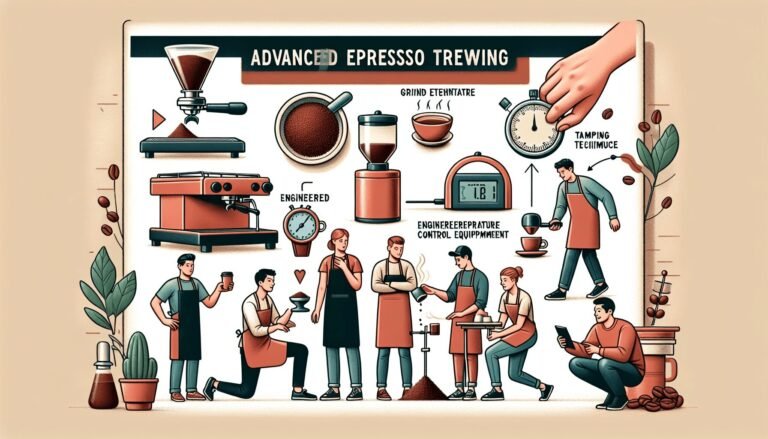
Investing in a quality espresso machine is key for achieving excellent espresso shots. Consider factors such as boiler capacity, heat stability, pressure control, and temperature consistency when choosing an espresso machine. Commercial-grade machines often offer improved features and greater precision in brewing parameters. With the right equipment, you can have better control over the extraction process and produce consistent, high-quality espresso.
Using the Right Brewing Techniques
Brewing espresso requires a certain level of skill and technique to achieve the desired extraction. Proper tamping, grind size, and distribution of coffee in the portafilter are key elements to consider. Also, understanding the espresso brewing ratios, such as the coffee-to-water ratio and brew time, ensures consistency and optimal flavor extraction. Learning and mastering the correct brewing techniques will greatly improve the quality and consistency of your espresso.
Understanding Grind Size and Dose
Grind size and dose play a key role in espresso extraction. The size of the coffee grounds affects the rate of extraction, with finer grounds providing a slower extraction and coarser grounds yielding a faster extraction. Dose, or the amount of coffee used, affects the strength and flavor profile of the espresso shot. Understanding the ideal grind size and dose for different coffee beans and roast profiles allows for precise control over the extraction and flavor development. Regular experimentation and adjustments are necessary for achieving the perfect grind size and dose for your desired espresso.
In conclusion, mastering the art of coffee roasting and blending for espresso requires a deep understanding of the fundamentals, advanced techniques, and a keen attention to detail. By understanding the origin and flavor profiles of coffee beans, mastering the roasting process, experimenting with blending, and continually evaluating the quality and consistency, you can open up a world of flavors and create outstanding espresso experiences. With dedication, practice, and a creative touch, you can perfect the roasting and blending process to satisfy even the most discerning coffee lovers.
Roast Milestones to Watch When Roasting for Espresso
Every roast, from a popcorn popper to a drum roaster, moves through the same stages. Knowing what each one sounds and smells like makes it easier to stop an espresso roast in the right place.
| Stage | What is happening | What to watch for |
|---|---|---|
| Drying | Moisture leaves the green beans | Beans fade from green to pale yellow and smell grassy, like hay. |
| Browning | Sugars and amino acids react and build flavor compounds | Color moves to tan and cinnamon, and the smell turns to toast and baking bread. |
| First crack | Steam and gas pressure fracture the beans | An audible popping, a bit like popcorn. The roast is drinkable from here on. |
| Development | The time from first crack to the end of the roast | Acidity softens, sweetness and body build. This is the window that shapes an espresso roast most. |
| Second crack | The bean structure breaks down further | A quieter, faster crackle and oil on the surface soon after. Roast flavors start to cover the origin. |
A useful number for the development window is the development time ratio (DTR), the share of total roast time spent after first crack. Scott Rao, who popularized the metric, has suggested roughly 20 to 25 percent as a sensible range. For espresso, erring toward the longer end of that range helps, since a shot concentrates acidity along with everything else.
Build a Two-Bean Espresso Blend at Home
- Pick a base. Choose a sweet, low-acid coffee with chocolate or nut notes, such as a natural or pulped natural Brazil. It will make up most of the blend.
- Pick an accent. A washed Ethiopian or Kenyan adds fruit and lift; a washed Colombian adds caramel and a rounder middle.
- Roast them separately. Beans with different size, density, or moisture brown at different speeds. Roasting each on its own profile and blending afterward keeps one from scorching while the other catches up.
- Start at 70/30. Mix 70 percent base and 30 percent accent, rest the blend, and pull shots on a fixed recipe so the blend is the only thing that changes.
- Move in 10 percent steps. Too sharp, add base. Too flat, add accent. Write down every ratio with its roast dates and tasting notes.
Blending is easier to judge once you know what the individual roast levels taste like. Our light roast vs dark roast comparison lays out the differences in caffeine, flavor, and acidity. If you would rather taste what good roasters do before roasting your own, our best espresso beans list is a fair benchmark. More roasting and brewing guides live on the Coffee Rank IQ homepage.
Roasting coffee for espresso: FAQ
How long should home roasted beans rest before espresso?
Most espresso roasts taste better after resting several days to about two weeks. Freshly roasted beans release a lot of carbon dioxide, which disrupts the puck, makes shots gush, and leaves the taste sharp and thin. Brew a test shot every couple of days and note when it settles.
What roast level works best for espresso?
Medium to medium-dark is the easiest place to start, because the extra development tames the acidity that espresso magnifies. Lighter roasts work too, but they usually need a finer grind, hotter water, or a longer ratio. Our espresso roast explainer covers why the label word matters less than you think.
Should I blend coffee before or after roasting?
Blend after roasting when the components differ in size, density, or moisture, because each can then get its own profile. Blending before roasting is simpler and works when the beans are similar, and some roasters prefer it for the way the flavors meld in the drum.
Keep Exploring Coffee Rank IQ
- Coffee Rank IQ home: reviews, brewing guides, and coffee science
- Best Manual Coffee Grinder for Pour Over, Espresso, and Travel
- Best Coffee Scale for Pour Over and Espresso…Timer Included
- Drip Coffee vs Espresso: Caffeine, Flavor, and the Real Difference
- Best Keurig Coffee Maker: K-Supreme, K-Elite, and the Rest