How to Brew Cameron’s Breakfast Blend: Drip, Press, AeroPress
This guide shows you how to brew Cameron’s Coffee Breakfast Blend at home, method by method. In this guide, you will discover the optimal techniques and insider tips for brewing Cameron’s Coffee Breakfast Blend to perfection. From selecting the right equipment to mastering the precise brewing methods, you will gain expert knowledge that ensures a consistently delightful cup of coffee. Whether you are a novice or a seasoned barista, this guide addresses all your brewing needs, allowing you to savor every subtle flavor of this exceptional blend.
How to brew cameron’s breakfast blend, in short: To brew Cameron’s Breakfast Blend, use 2 tablespoons of ground coffee per 6 fl oz of water, or about 1:16 by weight, with water at 200°F to 205°F. It is a light roast of Central and South American Arabica, so hot water and a slightly finer grind keep its bright, fruity notes from tasting sour.
Have you ever wondered how to brew the perfect cup of Cameron’s Coffee Breakfast Blend? The answer lies in the details, every small decision you make can profoundly impact the final taste and quality of your coffee. This guide covers the ratios, grind sizes and water temperatures that suit this particular blend.
Understanding Cameron’s Coffee Breakfast Blend
Before looking at the brewing process, it’s essential to understand the specifics of Cameron’s Coffee Breakfast Blend.
What Makes Breakfast Blend Unique?
Cameron’s Coffee Breakfast Blend is known for its smooth, balanced flavors with a bright, memorable finish. Cameron’s describes it as a blend of Central and South American coffees, slow roasted to a mild but rich flavor with bright, fruity tasting notes.
- Smoothness: Achieved through careful selection and roasting of the beans.
- Balance: A fine blend of different beans that complement each other.
- Brightness: A characteristic fruity or floral note that lifts your spirits.
Origins of the Beans
Cameron’s sources this blend from Central and South America and uses 100% specialty-grade Arabica beans. High-altitude farms across both regions are known for coffees with lively acidity, which is where the blend’s brightness comes from.
Optimal Roast Level
Cameron’s Coffee Breakfast Blend is sold as a light roast. A light roast keeps more of the bean’s origin flavor and acidity and less of the roasty, smoky side.
- Light Roast: Keeps more brightness and less bitterness, but needs hot water to avoid a sour cup.
- Regional Characteristics: Central and South American beans bring the bright, fruity notes on the label.
- Roast Development: Proper attention ensures that you do not over or under-develop the flavors.
The Equipment You’ll Need
Choosing the right equipment is key for brewing an exceptional cup of Cameron’s Coffee Breakfast Blend.
Essential Gadgets
Here is a list of essential equipment and why each is necessary:
| Equipment | Purpose |
|---|---|
| Coffee Grinder | For grinding beans to your preferred coarseness. |
| Coffee Maker | Methods include drip coffee maker, French press, or a pour-over setup. |
| Coffee Filters | If using a drip coffee maker or pour-over, to filter coffee grounds. |
| Measuring Tools | A scale and a measuring spoon for accurate coffee-to-water ratios. |
| Thermometer | To ensure the water is at the optimal temperature for brewing. |
| Kettle | Preferably with a gooseneck spout for controlled pouring. |
Optional Accessories
While not essential, these can improve your experience:
- Coffee Storage: Airtight containers to keep your beans fresh.
- Coffee Scooper: For dosing ground coffee efficiently.
- Milk Frother: If you prefer making lattes or cappuccinos.
Step-by-Step Brewing Methods
We will cover the most popular methods for brewing Cameron’s Coffee Breakfast Blend: Drip Coffee Maker, French Press, Pour-Over, and AeroPress. Each method will bring out different characteristics of this delightful blend.
Drip Coffee Maker
The drip coffee maker is perhaps the most convenient method. It is perfect for those busy mornings when you need a reliable cup of coffee with minimal effort.
Preparing Your Coffee Maker
- Clean the Equipment: Make sure your coffee maker is clean to avoid any stale flavors.
- Measure the Coffee: Use 2 tablespoons of coffee per 6 ounces of water.
- Grind the Beans: A medium grind size is ideal for drip coffee makers.
Brewing Instructions
- Pre-rinse the Filter: If using paper filters, rinse them to remove any papery taste.
- Add Coffee Grounds: Place the ground coffee in the filter.
- Pour Water: Use filtered water, heated to about 195-205°F.
- Brew: Turn on the coffee maker and let it brew.
- Enjoy: Pour your freshly brewed coffee into a pre-warmed mug and enjoy.
French Press
The French Press offers a full-bodied coffee experience due to its immersion brewing method.
Preparing Your French Press
- Measure the Coffee: Use 1.5 tablespoons of coffee per 6 ounces of water.
- Grind the Beans: Coarse grind is best for a French Press.
- Boil Water: Heat water to around 200°F.
Brewing Instructions
- Add Grounds: Place the ground coffee into the French Press.
- Pour Water: Pour water over the coffee grounds.
- Steep: Stir the brew and let it steep for about 4 minutes.
- Press: Slowly press the plunger down.
- Serve: Pour the coffee into your favorite mug and savor its rich flavor.
Pour-Over
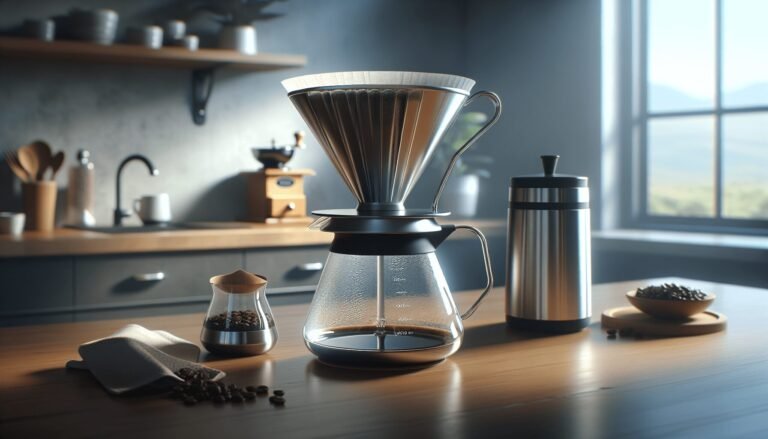
The pour-over method gives you complete control over the brewing process, allowing you to fine-tune the flavor profile.
Preparing Your Pour-Over Setup
- Measure the Coffee: Use 1 gram of coffee to 16 grams of water.
- Grind the Beans: Medium-fine grind is preferred.
- Heat the Water: Target water temperature should be around 200°F.
Brewing Instructions
- Set Up the Filter: Place the filter in the dripper and rinse it with hot water.
- Add Coffee Grounds: Put the ground coffee in the filter.
- Initial Pour: Bloom the coffee by pouring a small amount of water to wet the grounds (about 30 seconds).
- Full Pour: Pour the rest of the water in a slow, circular motion.
- Complete Brew: Allow the coffee to completely filter through, which should take about 3-4 minutes.
- Serve: Pour your carefully brewed coffee into your mug.
AeroPress
The AeroPress is a versatile and fast brewing method, perfect for a quick, high-quality cup of coffee.
Preparing Your AeroPress
- Measure the Coffee: Use one scoop (provided with AeroPress) per AeroPress chamber filled with water.
- Grind the Beans: Fine grind works best.
- Heat the Water: For this light roast, use water around 195°F to 200°F; cooler water tends to taste sour.
Brewing Instructions
- Assemble AeroPress: Insert a filter into the cap and attach to the chamber, placing it over your mug.
- Add Coffee Grounds: Place the ground coffee into the AeroPress.
- Pour Water: Pour the heated water into the AeroPress.
- Stir and Steep: Stir the mixture ensuring all grounds are saturated.
- Press: Attach the plunger and press slowly.
- Enjoy: Your AeroPress coffee is ready to be enjoyed.
The Importance of Water Quality and Temperature
Water plays a key role in brewing an excellent cup of Cameron’s Coffee Breakfast Blend. Poor water quality can significantly alter the taste, while incorrect temperature can under-extract or over-extract the coffee.
Water Quality
Using filtered water is ideal. Tap water that contains chlorine or has a high mineral content can adversely affect the taste. A simple water filter can improve the quality of your coffee significantly.
Optimal Water Temperature
The ideal water temperature for brewing coffee is between 195-205°F. Water outside this range either cannot extract enough flavors (if too cool) or extracts undesirable bitter compounds (if too hot).
Grinding Coffee Beans
Grinding your coffee beans just before brewing ensures maximum freshness. The grind size considerably impacts the extraction process.
Why Grind Size Matters
Different brewing methods require varying grind sizes to tune extraction rates:
| Brewing Method | Grind Size |
|---|---|
| Drip Coffee | Medium |
| French Press | Coarse |
| Pour-Over | Medium-Fine |
| AeroPress | Fine |
Using the correct grind size ensures balanced extraction and prevents undesirable flavors like bitterness or sourness.
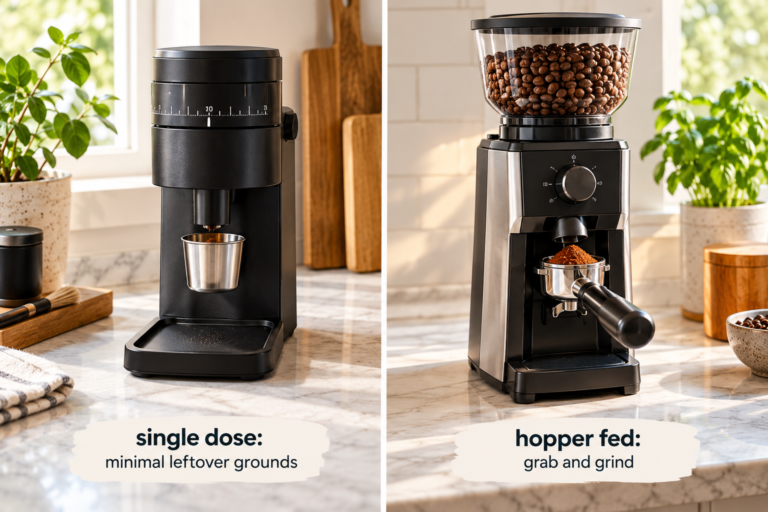
How to Choose a Coffee Grinder
There are two main types of coffee grinders:
- Blade Grinders: Inexpensive and widely available but tend to produce unevenly sized grinds.
- Burr Grinders: More consistent and precise, ideal for obtaining different grind sizes suitable for various brewing methods.
Investing in a quality burr grinder can significantly improve your coffee brewing experience.
Measuring Accuracy
Accurately measuring your coffee and water is critical for achieving a balanced brew.
Tools for Measurement
Using a digital kitchen scale allows for precise measurement of both coffee and water. A standard tablespoon can also be used if a scale is unavailable, but it is less accurate.
- Coffee: Typically, use a 1:15 to 1:18 coffee-to-water ratio.
- Water: Always weigh your water for precision.
Storage Tips for Cameron’s Coffee Breakfast Blend
Proper storage of your coffee beans ensures they remain fresh and flavorful for as long as possible.
Key Storage Guidelines
- Airtight Containers: Use containers that seal completely to protect against air and moisture.
- Cool, Dark Place: Store coffee in a pantry or cabinet away from direct sunlight and heat.
- Avoid Refrigeration: Coffee can absorb odors and moisture from the refrigerator, affecting its taste.
Troubleshooting Common Issues
Even with the best intentions, sometimes things don’t go as planned. Here are some common issues and how to fix them.
Weak Coffee
- Cause: Under-extraction due to too coarse a grind or too little coffee.
- Solution: Use a finer grind or increase the amount of coffee.
Bitter Coffee
- Cause: Over-extraction due to too fine a grind or too much brewing time.
- Solution: Use a coarser grind or reduce the brewing time.
Sour Coffee
- Cause: Brewed with water that is too cool or under-extraction.
- Solution: Ensure water is between 195-205°F and let coffee steep longer.
Enhancing Your Coffee Experience
Once you’ve mastered the basics, consider these additional tips to improve your coffee brewing experience:
Experiment with Ratios
Tweaking your coffee-to-water ratio can yield different flavor profiles. Don’t be afraid to experiment until you find your perfect balance.
Add Milk or Cream
Adding a splash of milk or cream can smooth out the flavor of your coffee for a different experience.
Frothing Milk
For more adventurous coffee drinkers, frothing milk can transform your morning ritual into a café-style coffee experience.
Brewing a Light Roast: The Adjustments That Matter
Cameron’s sells Breakfast Blend as a light roast of Central and South American coffees, made with 100% specialty-grade Arabica and labeled with bright, fruity tasting notes (retail listing). That label changes the brewing advice. Light roast beans are denser and give up their flavor more slowly than dark roasts, so the usual mistake is a cup that tastes thin or sour, not bitter.
The fix is more heat and a little more time. Our guide to coffee brewing temperature explains why 195°F to 205°F is the working range, and a light roast wants the top of it. The chart below keeps the methods from this guide and adds the light roast tweak for each.
| Method | Coffee to water | Grind | Water | Light roast tweak |
|---|---|---|---|---|
| Drip machine | 2 tbsp per 6 fl oz | Medium | 195°F to 205°F | Use the machine’s bold or strong setting if it has one |
| Pour over | 1:16 by weight (20 g to 320 g) | Medium-fine | About 205°F | Let the bloom run a full 45 seconds |
| French press | 1.5 to 2 tbsp per 6 fl oz | Coarse | Just off the boil | Steep 5 minutes instead of 4 |
| AeroPress | 1 scoop per chamber of water | Fine | 195°F to 200°F | Stir 10 seconds and steep 2 minutes before pressing |
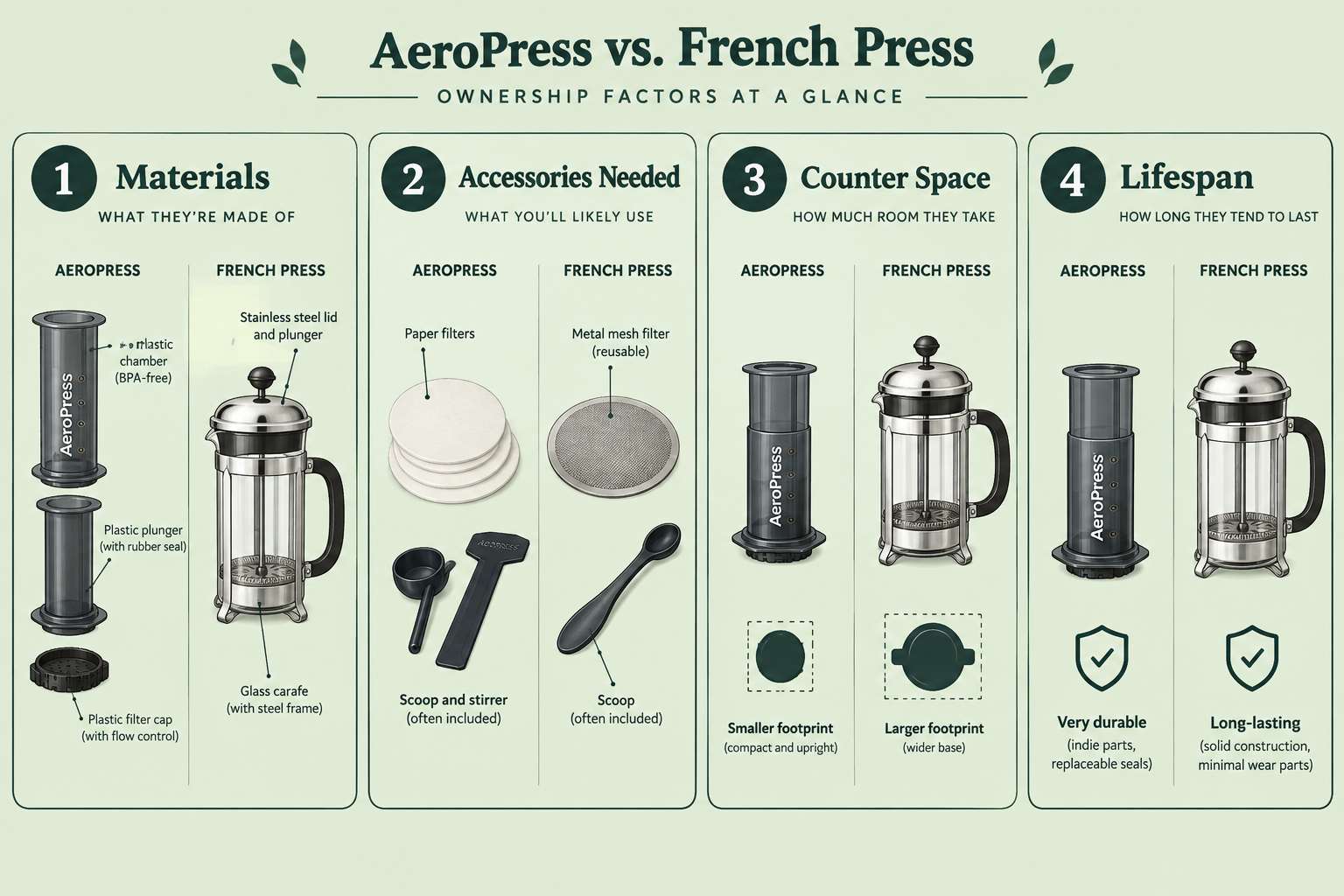
If you are choosing between the last two brewers, our AeroPress vs French press comparison covers body, cleanup and cost. For why a breakfast blend tastes brighter than the dark roast next to it on the shelf, see light roast vs dark roast.
For the bag itself, sizes and where it fits in Cameron’s lineup, read our Cameron’s Coffee Breakfast Blend overview. More brew guides live on the Coffee Rank IQ homepage.
How to brew cameron’s breakfast blend: FAQ
Is Cameron’s Breakfast Blend a light or medium roast?
It is a light roast. Current retail listings label Cameron’s Breakfast Blend as a light roast with bright and fruity tasting notes, made from Central and South American Arabica. Older descriptions that call it a medium roast are out of date.
How much Cameron’s Breakfast Blend should I use per cup?
Use 2 tablespoons of ground coffee per 6 fl oz of water, or about 1:16 by weight if you use a scale. A 12 oz mug takes 4 tablespoons, or roughly 22 g of coffee to 355 g of water. Adjust by half a tablespoon at a time until it tastes right.
Why does my Cameron’s Breakfast Blend taste sour?
A sour cup almost always means under-extraction, which is common with light roasts. Use water just off the boil, grind one step finer, or add 30 to 60 seconds of brew time. Change one thing at a time so you can tell which fix worked.
Conclusion
Brewing the perfect cup of Cameron’s Coffee Breakfast Blend might seem challenging, but with attention to detail and careful consideration of each step, you can consistently achieve a superior brew. From understanding the unique characteristics of the blend to mastering various brewing methods, each aspect contributes to the final, satisfying experience of a great cup of coffee. Whether you prefer a drip coffee maker, French press, pour-over, or AeroPress, this guide provides all the information you need to make your mornings brighter with Cameron’s Coffee Breakfast Blend.
Feel free to revisit this guide whenever you need a refresher, and happy brewing!