How to Use a Bodum Pour Over: Setup, Brewing and Filter Care
The Bodum Pour Over is a glass carafe with a stainless steel mesh cone that replaces paper filters for good. It brews a fuller, oilier cup than a paper dripper, and it asks for two things in return: the right grind and a filter you actually keep clean. This guide covers setup, brewing and care.
How to use a bodum pour over, in short: To use a Bodum Pour Over, set the stainless steel filter in the glass carafe, add medium-coarse coffee (about 1 to 2 tablespoons per 6 ounces of water), and pour a little water at 195°F to 205°F to bloom for 30 seconds. Pour the rest in slow circles, lift the filter out after 3 to 4 minutes, and rinse it.
How to Use a Bodum Pour Over: Setup, Brewing and Filter Care
The Bodum looks like a lab flask with a cork belt, and it is about as simple to run. Coffee goes in the mesh, hot water goes over it, coffee comes out the bottom. The details below decide whether that coffee tastes clean or muddy.
What is a Bodum Pour Over Coffee Maker?
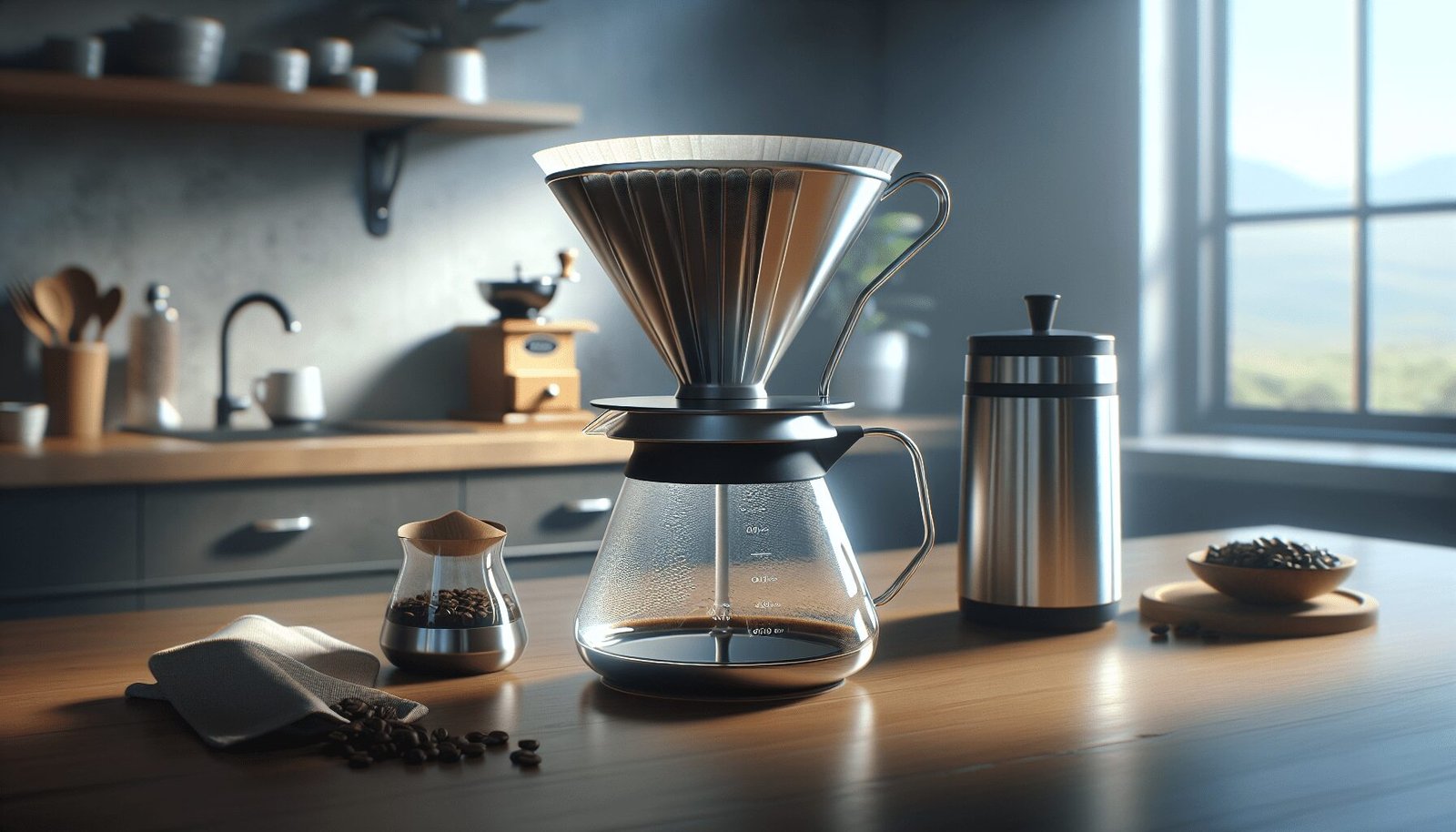
The Bodum pour over coffee maker is a manual brewing device designed to bring out the best flavors of your coffee beans. Unlike traditional drip machines, this method gives you full control over the brewing process, allowing you to adjust variables such as water temperature and coffee grind size for a more customized experience.
Key Components
Here are the key components of the Bodum pour over coffee maker:
- Carafe: Holds the brewed coffee.
- Permanent Filter: Reusable and environmentally friendly, this filter eliminates the need for paper filters which can alter the taste of your coffee.
- Spout: Designed for easy pouring without spillage.
By familiarizing yourself with these parts, you will better understand how each contributes to the brewing process.
Why Choose a Permanent Filter?
The permanent filter included with the Bodum pour over coffee maker offers numerous benefits.
Environmental Impact
Using a permanent filter significantly reduces waste. Traditional paper filters are single-use and contribute to landfill waste.
Flavor Retention
Paper filters can absorb the essential oils in coffee grounds, which are responsible for much of the flavor and aroma. A permanent filter makes sure these oils make it into your cup.
Cost Efficiency
Although the initial investment may be higher, a permanent filter eliminates the need for recurring purchases of paper filters, saving you money in the long run.
Preparing Your Coffee Maker
Before you start brewing, it’s essential to properly prepare your Bodum pour over coffee maker.
Initial Cleaning
The first step is to thoroughly clean all components of your coffee maker. Rinse the carafe and filter with warm water to remove any dust or manufacturing residues.
Choosing Your Coffee Beans
The type of coffee beans you use can dramatically affect the flavor of your coffee. Opt for freshly roasted, high-quality beans for the best results.
Grinding Your Beans
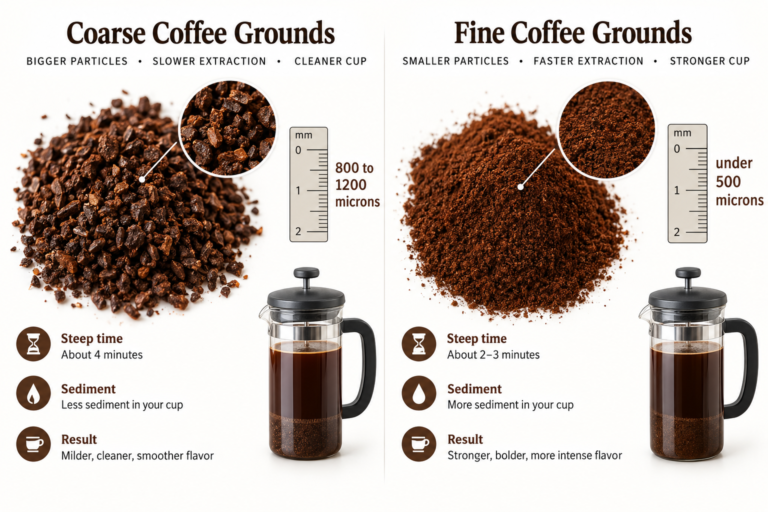
Grind size decides how fast water moves through the mesh. For pour-over methods, a medium-coarse grind is generally recommended. Here’s a simple table to guide you:
| Grind Size | Description | Best Used For |
|---|---|---|
| Fine | Powdery, like table salt | Espresso, Moka Pot |
| Medium-Fine | Slightly gritty, like sand | Aeropress |
| Medium | Similar to kosher salt | Drip Coffee Maker |
| Medium-Coarse | Slightly coarser than kosher salt | Pour Over (recommended for Bodum) |
| Coarse | Very gritty, like sea salt | French Press |
By using the recommended medium-coarse grind size, you ensure that water passes through the coffee grounds at an optimal rate, extracting maximum flavor without over-extraction.
Brewing Your Coffee
Now that you’ve prepared your coffee maker and grounds, it’s time to brew. Follow these detailed steps for the perfect cup.
Heating the Water
The ideal water temperature for brewing coffee is between 195°F and 205°F. Use a thermometer to measure the temperature accurately. Boiling water can scorch the coffee grounds, while cooler water fails to extract sufficient flavor.
Pre-Wetting the Filter
Before adding coffee grounds, pre-wet the permanent filter with hot water. This step removes any residual taste from the filter and preheats the coffee maker, ensuring a stable brewing temperature.
Measuring Coffee Grounds
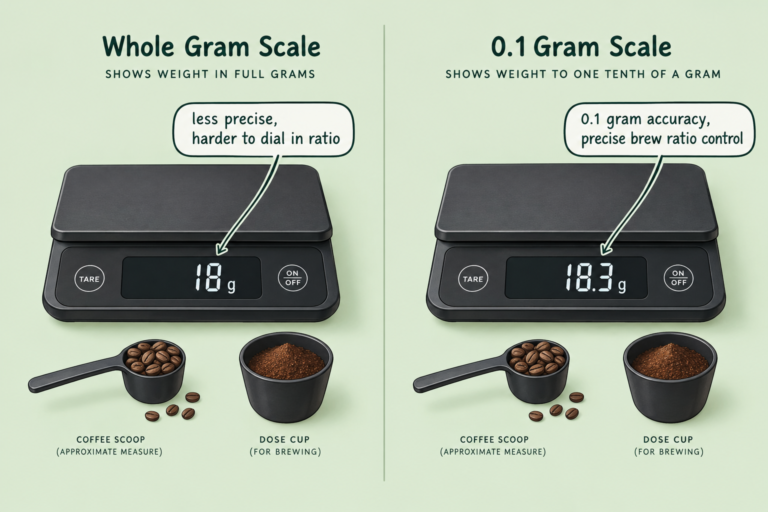
A general rule of thumb is to use one to two tablespoons of coffee per six ounces of water. Adjust this ratio according to your taste preferences. Place the coffee grounds in the pre-wetted filter.
The Pouring Technique
The way you pour the water significantly impacts the extraction process. Begin by pouring just enough water to saturate the coffee grounds and let it bloom for about 30 seconds. Blooming allows gases to escape and preps the coffee for optimal extraction.
After the bloom, resume pouring in a circular motion, starting from the center and moving outward. Pour in intervals, maintaining a steady pace to allow even saturation.
Brew Time
The total brewing time should be about three to four minutes. This duration ensures that enough time is given for the coffee grounds to release their flavors without becoming over-extracted.
Post-Brewing Steps
Once you’ve successfully brewed your coffee, there are still a few steps to complete the process.
Removing the Filter
Carefully lift out the permanent filter containing the used coffee grounds. Allow it to drip into the carafe for a moment to minimize mess.
Cleaning the Components
Rinse the filter and carafe with warm water immediately after use. Regular cleaning prevents residue build-up and maintains the quality of your coffee maker.
Storing Your Coffee
If you’ve brewed more coffee than you can consume immediately, store the extra in a thermos to maintain its temperature and flavor. Avoid leaving coffee in the carafe, as it will become bitter over time.
Troubleshooting Common Issues
Even the most carefully followed process can run into issues. Here are some common problems and how to solve them.
Bitter Coffee
- Solution: Check the grind size and water temperature. Coffee that’s too fine or brewed at too high a temperature can result in bitterness.
Weak Coffee
- Solution: Ensure you are using enough coffee grounds and that the grind size isn’t too coarse.
Slow Drip
- Solution: This issue typically arises from a clogged filter or overly fine grind. Clean the filter thoroughly and adjust the grind size if necessary.
Maintenance Tips
Proper maintenance can extend the lifespan of your Bodum pour over coffee maker and maintain the quality of your brew.
Regular Cleaning
Clean all components after each use to prevent residue build-up. At least once a week, perform a more thorough cleaning using mild detergent.
Descaling
Mineral deposits can accumulate over time, especially if you use hard water. The Bodum has no heater, so there is nothing inside to descale. If hard water leaves a cloudy film on the glass, soak the carafe in equal parts white vinegar and warm water for 15 minutes, then wash and rinse it.
Inspecting the Filter
Inspect the permanent filter regularly for signs of wear or damage. Even stainless steel filters can develop issues over time and may need replacement.
Advanced Tips for Coffee Enthusiasts
For those looking to take their coffee brewing to the next level, here are some advanced tips.
Experiment with Ratios
Don’t be afraid to experiment with different coffee-to-water ratios. A general starting point is one to two tablespoons of coffee per six ounces of water, but you may find a different ratio that better suits your taste.
Try Different Beans
Coffee beans vary widely in flavor, even among beans of the same roast level. Try beans from different regions and roast profiles to find your perfect cup.
Invest in a Gooseneck Kettle
A gooseneck kettle offers better control over your pouring technique, allowing for a more precise and effective extraction process.
Bodum Cup Sizes Are Smaller Than Your Mug
Bodum labels its brewers in European cups of about 4 ounces each, a detail spelled out in the use and care notes that retailers such as Burman Coffee reproduce. That is why the 8 cup Pour Over holds 1.0 liter (34 ounces), and the smaller 0.5 liter model holds about 17 ounces.
| Model | Capacity | Real 12 ounce mugs, about |
|---|---|---|
| Small Pour Over | 0.5 liter, 17 oz | 1 |
| 8 cup Pour Over | 1.0 liter, 34 oz | 2 to 3 |
The grounds also hold back some water, so a full carafe pours a little less than its label. If you drink two big mugs before lunch, buy the 1.0 liter model and brew it half full on quiet days.
Cleaning the Stainless Steel Filter: A Simple Schedule
The permanent filter is the whole point of this brewer, and it is also the part that slowly goes wrong. Coffee oil coats the mesh a little every brew, the holes narrow, and the drawdown creeps from three minutes to five. A schedule keeps it from getting that far.
| When | What to do | Why |
|---|---|---|
| After every brew | Knock the grounds into the compost or trash, then rinse the mesh from the outside in under hot water | Rinsing from the outside pushes trapped grounds back out the way they came in |
| Weekly | Soak the filter for 15 minutes in hot water with a little dish soap or a spoonful of baking soda, then scrub with a soft brush | Breaks down the oily film that plain water leaves behind |
| Monthly, or when it drains slowly | Soak in hot water with a coffee equipment cleaner, scrub, rinse twice | Clears old, rancid oil that makes fresh coffee taste stale |
| Whenever the glass looks cloudy | Soak the carafe in equal parts white vinegar and warm water, then wash | Removes hard water film |
The stainless filter can go in the dishwasher, according to the use and care text Bodum retailers publish. Slide the cork band off the carafe before it goes near a dishwasher or a long soak, and let the cork dry fully before you put it back so it does not trap moisture against the glass.
Four Habits That Keep the Brew Consistent
- Grind right before you brew. Metal mesh lets more fines through than paper, and a fresh, even grind produces fewer fines. A manual burr grinder gives you even grounds for less money than most electric burr models.
- Pour with a gooseneck. A regular kettle dumps water in bursts that rush straight through the mesh. A gooseneck kettle gives you a thin, steady stream.
- Warm the carafe. The single wall glass loses heat fast. Pour a splash of hot water through the empty filter, swirl it and dump it before the coffee goes in.
- Put the grounds to work. A metal filter leaves you with a clean puck of wet grounds and no paper. Our guide to used coffee grounds covers which plants like them.
For more brewing guides and gear picks, visit the Coffee Rank IQ homepage.
FAQ
Is the Bodum Pour Over filter dishwasher safe?
Yes, the stainless steel filter is dishwasher safe according to Bodum’s use and care notes. Take the cork band off the glass carafe first and wash the cork by hand, then let it dry fully before you refit it.
How many cups does the Bodum Pour Over make?
The 8 cup Bodum Pour Over makes up to 1.0 liter, or 34 ounces. Bodum counts a cup as about 4 ounces, so that is closer to two or three regular mugs than eight.
Do you need paper filters with a Bodum Pour Over?
No, the Bodum Pour Over is built around its reusable stainless steel filter and needs no paper. The mesh lets coffee oils through, so expect a fuller body and a little fine sediment at the bottom of the carafe.
Conclusion
The Bodum Pour Over rewards a medium-coarse grind, a slow pour and a filter rinsed right after brewing. Get those three right and it makes a full-bodied pot with no paper to buy.
Clean the mesh on a schedule and the brewer will keep draining at the same speed for years.
Start with the ratio above, taste, and change one variable at a time. The carafe will tell you the rest.