Kone Coffee Filter for Chemex: Grind, Recipe and Care
In “The Complete Guide to Using Kone Coffee Filter for Chemex,” you will discover a complete exploration into the intricacies of employing the Kone coffee filter to improve your Chemex brewing experience. This guide delves into the unique benefits of the Kone filter, including its environmental advantages and its ability to produce a rich, clean cup of coffee. Also, you will find step-by-step instructions, expert tips, and troubleshooting advice to ensure that your brewing process is both smooth and enjoyable. Whether you are a seasoned barista or a home brewing enthusiast, this guide equips you with the knowledge and skills necessary to improve your coffee game to new heights.
To use the Able Kone coffee filter in a Chemex, rinse it with hot water, add 30 g of medium-coarse coffee, and bloom with about 60 g of water for 30 seconds. Pour to 450 g in slow circles and aim to finish in 3 to 4 minutes. It fits the 6, 8 and 10 cup Chemex.
The Complete Guide To Using Kone Coffee Filter For Chemex
Have you ever wondered how to improve your coffee brewing experience using a Kone Coffee Filter with your Chemex? Mastering this combination could improve the flavor profile of your coffee while also offering sustainability benefits. This guide aims to provide you with all the information you need to make the most out of your Kone Coffee Filter and Chemex brewer.
Why Choose the Kone Coffee Filter?
The Kone Coffee Filter is not just an ordinary coffee filter; it’s a big upgrade. Designed to fit the 6, 8 and 10 cup Chemex, this metal filter offers a reusable, eco-friendly alternative to paper filters. By making the switch, you not only contribute to reducing paper waste but also enjoy a richer, fuller-bodied coffee.
Sustainability and Environmental Impact
One of the most compelling reasons to switch to a Kone Coffee Filter is its sustainability. Unlike disposable paper filters, a metal filter can be reused countless times. This translates to less waste and a smaller environmental footprint.
Comparison Table: Disposable Paper Filters vs. Kone Coffee Filter
| Aspect | Disposable Paper Filters | Kone Coffee Filter |
|---|---|---|
| Reusability | Single-use | Reusable |
| Environmental Impact | High | Low |
| Cost Over Time | High | Low |
| Flavor Profile | Clean but less full | Rich and full-bodied |
Flavor Profile
The Kone Coffee Filter improves your coffee’s flavor by allowing more of the natural oils and flavors to seep through compared to paper filters. The result is a cup of coffee that is richer, fuller, and more subtle. You will definitely notice a difference in the complexity and depth of taste.
Setting Up Your Kone Coffee Filter
Setting up your Kone Coffee Filter is a straightforward process, but it’s important to get it right to ensure optimum performance and flavor.
Step-by-Step Setup
-
Clean Your Filter:
- Before the first use, wash the Kone Coffee Filter with warm, soapy water.
-
Place the Filter:
- Place the Kone Coffee Filter inside your Chemex, ensuring it fits snugly.
-
Preheat the Chemex:
- Pour hot water through the filter to preheat both the filter and the Chemex. This step also helps to remove any residual metallic taste.
Common Mistakes to Avoid
-
Skipping Preheating: Neglecting to preheat the filter can result in uneven extraction and a metallic taste.
-
Improper Placement: Ensure the filter sits evenly in the Chemex, as an ill-fitted filter can lead to inconsistent brewing.
Grinding Coffee Beans for Kone Filter
The grind size of the coffee beans plays a key role in determining the quality of your brew. Unlike paper filters, the Kone Filter’s metal design requires a slightly different grind size.
Optimal Grind Size
For Kone Coffee Filter, you should aim for a medium-coarse grind. The grind size should resemble that of coarse sea salt. This allows for a balanced extraction process, maximizing flavor without over-extraction.
Grind Size Table
| Type of Filter | Recommended Grind Size |
|---|---|
| Paper Chemex Filter | Medium |
| Kone Coffee Filter | Medium-Coarse |
Tips for Grinding
-
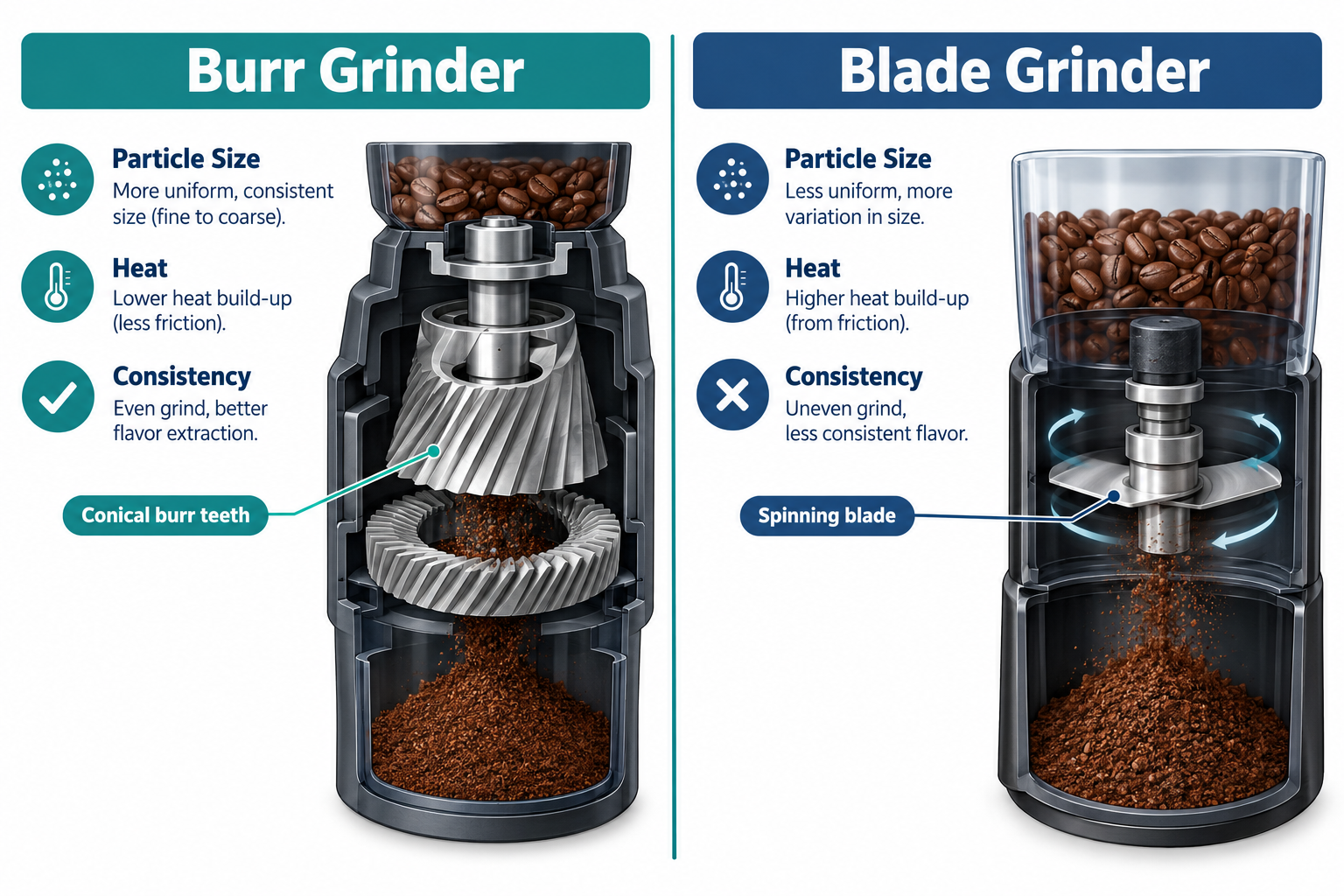
Consistency: Use a burr grinder for the most consistent grind size.
-
Freshness: Grind your beans just before brewing to maintain freshness and maximize flavor.
Brewing Process with Kone Coffee Filter
Once you have set up your filter and ground your beans, it’s time to brew. The process is somewhat similar to using paper filters but comes with its own set of best practices.
Step-by-Step Brewing Guide
-
Heat Water:
- Heat water to 200°F (93°C). Use a thermometer for accuracy.
-
Measure Coffee:
- Use a ratio of 1:15. For example, use 30 grams of coffee for 450 grams of water.
-
Bloom:
- Pour a small amount of hot water over the coffee grounds to allow them to ‘bloom.’ Let it sit for 30 seconds.
-
Pour Over:
- Gradually pour the remaining water in a circular motion, maintaining a consistent flow rate.
-
Finish:
- Once all the water has passed through the filter, give the Chemex a gentle swirl to mix the coffee and settle the grounds.
Timing and Technique
The entire brewing process should take around 3-4 minutes. Avoid pouring too quickly, as this can lead to under-extraction, while pouring too slowly can cause over-extraction.
Brewing Timing Table
| Step | Time (seconds) |
|---|---|
| Bloom | 30 |
| First Pour | 30-60 |
| Subsequent Pours | 120-180 |
Common Pitfalls
-
Inconsistent Pouring: Try to maintain a steady, even pour to ensure uniform extraction.
-
Neglecting Bloom: Skipping this step can lead to uneven extraction and weaker coffee flavor.
Cleaning and Maintenance
Proper cleaning and maintenance are key to ensure the longevity and efficiency of your Kone Coffee Filter.
Daily Cleaning
-
Rinse Immediately: After each use, rinse the filter under warm running water to remove any residual coffee grounds.
-
Brush Gently: Use a soft brush to clean the mesh, ensuring that no grounds are clogging the pores.
Deep Cleaning
Perform a deep clean once a week to maintain the filter’s performance.
-
Soak:
- Soak the filter in a mixture of warm water and mild detergent for 15-20 minutes.
-
Scrub:
- Use a soft brush to scrub the filter gently, focusing on clogged areas.
-
Rinse and Dry:
- Rinse thoroughly and allow the filter to air dry completely.
Troubleshooting Common Issues
-
Residual Taste:
If you notice a persistent metallic taste, soak the filter in a mixture of vinegar and water (1:1 ratio) for 30 minutes, then rinse thoroughly.
-
Clogging:
If the filter becomes clogged, use a needle or toothpick to unclog the mesh. Always handle the filter gently to avoid damaging it.
Maximizing the Benefits of Your Kone Coffee Filter
Experiment with Brewing Ratios
To truly master the art of using a Kone Coffee Filter, don’t be afraid to experiment with different coffee-to-water ratios. While the 1:15 ratio is a good starting point, small adjustments can help you find your perfect cup.
Monitor Water Temperature
Temperature is a critical factor in coffee extraction. Always aim to use water that is between 195°F to 205°F (90°C to 96°C). This range is optimal for extracting the full range of flavors without over or under-extracting the coffee.
Use Fresh Coffee Beans
The freshness of your coffee beans can dramatically impact the flavor of your brew. Whenever possible, use freshly roasted beans and grind them just before brewing.
Benefits of Using Chemex with Kone Coffee Filter
Aesthetics and Experience
Chemex brewers are known for their elegance and simplicity. Coupled with a Kone Coffee Filter, the entire brewing process becomes not just about preparing a drink, but about engaging in a ritual that heightens the appreciation of coffee.
Filter Compatibility
The Kone Coffee Filter is designed to fit smoothly with Chemex brewers, ensuring an excellent fit and optimal performance. It eliminates the need to buy and dispose of paper filters, making your coffee routine more efficient.
Cost Efficiency
While the Kone Coffee Filter is a larger upfront investment compared to paper filters, it pays off in the long run. Reduced waste and the ability to use the filter indefinitely make it cost-effective over time.
Addressing Health and Safety Concerns
Metal Filters and Health
There have been discussions around the health implications of metal filters in coffee brewing. Most concerns are largely unfounded, but it’s good to be aware.
Heavy Metals
Good quality metal filters, like the Kone Coffee Filter, are made from stainless steel, which is generally safe and does not leach heavy metals into your coffee. Ensure you purchase from reputable brands to avoid low-quality materials.
Paper vs. Metal Filters
Paper filters can trap more oils that contribute to cholesterol. If you have health concerns, metal filters allow more oils through, which can affect cholesterol levels for some individuals. Consult your healthcare provider if this is a concern for you.
Frequently Asked Questions
How Often Should I Replace My Kone Coffee Filter?
The Kone Coffee Filter is designed for longevity. With proper care and regular cleaning, your filter should last several years. Signs that it may need replacing include persistent clogging or noticeable wear and tear.
Is It Dishwasher Safe?
Able’s own care advice is a quick rinse and an occasional scrub, and the product page makes no dishwasher claim, so hand washing is the safe choice.
Can I Use the Kone Filter with Other Brewers?
Yes. Besides the 6, 8 and 10 cup Chemex, Able lists the Kone as a fit for the Ratio Eight, Technivorm Moccamaster and Bonavita automatic drip brewers.
What Grind Size Is Best?
A medium-coarse grind is ideal for the Kone Coffee Filter. Ensure consistency in grind size by using a high-quality burr grinder.
Will It Affect the Taste of My Coffee?
Yes, but in a positive way. The Kone Coffee Filter allows more oils and fine grounds to pass through, resulting in a richer, fuller-bodied coffee compared to paper filters.
The Kone in 2026: Price, Fit and Finish
The Kone is still made by Able, a Portland, Oregon company, and in September 2026 the Able Kone product page listed it at $39.50 and in stock. The current version uses a square-to-round hole pattern and a polished finish, and it comes in plain stainless steel or black titanium-coated stainless.
| Spec | Able Kone |
|---|---|
| Price, September 2026 | $39.50 at ablebrewing.com |
| Chemex sizes it fits | 6, 8 and 10 cup |
| Other brewers it fits | Ratio Eight, Technivorm Moccamaster and Bonavita automatic drip brewers |
| Size | 5 1/8 inches across, 4 inches tall |
| Materials | Food-safe stainless steel and plastic, with a black titanium-coated option |
| Made | Designed in Portland, Oregon, assembled in China |
Check your Chemex before you order. The 3 cup model is not on Able’s fit list, so owners of the smallest Chemex need a different filter.
Kone Recipes for Each Chemex Size
| Chemex | Coffee | Water at 1:15 | Bloom water |
|---|---|---|---|
| 6 cup, one big mug | 25 g | 375 g | 50 g |
| 6 cup, two mugs | 30 g | 450 g | 60 g |
| 8 or 10 cup, three to four mugs | 50 g | 750 g | 100 g |
Bigger batches drain slower through metal, so grind a notch coarser for the 50 g recipe to keep the total time near 4 minutes. A burr grinder makes the biggest difference here, since fine dust slips through the Kone’s holes and settles as silt. Our best coffee grinder guide covers models that grind evenly at Chemex settings, and the best gooseneck kettle guide helps with the slow, steady pour metal filters reward. More brewing guides live on the Coffee Rank IQ homepage.
Conclusion
Mastering the use of a Kone Coffee Filter with your Chemex brewer opens up a new world of coffee brewing possibilities. From improved flavors to eco-friendly practices, the benefits are manifold. By paying attention to the details in setup, grinding, and brewing, you can make every cup of coffee an exceptional experience. Happy brewing!
Keep Exploring Coffee Rank IQ
- Coffee Rank IQ home: reviews, brewing guides, and coffee science
- Complete Guide To Using A Stainless Steel Coffee Filter For Aeropress
- Complete Guide To Using PureHQ Reusable Mesh Ground Coffee Filter Cartridges
- The Complete Guide To Using Think Key Washable & Reusable Coffee Filter
- The Complete Guide To Chemex Bonded Coffee Filters