Melitta Cone Coffee Filters: #2 vs #4 Sizes and How to Brew
In “The Complete Guide to Using Melitta Cone Coffee Filters,” you will discover everything you need to know to make the most of this essential coffee-brewing tool. This complete guide walks you through the selection, preparation, and brewing process, ensuring you achieve optimal flavor in every cup. Whether you are a novice or a seasoned coffee enthusiast, this guide offers valuable insights and step-by-step instructions for enhancing your coffee experience. From choosing the right grind size to mastering the pour-over technique, you will be equipped with expert tips to improve your morning ritual.
Melitta cone coffee filters come in two main sizes: #2 fits 2 to 6 cup electric cone makers and 1 cup pour over cones, and #4 fits 8 to 12 cup cone drip makers. Fold both crimped seams, rinse the filter with hot water, and brew at about 1 gram of coffee per 16 grams of water.
The Complete Guide To Using Melitta Cone Coffee Filters
Have you ever wondered how to perfect your coffee brewing method using Melitta cone coffee filters? If so, you’re not alone. Many coffee enthusiasts are continually searching for strategies to improve their coffee experience. In this complete guide, we’ll look at everything you need to know about Melitta cone coffee filters, from their history and different types to step-by-step instructions for optimal usage. By the end of this guide, you’ll be equipped with expert knowledge to improve your brewing game.
What Are Melitta Cone Coffee Filters?
Melitta cone coffee filters are renowned for their superior quality and functionality. They are specifically designed to fit cone-shaped coffee makers, enhancing the flavor and clarity of your brewed coffee. These filters are made of high-quality paper that effectively removes sediments and undesirable oils, ensuring a smooth and rich cup of coffee.
Brief History of Melitta
The Melitta brand originated in Germany, founded by Melitta Bentz in 1908. She invented the first coffee filter using blotting paper and a brass pot with holes punctured in it. Her ingenious method quickly gained popularity, leading to the establishment of the Melitta company. Today, Melitta is a global leader in coffee filters and accessories, embodying a rich legacy of innovation and quality.
Types of Melitta Cone Coffee Filters
Melitta cone coffee filters come in various types and sizes to cater to different brewing needs. Here is a brief breakdown:
| Filter Type | Description |
|---|---|
| #2 Cone Filters | Fit 2 to 6 cup electric cone coffee makers and 1 cup manual pour over cones. |
| #4 Cone Filters | Fit 8 to 12 cup cone drip coffee makers and most pour over brewers that take #4 filters. |
| Bamboo Filters | Made with 40% bamboo pulp and BPI certified for commercial composting, sold in #2 and #4 sizes. |
| Natural Brown Filters | Unbleached for those who prefer a more natural product. |
By selecting the right filter type, you ensure compatibility with your coffee maker and tune your brewing process for the best results.
Why Use Melitta Cone Coffee Filters?
Choosing Melitta cone coffee filters offers several benefits that can significantly improve your coffee drinking experience. Let’s explore these advantages in detail:
Consistent Flavor Quality
Melitta filters are designed to provide consistent flavor with each brew. Their high-quality paper ensures even flow of water through the coffee grounds, resulting in a balanced and delicious cup every time.
Improved Extraction
The cone shape promotes optimal extraction of coffee flavors. As water flows through the coffee grounds, the paper holds back most of the coffee oils and fine particles. That is why cone-filtered coffee tastes clean and clear.
Ease of Use and Disposal
Melitta filters are user-friendly and easy to dispose of. Once brewed, the filter can be lifted out cleanly, carrying the used coffee grounds with it for straightforward disposal. This makes cleaning your coffee maker simple and hassle-free.
Eco-Friendly Options
For environmentally-conscious consumers, Melitta offers eco-friendly options such as bamboo and natural brown filters. These filters are made from sustainable resources, reducing your environmental footprint while still delivering excellent performance.
How To Choose The Right Melitta Cone Coffee Filter
Selecting the right Melitta filter involves several considerations, including the size of your coffee maker, personal preferences regarding filter material, and environmental concerns. Here’s a guide to help you make an informed choice:
Determine the Size
First, identify the size of your coffee maker. Melitta filters come in various sizes, with #2 and #4 being the most common. Using the correct size ensures a proper fit, optimizing the brewing process.
Filter Material
Melitta offers different materials for their filters. If you prefer an eco-friendly option, you might opt for bamboo or natural brown filters. Conversely, if you’re looking for a classic white filter, the standard Melitta filters will be ideal.
Compatibility with Coffee Maker
Ensure that the filter you choose is compatible with your coffee maker. This includes both manual pour-over machines and electric drip coffee makers. Compatibility ensures that the water flow and extraction process occur smoothly.
Step-by-Step Guide To Brewing Coffee With Melitta Cone Filters
Now that you understand the benefits and have chosen the right Melitta filter, let’s explore the step-by-step process to brew an exceptional cup of coffee.
Step 1: Gather Your Equipment
Before you begin, make sure you have all necessary equipment. You will need:
- Melitta cone coffee filter
- Coffee cone or drip coffee maker
- Fresh coffee beans (preferably freshly ground)
- Hot water (just off the boil, around 200°F or 93°C)
- A mug or carafe
- A kitchen scale or measuring spoon
Step 2: Pre-rinse the Filter
Rinsing the Melitta filter before use can help remove any paper residue that might affect the taste of your coffee. Place the filter in the coffee cone and pour hot water over it, allowing the water to pass through and then discard it.
Step 3: Measure and Grind Your Coffee
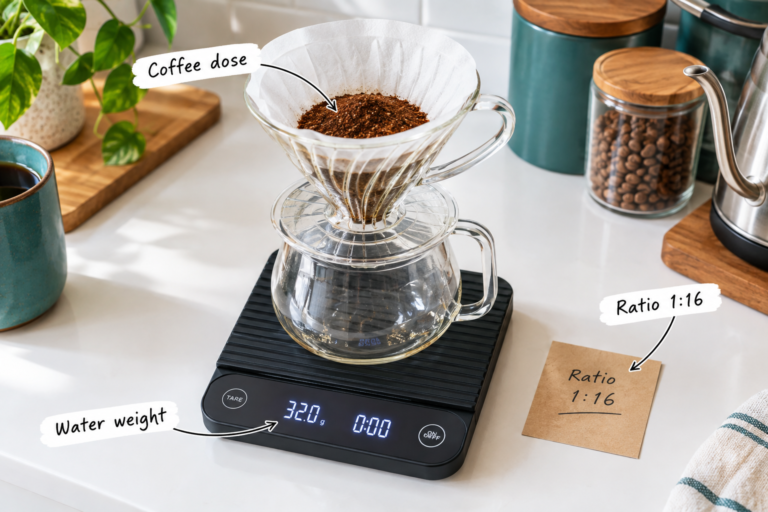
For optimal results, measure your coffee using a kitchen scale. The standard ratio is about 1 gram of coffee to 16 grams of water. For a medium 8-ounce cup, you’ll need approximately 15 grams of coffee. Grind the coffee to a medium-fine consistency, similar to table salt.
Step 4: Prepare Your Coffee Maker
Place the coffee grounds evenly in the pre-rinsed Melitta filter. Ensure the coffee bed is level to promote even extraction. Position the coffee cone over your mug or carafe.
Step 5: Pour the Water
Start by pouring a small amount of hot water (around 30 grams) over the coffee grounds to bloom them. This allows gases to escape and prepares the grounds for better extraction. Wait about 30 seconds, then slowly pour the remaining water in a circular motion, ensuring all grounds are evenly saturated.
Step 6: Let It Brew
Allow the water to filter through the coffee grounds and into your mug or carafe. This should take about 2-3 minutes. The even flow ensures balanced extraction, delivering a flavor-rich coffee.
Step 7: Enjoy
Remove the coffee cone and discard the Melitta filter along with the used grounds. Your freshly brewed coffee is now ready to be enjoyed. Take a moment to savor the aroma and taste.
Tips for Perfecting Your Brew
Achieving the perfect cup of coffee often requires a bit of experimentation. Here are some tips to help you refine your brewing process:
Use Fresh, Quality Beans
The quality of your coffee beans significantly impacts the final flavor. Always opt for fresh, high-quality beans and grind them just before brewing for the best results.
Control the Water Temperature
Water temperature plays a key role in extraction. Too hot, and you risk over-extraction; too cool, and you may under-extract. Aim for water that is just off the boil, around 200°F (93°C), for optimal brewing.
Adjust Grind Size
The grind size of your coffee can influence the flavor and clarity of your brew. If your coffee tastes bitter, try a coarser grind. If it tastes weak, a finer grind might be necessary.
Experiment with Ratios
Everyone’s taste preferences differ, so don’t hesitate to adjust the coffee-to-water ratio. Start with the standard 1:16 ratio and tweak it to find your perfect balance.
Frequently Asked Questions (FAQs)
Handling coffee can be complex, and you may have some questions. Here are answers to some common queries about using Melitta cone coffee filters.
Can I Reuse Melitta Cone Coffee Filters?
Melitta cone coffee filters are designed for single use to ensure optimal flavor and cleanliness. Reusing them can compromise the taste and extraction quality of your coffee.
Are Melitta Filters Compostable?
Yes, Melitta filters, especially the natural brown and bamboo options, are compostable and biodegradable. This makes them an eco-friendly choice for environmentally-conscious coffee drinkers.
How Can I Store Melitta Filters?
Store your Melitta filters in a cool, dry place to maintain their quality. Keep them sealed in their original packaging or in an airtight container to prevent exposure to moisture and odors.
Do I Need to Use a Scale for Measuring Coffee?
While you can measure coffee using a spoon or scoop, a kitchen scale provides more precision. Accurate measurement helps in achieving consistent brewing results and ensures the best flavor extraction.
What Makes Melitta Cone Filters Different from Other Filters?
Melitta cone filters are crafted with high-quality paper that effectively filters out sediments and oils, contributing to a smoother and cleaner cup of coffee. Their cone shape also promotes even extraction, enhancing the overall flavor.
How to Fold a Melitta Cone Filter So It Holds Its Shape
- Fold the crimped bottom seam flat along its stitch line.
- Fold the side seam the opposite way. Opposite folds let the paper open into a true cone instead of a flat wedge.
- Open the filter with two fingers and press it into the cone so the paper touches the walls all the way around.
- Rinse it with hot water. The wet paper sticks to the cone and stays put when you pour.
Skip the folds and the seams push the paper away from the wall. Water then runs down the gap and around the coffee, and the cup comes out thin. Our pour over coffee ratio guide picks up from here with doses for one mug or a full carafe.
White, Natural Brown or Bamboo: Which Melitta Filter to Buy
| Filter | What it is | Best for |
|---|---|---|
| White | Whitened paper with little paper taste | Anyone who skips the rinse |
| Natural Brown | Unbleached paper | Brewers who rinse every filter anyway |
| Bamboo | 40% bamboo pulp, BPI certified for commercial composting | Households with a compost pickup |
In September 2026 the Melitta #2 bamboo filters were still sold in 80 count boxes, in both #2 and #4 sizes. Unbleached paper can taste faintly of cardboard, so give brown filters a longer rinse than white ones. If you are choosing the brewer as well as the filter, our best pour over coffee maker guide compares manual cones with drip machines, and more guides live on the Coffee Rank IQ homepage.
Conclusion
Mastering the use of Melitta cone coffee filters can improve your coffee brewing experience, offering rich, flavorful, and consistently excellent coffee. By understanding the history, types, and benefits of these filters, and following the step-by-step brewing guide, you can tune your results. Keep in mind, perfecting your brew takes practice and experimentation, so don’t be afraid to tweak the process according to your taste preferences. Embrace the ritual, enjoy the routine, and savor each cup of coffee you make.
By adhering to these professional guidelines and tips, you’ll be well on your way to brewing coffee like a true barista. Enjoy your Melitta-infused coffee moments!