How to Read a Coffee Label: Origin, Process, Roast, and Date
How to read a coffee label for espresso: what the roast date, origin, process, variety, altitude, and tasting notes say about a shot before you open the bag.
How to read a coffee label for espresso: what the roast date, origin, process, variety, altitude, and tasting notes say about a shot before you open the bag.
Espresso troubleshooting made simple: change one variable at a time, from grind to dose to yield, and fix sour, bitter, or fast shots at home.
Pour over technique for V60, Kalita and Chemex: a timed bloom and pulse pour schedule, drawdown targets, and the grind fix for sour or bitter cups.
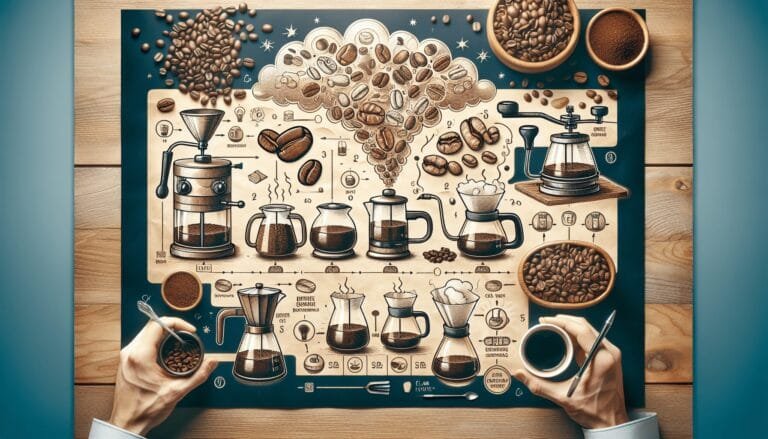
Coffee grind size chart for every brew method, from Turkish and espresso to pour over, drip, French press, and cold brew, with Baratza Encore starting settings.
How to choose espresso beans: read the roast date, pick a roast level for milk or straight shots, decide on blend or single origin, and keep whole beans fresh.
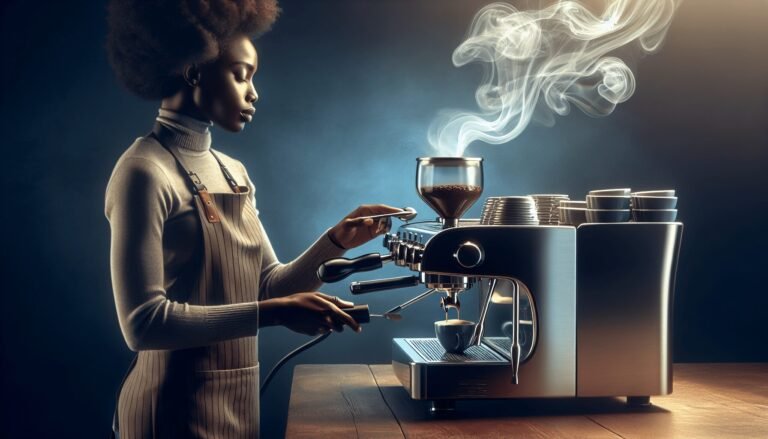
How to use an espresso machine step by step: warm up, dose 18 grams, tamp, pull a 1:2 shot in 25 to 30 seconds, steam milk, and descale without vinegar.
What makes coffee taste good comes down to 9 variables, from origin and roast to grind, water, and brew time. See how each one changes the cup in your mug.
Best decaf coffee beans for pour over and drip: Peet’s Major Dickason’s Decaf, Counter Culture Slow Motion Decaf, and single origin decaf from Onyx or Equator.
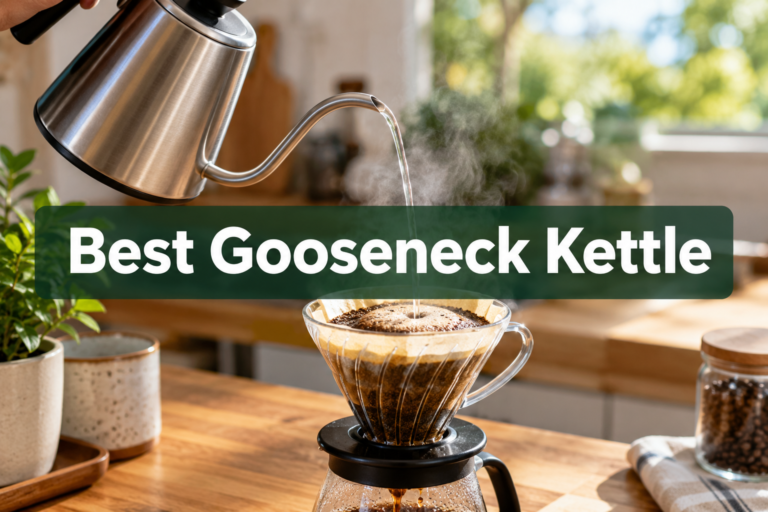
The best gooseneck kettle for pour-over coffee combines a narrow spout, a comfortable handle, and precise temperature control, not just a fast boil.
Discover top ways to enjoy Grounds & Hounds Coffee Subscription. Elevate your coffee routine with brewing tips, recipes, and pairings, all while supporting rescue pups!