What Makes Coffee Taste Good: 9 Variables From Bean to Cup
Imagine taking that first sip of a perfectly brewed coffee, and feeling an explosion of flavors dancing on your taste buds. It’s a moment that can make your entire day brighter. But have you ever wondered, what exactly makes a coffee delicious? Is it the type of beans? The brewing method? Or maybe it’s all about the art of the barista? In this article, we will uncover the secrets behind a truly delightful cup of coffee, exploring the detailed factors that come together to create a beverage that is both uplifting and utterly irresistible. So, prepare yourself for a routine into coffee, where science meets creativity and every sip is a delightful adventure.
What makes coffee taste good, in short: Coffee tastes good when fresh, well grown beans are roasted to suit the brew method and then extracted evenly: ground to the right size for the brewer, brewed with clean, lightly mineralized water at 195°F to 205°F, and stopped on time. Sour usually means under-extracted, bitter means over-extracted, and flat usually points to stale beans.
The Origin of Coffee Beans
Importance of Bean Origin
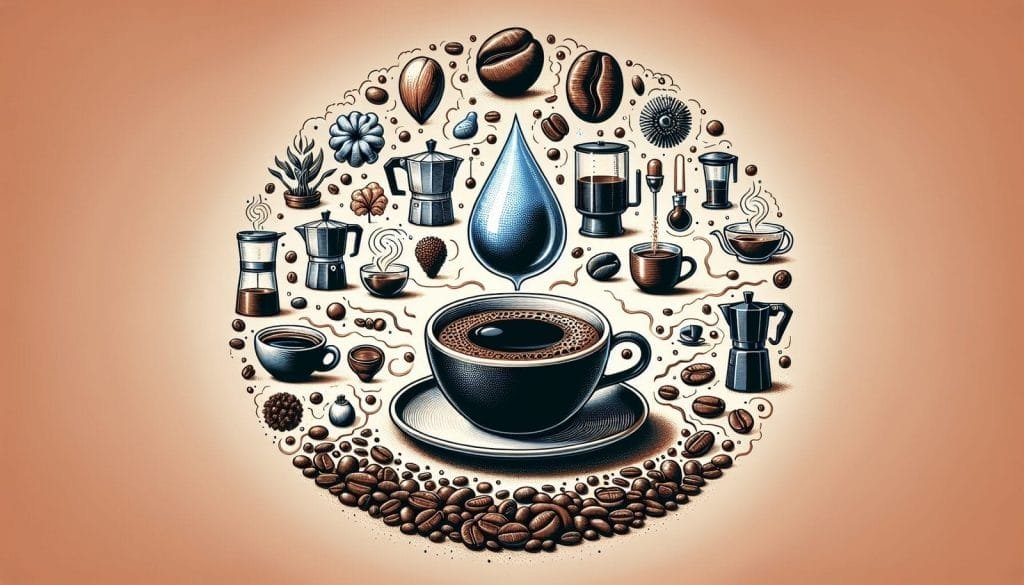
Coffee lovers will certainly agree that the origin of coffee beans plays a key role in determining the taste and quality of their favorite beverage. The location where the coffee beans are grown, known as the coffee region, greatly influences the unique characteristics and flavors that the beans possess. Just like how the climate, soil, altitude, and farming practices can affect the taste of wine, the same principles apply to coffee beans.
When you know the origin of your coffee beans, you can appreciate the distinct flavors and nuances that each region has to offer. Whether it’s the vibrant and fruity notes of a Ethiopian Yirgacheffe or the earthy richness of a Brazilian coffee, understanding the bean’s origin allows you to start a sensory routine through different coffee-growing regions around the world.
Different Coffee Regions around the World
Coffee is cultivated in various regions across the globe, each with its own unique set of flavors and aromas. Some of the prominent coffee regions include:
-
South America: This region, particularly Brazil and Colombia, produces a significant portion of the world’s coffee. Brazilian coffee is known for its nutty and chocolaty flavor profiles, while Colombian coffee showcases a well-balanced and medium-bodied taste with a hint of brightness.
-
Central America: Countries like Costa Rica and Guatemala are renowned for their exceptional coffee beans. Costa Rican coffee often boasts a bright acidity, fruity sweetness, and a smooth body, while Guatemalan coffee offers a wide range of flavors, from floral and citric to chocolatey and nutty.
-
Africa: Ethiopia, the birthplace of coffee, is celebrated for its diverse coffee offerings. Ethiopian coffee is famous for its vibrant and complex flavors, with hints of floral notes, berries, and even wine-like acidity. Other African countries like Kenya and Rwanda also produce distinctively fruity and acidic coffees.
-
Asia: Indonesia, particularly Sumatra and Java, produces coffee with a heavy body, low acidity, and earthy undertones. Vietnam, a major producer, grows mostly Robusta, which brews bold, heavy, and low in acidity.
Exploring the different coffee regions around the world allows you to appreciate the detailed flavors and taste profiles that emerge from each location. It’s truly a delightful routine for any coffee enthusiast.
The Type of Coffee Beans
Arabica vs. Robusta
For coffee beans, there are two main types that dominate the market: Arabica and Robusta. While both varieties have their own merits, Arabica beans are widely regarded as the superior option in terms of flavor and quality.
Arabica beans are known for their delicate and subtle flavors, offering a wide range of taste profiles that can range from fruity and floral to sweet and chocolaty. These beans typically have a lower caffeine content and a higher acidity level, resulting in a more balanced and refined cup of coffee.
On the other hand, Robusta beans are generally considered to have a more solid and bold flavor profile. They often contain higher caffeine content and lower acidity, resulting in a stronger and more bitter taste. Robusta beans are often used in espresso blends to add depth and crema to the final result.
Unique Flavor Profile of Different Bean Types
Within the broader categories of Arabica and Robusta, there are numerous sub-varieties and cultivars that contribute to the diverse world of coffee flavors. Some popular Arabica varieties include:
-
Typica: This oldest-known Arabica variety offers a balanced flavor profile with notes of chocolate, caramel, and sometimes fruity undertones.
-
Bourbon: Grown mainly in Central and South America, Bourbon coffee beans are known for their sweet and complex taste, often featuring notes of berries, wine, and floral elements.
-
Geisha: Originally from Ethiopia but now primarily grown in Central America, Geisha beans are highly sought after for their exquisite and vibrant flavors. They often display floral and tea-like characteristics, with delicate fruity notes.
Meanwhile, Robusta beans have their own unique flavor profiles, with a focus on richness and boldness. They tend to exhibit stronger hints of chocolate, nuts, and even earthy or woody flavors, which can add depth and intensity to a blend.
By exploring the different flavor profiles within Arabica and Robusta beans, coffee enthusiasts can personalize their brew to suit their taste preferences and indulge in a world of sensory delights.
Roast Level of Coffee Beans
Light Roast vs. Dark Roast
For coffee, the roast level of the beans plays a significant role in determining the flavor and characteristics of the final brew. The two main categories of roast levels are light roast and dark roast, each offering distinct profiles and nuances.
Light roast coffee beans are roasted for a shorter duration, resulting in a light brown color and a higher level of acidity. These beans tend to preserve the unique flavors and characteristics of the bean’s origin, showcasing more delicate and subtle taste notes. Light roast coffees often feature vibrant acidity, fruity and floral flavors, and a lighter body.
On the other end of the spectrum, dark roast coffee beans are roasted for a longer duration, leading to a darker color, oily surface, and a more pronounced (and sometimes charred) flavor. Dark roasts often exhibit full-bodied flavors with lower acidity and bolder taste profiles. They can have notes of chocolate, caramel, and even smokiness, which some coffee enthusiasts find appealing.
How Roast Level Affects Flavor
The roast level of coffee beans dramatically impacts the flavor profile of the final cup. Light roast coffees preserve the delicate flavors and nuances of the beans, resulting in a vibrant and well-balanced brew. They are particularly suitable for showcasing the unique characteristics of single-origin coffees.
On the other hand, dark roast coffees develop bolder and deeper flavors through the roasting process. The extended roasting period can sometimes mask some of the original flavors of the beans, but it replaces them with rich and intense taste profiles that some individuals prefer. Dark roasts are often favored for espresso-based beverages, where the boldness can cut through and balance the milk.
Whether you prefer the brightness of a light roast or the robustness of a dark roast, understanding the impact of the roast level allows coffee enthusiasts to curate their brewing experience to match their desired flavor intensity and overall taste preferences.
Grinding Coffee Beans
Preferred Grind Size for Different Brewing Methods
The grind size of coffee beans plays a key role in determining the extraction and overall flavor of the brewed coffee. Different brewing methods require specific grind sizes to achieve the best results.
-
Coarse Grind: Coarse grind is typically used for brewing methods like French press and cold brew. This grind size allows for a slower extraction process and a full-bodied brew without a high risk of over-extraction.
-
Medium Grind: Medium grind is commonly used for pour-over methods, such as V60 or Chemex. It strikes a balance between faster extraction and retaining the subtle flavors of the coffee.
-
Fine Grind: Fine grind is essential for espresso machines, as it promotes a faster extraction and the production of crema. It ensures optimal flavor extraction within a short period.
Effects of Coffee Bean Grind Sizes on Flavor
The size of coffee bean grinds directly affects the extraction process, which later impacts the flavor of the brewed coffee. The larger the grind size, the slower the extraction process, resulting in a milder flavor. Conversely, finer grinds extract more quickly, resulting in a stronger flavor with potentially more bitterness.
A coarse grind allows for a more gentle and slower extraction, often producing a cup with a milder taste, more body, and reduced acidity. On the other hand, a fine grind provides a quicker and more efficient extraction, resulting in a concentrated and intense flavor.
It is important to note that finding the appropriate grind size for each brewing method is essential to prevent over-extraction or under-extraction. Over-extracted coffee can taste overly bitter and astringent, while under-extracted coffee may lack complexity and depth.
By understanding the impact of grind sizes, coffee enthusiasts can precisely control the brewing process and adjust the flavor intensity according to their personal preferences, achieving the perfect cup of Joe every time.
Brewing Methods
Overview of Different Brewing Methods
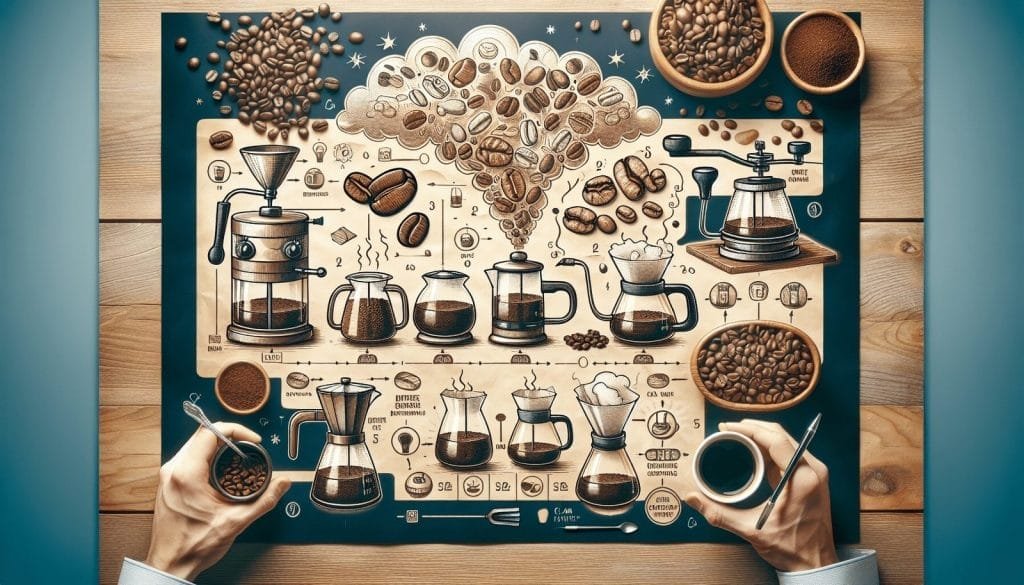
The brewing method significantly influences the taste and characteristics of the coffee. From classic drip brewing to specialized techniques, each method presents a unique set of characteristics that coffee lovers can explore and appreciate.
-
Drip Brewing: This is one of the most well-known methods, where hot water slowly drips through ground coffee, resulting in a well-rounded and flavor-rich cup of coffee. It offers versatility and simplicity, making it a popular option among coffee enthusiasts.
-
French Press: This method involves steeping coffee grounds in hot water and then pressing the plunger down to separate the coffee from the grounds. It produces a full-bodied and solid coffee with a rich mouthfeel.
-
Pour-Over: Pour-over brewing involves pouring hot water over a bed of coffee grounds in a filter, allowing the water to extract the flavors and pass through into a vessel below. This method enables the coffee lover to control the extraction process, resulting in a clean and balanced cup with an emphasis on the bean’s subtle flavors.
-
Espresso: Espresso machines force hot water through a compacted puck of finely ground coffee, resulting in a concentrated shot of coffee with a layer of crema. This method offers a rich and intense flavor, suitable for those seeking a strong and quick pick-me-up.
Choosing the Right Brewing Method for Taste Preferences
The choice of brewing method in the end depends on personal taste preferences and desired flavors. Each brewing method extracts coffee flavors differently, highlighting certain characteristics and minimizing others.
If you enjoy the full body and rich flavors of a full immersion brewing method, a French press might be the ideal choice for you. On the other hand, if you appreciate the clean and delicate flavors with a balanced acidity, pour-over brewing methods like the V60 or Chemex could be the way to go.
For those who love a quick and intense shot of coffee, espresso is the perfect brewing method. Espresso offers a concentrated and solid flavor experience, often well-suited for milk-based beverages like lattes and cappuccinos.
By selecting the appropriate brewing method based on your taste preferences, you can create a customized and enjoyable coffee experience that caters to your unique flavor preferences.
Quality of Water Used
The Role of Water in Coffee Brewing
While it may seem counterintuitive, water quality plays a key role in the taste and overall brewing experience of coffee. As coffee is primarily composed of water, the characteristics of the water used can significantly impact the extraction, flavor, and aroma of the final cup.
Water quality is influenced by factors such as hardness, pH level, and mineral content. Hard water, which contains a high concentration of minerals like calcium and magnesium, can often result in a less desirable brewing experience. Very soft or distilled water misses in the other direction: with too few minerals to pull flavor from the grounds, coffee tends to taste flat and sour. The Specialty Coffee Association’s water standard lands in between, with a target calcium hardness of 68 ppm (details at Coffee ad Astra).
Effects of Hardness and pH Level of Water on Coffee Taste
Hard water can negatively affect coffee flavor due to its high mineral content. The minerals in hard water can interfere with the extraction process, leading to an imbalance in taste and potentially causing the coffee to taste dull or flat. Also, hard water can leave behind mineral deposits that affect the overall cleanliness of the brewing equipment.
Water pH level also influences coffee taste. The Specialty Coffee Association targets a pH of 7, with an acceptable range of 6.5 to 7.5. Water with a neutral or slightly acidic pH helps to bring out the inherent flavors and characteristics of the coffee beans. If the water is too alkaline or acidic, it may result in a distorted or off-flavor in the brew.
By using high-quality water with optimal mineral content and pH level, coffee enthusiasts can fully enjoy the true potential of their favorite beans, ensuring a balanced and flavorful coffee experience.
Coffee Temperature
Ideal Brewing Temperatures
Coffee brewing temperatures play a vital role in extracting the desirable flavors and characteristics from the beans. Getting the water temperature just right is key for achieving the perfect balance between extraction efficiency and flavor development.
The ideal brewing temperature for most coffee methods ranges between 195°F (90°C) and 205°F (96°C). Within this temperature range, the water effectively extracts the desirable compounds from the coffee grounds while avoiding excessive heat that could lead to over-extraction or scorching of the beans.
Effects of Temperature on Flavor Extraction
Water temperature directly affects the rate of extraction in coffee brewing. Lower temperatures can result in under-extraction, leading to a weaker and less flavorful brew. Conversely, higher temperatures increase the risk of over-extraction, resulting in a bitter and astringent taste.
The temperature range mentioned earlier helps tune the extraction process, allowing for a well-rounded and balanced cup of coffee. The right temperature enables the extraction of desirable oils, acids, and aromatic compounds, all of which contribute to the unique flavor profile of the coffee.
By carefully controlling the water temperature during brewing, coffee enthusiasts can ensure that their favorite beans are extracted optimally, resulting in a delicious and satisfying cup of coffee.
Coffee Extraction Time
Best Extraction Times for Different Brewing Methods
The extraction time, or the duration of time that water is in contact with the coffee grounds, is another critical factor that influences the flavor and strength of the brewed coffee. Different brewing methods require varying extraction times to achieve the desired taste profile.
For example:
-
French Press: The recommended extraction time for French press brewing is around 4 to 5 minutes. This longer extraction period allows for a full-bodied and solid flavor to develop.
-
Espresso: Espresso extraction is typically much shorter, ranging from 20 to 30 seconds. This rapid extraction results in a concentrated shot that balances the desired flavors and minimizes any potential bitterness.
How Over-Extraction and Under-Extraction Impact Flavor
Achieving the optimal extraction time is key to unlocking the full potential of the coffee’s flavors. Under-extraction occurs when coffee is not brewed for long enough, resulting in a weak and sour flavor. On the other hand, over-extraction happens when coffee is brewed for too long, leading to a bitter and astringent taste.
Understanding the balance between extraction time and the desired flavor profile is key to brewing a delicious cup of coffee. Experimenting with different extraction times allows coffee enthusiasts to fine-tune their brewing process and tailor the taste experience to their preferences.
Freshness of Coffee Beans
Why Freshness Matters
Freshness is an essential factor in determining the quality and taste of coffee. Coffee beans are at their peak flavor shortly after being roasted, as they gradually lose their complexity and freshness over time. Stale coffee beans can result in a dull and lifeless brew.
When coffee beans are roasted, they undergo a chemical change known as degassing. During this process, carbon dioxide, which is a byproduct of the roasting, is released from the beans. This degassing phase continues for several days after roasting, and it is during this time that the beans are most flavorful and aromatic.
Once the degassing process is complete, the coffee beans begin to lose their freshness and the flavors become less vibrant. Therefore, it is important to use freshly roasted beans to ensure the best coffee experience possible.
Best Practices for Storing Coffee Beans
To preserve the freshness and flavor of coffee beans, it is essential to store them properly. Here are some best practices for storing coffee beans:
-
Airtight Containers: Store coffee beans in airtight containers to prevent exposure to air, moisture, and odors. This helps maintain the integrity of the beans and prolong their freshness.
-
Cool and Dark Environment: Coffee beans should be stored in a cool and dark environment, away from direct sunlight and heat sources. Excessive exposure to light and heat can accelerate the degradation process and impact the quality of the beans.
-
Skip the Fridge, Use the Freezer Carefully: The refrigerator is a poor spot for beans because condensation builds up. The freezer works for longer storage: the National Coffee Association puts frozen roasted beans at 3 to 4 months of freshness in an airtight container, versus 1 to 3 weeks at room temperature. Freeze small portions and take out only what you need before condensation forms.
-
Whole Beans vs. Ground Coffee: It is preferable to store coffee beans in their whole bean form to preserve their freshness. Once coffee beans are ground, they have a larger surface area exposed to air, which can accelerate the oxidation process and result in loss of flavor.
By following these storage practices, coffee lovers can ensure that their beans remain fresh and deliver the best possible flavor experience with every brew.
Personal Preference
Role of Individual Taste Preferences
Coffee is a highly personal experience, with taste preferences varying from person to person. Some individuals may prefer bright and acidic coffees, while others may lean toward bold and solid flavors. The beauty of coffee lies in its ability to cater to a wide range of preferences and offer an endless array of flavor possibilities.
Personal taste preferences play a significant role in the enjoyment and appreciation of coffee. Experimenting with different coffee varieties, brewing methods, and flavor profiles allows individuals to discover their preferred taste palette and open up the true potential of their coffee experience.
Enjoying and Appreciating Variety In Coffee Flavors
One of the most delightful aspects of the coffee world is the vast array of flavor profiles available. From citrusy and floral to chocolaty and nutty, there is a coffee flavor for every palate. Exploring different coffee origins, roast levels, brewing methods, and flavor combinations allows coffee lovers to appreciate the diversity and complexity of the world’s favorite beverage.
By embracing the variety in coffee flavors, individuals can start a routine of sensory exploration and develop a deeper appreciation for the craftsmanship and artistry behind every cup. Whether you prefer an elegant Ethiopian pour-over or a bold and velvety Italian espresso, coffee provides endless possibilities to awaken your taste buds and satisfy your caffeine cravings.
In conclusion, understanding the origin of coffee beans, the types of coffee beans, roast levels, grinding methods, brewing techniques, water quality, temperature, extraction time, freshness, and personal preferences are all essential elements in brewing a delicious cup of coffee. By delving into these aspects, you can improve your coffee experience, create a customized brew suited to your taste preferences, and start a never-ending quest for the perfect cup of coffee. So go ahead, embrace your inner coffee connoisseur, and savor the rich and diverse world of coffee flavors that awaits you.
What makes coffee taste good: FAQ
Why does my coffee taste sour or bitter?
Sour coffee is usually under-extracted and bitter coffee is usually over-extracted, so the fix is to push grind size or brew time in the opposite direction. A pour over that tastes sharp and thin wants a finer grind; one that tastes harsh and drying wants a coarser one. Check the kettle too, since water well below the 195°F to 205°F brewing range slows extraction. Change one variable per brew, or you will never know which one fixed it.
Does the water you use change how coffee tastes?
Yes, because brewed coffee is almost entirely water, and the minerals in it control what gets pulled out of the grounds. The Specialty Coffee Association’s water standard targets a pH near 7, calcium hardness around 68 ppm, and total alkalinity near 40 ppm, as Coffee ad Astra lays out in detail. In kitchen terms: filtered tap water that tastes clean is a good start, and distilled water tends to brew a flat, sour cup.
How long do coffee beans stay fresh after roasting?
Roasted whole beans stay fresh for about 1 to 3 weeks at room temperature, according to the National Coffee Association. Frozen in an airtight container they hold for 3 to 4 months, while ground coffee lasts only 1 to 2 weeks at room temperature. Our whole bean vs ground coffee guide tracks how fast that freshness fades. Buy smaller bags more often, look for a roast date on the label, and find beans worth the effort in our best coffee beans list or on the Coffee Rank IQ homepage.