What Is Espresso? Pressure, Crema, and the Drinks It Makes
Imagine yourself standing in a bustling café, surrounded by the rich aroma of freshly brewed coffee. As you eagerly approach the counter, the barista flashes you an intrigued smile, seemingly anticipating your request for a cup of Advanced Espresso. You pause for a moment, realizing that this time, you’re ready to take your coffee experience to a whole new level. In this complete guide, we will explore the captivating world of advanced espresso, uncovering the secrets of crafting the perfect cup of this revered beverage. From mastering latte art to understanding the details of coffee bean selection, get ready to start a tantalizing routine that will improve your coffee-loving soul. Prepare yourself, because it’s time to open up the true potential of your espresso dreams.
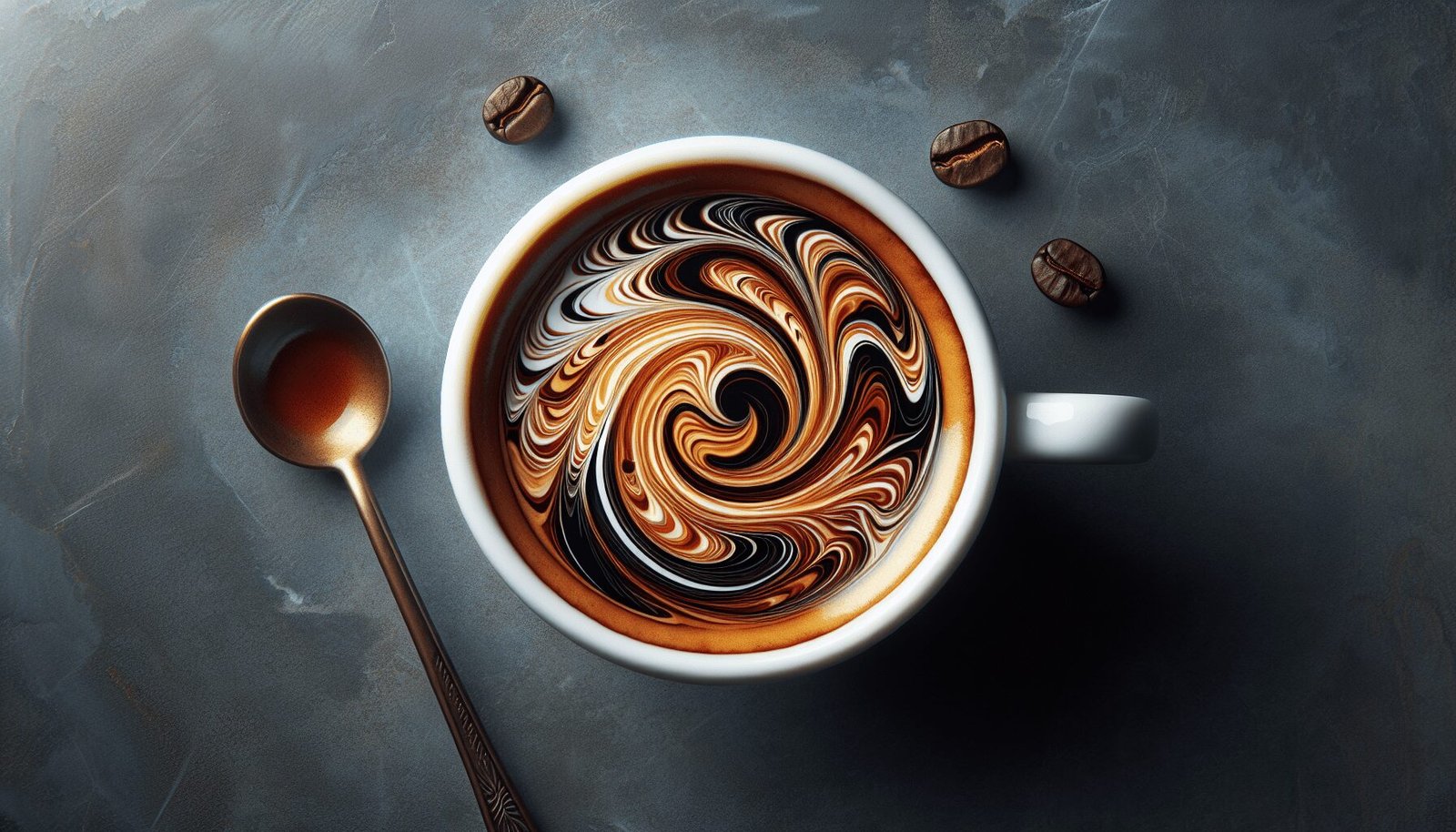
What is espresso, in short: Espresso is a small, concentrated coffee made by forcing hot water, around 195°F to 205°F, through finely ground, tightly packed coffee at about 9 bars of pressure for 25 to 30 seconds. A typical double uses about 18 grams of coffee to make roughly 36 grams of liquid, topped with a layer of crema.
Understanding the Basics of Espresso
Defining Espresso: What is It?
Espresso is a concentrated form of coffee that is brewed by forcing pressurized hot water through finely ground coffee beans. It is characterized by its strong flavor, rich aroma, and creamy texture. Unlike other brewing methods that involve a longer extraction time, espresso is typically extracted within 25 to 30 seconds.
History and Origin of Espresso
The origin of espresso can be traced back to Italy in the late 19th century. Angelo Moriondo of Turin patented a steam powered coffee machine in 1884 and showed it at the Turin General Exposition that year, though it brewed coffee in bulk rather than by the cup (Smithsonian). Luigi Bezzera patented a single serving machine in 1901 that Desiderio Pavoni began selling a few years later, and Achille Gaggia’s spring lever machines of the late 1940s produced the high pressure, crema topped shot we call espresso today. From Italy, the culture of espresso spread throughout Europe and eventually to the rest of the world.
The Impact of Espresso on Coffee Culture
Espresso has had a profound impact on coffee culture worldwide. It has become the foundation of many popular coffee beverages, such as lattes and cappuccinos. The rise of espresso bars, where people socialize and enjoy their espresso-based drinks, has become a global phenomenon. The art of espresso-making has also become a competitive sport, with baristas showcasing their skills in various espresso-making competitions. Espresso has truly revolutionized the way we consume and appreciate coffee.
The Science Behind Espresso
The Role of Pressure in Espresso Making
Pressure plays a key role in the extraction of espresso. When hot water is forced through the coffee grounds under high pressure, it extracts the flavors, oils, and solubles from the beans, resulting in the concentrated and complex taste of espresso. The ideal pressure for making espresso is typically around 9 bars, although some modern machines are capable of generating higher pressures for different brewing profiles.
Water Temperature and Its Effects on Espresso Extraction
Water temperature is another critical factor in espresso extraction. The ideal water temperature for brewing espresso is between 195°F to 205°F (90°C to 96°C). Water that is too hot can lead to over-extraction, resulting in a bitter taste, while water that is too cold can lead to under-extraction, resulting in a sour and weak espresso. Consistently maintaining the proper water temperature is essential for achieving a well-balanced and flavorful espresso shot.
Difference Between Espresso and Other Brewing Methods
Espresso differs from other brewing methods, such as drip brewing or French press, in several ways. First, the extraction time for espresso is much shorter, typically around 25 to 30 seconds, compared to several minutes for other methods. This shorter extraction time results in a concentrated and intense flavor profile. Also, the pressure used in espresso brewing creates a layer of crema, a creamy foam, on top of the espresso shot, which is not present in other brewing methods. The combination of shorter extraction time and high-pressure brewing gives espresso its unique characteristics.
Finding the Right Espresso Beans
Understanding Espresso Roast Levels
Espresso roast levels refer to the degree to which the coffee beans have been roasted. There are generally three roast levels for espresso: light, medium, and dark. Light roast espresso beans have a lighter color and retain more of their original flavors. Medium roast beans have a balance of flavors and acidity, while dark roast beans have a richer, bolder taste with lower acidity. The choice of roast level depends on personal preference and the desired flavor profile of the espresso.
The Different Types of Coffee Beans and How They Affect Espresso
The type of coffee beans used for espresso can greatly affect the taste and characteristics of the final cup. Arabica and Robusta are the two main species of coffee beans commonly used for espresso. Arabica beans are known for their delicate flavors, higher acidity, and smoother body, making them the preferred choice for many specialty espresso blends. On the other hand, Robusta beans have a stronger, more bitter taste and higher caffeine content, making them suitable for adding depth and crema to espresso blends.
Tips for Selecting High-Quality Espresso Beans
When selecting espresso beans, it is important to choose high-quality beans for a superior espresso experience. Look for beans that have been freshly roasted, as they will have the most vibrant flavors and aromas. Do not judge freshness by shine, since an oily surface mostly signals a dark roast and oil keeps rising as beans age. The roast date printed on the bag is the better guide. It is also recommended to smell the beans before purchasing, as the aroma can give you a preview of the flavors that will be present in your espresso. Finally, consider purchasing beans from reputable coffee roasters who source their beans ethically and have a reputation for excellence.
Grinding Beans for Espresso
The Importance of Grind Size in Espresso Making
Grind size is a critical factor in achieving the perfect espresso shot. For espresso brewing, a fine and consistent grind size is necessary to ensure proper extraction. If the grind size is too coarse, the water will flow through the coffee grounds too quickly, leading to under-extraction. On the other hand, if the grind size is too fine, the water will struggle to pass through the grounds, resulting in over-extraction and a bitter taste. Achieving the right grind size is essential for balancing the flavors and achieving the desired extraction time.
Choosing the Best Grinder for Espresso
Investing in a high-quality grinder is key for achieving consistent and precise grind size for espresso brewing. Burr grinders are generally recommended for espresso, as they produce a more uniform grind compared to blade grinders. Burr grinders offer different grind size settings, allowing you to fine-tune the grind size to suit your preference. It helps to choose a grinder that has been specifically designed for espresso, as it will provide the necessary precision and control over the grind size.
Tips and Techniques for Grinding Espresso Beans
To grind espresso beans effectively, there are a few tips and techniques to keep in mind. First, it is key to grind the beans just before brewing to preserve the flavors and aromas. This ensures that the coffee is as fresh as possible. Secondly, adjust the grind size gradually while monitoring the extraction time and taste of your espresso shot. This will help you find the optimal grind size for your preferred flavor profile. Lastly, clean your grinder regularly to prevent any buildup of coffee oils that can affect the taste of your espresso.
Mastering Espresso Extraction
Understanding the Extraction Process
The extraction process in espresso brewing refers to the process of dissolving and extracting the flavors, oils, and solubles from the coffee grounds. It involves the interaction between the water, coffee, and pressure. During extraction, the water first comes into contact with the coffee grounds, dissolving the soluble compounds. As the water passes through the grounds under pressure, it extracts the desirable flavors, while leaving behind undesirable compounds. The result is a concentrated and flavorful espresso shot.
Variables That Affect Espresso Extraction
Several variables can affect the extraction of espresso, including grind size, water temperature, extraction time, and the amount of coffee used. Adjusting these variables allows for control over the flavor and characteristics of the espresso shot. Finer grind size, higher water temperature, longer extraction time, and greater coffee dose generally result in a more intense and concentrated espresso. Conversely, coarser grind size, lower water temperature, shorter extraction time, and lower coffee dose lead to a milder and weaker espresso.
Signs of Under-Extraction and Over-Extraction
Achieving the perfect espresso extraction can be challenging, but recognizing the signs of under-extraction and over-extraction can help troubleshoot the brewing process. Under-extraction results in a sour and weak espresso, characterized by a lack of body and sweetness. Over-extraction, on the other hand, produces a bitter and astringent espresso, often with a burnt taste. By adjusting the variables and experimenting with different brewing parameters, it is possible to find the ideal balance and achieve a well-extracted espresso shot.
Selecting and Using an Espresso Machine
Types of Espresso Machines
There are various types of espresso machines available, each with its own set of features and brewing method. The most common types include manual lever machines, semi-automatic machines, automatic machines, and super-automatic machines. Manual lever machines have you create the pressure yourself by pulling a lever, while semi-automatic machines use an electric pump and leave you to start and stop the shot. Automatic machines handle most of the brewing process, while super-automatic machines are fully automated, requiring minimal user input.
Choosing the Right Espresso Machine for Your Needs
When selecting an espresso machine, consider your brewing preferences, skill level, and budget. If you enjoy the hands-on experience and want the ability to fine-tune the brewing parameters, a manual or semi-automatic machine might be suitable. For those seeking convenience and ease of use, automatic or super-automatic machines offer a more automated brewing process. Also, consider the quality and durability of the machine, as well as its maintenance requirements. It helps to research and read reviews to make an informed decision.
Operating an Espresso Machine: Best Practices
To make the most of your espresso machine, it is important to follow best practices for operation. Preheating the machine and portafilter helps to maintain a consistent brewing temperature. Properly dosing and distributing the coffee grounds ensures an even extraction. Tamping the grounds firmly and evenly promotes optimal water flow through the coffee. Monitoring the extraction time and adjusting the variables as needed allows for customization of the flavor profile. Regular cleaning and maintenance ensure the longevity and performance of the machine.
Espresso Tamping Techniques
What is Tamping and Why is it Important?
Tamping is the process of evenly compressing the coffee grounds in the portafilter before brewing. It helps to create a uniform surface for water to pass through and promotes even extraction of flavors. Tamping is essential for achieving a consistent and balanced espresso shot, as an uneven tamp can result in uneven extraction, leading to inconsistent flavors and strengths in different parts of the espresso puck.
Tamping Tools and Equipment
There are various tools and equipment available for tamping, including tampers, distribution tools, and levelers. Tampers come in different sizes and shapes to fit different portafilter baskets. Distribution tools and levelers are used to evenly distribute the coffee grounds in the portafilter before tamping. These tools aid in achieving a more consistent and level tamp.
Effective Tamping Techniques for the Best Extraction
To tamp effectively, start by distributing the coffee grounds evenly in the portafilter using a distribution tool or leveler. Place the tamper on top of the coffee grounds and apply downward pressure with an even force. The tamper should be parallel to the countertop and level with the rim of the portafilter. Tamp firmly and smoothly, without exerting excessive force. A well-tamped espresso puck should be even and compact, allowing for optimal water flow during extraction.
Steaming Milk for Espresso Beverages
The Art of Milk Steaming
Steaming milk is a key skill for creating delicious and visually appealing espresso-based beverages. The process involves heating and stretching the milk, incorporating air to create a creamy and frothy texture. Proper milk steaming improves the sweetness and mouthfeel of the espresso, resulting in a well-balanced and satisfying drink.
Selecting the Right Milk for Your Espresso Beverages
Choosing the right milk is essential for achieving the desired texture and flavor in espresso-based drinks. Whole milk is commonly used for its creamy texture and balanced sweetness. For a lighter option, skim or low-fat milk can be used, although it may result in a thinner texture. Alternative milk options, such as soy, almond, or oat milk, offer dairy-free alternatives with their own unique flavors and textures.
Achieving the Perfect Milk Texture for Lattes and Cappuccinos
To achieve the perfect milk texture for lattes and cappuccinos, start by using a stainless steel pitcher and cold milk. Submerge the steam wand into the milk at an angle, positioned slightly off-center. Open the steam valve with the tip just below the surface so it draws in air with a gentle hiss while the milk spins. Once the pitcher feels lukewarm, raise it slightly to sink the tip, stop adding air, and keep the milk spinning until it reaches about 140°F to 150°F. The ideal milk texture should be smooth, velvety, and without large bubbles.
Espresso-based Drinks
Classic Espresso-Based Drinks and How to Make Them
There are several classic espresso-based drinks that are enjoyed worldwide. Some of the most popular ones include:
- Espresso: A single shot of pure, concentrated coffee.
- Macchiato: Espresso with a small amount of milk foam or steamed milk.
- Cappuccino: Equal parts espresso, steamed milk, and milk foam.
- Latte: Espresso with a larger amount of steamed milk, topped with a small layer of milk foam.
- Mocha: Espresso with chocolate syrup and steamed milk, topped with whipped cream.
To make these drinks, follow the respective ratios of espresso, milk, and foam, and experiment with different flavorings and toppings to suit your taste preferences.
Innovative Espresso Drink Recipes
In addition to classic espresso-based drinks, there are numerous innovative recipes that showcase the versatility of espresso. Some creative ideas include:
- Affogato: A scoop of vanilla ice cream or gelato topped with a shot of hot espresso.
- Espresso Martini: A cocktail made with espresso, vodka, coffee liqueur, and simple syrup.
- Espresso Tonic: A refreshing combination of espresso and tonic water, served over ice.
- Espresso Milkshake: A blend of espresso, milk, ice cream, and optional flavorings, topped with whipped cream.
- Espresso Granita: A frozen dessert made by freezing sweetened espresso and scraping it into ice crystals.
These innovative recipes allow for experimentation and customization, providing a unique and exciting experience with espresso.
Pairing Food with Espresso Drinks
Pairing food with espresso drinks can improve the overall flavor experience. The strong and complex flavors of espresso complement a variety of foods. For example, a rich and chocolaty espresso can be paired with dark chocolate or desserts like tiramisu. The creamy and frothy texture of cappuccinos pairs well with pastries and baked goods. Also, the bold flavors of espresso-based drinks can balance out the richness of savory dishes, such as cured meats or aged cheeses. The possibilities for food and espresso pairings are endless, providing a delightful culinary experience.
Keeping Your Espresso Machine in Top Shape
Routine Cleaning and Maintenance for Espresso Machines
Regular cleaning and maintenance are essential for keeping your espresso machine in optimal condition. It is recommended to clean the portafilter, group head, and steam wand after each use. Backflushing with water and a cleaning agent should be done regularly to remove any coffee oils and residue that can build up over time. Descaling the machine periodically helps to remove mineral deposits and maintain proper functionality. Also, following the manufacturer’s instructions and guidelines for maintenance will ensure the longevity and performance of your espresso machine.
Identifying and Troubleshooting Common Espresso Machine Problems
Espresso machines can experience common issues that may affect performance. Some common problems include inconsistent extraction, steam wand blockage, and leakages. Inconsistent extraction may be due to uneven tamping or improper grind size. Steam wand blockage can occur when milk residues accumulate, prohibiting proper steaming. Leakages may be a result of worn gaskets or damaged parts. Identifying these problems and understanding their potential causes allows for troubleshooting and appropriate action, whether it be adjusting brewing techniques or seeking professional repairs.
When to Upgrade or Replace Your Espresso Machine
Knowing when to upgrade or replace your espresso machine is an important consideration. If you find that your current machine no longer meets your brewing preferences or lacks the features you desire, it may be time for an upgrade. Similarly, if your machine consistently experiences issues that cannot be resolved through repairs, it may be more cost-effective to replace it. It is worth researching and exploring new models to assess how they align with your brewing needs and budget before making a decision.
In conclusion, understanding the basics of espresso is key for achieving the perfect shot. From the history and science behind espresso to the selection of beans, grinding techniques, and extraction processes, each element contributes to the complete espresso experience. With the right knowledge, tools, and techniques, you can become a master of espresso-making, creating delicious and personalized brews that showcase the art and craftsmanship of this beloved beverage. So why wait? Look at espresso and start an exciting routine of flavor and creativity.
Espresso by the Numbers
Espresso has a recipe card, even if most cafes never show it. These are the numbers most home baristas start from with a standard double basket. Treat them as a map, then let your taste move you off it.
| Variable | Common starting point | What it changes in the cup |
|---|---|---|
| Dose (dry coffee) | 18 g in a double basket, anywhere from 14 to 20 g depending on basket size | Body and strength |
| Yield (liquid out) | About 36 g, a 1:2 ratio | Shorter tastes thicker and sharper, longer tastes thinner and sweeter |
| Shot time | 25 to 30 seconds | Too fast runs sour, too slow runs bitter |
| Water temperature | 195°F to 205°F (90°C to 96°C) | Hotter pulls more from light roasts, cooler tames dark roasts |
| Pressure | About 9 bars at the coffee | Pushes water through the tight puck and builds crema |
| Volume in the cup | Roughly 1 ounce for a single, 2 ounces for a double | How the shot stands up to milk |
Grind is the missing row because it has no universal number. It is the dial you turn to hit the time, and it changes with every bag, every grinder and even the weather. If the numbers above feel like a lot to juggle, our guide to advanced espresso techniques and tips walks through pulling and adjusting shots step by step.
What Counts as Espresso, and What Only Tastes Close
Plenty of gear promises espresso. The test is simple: finely ground coffee, packed tight, with hot water pushed through it at high pressure for under a minute. Here is how the common stand-ins measure up.
- Pump or lever espresso machines: the real thing. They deliver around 9 bars at the puck and give you control over dose, grind and yield. Our best espresso machine for beginners list starts with the models that forgive early mistakes.
- Nespresso Original machines: close. A 19 bar pump pushes water through a sealed capsule, so you get a short, crema topped shot, though you give up control of grind and freshness. Vertuo machines spin the capsule instead, reading a barcode on each pod.
- Moka pot: strong, but not espresso. Steam pressure of roughly 1 to 2 bars pushes water up through the coffee, so the cup is dense and bold with little true crema.
- AeroPress: a concentrate, not espresso. Your hands supply the pressure, far below 9 bars, which makes a clean, strong shot that works well in milk drinks.
- “Espresso roast” beans: a label, not a requirement. Any bean can be brewed as espresso, and many light roasts make excellent shots, which our explainer on espresso roast unpacks.
What is espresso: FAQ
Does espresso have more caffeine than regular coffee?
Per ounce, yes. Per serving, usually no. A 1 ounce shot of espresso has about 63 mg of caffeine, while an 8 ounce cup of drip coffee has about 95 mg, based on USDA nutrient data. A double shot latte and a small drip end up in similar territory. Our drip coffee vs espresso comparison breaks down the full difference.
Is espresso a type of coffee bean or roast?
No, espresso is a brewing method. Any coffee bean from any roast level can be brewed as espresso. Roasters sell “espresso blends” because those beans were chosen and roasted to taste balanced at espresso strength, but a single origin light roast can be pulled as a shot too.
What is the difference between a single and a double shot?
A double uses about twice the coffee and makes about twice the liquid. A single usually takes 7 to 10 grams of coffee for about 1 ounce, and a double takes 14 to 20 grams for about 2 ounces. Most specialty cafes now pour doubles by default. For machines, grinders and beans that make the double easy at home, browse Coffee Rank IQ.