Coffee Brewing Methods Compared: Grind, Ratio, Time, Taste
You find solace in those early morning hours, where a warm cup of coffee becomes your steadfast companion. As you savor the familiar aroma and the rich taste that envelops your senses, you can’t help but wonder if there is a way to improve your coffee experience further. Enter the world of advanced coffee brewing techniques, a world where precision and creativity merge to create a symphony of flavors. This article will look at the secrets and intricacies that lie beyond the surface of a simple cup of joe, revealing the artistry and science behind brewing the perfect cup of coffee. From exploring alternative brewing methods to understanding the impact of water temperature and grind size, prepare to start a routine that will change your coffee routine.
Coffee brewing methods compared, in short: Coffee brewing methods differ mainly in grind size, ratio and contact time. A French press steeps coarse grounds for about 4 minutes for a heavy cup, pour over drips through paper in about 3 minutes for a clean one, espresso needs 30 seconds and a fine grind, and cold brew steeps for 12 to 24 hours.
Understanding Your Beans
Differentiating bean profiles
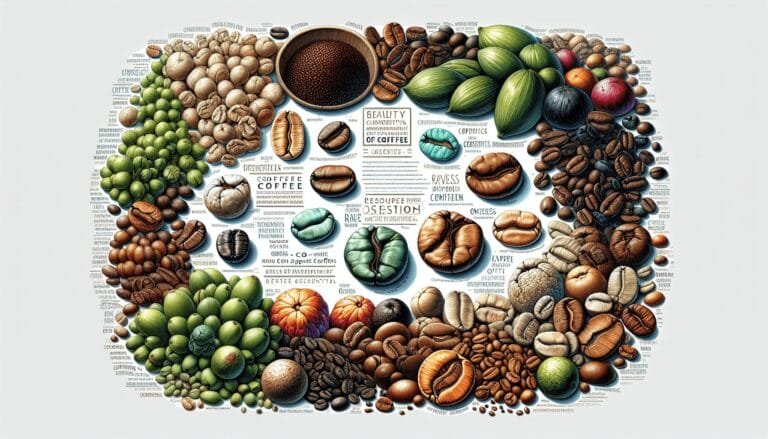
For brewing the perfect cup of coffee, understanding the different profiles of coffee beans is key. Each coffee bean comes from a specific region, and these regions directly influence the taste and aroma of the coffee. Whether it’s the floral notes of Ethiopian beans or the chocolatey richness of Brazilian beans, the profile of the beans will determine the overall flavor profile of your brew.
Selecting quality coffee beans
To ensure a delicious and high-quality brew, it is essential to select the right coffee beans. Look for beans that have been ethically sourced and freshly roasted. When purchasing beans, pay attention to the roast date to ensure freshness. Also, consider the origin and the processing method of the beans. Experiment with different regions and processing methods to discover the flavor profiles that appeal to you the most.
Freshness and storage of coffee beans
To maintain the freshness and flavor of your coffee beans, it is important to store them properly. Keep your beans in an airtight container away from direct sunlight, moisture, and heat. Make sure to grind only the amount of coffee you need for each brew to preserve the freshness of the beans. Most roasters suggest drinking whole beans within about two to four weeks of the roast date, after a few days of rest, so buy amounts you will finish in that window.
Optimizing Coffee-to-Water Ratio
The principle of coffee-to-water ratios
The coffee-to-water ratio is one of the most key factors in brewing a perfect cup of coffee. It refers to the amount of coffee grounds you use relative to the amount of water. The general rule of thumb is to use a ratio of 1:16, which means one part coffee to sixteen parts water. But, this ratio can be adjusted based on personal preference and the desired strength of the brew.
Adjusting ratio for different brew methods
Different brewing methods require different coffee-to-water ratios to achieve the desired flavor and strength. For example, a French press requires a coarser grind and a higher coffee-to-water ratio, while a pour-over method may require a finer grind and a lower ratio. Experiment with different ratios to find the perfect balance for each brewing method and the taste you prefer.
Balancing strength and flavor
Finding the right balance between strength and flavor is key to brewing a fantastic cup of coffee. A stronger coffee-to-water ratio will result in a more intense flavor, while a lighter ratio will produce a milder brew. By adjusting the coffee-to-water ratio, you can fine-tune the strength and flavor to match your personal preferences. Experiment with different ratios and take note of the results to develop your perfect cup of coffee.
Mastering the Grind Size
Implication of grind size on brewing
The grind size of your coffee beans plays a vital role in the brewing process. Different brewing methods require different grind sizes to extract the flavors effectively. Generally, a coarser grind is ideal for a longer extraction time, such as in a French press, while a finer grind is suitable for shorter extraction times, like in an espresso. Grinding your beans too fine or too coarse can result in over-extraction or under-extraction, leading to a bitter or weak brew.
Choosing the right grinder
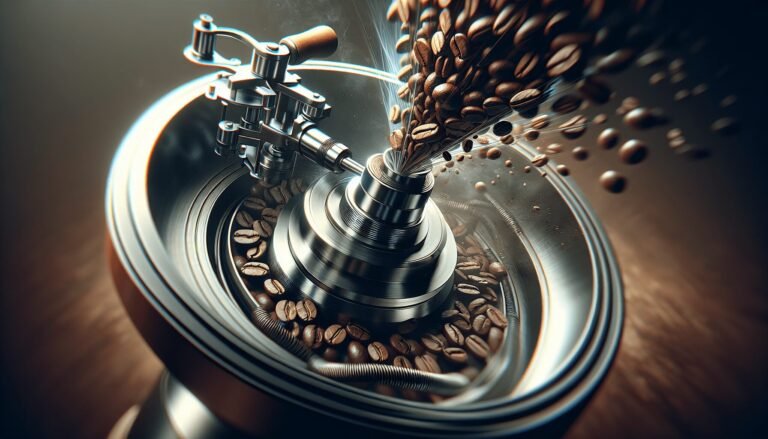
Investing in a good quality grinder is essential for achieving the perfect grind size. Burr grinders are highly recommended as they provide a consistent grind size and minimize heat buildup. Avoid using blade grinders as they produce inconsistent grind particles. Choose a grinder with adjustable settings to fine-tune the grind size according to your brewing method and personal preference.
Tuning the grind for different brewing methods
To tune the flavor extraction, it is important to adjust the grind size for each brewing method. For example, a coarser grind is suitable for a French press, while a medium grind is ideal for pour-over methods. Espresso requires a very fine grind to maximize the extraction. Experiment with different grind sizes and observe the taste and quality of your brew to achieve the desired results.
Perfecting Your Water Temperature
Ideal temperature ranges for brewing
Water temperature greatly influences the extraction process and in the end affects the flavor of your coffee. The ideal temperature for brewing coffee is between 195°F (90°C) and 205°F (96°C). This temperature range allows for optimal extraction of the coffee grounds without scorching or under-extracting them. It is key to have a reliable thermometer to accurately measure the water temperature and ensure consistency in your brews.
Impacts of water temperature on extraction
The water temperature directly affects the rate at which flavors are extracted from the coffee grounds. If the water is too hot, it can lead to over-extraction, resulting in a bitter and unpleasant brew. On the other hand, if the water is too cold, it may under-extract the flavors, resulting in a weak and insipid cup of coffee. Maintaining the proper water temperature is key to achieving a well-balanced and flavorful brew.
Techniques to regulate brewing temperature
To regulate the brewing temperature, there are several techniques you can employ. Preheating your brewing equipment, such as a French press or a pour-over kettle, can help maintain the desired temperature throughout the brewing process. For espresso machines, temperature stability is built into the design, but it is still important to monitor and adjust as necessary. By using a kettle with temperature control or a temperature-controlled espresso machine, you can ensure that the water temperature remains within the ideal range for brewing.
Brewing Methods
Using the French Press
The French press is a popular brewing method that produces a rich and full-bodied cup of coffee. To use a French press, start by preheating the pot and adding coarsely ground coffee. Pour hot water into the French press, giving it a gentle stir, and let it steep for 4-5 minutes. Press down the plunger slowly to separate the grounds from the liquid. Serve the coffee immediately to enjoy its bold flavors.
Mastering the Pour Over method
The pour-over method is known for its precision and ability to extract the delicate flavors of coffee. Begin by placing a filter in the pour-over cone and rinsing it with hot water. Add medium to medium fine ground coffee to the filter and slowly pour hot water over the grounds in a circular motion. Allow the water to drip through the coffee and repeat the process until you have brewed your desired amount. The pour-over method allows for control over variables such as the water flow rate and brew time, resulting in a clean and subtle cup of coffee.
Making Espresso at home
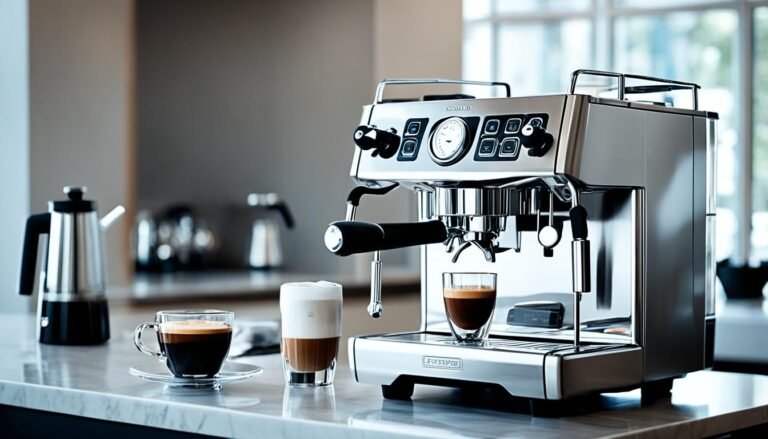
Creating espresso at home requires specialized equipment, such as an espresso machine or a manual lever espresso maker. A Moka pot makes strong, espresso style coffee, but it brews at roughly 1 to 2 bars of pressure instead of the 9 bars espresso uses. Start by grinding your coffee beans to a fine consistency. Fill the portafilter with coffee grounds and tamp them down firmly. Attach the portafilter to the espresso machine and start the brewing process. A quality espresso shot should have a rich crema and a balanced, concentrated flavor. Experiment with different grind sizes and brewing times to perfect your espresso-making technique.
Exploring cold brew techniques
Cold brew coffee is a refreshing and smooth alternative to hot coffee. To make cold brew, coarsely grind your coffee beans and combine them with cold water in a container. Let the mixture steep in the refrigerator for 12-24 hours. After steeping, strain the coffee grounds and enjoy the concentrated cold brew. This method produces a low-acidity, yet full-flavored coffee that can be served over ice or diluted with water or milk. Experiment with different coffee-to-water ratios and steeping times to find your preferred cold brew strength.
Advanced Brewing Devices
An introduction to siphon brewers
siphon brewers, also known as vacuum coffee makers, are a visually intriguing and precise brewing method. The device uses heat and vapor pressure to push water up to the coffee, then a vacuum to pull the brewed coffee back down, with no high pressure involved. Start by adding water to the bottom chamber and heat it until it reaches the boiling point. As the water heats, vapor pressure pushes it up into the upper chamber, where it steeps with the grounds. After brewing, remove the heat and allow the coffee to flow back down into the lower chamber. The siphon method combines the best elements of immersion and filtered brewing, producing a clean and aromatic cup of coffee.
Leveraging the AeroPress
The AeroPress is a versatile and portable brewing device that allows you to make a range of coffee types, from a concentrated shot to a full cup of coffee. To use the AeroPress, start by placing a filter in the cap and screw it onto the chamber. Add finely ground coffee and pour hot water over it, stirring gently. Attach the plunger and press it down slowly to extract the coffee. The AeroPress offers control over variables such as temperature and steep time, resulting in a clean and well-extracted cup of coffee.
The science behind vacuum coffee makers
Vacuum coffee makers, also known as siphon brewers, rely on the principles of vapor pressure and vacuum to brew coffee. The device consists of two chambers, one for water and one for coffee grounds. Applying heat to the lower chamber causes the water to vaporize, creating pressure that forces it into the upper chamber, where it mixes with the coffee grounds. When heat is removed, the pressure drops, creating a vacuum that draws the brewed coffee back into the lower chamber, leaving the grounds behind. This brewing method allows for precise control over variables such as temperature, immersion time, and extraction, resulting in a uniquely flavorful and aromatic cup of coffee.
Refining Your Palate
The art of coffee tasting
Coffee tasting, also known as cupping, is a sensory experience that allows you to evaluate the flavors, aromas, and mouthfeel of different coffees. To taste coffee, start by grinding the beans and adding them to a cup. Pour hot water over the grounds and let it steep for a few minutes. Break the crust that forms on top of the cup and inhale the aromas. Take small sips, allowing the coffee to coat your palate, and pay attention to the flavors and nuances. By practicing coffee tasting, you can develop a better understanding and appreciation for the intricacies of different coffees.
Understanding flavor profiles
Coffee beans offer a wide range of flavor profiles, ranging from fruity and floral to chocolatey and nutty. Understanding flavor profiles can help you identify the characteristics you enjoy in a cup of coffee. Consider the origin of the beans and the processing methods used to bring out specific flavors. Experiment with different beans and take note of the flavors and aromas you experience. Developing a palate for different flavor profiles can improve your coffee brewing and selection process.
Recognizing a good brew
Recognizing a good brew goes beyond personal taste preferences. A well-brewed cup of coffee should have balance, complexity, and a pleasant aftertaste. It should not be overly bitter or sour, and the flavors should be distinct and well-rounded. Look for clarity in the flavors and aromas, and pay attention to the mouthfeel and body of the coffee. With practice and experimentation, you can refine your palate and recognize the hallmarks of a well-brewed cup of coffee.
Brewing Coffee for Large Groups
Choosing the right brew method
When brewing coffee for large groups, it is important to choose a brewing method that can yield a sufficient quantity of coffee without sacrificing quality. Methods like the French press, pour-over, or automatic batch brewers are suitable for brewing larger volumes of coffee. Consider the brewing time, ease of use, and the preferences of the group when selecting the right brew method.
Scaling up your coffee measurements
Scaling up your coffee measurements requires proportionally increasing the amount of coffee grounds and water used. Use a coffee-to-water ratio that is suitable for larger batches while maintaining the desired strength and flavor. Make sure to adjust the brewing time accordingly to ensure that the coffee is being properly extracted. It may also be helpful to invest in larger brewing equipment to accommodate the increased volume.
Maintaining quality in large batches
Maintaining quality in large batches can be a challenge, but it is achievable with careful attention to detail. Ensure that all brewing equipment is thoroughly cleaned and sized appropriately for the volume of coffee being brewed. Monitor the coffee-to-water ratio, grind size, and brewing time to ensure consistency across the entire batch. Consider serving the coffee in thermal carafes or airpots to keep it hot and fresh for an extended period. By paying attention to these factors, you can brew high-quality coffee for large groups.
Cleaning and Maintenance
Timely cleaning for optimal brewing
Regular and timely cleaning of your brewing equipment is essential for optimal brewing. Coffee oils and residue can build up over time and negatively impact the flavor and quality of your brews. Clean your equipment after each use by rinsing with hot water, using a non-abrasive cleaner to remove stains, and ensuring that all parts are thoroughly dried before storage. A clean brewing setup will result in better-tasting coffee and extend the longevity of your equipment.
Techniques for cleaning different brewers
Different brewers require specific cleaning techniques to ensure thorough and effective cleaning. For methods like the French press, disassemble all components and clean them with hot water and mild detergent. Remove any oils or grounds stuck in the mesh filter. Automatic brewers may require descaling with a descaling solution to remove mineral buildup. Follow the manufacturer’s instructions for cleaning espresso machines and other specialized brewing equipment. By understanding the unique cleaning needs of each brewer, you can maintain their performance and keep your coffee tasting its best.
Proper coffee gear maintenance
Taking care of your coffee gear is key for longevity and optimal performance. Regularly inspect your equipment for any signs of wear or damage and address them accordingly. Clean and dry all equipment after each use to prevent bacterial growth and buildup. Store your gear in a clean and dry environment to prevent rust or damage. Follow the manufacturer’s maintenance recommendations for any specialized equipment. By properly maintaining your coffee gear, you can enjoy delicious cups of coffee for years to come.
Experimenting with Recipes
Venturing into coffee cocktails
Coffee cocktails offer a delightful way to merge the flavors of coffee and spirits. Explore recipes such as Espresso Martinis, Irish Coffees, or Coffee Negronis. Experiment with different spirits, liqueurs, and coffee preparations to create unique and flavorful combinations. Pay attention to the balance of flavors and the intensity of the coffee to achieve a harmonious coffee cocktail.
Incorporating coffee in baked goodies
Coffee can be a wonderful addition to baked goods, adding depth and richness to various recipes. Try incorporating coffee in recipes such as mocha brownies, coffee-infused cakes, or espresso-flavored cookies. Experiment with different brewing methods and coffee strengths to find the right balance in your baked treats. Coffee can improve the flavors and create a unique twist in traditional baked goods.
Crafting unique coffee beverages
coffee offers an endless array of beverage possibilities beyond the traditional cup of joe. Explore recipes for iced coffees, coffee smoothies, or coffee-infused milkshakes. Experiment with different flavors, syrups, and milk alternatives to create your own signature coffee beverages. Get creative with ingredients like spices, fruits, and chocolate to add unique and delicious twists to your coffee creations. The possibilities are endless for crafting unique and exciting coffee beverages.
In conclusion, mastering the art of advanced coffee brewing involves understanding the intricacies of your beans, optimizing the coffee-to-water ratio, perfecting the grind size, controlling water temperature, exploring various brewing methods, and refining your palate. Also, it is important to consider brewing for large groups, cleaning and maintaining your brewing equipment, and experimenting with recipes to add creativity to your coffee experience. By delving into advanced coffee brewing techniques, you will open up a world of flavors and possibilities that will improve your coffee enjoyment to new heights.
Coffee Brewing Methods Compared: The Cheat Sheet
Every method above is the same bargain between four dials: how fine you grind, how much coffee you use, how hot the water is, and how long the two stay together. Change the brewer and the dials move together. Use this chart as your starting recipe, then adjust one dial at a time.
| Method | Grind | Starting ratio | Water temperature | Contact time | What the cup tastes like |
|---|---|---|---|---|---|
| French press | Coarse | 1:12 to 1:15 | 195°F to 205°F | About 4 minutes | Heavy body, a little silt, rounded |
| Pour over (V60, Kalita, Chemex) | Medium to medium fine | 1:15 to 1:17 | 195°F to 205°F | 2.5 to 4 minutes | Clean, bright, easy to taste origin |
| Drip machine | Medium | 1:15 to 1:18 | 195°F to 205°F | 4 to 8 minutes for a full carafe | Balanced, familiar, easy to batch |
| AeroPress | Fine to medium | 1:12 to 1:16, or stronger as a concentrate | 175°F to 205°F | 1 to 2 minutes | Clean but full, very forgiving |
| Siphon | Medium | About 1:15 | Near 200°F in the top chamber | About 1 to 1.5 minutes of steeping | Clean, aromatic, almost tea like |
| Moka pot | Fine, a touch coarser than espresso | Fill the basket level, no tamp | Starts hot on the stove | 4 to 5 minutes | Strong, dense, slightly bitter edge |
| Espresso | Very fine | About 1:2, such as 18 g in and 36 g out | 195°F to 205°F | 25 to 30 seconds | Concentrated, syrupy, intense |
| Cold brew | Coarse | 1:4 to 1:5 concentrate, or about 1:8 ready to drink | Cold or room temperature | 12 to 24 hours | Smooth, low bite, chocolatey |
Read the chart sideways and a pattern jumps out. The shorter the contact time, the finer the grind has to be. Espresso gets 30 seconds, so the coffee is nearly powder. Cold brew gets a full day, so the grounds look like breadcrumbs. When a cup tastes sour, the usual fix is a finer grind or a longer brew. When it tastes bitter and dry, go coarser or shorter.
For the grams behind each method, our pour over coffee ratio guide and the cold brew ratio math go deeper, and coffee brewing temperature explains why 195°F to 205°F shows up on almost every row. If you want the broader habits behind a better cup, from bean storage to tasting, our guide to perfecting advanced coffee brewing covers the fundamentals.
FAQ
Which coffee brewing method makes the strongest coffee?
Espresso is the most concentrated by far, ounce for ounce. Total caffeine is a different story, because a 12 ounce mug of drip or a glass of cold brew made from concentrate usually carries more caffeine than a single shot. Strength in the cup depends on the ratio, while caffeine depends on how much coffee you end up drinking.
Which brewing method is easiest for beginners?
The French press and the AeroPress are the easiest to get right. Both steep the grounds fully, so pouring technique barely matters and you do not need a gooseneck kettle. The French press makes several cups at once with a heavier body, while the AeroPress makes one clean cup and cleans up in seconds.
Do the same beans taste different in different brewers?
Yes, often dramatically. Paper filters trap most of the coffee oils and fine particles, so pour over and drip taste cleaner and brighter. Metal filters in a French press let those oils through, which adds body and a heavier finish. A washed Ethiopian that tastes like lemon tea in a V60 can taste like cocoa and stone fruit in a press. For more brewer guides and gear picks, start at the Coffee Rank IQ homepage.
Keep Exploring Coffee Rank IQ
- Coffee Rank IQ home: reviews, brewing guides, and coffee science
- Coffee Extraction Science: Brewing Methods Explained
- Best Ways To Customize Temperature Settings On The Behmor Brazen Plus Coffee Maker And Improve Your Brewing Experience By Controlling The Extraction Process For A Perfect Cup Of Coffee Every Time
- The Most Popular Coffee Brewing Methods for Beginners
- Most Popular Brewing Methods For Home Coffee Enthusiasts