Pour Over Technique: The Pour Schedule Behind a Sweet Cup
Coffee fans rejoice! In a world where coffee has become an art form, mastering the detailed process of pour over coffee has become a pinnacle of skill. From the careful selection of beans to the precise pouring technique, the art of pour over coffee is a combination of science and creativity. In this article, you will start a routine to unravel the secrets behind mastering this craft, discovering the nuances of coffee flavors and aroma, and unlocking the potential to brew a cup of java that will rival those served in the finest cafes. Get ready to improve your morning routine to a whole new level of excellence.
Good pour over technique is a timed sequence: bloom with about twice the coffee’s weight in water for 30 to 45 seconds, add the rest in slow pulses aimed at the center, and let the bed finish draining around 3:00 to 3:30 for a 20 gram dose. When the cup tastes off, adjust the grind before the pour.
Understanding Pour Over Coffee
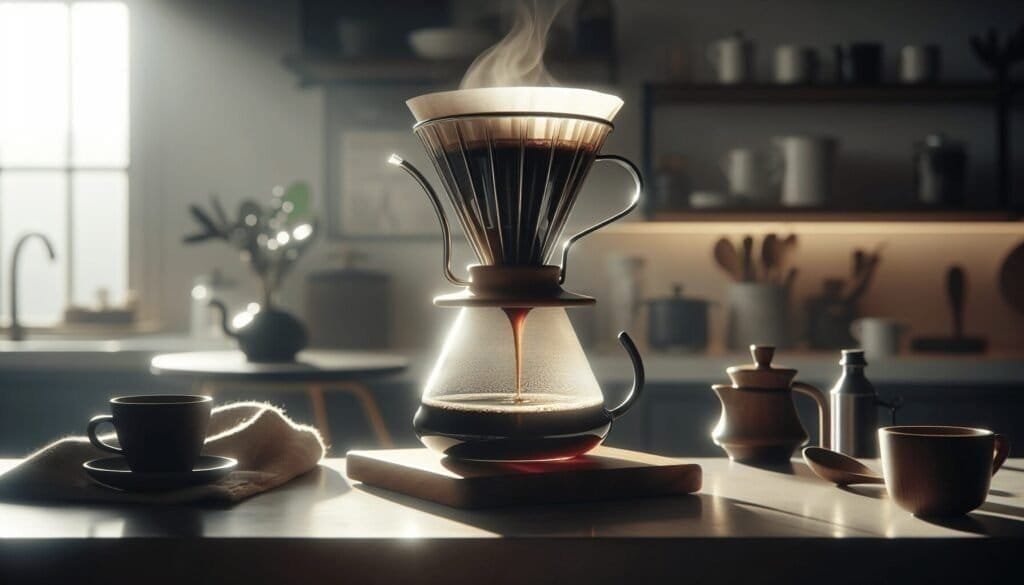
Pour over coffee is a brewing method that involves manually pouring hot water over coffee grounds, allowing the water to flow through the grounds and extract their flavors and aromas. This method is known for producing a clean and flavorful cup of coffee, emphasizing the unique characteristics of the beans. It is often regarded as a more detailed and hands-on brewing process compared to other methods like drip coffee or espresso.
What is Pour Over Coffee?
Pour over coffee is a brewing method that involves pouring hot water over coffee grounds, allowing it to slowly filter through and extract the flavors and aromas of the beans. It requires a manual pour technique and is typically operated by hand, allowing the brewer to have complete control over the variables of the brewing process, such as water flow rate and temperature. This method allows for a more customized and precise brewing experience, resulting in a cup of coffee that truly highlights the unique characteristics of the beans.
History of Pour Over Coffee
Paper filter pour over dates to 1908, when Melitta Bentz, a homemaker in Dresden, Germany, registered her paper coffee filter with the Imperial Patent Office (German Patent and Trade Mark Office). Japanese makers refined the dripper later: Hario, a heat resistant glass maker founded in 1921, released its V60 cone in 2004 (European Coffee Trip). Hario and fellow Japanese brand Kalita now make many of the drippers you see on specialty cafe counters. The slow and careful process of pouring hot water over the coffee grounds allowed for an improved extraction, resulting in a distinct and flavorful cup of coffee.
Why Choose Pour Over Coffee
The pour over coffee brewing method offers several advantages that make it a popular choice among coffee enthusiasts. First, the manual pouring technique allows for complete control over various brewing variables, such as water temperature, flow rate, and saturation, resulting in a more personalized and precise brewing experience. Also, the slow extraction process of pour over brewing ensures that the flavors and aromas are fully extracted from the coffee grounds, leading to a cleaner and more subtle cup of coffee. Also, pour over brewing is a relatively inexpensive method compared to other brewing methods, as it requires minimal equipment and can be performed with just a few simple tools.
Essential Equipment for Brewing Pour Over Coffee
To brew the perfect pour over coffee, there are several essential pieces of equipment that you will need.
The Coffee Grinder
A coffee grinder is an essential tool for pour over brewing, as freshly ground coffee beans are key for achieving the best flavor. It is recommended to invest in a burr grinder, as it provides a consistent grind size and ensures that the coffee particles are uniformly extracted during the brewing process.
The Pour Over Dripper
The pour over dripper is the vessel where the brewed coffee flows into. It is typically cone-shaped, allowing for a controlled water flow and even extraction. Materials like ceramic, glass, and stainless steel are commonly used for pour over drippers, each offering their own advantages in terms of heat retention and durability.
The Coffee Filter
Using a coffee filter is key for pour over brewing, as it removes any sediment or oils from the coffee, resulting in a cleaner cup. Paper filters are the most commonly used option, and there are various sizes available to fit different pour over drippers. Alternatively, reusable metal filters can also be used, which offer a more sustainable option.
The Gooseneck Kettle
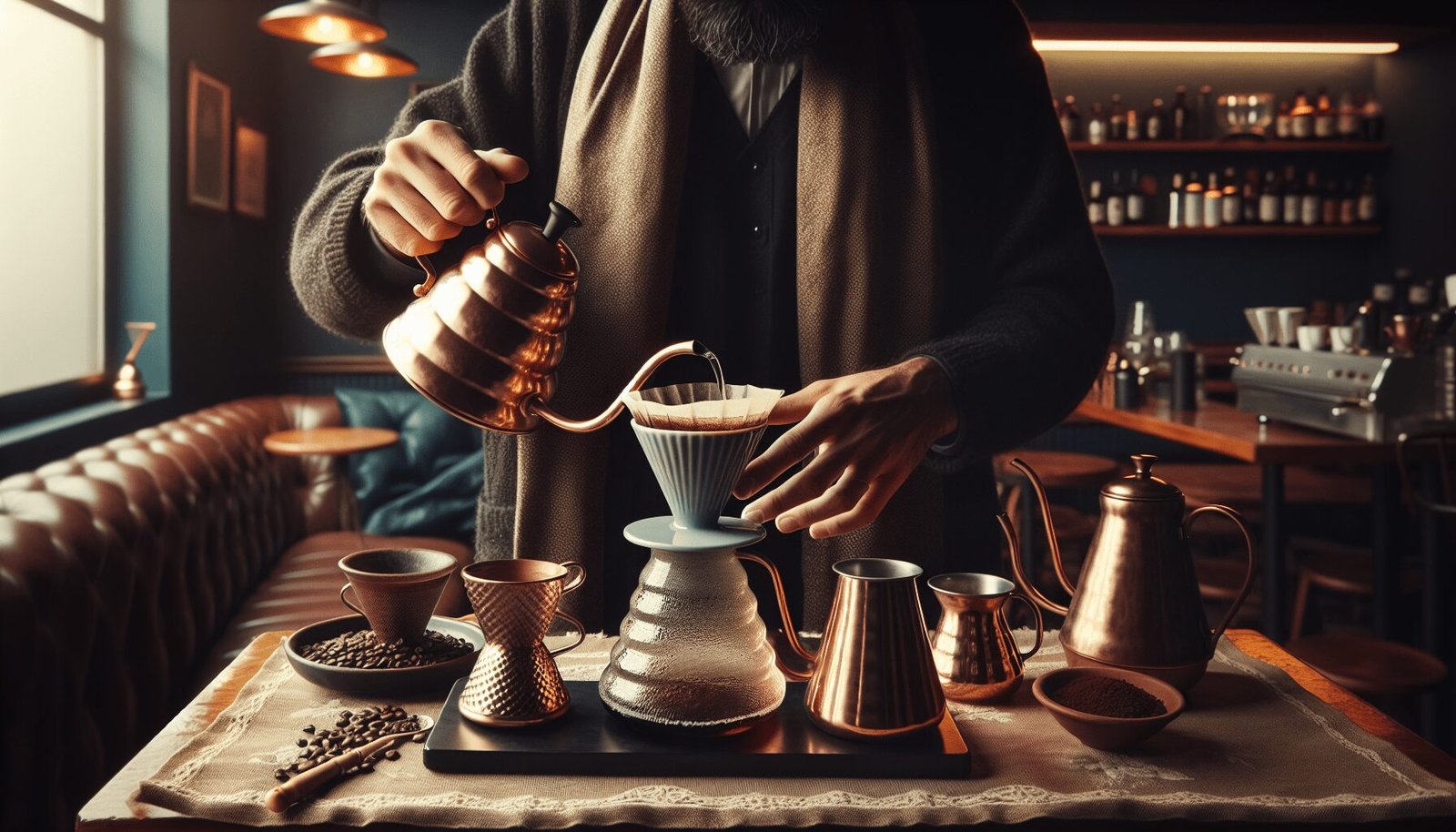
A gooseneck kettle is a specialized kettle that features a narrow and curved spout, allowing for precise and controlled pouring of water. The slow and controlled pour achieved with a gooseneck kettle is essential for pour over brewing, as it allows for greater control over the water flow rate and saturation of the coffee grounds.
The Coffee Scale
A coffee scale is a valuable tool for pour over brewing, as it allows for precise measurement of both coffee grounds and water. Consistency in the coffee to water ratio is key for achieving a balanced and flavorful cup of coffee, and a coffee scale ensures accuracy in the brewing process.
The Coffee Carafe
A coffee carafe is used to collect the brewed coffee from the pour over dripper. It is essential to choose a carafe that is heat-resistant and can maintain the temperature of the brewed coffee. Also, a carafe with a good spout design allows for easy and controlled pouring, ensuring minimal spillage.
Selecting the Perfect Coffee Beans for Pour Over Brew
The choice of coffee beans is a critical factor in achieving the perfect pour over brew. Here are some considerations when selecting coffee beans for pour over brewing:
Understanding Coffee Roasts and Flavors
Coffee beans come in various roast levels, ranging from light to dark. Each roast level provides different flavor profiles, with light roasts offering brighter and more acidic flavors, and dark roasts offering bolder and more caramelized flavors. Experimenting with different roast levels allows you to explore and find the flavor profiles that suit your taste preferences.
Single Origin vs. Blend Beans
Single-origin beans come from a specific geographic location and often showcase the unique characteristics and flavors of that region. On the other hand, blend beans are a combination of coffee beans from different regions, blending their flavors to create a more balanced and complex cup of coffee. Both single-origin and blend beans can be used for pour over brewing, and the choice depends on the flavor profile you prefer.
Best Coffee Bean Brands for Pour Over Brew
coffee offers a vast selection of coffee bean brands that cater to pour over brewing. Some popular and highly regarded brands for pour over brewing include Blue Bottle Coffee, Stumptown Coffee Roasters, Intelligentsia Coffee, and Counter Culture Coffee. It is recommended to explore different brands and experiment with various beans to discover the flavors that land with your taste preferences.
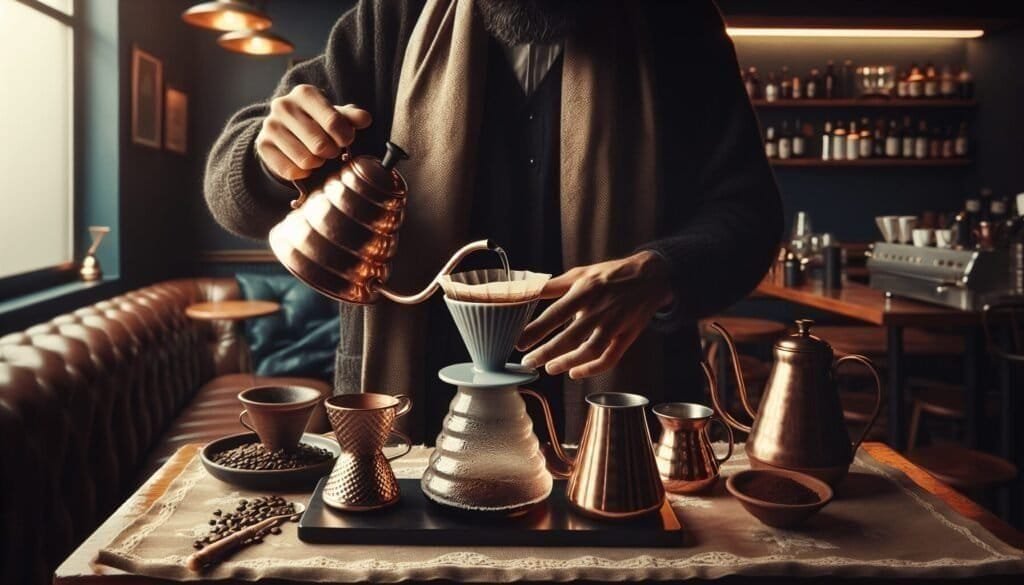
The Art of Grinding Coffee Beans
Grinding your own coffee beans is a key step in pour over brewing, as it allows for optimal flavor extraction. Here are some aspects to consider for grinding coffee beans:
Why Grind Your Own Beans
Grinding your own beans ensures that you have the freshest coffee possible. Whole coffee beans have a longer shelf life compared to pre-ground coffee, as the flavor and aroma compounds remain intact until the beans are ground. Also, grinding your beans right before brewing allows you to adjust the grind size to suit your preferred extraction rate, resulting in a more consistent and flavorful cup of coffee.
Choosing the Right Coffee Grinder
When selecting a coffee grinder for pour over brewing, it is recommended to invest in a burr grinder. Burr grinders provide a more consistent grind size compared to blade grinders, ensuring that the coffee particles are uniformly extracted during the brewing process. Manual burr grinders are a popular choice among pour over enthusiasts, as they offer more control over the grinding process and allow for finer adjustments in grind size.
Finding the Perfect Grind Size for Pour Over
The grind size for pour over brewing is key, as it determines the extraction rate of the coffee and directly affects the flavor profile of the final cup. For pour over brewing, a medium-fine to medium grind size is generally recommended. It should resemble granulated sugar or sea salt in texture, allowing for a balanced extraction that captures the flavors and aromas of the coffee.
The Importance of Measuring Your Coffee
Accurate measurement of coffee is essential for achieving a balanced and flavorful cup of pour over coffee. Here are some considerations for measuring your coffee:
Understanding Coffee to Water Ratio
The coffee to water ratio refers to the amount of coffee used in relation to the amount of water. It is typically expressed as a ratio, such as 1:16 or 1 gram of coffee to 16 grams of water. The coffee to water ratio directly affects the strength and flavor of the brewed coffee. Experimenting with different ratios allows you to tailor the strength of the coffee to your personal preference.
How to Properly Weigh Your Coffee Beans
Using a digital scale is the most accurate way to measure your coffee beans. It allows for precise measurement and consistency in the coffee to water ratio, resulting in a consistent flavor profile. Place your pour over dripper, along with the filter and coffee grounds, on the scale and tare it to zero. Then, gradually pour water into the dripper while monitoring the weight to achieve the desired coffee to water ratio.
The Importance of a Good Digital Scale
Investing in a good digital scale is key for precision and consistency in pour over brewing. Look for a scale that offers accurate measurements with a high level of sensitivity, allowing for precise measurement of both coffee beans and water. Also, a scale with a timer feature can be beneficial, as it helps monitor the total brew time for a more consistent extraction.
Mastering the Pour Over Technique
The pour over technique is more than just pouring hot water over coffee grounds; it involves a series of steps to achieve optimal extraction and flavor. Here is a step-by-step guide to mastering the pour over technique:
Prepping Your Equipment
Start by assembling all your pour over brewing equipment, including the pour over dripper, coffee filter, coffee grinder, gooseneck kettle, coffee scale, and coffee carafe. Ensure that all equipment is clean and ready for use.
Rinsing the Filter
Before adding coffee grounds, rinse the coffee filter with hot water. This helps remove any paper taste from the filter and preheats the dripper and carafe.
Bloom Pour Method
The bloom pour method involves saturating the coffee grounds with a small amount of water to release the trapped gases and initiate the extraction process. Start by pouring just enough water to fully saturate the coffee grounds, allowing them to bloom and release their flavors and aromas. Let it sit for about 30 seconds to a minute.
Circular Pour Technique
After the bloom, start pouring the remaining water over the coffee grounds in a slow and controlled circular motion. This helps ensure an even extraction and prevents over-extraction or channeling. Aim to pour the water evenly over the entire surface area of the coffee grounds, gradually and steadily.
Total Brew Time for Pour Over Coffee
The total brew time for pour over coffee depends on various factors, including the coffee to water ratio, grind size, and personal preference. On average, a pour over brew can take anywhere from 2 to 4 minutes. Pay attention to the flow of water and adjust your pouring technique and rate accordingly to achieve the desired brew time and extraction.
Understanding the Role of Water in Coffee Brewing
Water plays a key role in the brewing process and can greatly affect the flavor and quality of your pour over coffee. Here are some considerations for water in coffee brewing:
Choosing the Right Water Temperature
The ideal water temperature for pour over brewing is between 195°F and 205°F (90°C to 96°C). Water that is too hot can result in over-extraction and bitterness, while water that is too cold can lead to under-extraction and a weak cup of coffee. Using a gooseneck kettle with a built-in thermometer allows for precise temperature control.
Impact of Water Quality on Brew
The quality of the water used for brewing significantly affects the taste of your pour over coffee. Ideally, use filtered or purified water to avoid any off-flavors caused by impurities in tap water. Water that is too hard or too soft can also affect the extraction process, so it is important to find the right balance for optimal results.
Ideal Water to Coffee Ratio
The water to coffee ratio is a key factor in achieving the desired strength and flavor of your pour over coffee. As mentioned earlier, the typical ratio is around 1 gram of coffee to 16 grams of water (1:16). But, feel free to adjust the ratio according to your personal taste preferences. It is recommended to experiment with different ratios until you find the perfect balance that suits your taste.
Perfecting the Taste of Your Pour Over Coffee
Achieving the perfect taste of your pour over coffee requires careful observation and adjustment. Here are some methods to help you perfect the taste:
How to Determine If Your Coffee Is Over-Extracted or Under-Extracted
Over-extracted coffee is often characterized by a bitter and astringent taste, while under-extracted coffee tends to be sour and lacking in flavor. Tasting your coffee and paying attention to its characteristics allows you to identify whether it is over-extracted or under-extracted. Adjusting variables such as grind size, extraction time, and coffee to water ratio can help balance the flavors and achieve a better-tasting cup.
Methods to Adjust Coffee Strength and Flavor
To adjust the strength and flavor of your pour over coffee, you can experiment with various variables such as grind size, water temperature, and coffee to water ratio. For a stronger cup, try using a finer grind size or increasing the coffee to water ratio. Conversely, for a milder cup, try using a coarser grind size or decreasing the coffee to water ratio. Don’t be afraid to experiment and find the perfect balance that suits your taste.
Storing Your Coffee Correctly to Maintain Freshness
To maintain the freshness and flavor of your coffee beans, it is important to store them properly. Keep your coffee beans in an airtight container away from direct sunlight, heat, and moisture. It is best to buy whole bean coffee and grind it right before brewing to ensure optimal freshness and flavor.
Maintaining Your Pour Over Coffee Equipment
Proper maintenance of your pour over coffee equipment ensures longevity and consistent performance. Here are some tips for maintaining your equipment:
Cleaning Your Equipment Regularly
Regularly clean your pour over dripper, coffee filter, gooseneck kettle, and coffee carafe. Rinse them with warm water and mild soap, ensuring thorough removal of any coffee residues or oils. Avoid using harsh chemicals or abrasive materials that may damage the equipment.
Tips for Long-Term Maintenance of Coffee Grinder and Dripper
For long-term maintenance of your coffee grinder, clean it with a small brush or toothbrush to remove any coffee particles that may accumulate over time. As for the pour over dripper, pay attention to any signs of wear and tear, such as cracks or discoloration. If necessary, replace your equipment to ensure optimal brewing results.
When to Replace Your Equipment
Over time, your pour over coffee equipment may experience wear and tear or loss of performance. Pay attention to signs such as poor water flow, inconsistent extraction, or deterioration in the quality of your brew. If you notice any of these signs, it may be time to consider replacing your equipment to maintain the quality of your pour over coffee.
Common Mistakes to Avoid When Brewing Pour Over Coffee
While pour over brewing is a relatively simple process, there are some common mistakes that can affect the quality of your brew. Here are some mistakes to avoid:
Using Poor Quality Water
Using poor quality water can greatly impact the flavor and quality of your pour over coffee. It is recommended to use filtered or purified water to avoid any off-flavors caused by impurities or minerals in tap water.
Not Cleaning Equipment Regularly
Regular cleaning of your pour over coffee equipment is essential for maintaining the freshness and quality of your brew. Coffee residues and oils can accumulate over time, affecting the taste and performance of your equipment.
Using the Wrong Coffee to Water Ratio
The coffee to water ratio directly affects the strength and flavor of your brew. Using too much or too little coffee can result in an imbalanced cup. Experiment with different ratios until you find the perfect balance that suits your taste preferences.
Using Incorrect Water Temperature
Water temperature plays a key role in the extraction process. Using water that is too hot can lead to over-extraction and bitterness, while water that is too cold can result in under-extraction and a weak cup of coffee. Pay attention to the recommended temperature range and adjust accordingly.
Grinding the Coffee too Fine or too Coarse
The grind size of your coffee beans is key for achieving the optimal extraction rate. Grinding your coffee too fine can lead to over-extraction and a bitter cup, while grinding it too coarse can result in under-extraction and a weak cup. Experiment with different grind sizes until you find the ideal texture that suits your taste.
Mastering the Art of Pour Over Coffee
Pour over brewing is not just a method, but an art form that allows for careful control and customization of your coffee brewing experience. By understanding the essential equipment, selecting the right coffee beans, mastering the technique, and paying attention to the variables involved, you can achieve the perfect cup of pour over coffee every time. It may take some practice and experimentation, but the result is a clean, flavorful, and truly satisfying brew that reflects your passion and dedication to the craft of coffee. So go ahead, immerse yourself in pour over brewing and bring out your creativity in every cup.
A Timed Pour Schedule to Start With
Numbers beat guesswork at 6:45 a.m. This schedule uses 20 grams of coffee and 320 grams of water, a 1:16 ratio that sits in the middle of the range in our pour over coffee ratio guide. Grind medium fine, heat the water to about 200°F (our coffee brewing temperature guide explains why that number keeps showing up), rinse the filter, add the grounds and zero the scale.
| Time | Pour | Scale reads | What to do |
|---|---|---|---|
| 0:00 | Bloom | 40 g | Wet every ground, then give the dripper one gentle swirl |
| 0:45 | Pulse 1 | 140 g | Spiral out from the center and stop short of the paper |
| 1:15 | Pulse 2 | 230 g | Same spiral, same low kettle height |
| 1:45 | Pulse 3 | 320 g | Finish in the center, then swirl once to flatten the bed |
| 3:00 to 3:30 | Drawdown ends | 320 g | The spent bed should sit flat, with no crater and no grounds stranded on the wall |
Pouring straight onto the paper is the most common leak in this plan. Water that runs down the filter wall skips the coffee and thins the cup. A gooseneck kettle with a slow, steady spout makes each row of the schedule far easier to hit.
How to Read the Drawdown
The last 30 seconds of a brew tell you more than the first sip. Watch the bed drain and check the scale timer when the surface goes dry.
- Finishes before 2:30 and tastes sour or thin: grind one or two steps finer. Pouring slower only hides the problem for a day.
- Drags past 4:00 and tastes bitter or dry: grind coarser. If a coarser setting still stalls, fine particles are clogging the paper, and a better burr grinder will fix that faster than any pouring trick.
- Grounds stuck high on the filter wall: end with a gentle swirl instead of more water. Stranded grounds never extract.
- A crater or channel in the middle of the spent bed: the pour was too tall or too heavy in one spot. Bring the spout closer to the coffee and slow the stream.
Adjust the Technique to Your Dripper
| Dripper | Design | How it drains | Technique change |
|---|---|---|---|
| Hario V60 | Cone, one large hole, spiral ribs | Fast, so your pour controls the flow | Keep the pulse pours and grind a little finer |
| Kalita Wave | Flat bed, three small holes | Slower and steadier | Use fewer, larger pulses; the flat bed forgives uneven pouring |
| Chemex | Large cone, thick bonded paper | Slow, because the paper holds water back | Grind a step coarser and expect a longer drawdown |
If you are new to pour over, the gear list and first brew walkthrough are in our beginner’s guide to pour over coffee. This page picks up where that one stops, at the pour itself.
FAQ
How long should the pour over bloom last?
Let the bloom sit for 30 to 45 seconds. Use about twice the coffee’s weight in water, so 40 grams for a 20 gram dose. Coffee roasted within the last week or two bubbles hard and earns the full 45 seconds. Older beans barely rise, which tells you more about the bag than about your technique.
Is pulse pouring better than one continuous pour?
Pulse pouring is easier to repeat, which makes it the better choice while you are learning. Timed pours give you checkpoints on the scale, so you can see exactly where a brew went off. A single continuous pour works well on flat bottom drippers like the Kalita Wave once your kettle control is steady.
What is a good total brew time for pour over?
Aim for 3:00 to 3:30 for a single 20 gram cup in a cone dripper. Bigger batches run longer, and a two or three cup Chemex can pass 4:00 and still taste clean. Taste first, then use the clock to decide which way to move the grind. For gear that makes this easier, browse the brewing guides on Coffee Rank IQ.