
Espresso Blend Basics: How Roasting and Blending Shape a Shot
Espresso blend basics: what each coffee in a blend adds, pre-roast vs post-roast blending, roast profiles, and how long to rest espresso beans after roasting.
Espresso blend basics: what each coffee in a blend adds, pre-roast vs post-roast blending, roast profiles, and how long to rest espresso beans after roasting.
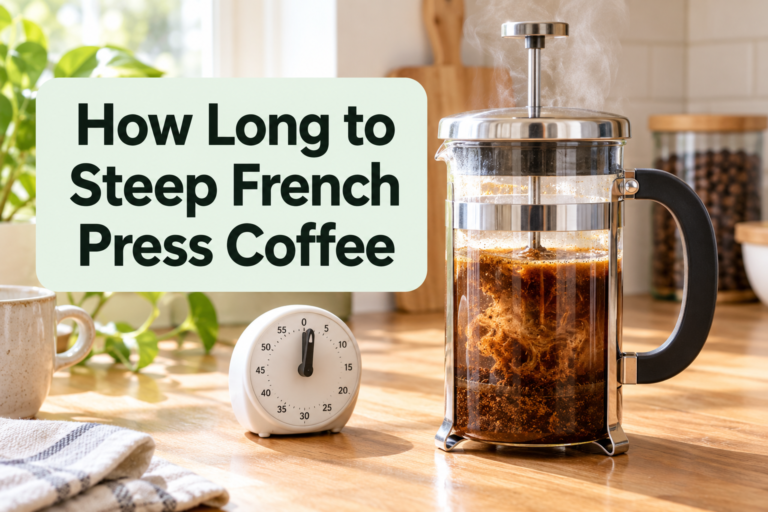
Knowing how long to steep french press coffee for your setup, not just the default, is what separates a flat cup from a balanced one.
How to use an espresso machine step by step: warm up, dose 18 grams, tamp, pull a 1:2 shot in 25 to 30 seconds, steam milk, and descale without vinegar.
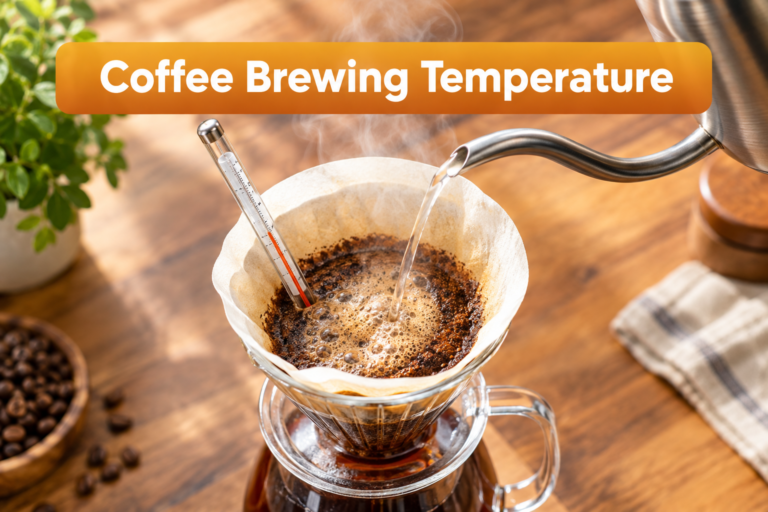
Sweetness peaks in the middle of the extraction curve, right around the range the coffee brewing temperature standard targets.
Milk based coffee drinks explained: ratios for 10 cafe favorites, how to steam milk to 140°F to 150°F, and which dairy and plant milks foam best at home.
That last detail, dissolved solid matter, is the whole story behind how many calories are in black coffee.
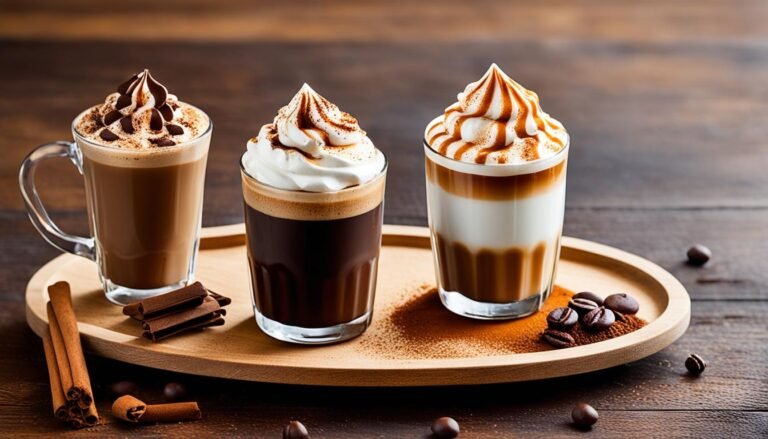
Espresso drink recipes with exact ratios for 10 cafe classics, from the cortado and flat white to the mocha, affogato, and espresso martini, cup sizes included.
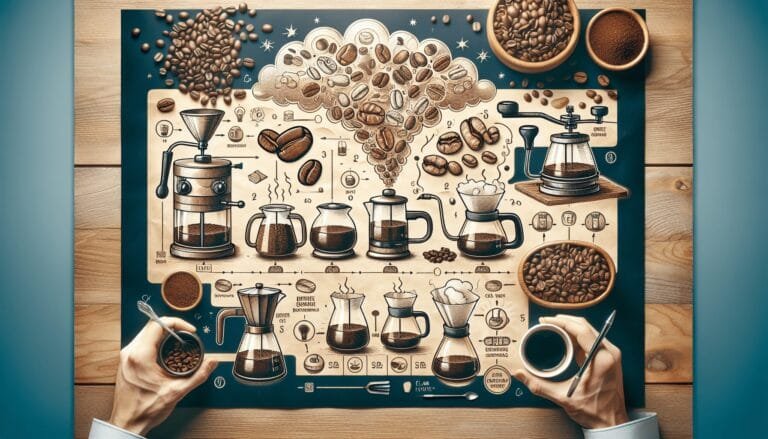
What makes coffee taste good comes down to 9 variables, from origin and roast to grind, water, and brew time. See how each one changes the cup in your mug.
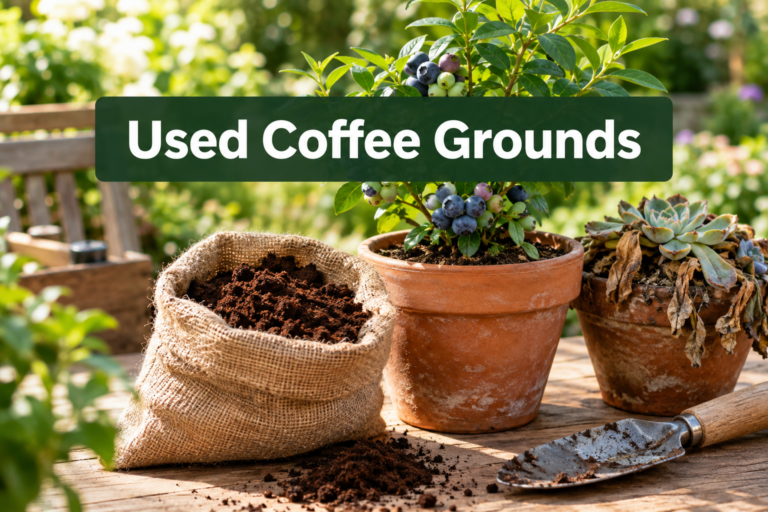
Key Takeaways Used coffee grounds contain roughly 2% nitrogen by weight, but that nitrogen is not available to plants right away.
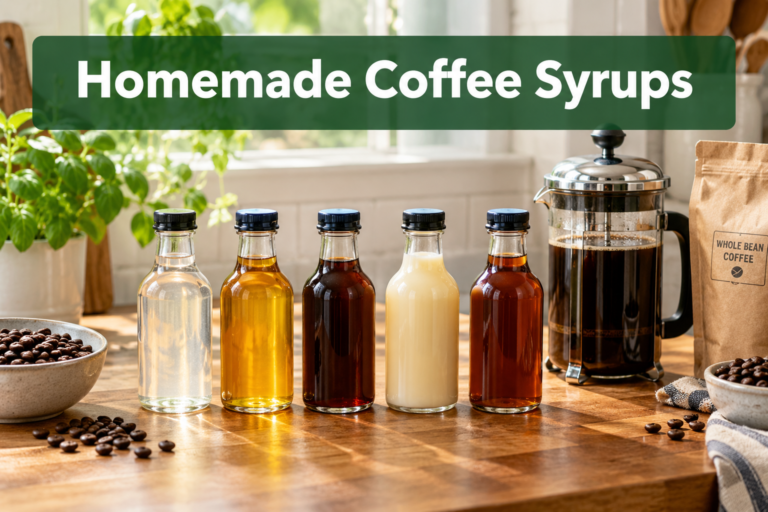
Quick answer Homemade coffee syrups last anywhere from 1 to 8 weeks in the fridge, depending on the sugar ratio and what you add to the base.