Espresso Blend Basics: How Roasting and Blending Shape a Shot
You are about to start a routine into Advanced Espresso, where the art of roasting and blending takes center stage to create the perfect beans. This article will transport you to the enchanting world of coffee, where your taste buds will be tantalized, and your senses awakened to the intricacies of this ancient craft. Prepare to open up the secrets behind roasting techniques, learn about the importance of blending flavors, and discover the key to brewing a truly exceptional cup of espresso. So grab a cup of your favorite brew, and let us look at the captivating world of Advanced Espresso.
An espresso blend is two or more coffees roasted and combined so the shot tastes balanced under pressure. A typical build uses a Brazil or other low acid base for body and chocolate, a washed Central or South American coffee for sweetness, and sometimes a natural Ethiopian for fruit or a little Robusta for crema.
The Science Behind Coffee Roasting
Understanding the Roasting Process
Coffee roasting is more than just heating up green coffee beans. It is a delicate process that transforms the raw beans into the aromatic brown beans we all know and love. The roasting process involves applying heat to the beans, causing chemical reactions to occur that develop the unique flavors and aromas of coffee.
To understand the roasting process, it’s essential to know what happens to the beans at each stage. Initially, the beans are green and contain moisture and carbohydrates. As the roasting begins, the beans turn yellow and release water and carbon dioxide. This is known as the drying phase. As the heat continues to increase, the beans undergo a series of complex chemical reactions, including caramelization and the Maillard reaction. These reactions create the desirable flavors and aromas in the coffee. Finally, during the cooling phase, the beans are rapidly cooled to stop the roasting process and preserve the desired flavor profile.
The Role of Heat in Coffee Roasting
Heat is the essential element in coffee roasting, as it triggers the chemical reactions responsible for developing the flavors and aromas. Different levels of heat are applied throughout the roasting process to achieve specific roast profiles. The roaster must carefully control the temperature to ensure the beans are roasted to perfection.
During the drying phase, the heat removes the moisture from the beans and prepares them for the subsequent chemical reactions. As the beans continue to roast, the heat causes the carbohydrates to break down, leading to the caramelization process. The Maillard reaction occurs when heat is applied, resulting in the formation of aromatic compounds that contribute to the rich flavors of coffee.
Chemical Changes During Roasting
Coffee undergoes several chemical changes during the roasting process that significantly impact its final taste. One key change is the breakdown of complex carbohydrates into simpler sugars. This process creates sweetness in the coffee. Also, the Maillard reaction, which occurs due to the interaction of amino acids and sugars, creates various aromatic compounds that give coffee its unique flavors.
Acidity levels also change during roasting. Initially, green coffee beans have high acidity, but as they roast, the acidity decreases. The length of the roasting process determines the acidity level in the final product. Light roasts tend to retain more acidity, while dark roasts have lower acidity and a bolder, smoother taste.
Roasting Methods Explained
The Drum Roasting Method
The drum roasting method is one of the most traditional and widely used methods in the coffee industry. In this method, beans are placed in a perforated drum that rotates over a heat source. The heat is applied directly to the beans, causing them to roast evenly.
One advantage of the drum roasting method is its ability to produce consistent results. The rotating drum ensures that the beans are evenly exposed to heat, leading to a uniform roast. This method also allows roasters to control the airflow, temperature, and roasting time precisely.
Hot Air or Fluid Bed Roasting
hot air or fluid bed roasting is a relatively newer method that uses a stream of hot air to roast the beans. The beans are suspended in a chamber, and the hot air circulates around them, roasting them evenly.
This method offers several advantages over drum roasting. It allows for faster roasting times due to the efficient heat transfer. It also produces a cleaner, brighter cup of coffee due to the increased air circulation. But, it requires more precise temperature control as the beans can roast quickly.
The Stovetop Roasting Method
The stovetop roasting method is a simple and accessible approach for home roasters. It involves using a stovetop popcorn popper or a pan to roast the beans. The beans are continuously stirred to ensure even roasting.
This method is popular among coffee enthusiasts who enjoy the hands-on experience of roasting their coffee. But, it requires careful monitoring of temperature and agitation to prevent uneven roasting.
Roasting Coffee Beans at Home
Roasting coffee beans at home has become a popular trend among coffee fans. With the availability of home roasting equipment, anyone can roast their beans to achieve their desired flavor profiles.
Home roasting allows for experimentation and customization. You can choose the origin, variety, and roast level of the beans to create your perfect cup of coffee. But, it requires practice, patience, and a deep understanding of the roasting process.
Understanding Roasting Profiles
The Light Roast Profile
The light roast profile is characterized by its light brown color and high acidity. Beans roasted to this level have a light body and a subtle, delicate flavor profile. They often retain the flavors and characteristics of their origin, showcasing the unique qualities of the coffee beans. Light roasts are typically favored by those who enjoy the bright, fruity, and citrusy flavors in coffee.
The Medium Roast Profile
The medium roast profile is a balance between the acidity and body of the coffee. Beans roasted to this level have a medium brown color and a more pronounced body than light roasts. The flavors are balanced, with slight caramelization and a touch of acidity. Medium roasts are popular among coffee drinkers who prefer a well-rounded, balanced cup.
The Dark Roast Profile
The dark roast profile is characterized by its dark brown color and bold, solid flavors. Beans roasted to this level have a heavier body and lower acidity. Dark roasts offer a rich, smoky taste with a hint of bitterness. These roasts are popular in espresso blends and are favored by those who enjoy a strong, bold cup of coffee.
Choosing the Right Roast Profile
Choosing the right roast profile depends on personal preference and the flavors you seek in your cup of coffee. Light roasts are ideal for those who appreciate the brighter, more complex flavors of coffee and want to taste the unique characteristics of different origins. Medium roasts strike a balance between acidity and body, suitable for those who prefer a well-rounded, versatile cup. Dark roasts are favored by those who enjoy bold, strong flavors with a rich, smoky taste.
The Art of Coffee Blending
The Goal of Coffee Blending
The art of coffee blending involves combining different coffee beans to create a unique flavor profile. The goal of blending is to achieve a well-balanced cup of coffee that combines the best characteristics of each component.
Blending allows roasters to create complexity, depth, and balance in the final coffee. By carefully selecting and combining beans with different flavor profiles, roasters can create harmonious blends that offer a delightful taste experience.
Single-Origin vs. Blended Coffee
Single-origin coffee refers to coffee made from beans sourced from a specific geographic region or farm. It provides a glimpse into the unique flavors and characteristics of a particular origin. On the other hand, blended coffee combines beans from multiple origins and creates a more complex flavor profile.
Both single-origin and blended coffees have their merits. Single-origin coffees showcase the nuances and terroir of a specific region, allowing coffee enthusiasts to explore the diversity of flavors. Blended coffees, on the other hand, offer a more balanced and well-rounded taste, as different beans complement each other to create a harmonious cup.
Creating a Balanced Blend
Creating a balanced blend requires a deep understanding of the flavor profiles of different beans. Roasters need to consider the acidity, body, sweetness, and flavor notes of each component to ensure a harmonious blend.
During the blending process, roasters experiment with various ratios of different beans until they achieve the desired flavor profile. They evaluate the taste, aroma, and body of the blend to ensure a balanced and enjoyable cup of coffee.
Techniques for Coffee Blending
Pre-Roast Blending Technique
The pre-roast blending technique involves combining different green coffee beans before roasting. This allows for an even distribution of flavors and creates a consistent blend. Roasters can experiment with different combinations and ratios to achieve their desired flavor profiles.
Pre-roast blending requires careful consideration of the characteristics of each bean, as well as the desired roast level and flavor profile. It allows roasters to have more control over the final blend and ensures a consistent taste from batch to batch.
Post-Roast Blending Technique
The post-roast blending technique involves combining different roasted beans to create a blend. This technique offers more flexibility, as roasters can adjust the blend based on their taste preferences and the flavor characteristics of each component.
Post-roast blending requires an understanding of the flavor development during roasting. Roasters must carefully evaluate the taste and aroma of each roasted batch before blending to achieve a harmonious final cup.
Experience-Based Blending Technique
The experience-based blending technique comes with years of roasting and blending knowledge. Experienced roasters rely on their palate and intuition to create blends that capture the essence of their desired flavor profiles.
These roasters have a deep understanding of the flavor characteristics of different beans and how they interact with each other. They rely on their experience and expertise to adjust the blend and achieve a perfect balance of flavors.
Choosing the Right Coffee Beans for Blending
Understanding Coffee Bean Varieties
Different coffee bean varieties offer distinct flavors and characteristics, which can contribute to a blend’s complexity and depth. Some popular coffee bean varieties include Arabica, Robusta, and specialty varieties such as Geisha and Bourbon.
Arabica beans are known for their delicate flavor profiles, offering a wide range of fruity, floral, and chocolatey notes. Robusta beans, on the other hand, have a stronger, more bitter taste and higher caffeine content. Specialty varieties, such as Geisha and Bourbon, offer unique flavors and are often sought after for their exceptional quality.
When selecting beans for blending, roasters consider the specific flavors and attributes each variety brings to the blend, ensuring a harmonious combination.
The Importance of Bean Origin
The origin of coffee beans plays a vital role in the flavor profile of the final blend. Different regions, countries, and even specific farms have unique terroirs that influence the taste. Factors such as altitude, soil composition, and climate all contribute to the flavors and characteristics of the beans.
Roasters consider the origin of the beans to achieve specific flavor profiles. For example, beans from Central America often have bright acidity and fruity notes, while beans from Africa are known for their vibrant floral and citrus flavors. Blending beans from different origins allows roasters to create a balanced and complex flavor profile.
Selecting Beans Based on Flavor Profiles
When choosing beans for blending, roasters also consider the flavor profiles they want to achieve. Some beans offer floral and fruity notes, while others have nutty, chocolatey, or caramel flavors. By selecting beans with complementary flavors, roasters can create blends with depth, complexity, and balance.
Roasters evaluate the taste, aroma, and body of each bean to ensure they work harmoniously in the final blend. They consider the specific characteristics of each component and how they interact with one another, aiming to create a blend that is greater than the sum of its parts.
Tips and Tricks for Perfect Roasting
Optimal Roasting Temperatures
Different coffee beans require specific roasting temperatures to bring out their best flavors. Generally, the roasting temperature starts around 350°F (175°C) and can go as high as 450°F (230°C) for darker roasts.
Roasters carefully monitor the temperature throughout the roasting process to achieve the desired profile. They adjust the heat source, airflow, and roasting time to ensure the beans are evenly roasted and the flavors are developed.
Timing and Control in the Roasting Process
Timing is key in the roasting process. Roasters must consider factors such as bean size, moisture content, and desired roast level to determine the appropriate roasting time.
They employ various techniques, such as sampling the beans, to assess their progress and avoid under or over-roasting. Roasters also carefully control the roast’s progression by adjusting the heat, airflow, and drum speed to maintain consistency.
Maintaining Consistency in Roasting
Consistency is key in coffee roasting. Roasters strive to achieve the same roast profile across batches to ensure a consistent flavor experience for their customers.
To maintain consistency, roasters carefully record and analyze data from each roast, including temperature, roast time, and sampling results. By using this data, they can make adjustments and ensure each batch of coffee meets their quality standards.
Common Mistakes in Coffee Roasting
Roasting Beans for Too Long or Too Short
One common mistake in coffee roasting is either over-roasting or under-roasting the beans. Over-roasting can result in a burnt and bitter taste, while under-roasting may lead to a grassy and sour flavor.
Roasters need to find the right balance between roasting time and desired roast level to achieve the perfect flavor profile. They must carefully monitor the beans and make adjustments to the heat and roasting time accordingly.
Not Allowing Beans to Rest After Roasting
After the roasting process, it is key to allow the beans to rest before consuming or packaging them. Resting allows the beans to degas and stabilize, ensuring a more balanced and flavorful cup of coffee.
During the resting period, the beans release carbon dioxide, which can negatively impact the taste if not given enough time to dissipate. Resting times vary with roast level and brew method. Clive Coffee, quoting its roasting partner Greater Goods, suggests 4 to 7 days for drip and pour over and at least 5 days, ideally 7 to 11, before using a coffee as espresso.
Using Improper Storage Methods
Proper storage is essential to maintain the freshness and flavor of roasted coffee beans. Exposure to air, moisture, and light can quickly deteriorate the quality of coffee.
Roasters should store beans in airtight containers, away from direct sunlight and excessive heat. They should keep beans out of the refrigerator, where condensation builds up. The freezer is fine for longer storage in an airtight container: the National Coffee Association puts frozen roasted beans at 3 to 4 months of freshness, versus 1 to 3 weeks at room temperature.
Advanced Espresso Brewing Techniques
Mastering the Espresso Extraction
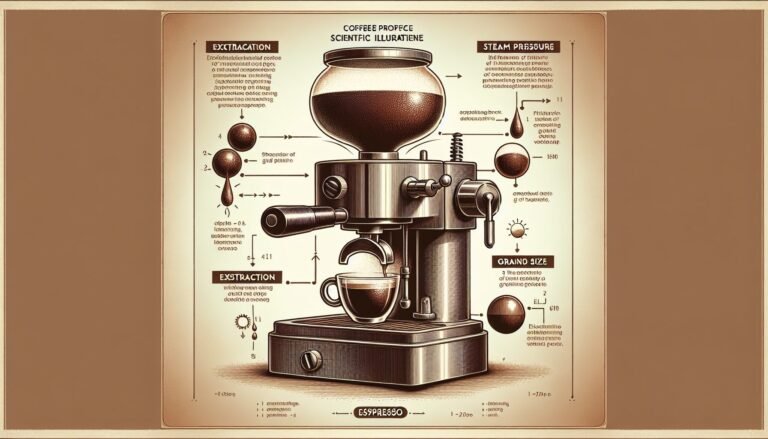
Espresso extraction is a critical step in crafting the perfect shot. It involves forcing hot water under pressure through finely ground coffee, resulting in a concentrated and intense beverage.
To master the espresso extraction, baristas must control various variables, including grind size, dose, water temperature, brew time, and pressure. By manipulating these variables, they can achieve the desired balance of flavors, body, and crema.
Understanding Espresso Brewing Variables
Several variables influence the quality of an espresso shot. Grind size determines the extraction rate, with finer grinds allowing for a slower extraction. Dose refers to the amount of coffee used in the portafilter, which affects the strength and richness of the shot.
Water temperature plays a key role, as too hot or too cold water can result in off flavors. Brew time determines the contact time between the water and the coffee, while pressure controls the flow rate and extraction efficiency.
Baristas must understand these variables and make adjustments accordingly to achieve the ideal espresso shot.
Achieving the Ideal Espresso Shot
The ideal espresso shot is subjective and can vary depending on personal taste preferences. But, there are certain characteristics that define a well-executed shot.
An ideal espresso shot should have a rich, golden-brown crema on top, indicating the extraction’s proper balance. The shot should have a full body, with balanced acidity, sweetness, and bitterness. The flavors should be complex and well-rounded, with no off-flavors or astringency.
Achieving the perfect espresso shot requires practice, precision, and a deep understanding of the brewing variables. Baristas continually fine-tune their techniques to consistently produce exceptional espresso.
How Perfect Roasting and Blending Affect Espresso Quality
The Impact of Roasting on Espresso Flavor
The roasting process significantly impacts the flavor of espresso. Various chemical reactions occur during roasting, transforming raw coffee beans into the subtle flavors and aromas we associate with espresso.
Roasters carefully control the roast profile to develop the desired flavors and balance in the beans. Lighter roasts bring out bright acidity and subtle, fruity notes. Medium roasts offer a well-rounded flavor profile with balanced acidity and sweetness. Dark roasts create bolder, more intense flavors with lower acidity.
Roasting plays a key role in determining the flavor profile of espresso, allowing roasters to create a range of tastes to suit different preferences.
How Blending Impacts the Complexity of Espresso
Blending improves the complexity of espresso, as different beans with diverse flavor profiles are combined to create a harmonious cup. Each component brings something unique to the blend, contributing to its overall complexity.
Blending enables roasters to balance and improve specific flavor characteristics. They can combine beans with different acidity levels, body, sweetness, and flavor notes to create a well-rounded and complex espresso. The result is a drink that offers a multitude of flavors and a more subtle taste experience.
The Role of Quality Beans in Crafting Perfect Espresso
Quality beans are the foundation for crafting perfect espresso. The selection of high-quality, freshly roasted beans is key to achieving a flavorful and balanced shot.
Quality beans, sourced from reputable producers and regions known for their exceptional coffees, offer the best raw materials for extracting maximum flavor. The freshness of the beans is also vital, as coffee’s flavors are most vibrant and subtle shortly after roasting.
Investing in high-quality beans ensures that baristas have the best starting point to create exceptional espresso, with flavors that are vibrant, distinct, and true to their origins.
Overall, the art of roasting and blending is a fascinating and detailed process that elevates coffee to new heights. From understanding the science behind coffee roasting to perfecting the art of blending and brewing, each step plays a vital role in crafting the perfect cup of espresso. With careful attention to detail, experimentation, and a passion for craftsmanship, coffee enthusiasts can open up a world of flavors and create their own sensory masterpiece.
What Each Coffee Adds to an Espresso Blend
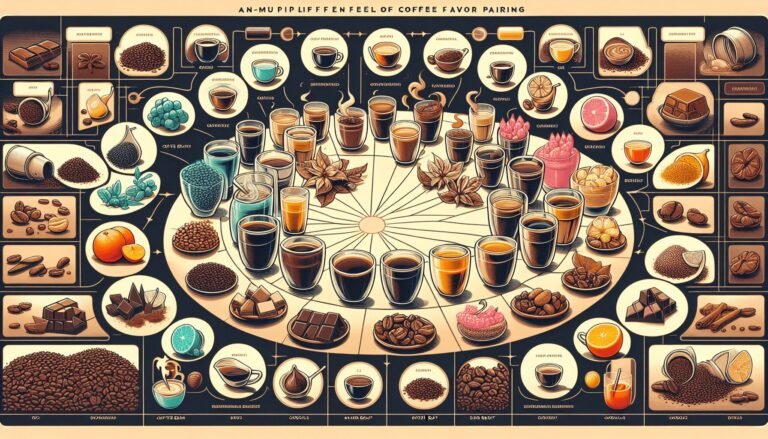
A blend works like a band: one coffee holds the rhythm while the others carry the tune. The table shows the usual roles. Proportions vary by roaster and are rarely published, so read it as a map of what each component brings.
| Component | What it adds | What to watch |
|---|---|---|
| Brazil, natural or pulped natural | Body, cocoa, nutty sweetness, low acidity | On its own it can taste flat and one note |
| Washed Colombian or Central American | Caramel sweetness and clean, medium acidity | Too large a share pushes a light roast toward sour |
| Natural Ethiopian | Berry and floral top notes | A small share goes a long way, and it can clash with milk |
| Sumatra or other Indonesian | Heavy body, earthy and spicy notes, low acidity | Earthiness can turn muddy in straight shots |
| Robusta | Thicker crema, more caffeine, bitter chocolate | More than a small share tastes harsh and rubbery |
If you roast at home, the easiest first blend is post-roast: roast a Brazil and a washed Colombian to medium separately, then taste them as espresso at a few different ratios before you commit. Once you find a mix you like, pre-roast blending saves time, as long as the beans are similar in size and density. If you would rather buy than roast, our best espresso beans list covers blends for milk drinks and straight shots.
FAQ
Can you use a single origin coffee for espresso?
Yes, single origin espresso is common in specialty cafes; it just tastes less predictable than a blend. A light roasted Ethiopian can pull bright and juicy as a straight shot and then taste thin in a latte. The “espresso roast” label on a bag also tells you less than most people assume, which our espresso roast explainer unpacks.
How long should espresso beans rest after roasting?
Most espresso beans pull best about a week after roasting. Greater Goods Coffee Roasters, as quoted by Clive Coffee, waits at least 5 days before using a coffee as espresso and treats 7 to 11 days as its internal standard, versus 4 to 7 days for drip and pour over. Very fresh beans are still releasing carbon dioxide, which makes shots uneven.
Is dark roast better for espresso?
No. Dark roast is the traditional espresso choice, and plenty of great shots come from medium and light roasts. Darker roasts bring low acidity and a heavy body that stands up to milk, while lighter roasts usually need a finer grind and hotter water to extract fully. Our light roast vs dark roast comparison covers caffeine and acidity, and the Coffee Rank IQ homepage collects our grinder and machine guides for either style.