Coffee Roast Levels Chart: From Cinnamon to Italian Roast
Did you know that the Agtron color readings classify coffee roast levels into a staggering range, from Extremely Light (Agtron #91-130) to Very Dark (Agtron #0-30)? This wide spectrum of roast profiles is the key to unlocking the diverse flavors that coffee has to offer. Specialty coffee roasters prioritize maintaining consistent roast quality, using the Agtron system’s infrared reflectance measurements to precisely determine the degree of roast and its correlation with flavor chemistry.
Key Takeaways
- Coffee roast levels can be classified from Very Light (Nordic) to Very Dark (Complete Loss of Terroir)
- Lighter roasts showcase delicate, fruity, and floral notes, while darker roasts impart bittersweet chocolate and smoky characteristics
- Specialty coffee roasters focus on highlighting high-quality coffees without masking their unique terroir flavors
- The Agtron scale helps consumers understand the relationship between roast color, cup characteristics, and terroir expression
- Choosing the right roast level is key for appreciating the distinct flavor profiles of coffee
Understanding Coffee Roast Levels
Delving into coffee, you’ll discover that the roasting process plays a key role in shaping the flavor profile of your favorite brew. The roast level, akin to a chef’s approach to cooking beef, determines the color, aroma, and taste of the coffee beans. Whether you prefer light, medium, or dark roasts, understanding these distinct roast levels can improve your overall coffee experience.
What Are Roast Levels?
Roast levels refer to the degree of heat and duration applied to coffee beans during the roasting process. This transformation affects the beans’ physical appearance, chemical composition, and in the end, the flavors that end up in your cup. From the pale green of unroasted beans to the rich, dark-brown of a French roast, the color of the beans is a key indicator of the roast level.
Light, Medium, and Dark Roast Differences
- Light Roast: Cinnamon-colored beans, exhibiting delicate, fruity, and floral notes.
- Medium Roast: Milk chocolate or hickory-hued beans, showcasing a balanced profile with caramelized and toasted flavors.
- Dark Roast: Almost brown-black in color, dark roast beans impart bittersweet chocolate and smoky characteristics.
These distinct roast levels are achieved by carefully controlling the temperature and duration of the roasting process. The transformation of the coffee bean’s color, aroma, and taste is a proof to the artistry and precision of the roaster.
| Roast Level | Bean Color | Flavor Profile |
|---|---|---|
| Light Roast | Cinnamon | Delicate, fruity, floral |
| Medium Roast | Milk chocolate, hickory | Balanced, caramelized, toasted |
| Dark Roast | Brown-black | Bittersweet chocolate, smoky |
By understanding the nuances of coffee roast levels, you can better appreciate the diverse flavors and aromas that each level offers, in the end helping you find the perfect roast to suit your personal taste preferences.
The Roasting Process and Flavor Development
The coffee roasting process is the key to unlocking the captivating flavors and aromas within coffee beans. Each roast level – light, medium, and dark – imparts distinct characteristics that cater to diverse taste preferences.
Light Roast Flavors
Light roast coffee is renowned for its bright, crisp acidity, delicate body, and subtle flavors. The mild roasting process allows the coffee’s origin and processing method to shine, often presenting notes of citrus, cranberry, or even herbal tea. These light roasts are the perfect choice for brewing methods like pour-over, Aeropress, and cold brew, where the distinct flavors can truly be savored.
Medium Roast Characteristics
Medium roast coffee offers a more rounded and substantial flavor profile. The subdued acidity and increased sweetness result in flavors of brown sugar, milk chocolate, and toffee. This balanced roast is a versatile choice, complementing a wide range of brewing methods, from drip coffee makers to French press and espresso machines.
Dark Roast Intensity
Dark roast coffee imparts a heavier body, lower acidity, and bold flavors such as chocolate, pipe tobacco, and dried cherries. The roasting process plays a more prominent role in shaping the taste, often overshadowing the coffee’s origin characteristics. Dark roasts shine in brewing methods like espresso, Moka pot, and Turkish coffee, where their intense flavors can be fully expressed.
Throughout the coffee roasting process, the Maillard reaction and caramelization take place, transforming the beans and profoundly impacting the roast degree impact on the final flavor profile. Understanding these nuances allows coffee enthusiasts to select the perfect roast level to suit their individual taste preferences.
Agtron and SCAA Roast Classification System
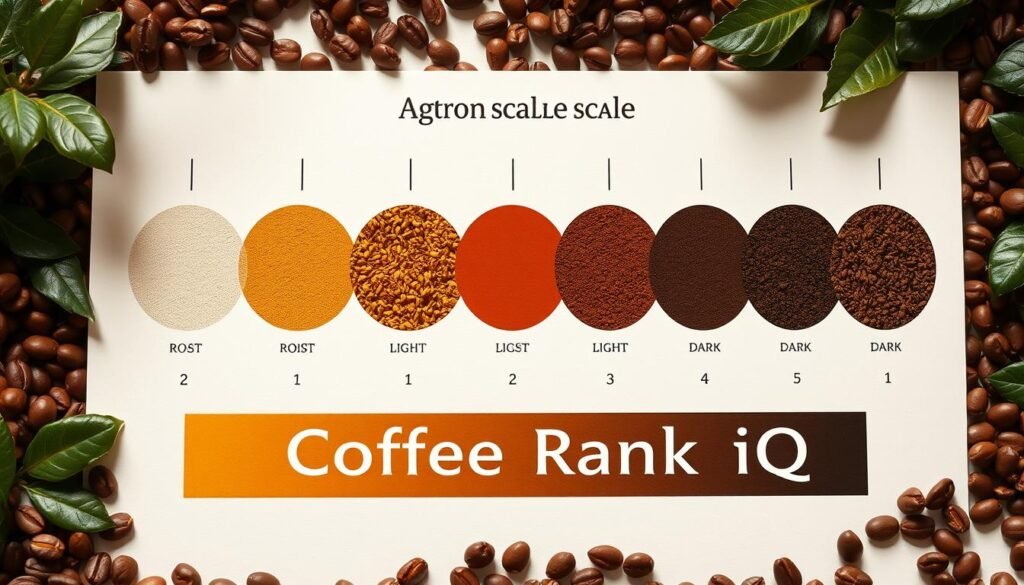
In the specialty coffee industry, the Agtron and SCAA (Specialty Coffee Association of America) Roast Classification system has emerged as a reliable way to standardize and communicate coffee roast levels. This system provides a numerical index that correlates with the degree of roast and the associated flavor chemistry.
The Agtron scale, which ranges from 0 to 130, serves as a more objective measure of roast level. The higher the Agtron number, the lighter the roast, with Extremely Light roasts falling between 91-130 and Very Dark roasts ranging from 0-30. This quantitative approach helps specialty coffee roasters ensure quality control and showcase the unique terroir of their beans.
| Roast Level | Agtron # |
|---|---|
| Extremely Light | 91-130 |
| Very Light | 81-90 |
| Medium Light | 71-80 |
| Medium | 51-60 |
| Moderately Dark | 41-50 |
| Very Dark | 0-30 |
The SCAA Roast Classification system further refines these roast levels, with categories such as Very Light (Nordic), Light Medium, Medium, Specialty Dark, Dark (Loss of Terroir), and Very Dark (Complete Loss of Terroir). This complete approach helps consumers and industry professionals alike understand the impact of roasting on the final flavor profile of the coffee.
By utilizing the Agtron scale and SCAA roast classification, specialty coffee roasters can ensure that their roasts consistently align with the desired flavor characteristics and origin attributes, providing their customers with a reliable and consistent experience.
Understanding the Different Coffee Roast Levels and Their Flavors
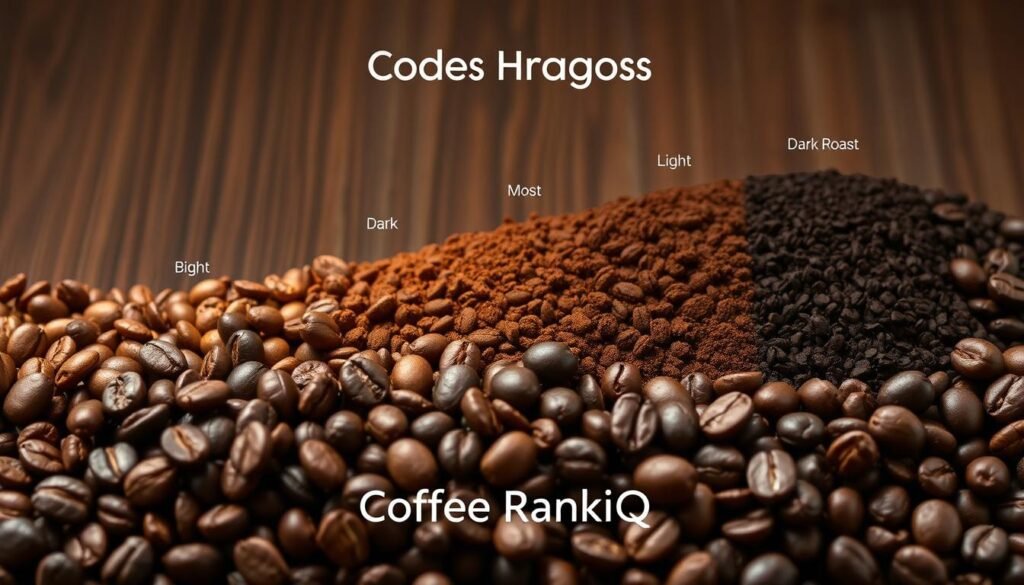
The flavor profile of a coffee is a delicate interplay between various factors, including the coffee variety, growing conditions, processing method, and, importantly, the roasting process. While the roast level alone doesn’t tell the whole story, it can provide valuable insights into the flavors you can expect from a particular coffee.
Light roasts are known for their delicate, fruity, and floral flavor notes, often described as tasting like lightly toasted nuts, honey, or freshly baked bread. These coffees retain more of the coffee’s natural acidity and aroma, offering a complex and subtle drinking experience.
Medium roasts, on the other hand, typically showcase richer, more caramelized flavors, such as toasted nuts, milk chocolate, and subtle fruit notes like plum or peach. These coffees strike a balance between the brightness of light roasts and the intensity of dark roasts.
At the darker end of the spectrum, dark roasts often present bittersweet chocolate notes and drier, nuttier flavors like walnut or pecan. While they may exhibit fewer fruity or floral characteristics, dark roasts are prized for their bold, intense, and sometimes smoky profile.
Specialty coffee roasters strive to showcase the unique terroir and origin characteristics of their coffees, with the roasting process playing a supporting role in highlighting these distinct qualities. By understanding the flavor profiles associated with different roast levels, coffee enthusiasts can better handle the vast world of specialty coffee and find the perfect roast to suit their personal preferences.
| Roast Level | Flavor Characteristics | Acidity | Body | Sweetness |
|---|---|---|---|---|
| Light | Delicate, fruity, floral, nutty, honey | High | Light | Mild |
| Medium | Caramelized, toasted nuts, milk chocolate, subtle fruit | Mild | Medium | Balanced |
| Dark | Bittersweet chocolate, dry, nutty, smoky | Low | Heavy | Low |
“Understanding the nuances of coffee roast levels is key to discovering the flavors that truly land with your personal taste preferences.”
Choosing the Right Roast Level
For selecting the perfect coffee, understanding the nuances of roast levels is key. Your personal taste preferences and brewing method should guide your choice, as each roast level offers its own unique flavor profile.
Considering Your Taste Preferences
If you’re drawn to delicate, fruity, and floral flavors, a light roast may be the ideal match. These coffees often have a tea-like quality, with notes of cereal, lightly toasted nuts, honey, or freshly baked bread. On the other hand, if you prefer caramelized and toasted notes, a medium roast may be more to your liking, offering flavors of milk chocolate, plum, and peach.
For those who enjoy bittersweet chocolate and smoky characteristics, a dark roast may be the way to go. These bold, intense coffees feature flavors of walnut, pecan, and dry, roasted nuts.
Brewing Method and Roast Level
The brewing method you choose can also impact the suitability of a particular roast level. Lighter roasts may lose some of their delicate nuances when added to milk or sugar, while darker roasts pair exceptionally well with these additions. Experiment with different roast levels and brewing methods to discover the perfect coffee that suits your taste buds.
In the end, choosing the right coffee roast level is a matter of personal preference. By considering your taste preferences and brewing method, you can explore the vast and flavorful world of coffee, finding the perfect roast to savor and enjoy.
The Impact of Roasting on Caffeine Content
For coffee, one of the common questions that arises is whether light or dark roasts contain more caffeine. While the roasting process can impact various aspects of coffee, including flavor and aroma, the effect on caffeine content is relatively minor.
Studies have shown that light-roasted coffee generally contains slightly more caffeine than dark-roasted coffee. This is due to the fact that during the roasting process, some of the caffeine is lost, but the overall difference is relatively small.
But, other factors can also play a role in the caffeine content of your coffee. The coffee variety, such as Arabica or Robusta, can significantly impact the caffeine levels. Arabica coffees, which are generally considered higher quality, contain less caffeine than Robusta varieties.
Also, the brewing method and grind size can affect the amount of caffeine extracted. Finer grinds and longer brew times tend to result in higher caffeine extraction, regardless of the roast level.
| Roast Level | Caffeine Content (8-oz cup) |
|---|---|
| Light Roast | 91 mg |
| Medium Roast | 90 mg |
| Dark Roast | 88 mg |
| MOAB (100% Robusta) | 200 mg |
It’s important to note that the recommended daily limit for caffeine intake is around 400 mg, which is equivalent to approximately four 8-ounce cups of brewed coffee. Consuming too much caffeine can lead to side effects like insomnia, nervousness, or a rapid heartbeat.
In conclusion, while the roasting process can impact various aspects of coffee, the effect on caffeine content is relatively minor. Other factors, such as the coffee variety and brewing method, play a more significant role in determining the overall caffeine experience.
Coffee Roast Levels Chart: Cinnamon to Italian
Light, medium, and dark are the grocery store version. Roasters use older names, each marking a spot on one timeline: the bean heats, cracks once, goes quiet, then cracks again. The chart lines up the traditional coffee roast levels against those cracks, using bean temperatures published by Sweet Maria’s for one roast from green to charcoal. Treat the temperatures as approximate, since probe placement and roaster design move them. The cracks are the landmarks that travel between machines.
| Roast name | Approx. bean temp | Where it stops | Bean color | Typical flavor |
|---|---|---|---|---|
| Cinnamon | 401°F (205°C) | As first crack begins | Light cinnamon brown, dry | Grain, sharp acidity, often tastes underdeveloped |
| New England / Light City | 415°F (213°C) | First crack under way | Light brown, still mottled | Bright, tart fruit, tea-like body |
| City | 426°F (219°C) | First crack finishes | Medium light brown, dry | Clear origin flavor, lively acidity, more sweetness |
| City+ | 435°F (224°C) | Just past first crack | Medium brown, even surface | Balanced acidity and sweetness, caramel |
| Full City | 444°F (229°C) | On the verge of second crack | Medium dark brown, slight sheen | Chocolate, caramel, heavier body, softer acidity |
| Full City+ | 454°F (234°C) | First snaps of second crack | Dark brown, first oil spots | Bittersweet chocolate with roast notes creeping in |
| Vienna | 465°F (241°C) | Second crack under way | Dark brown, light surface oil | Roast character takes over origin; smoky, bittersweet |
| French | 474°F (246°C) | Second crack rapid, near its end | Very dark brown, oily | Burnt sugar, smoke, thinner body |
| Italian | 486°F (252°C) | Past second crack | Nearly black, shiny | Charred and ashy; Sweet Maria’s calls this stage carbonized |
First Crack and Second Crack, Explained Simply
First crack is steam. Water inside the bean turns to vapor, pressure builds, and the bean splits with a pop that sounds a lot like popcorn. Every light roast ends somewhere inside or just after this stage. Second crack is quieter and faster, closer to cereal crackling in milk. By then the bean’s structure is breaking down and oils start moving to the surface, which is why shiny beans almost always mean a roast that reached second crack. Medium roasts live in the gap between the two cracks.
Why One Brand’s Medium Is Another Brand’s Dark
No law or industry body polices roast names on a bag. Coffee Review puts it bluntly: “A Starbucks regular roast may be considerably darker than many espresso roasts,” and a Viennese roast “can mean almost anything depending on who is doing the roasting and labeling.” A supermarket “medium” can sit where a specialty roaster’s “dark” begins.
The Agtron number is how professionals cut through the naming. A machine shines near infrared light on the coffee and reads how much bounces back. Smaller numbers mean darker coffee. Coffee Review reports two readings, whole bean and ground, written like 55/68. The ground number runs higher because the inside of the bean is lighter than its surface, and the gap narrows as roasts get darker. Coffee Review averages the pair into one number, and on its scale 60 to 70 is medium and 40 to 50 is dark. Compare numbers only within the same scale, since different Agtron machines read on different scales.
Most bags will not print an Agtron number, so read the clues that are there:
- Tasting notes. Berries, citrus, and flowers point light. Caramel, nuts, and milk chocolate point medium. Smoke, dark chocolate, and molasses point dark.
- Oil on the beans. Visible sheen usually means the roast reached second crack.
- The word “espresso roast.” It names how the roaster expects you to brew the beans, and the color changes from brand to brand. Our espresso roast explainer covers why.
Best Brewing Adjustments by Roast Level
| Roast range | Methods that flatter it | How to adjust the brew |
|---|---|---|
| Light (Cinnamon to City) | Pour over, AeroPress, filter drip | Hotter water, a slightly finer grind, and a little more contact time; dense light beans resist extraction |
| Medium (City+ to Full City) | Drip, pour over, French press, espresso | Standard recipes work; the most forgiving range to learn on |
| Dark (Full City+ to Italian) | Espresso with milk, moka pot, French press, cold brew | Water a few degrees cooler, a slightly coarser grind, and shorter contact to keep bitterness in check |
Our guide to coffee brewing temperature shows where those few degrees make a difference.
Caffeine by Roast: Weigh It or Scoop It
Caffeine mostly survives roasting. What changes is the bean. As it roasts, it loses water and puffs up, so a dark bean weighs less and takes up a bit more room than a light one. America’s Test Kitchen tested both ways. Measured by the scoop, the light roast brewed with 60% more caffeine in their test. Measured by weight, 1 1/2 ounces of each, the two pots had virtually the same caffeine.
Switch from dark to light with the same scoop and you are brewing more coffee and more caffeine without noticing. A coffee scale ends the guessing.
For the head to head flavor and acidity comparison, see light roast vs dark roast. Once you know where on the chart you like to land, our picks for the best light roast coffee, best medium roast coffee, and best dark roast coffee name specific bags, and the Coffee Rank IQ homepage collects every bean and brewing guide.
More Coffee Roast Level Questions
What is a City+ roast?
City+ is a medium roast stopped just after first crack finishes, around 435°F (224°C) in Sweet Maria’s readings. It keeps most of a City roast’s origin flavor with more caramel and body.
Is Vienna roast the same as French roast?
No, Vienna stops earlier, while second crack is under way, and French goes further into second crack. On Sweet Maria’s readings that is about 465°F for Vienna against 474°F for French, which is the difference between smoky bittersweet and burnt sugar.
Conclusion
Exploring the diverse world of coffee roast levels is a captivating routine that improves your appreciation for the details of this beloved beverage. From the delicate, fruity notes of light roasts to the bittersweet, smoky characteristics of dark roasts, each roast profile offers a unique sensory experience. By understanding coffee roast level overview and understanding coffee roast profiles, you can discover the perfect roast to suit your personal taste preferences and brewing method.
Whether you’re a specialty coffee enthusiast or simply enjoy a reliable daily brew, looking at the nuances of roast levels can deepen your coffee knowledge and improve your overall enjoyment. By choosing the right coffee roast that aligns with your taste buds and brewing techniques, you can open up a world of flavor and aroma that will leave you craving more.
As you continue on your coffee exploration routine, keep in mind that the art of roasting is a delicate balance, where the skill and experience of the roaster play a key role. Embrace the diversity of coffee roasts and let your senses guide you to the perfect cup that will tantalize your palate and bring you closer to the essence of this captivating beverage.
FAQ
What are the different coffee roast levels?
Coffee roast levels can be described on a scale of light, medium, and dark. The roast level is determined by the bean type, the amount of heat the beans are exposed to, and the length of time they’re in the roaster.
How do the different roast levels impact the flavor of coffee?
The different roast levels result in distinct flavor profiles. Light roasts showcase delicate, fruity, and floral notes, medium roasts exhibit more caramelized and toasted flavors, and dark roasts impart bittersweet chocolate and smoky characteristics.
What is the Agtron and SCAA Roast Classification system?
The specialty coffee industry has established the Agtron and SCAA Roast Classification system to create a numerical index and standardized roast levels to ensure quality control and showcase the terroir of their coffees.
How do personal taste preferences and brewing methods affect the choice of coffee roast level?
When choosing a coffee roast level, it’s important to consider your personal taste preferences and how you plan to brew the coffee. Lighter roasts may suit those who enjoy delicate, fruity, and floral flavors, while darker roasts pair well with additions like milk or sugar.
Does the roast level affect the caffeine content in coffee?
Studies have shown that lighter-roasted coffee generally contains slightly more caffeine than darker-roasted coffee. But, the difference is relatively minimal, and other factors, such as the coffee variety and brewing method, can also impact the final caffeine content.
Keep reading
- A Beginner's Guide to Understanding Coffee Origins
- A Beginner's Guide to Understanding Different Coffee Roasts
- A Complete Guide to Understanding Coffee Acidity for Beginners
- A Guide To Understanding Coffee Rituals And Traditions For Beginners
More in How to Coffee guides for beginners, or start from the Coffee Rank iQ homepage.