
Toasted Hazelnut Coffee: How to Brew Seattle’s Best at Home
Discovering the perfect coffee blend can be a routine of delightful exploration, and Seattle offers a many of choices for any discerning coffee enthusiast. Seattle’s Best Coffee Toasted Hazelnut is a flavored ground coffee and K-Cup pod sold in grocery stores nationwide, and this guide is about brewing it well at home. You will find the brand’s own ratio, amounts for every common brewer, a homemade syrup, food pairings and fixes for a weak or bitter cup. Whether you seek a solid morning pick-me-up or a smooth, aromatic evening cup, this guide ensures you have the finest toasted hazelnut coffee at your fingertips.
Toasted hazelnut coffee, in short: To brew Seattle’s Best Coffee Toasted Hazelnut, use 2 tablespoons of ground coffee for every 6 fl oz of water, the ratio printed on the bag. A drip machine or pour over gives the cleanest hazelnut flavor, a French press adds body, and cold brew smooths it out. It needs no sugar, since the flavoring already tastes slightly sweet.
Have You Discovered the Magic of Seattle’s Best Coffee Toasted Hazelnut?
If you are a coffee enthusiast, then you are likely always on the lookout for the next best cup to indulge in. Seattle’s Best Coffee, a brand born in the city’s coffee scene, sells a toasted hazelnut flavored coffee in 12 oz ground bags and K-Cup pods. This guide covers what is in the bag, how it tastes and how to brew it at home.
The Allure of Toasted Hazelnut Coffee
What Makes Toasted Hazelnut Coffee Special?
Toasted hazelnut coffee is not just another flavored coffee; it’s an experience. The nutty flavoring sits on 100% Arabica beans sourced from Latin America, which gives a balanced cup that tastes slightly sweet without any sugar.
The Nutritional Benefits
Contrary to popular belief, coffee isn’t just an energy booster. The hazelnut taste comes from natural and artificial flavors added to the coffee, not from ground nuts, so the cup does not carry the vitamin E, fat or protein of real hazelnuts. Brewed black, it has about the same few calories as plain coffee.
History of Coffee in Seattle
The Coffee Capital of the United States
Seattle’s coffee culture dates back to the early 1970s. The city is credited with kickstarting the American love affair with coffee through its numerous artisanal cafes and coffee shops.
Starbucks: More Than Just a Coffee Chain
Seattle is the birthplace of Starbucks, the global coffee giant, which started in 1971. Starbucks opened its first store near Seattle’s Pike Place Market in 1971 and grew into the chain that made the city a global coffee name.
Understanding the Flavor Profile
Taste Notes to Expect
When you sip a cup of toasted hazelnut coffee, expect a nutty sweetness up front, some cocoa and caramel in the middle and a light roasty finish.
Aroma: The First Impression
The aroma is perhaps what sets toasted hazelnut coffee apart. You’ll be greeted with a warm, Roasted nutty scent tinged with a whisper of vanilla, creating an inviting olfactory experience.
How to Brew the Perfect Cup
Selecting Your Beans
The quality of your beans plays a key role in your coffee’s final taste. Seattle’s Best sells Toasted Hazelnut pre-ground and in K-Cup pods, so freshness comes down to how you store the bag once it is open.
Grinding: Coarse vs. Fine
Grinding is another aspect you cannot overlook. A finer grind will yield a stronger, more complex flavor, while a coarser grind will result in a lighter, more subtle brew. Choose the grind size that suits your palate.
Brewing Techniques
| Brewing Method | Description | Flavor Outcome |
|---|---|---|
| French Press | Steeps coffee grounds in hot water before pressing the grounds out. | Rich, full-bodied flavor |
| Pour Over | Involves pouring hot water over coffee grounds in a filter. | Clean, detailed flavors |
| Espresso Machine | Forces hot water through finely-ground coffee at high pressure. | Strong, concentrated coffee |
| Cold Brew | Coffee grounds are steeped in cold water for an extended period. | Smooth, low-acid coffee |
Enhancing Your Brew
Consider adding touches like a splash of hazelnut syrup or a sprinkle of cinnamon to heighten the nutty profile and complexity of your coffee.
Pairing Your Coffee with Food
Perfect Breakfast Pairings
Toasted hazelnut coffee pairs wonderfully with morning classics like buttery croissants, fresh fruit bowls, or even a simple avocado toast.
Lunch and Dinner Ideas
This versatile coffee can also complement savory dishes like turkey sandwiches, Caesar salads, and gourmet burgers. The nutty flavors act as a harmonious contrast to the savory elements of these meals.
Dessert Delights
End your day on a sweet note by pairing your coffee with desserts like hazelnut biscotti, chocolate mousse, or a classic tiramisu. The complementary flavors will improve both the coffee and the dessert.
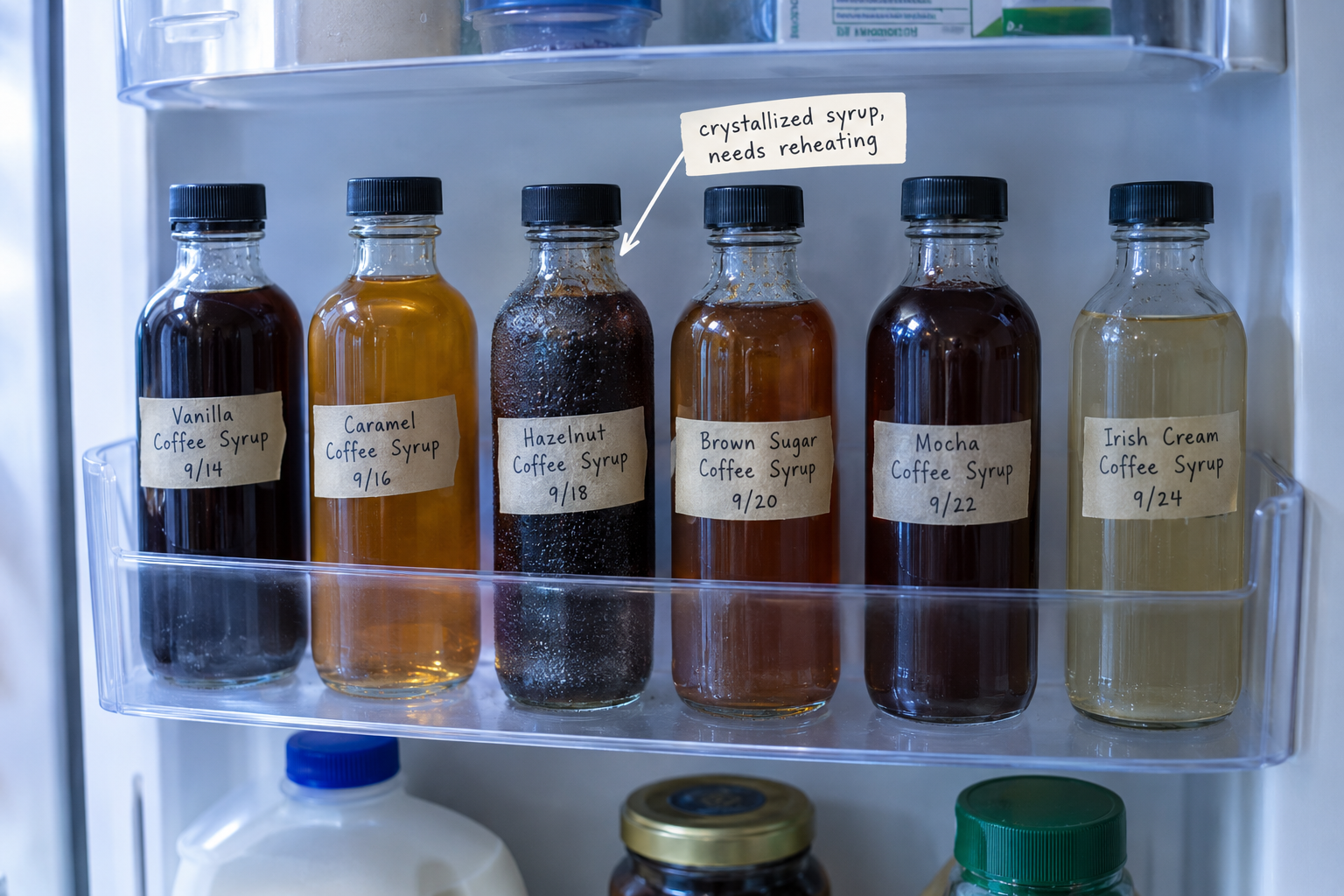
Making Your Own Hazelnut Syrup
Ingredients You’ll Need
- 1 cup of water
- 1 cup of granulated sugar
- 1 teaspoon of vanilla extract
- 2 tablespoons of toasted hazelnuts, crushed
Step-by-Step Recipe
- Combine the water and sugar in a saucepan and bring to a simmer.
- Add the crushed hazelnuts and vanilla extract.
- Simmer for 10 minutes, stirring regularly.
- Strain the mixture to remove the hazelnut particles.
- Let it cool and store in an airtight container.
Tips for Best Results
For an even more solid flavor, consider roasting the hazelnuts a bit longer or using hazelnut extract in place of vanilla. Adjust the sweetness level according to your preference.
Health Benefits and Considerations
Rich in Antioxidants
Both coffee and hazelnuts are rich in antioxidants which help in fighting free radicals, thereby reducing the risk of chronic diseases.
Boosts Brain Function
Caffeine can make you feel more alert, but the hazelnut here is flavoring, so it adds no nutrients of its own.
Considerations for Diet
Do keep in mind that while delicious, flavored coffees may contain added sugars and calories, so moderation is key, especially if you’re watching your diet.
The Economic Impact of Seattle’s Coffee Industry
Employment Opportunities
Seattle’s thriving coffee industry provides numerous job opportunities ranging from baristas to supply chain managers, contributing positively to the city’s economy.
Supporting Local Farmers
Coffee does not grow in Washington State. Seattle roasters buy green coffee from producing countries, and Seattle’s Best says its beans come from Latin America.
What Is Actually in a Bag of Toasted Hazelnut?
The ingredient list on the 12 oz ground bag has two lines: Arabica ground coffee, and natural and artificial flavors (product listing). Seattle’s Best says the beans are 100% Arabica sourced from Latin America, and that the cup tastes nutty and slightly sweet without any added sweetener. It is also sold as Keurig K-Cup pods.
That simple label is good news for brewing. There are no nuts, no sugar and no creamer in the bag, so you brew it like any other ground coffee and let the flavoring ride along. For tasting notes and how it stacks up as a buy, read our Seattle’s Best Coffee Toasted Hazelnut review. This page is the brewing side, in the same plain style as the rest of Coffee Rank IQ.
Toasted Hazelnut Brew Ratios by Method
The bag gives one number: 2 tablespoons of ground coffee for every 6 fl oz of water. It is a strong, classic ratio and the right place to start. Every row below scales from it.
| Method | Coffee | Water | Brew time | What you get |
|---|---|---|---|---|
| Drip machine | 2 tbsp | 6 fl oz | One machine cycle | The brand’s own ratio, balanced and nutty |
| Pour over | 4 tbsp | 12 fl oz | About 3 minutes | The cleanest cup; hazelnut reads lighter |
| French press | 8 tbsp | 24 fl oz | 4 minutes | More body; the pre-ground coffee leaves some silt, so press slowly |
| K-Cup pod | 1 pod | 6 or 8 fl oz setting | One machine cycle | Stronger on the smaller button |
| Cold brew | 1 cup | 4 cups cold water | 12 to 18 hours, refrigerated | A smooth concentrate to dilute with water or milk |
Cold brew is where flavored coffee quietly shines, because the long, cool steep pulls less bitterness and leaves the sweet, nutty side in front. Our cold brew ratio guide covers the dilution math if you want it stronger or lighter.
Troubleshooting a Flat or Harsh Hazelnut Cup
- Tastes like hazelnut water: the dose is short. Go back to a full 2 tablespoons per 6 fl oz and level each scoop. Our scoops per cup chart converts it for 1 to 12 cups.
- Bitter or ashy: the water is too hot or the coffee sat on a warming plate. Brew with water just off the boil, around 195°F to 205°F, and pour it into a mug or carafe within 20 minutes.
- The aroma fades after opening: flavored coffee loses its smell before it loses its taste. Press the air out, roll the bag tight, or move it to an airtight coffee container away from the stove.
- K-Cup tastes thin: a pod holds a fixed dose, so the 10 or 12 oz button stretches it. Pick 6 or 8 oz and add hot water after if you want a bigger mug.
- Too sweet with syrup: the coffee already tastes slightly sweet on its own, so start with half the syrup you would use in plain coffee.
FAQ
Does Seattle’s Best Toasted Hazelnut have sugar in it?
No, the ingredients are Arabica ground coffee plus natural and artificial flavors, with no added sweetener. The sweetness you taste comes from the flavoring and the roast. Brewed black, a cup lands close to plain black coffee on calories.
How much Toasted Hazelnut coffee should I use per cup?
Use 2 tablespoons of ground coffee for every 6 fl oz of water, the ratio Seattle’s Best prints in its brewing tip. A 12 oz mug takes 4 tablespoons. If that tastes too strong, add hot water to the finished cup instead of cutting the grounds.
Can you make iced coffee with Toasted Hazelnut?
Yes, and cold brew is the easiest way. Steep 1 cup of grounds in 4 cups of cold water in the fridge for 12 to 18 hours, strain, then mix the concentrate with equal parts water or milk. For hot-brewed iced coffee, brew at double strength straight over ice so the melt does not wash out the hazelnut.
Conclusion
Seattle’s Best Coffee Toasted Hazelnut is an easy, affordable flavored coffee that tastes sweet and nutty without sugar. It is a grocery-aisle coffee, so the best cup of it is the one you brew at home with the right ratio.
Start at 2 tablespoons per 6 fl oz, taste it black, then decide whether it needs milk or syrup.