How to Brew Sightglass Coffee and Get More From Every Bag
A bag of Sightglass on the doorstep is a good start. What happens between the grinder and the mug decides whether it tastes like the tasting notes promised. This guide covers how to brew Sightglass coffee by method, how to set a delivery schedule that matches how much you drink, and how to dial in each new bag.
How to brew sightglass coffee, in short: To brew Sightglass coffee well, grind the beans just before brewing, weigh them, and start at 1:16 coffee to water for pour over, 1:15 for French press, or 18 grams in and about 36 grams out for espresso. Adjust grind before anything else, then set your subscription frequency to the grams you really use each week.
A subscription solves the supply problem. It does nothing about a blade grinder, a guessed scoop or water straight off the boil. Those small habits are where most of the flavor in your Sightglass bag gets won or lost.
Below you will find how to pick beans for your taste, the gear that matters, step by step recipes for pour over, French press and espresso, and a simple way to match deliveries to your actual consumption.
Understanding Your Sightglass Coffee Subscription
What Does Your Subscription Include?
Starting with the basics, it’s important to know exactly what your Sightglass coffee subscription includes. Subscriptions typically provide you with a regular supply of freshly roasted coffee beans, delivered straight to your door. But there’s more to it than just the beans.
Most Sightglass subscriptions offer options like:
- Various roast profiles: Light, medium, and dark.
- Bean origins and blends: Single-origin beans from specific countries or exclusive Sightglass blends.
- Frequency of delivery: Any interval you choose, set down to the day and separately for each coffee.
Knowing the details of what you’re getting can help you plan and get excited about each delivery.
Choosing the Right Beans for Your Taste
Different beans offer different flavors and aromas, which can significantly impact your coffee experience. Here’s a quick guide to help you choose the right beans:
- Light Roast: Fruity, bright, and acidic, best for those who love complex flavors.
- Medium Roast: Balanced with a mix of acidity and body, ideal for a diverse palette.
- Dark Roast: Rich, bold, and often chocolaty, for people who like a strong, heavy-bodied cup.
Consider experimenting with different roasts and origins to find what best suits your taste.
Setting Up Your Delivery Schedule
One of the biggest perks of a subscription is the convenience factor. Setting up your delivery schedule to match your consumption can ensure that you always have fresh coffee on hand. If you’re not sure how much coffee you consume, start with one delivery frequency and adjust as needed.
Useful tip: Setting reminders or alerts can help you keep track of your next delivery, so you’re never running low on your favorite beans.
Brewing Like a Barista: Essential Coffee Gear
The Importance of Fresh Grinding
Freshly ground coffee makes a big difference in flavor and aroma, and a good burr grinder is the single biggest upgrade for most home setups. There are two main types of grinders to consider:
| Type | Pros | Cons |
|---|---|---|
| Burr Grinder | Consistent grind size, better flavor extraction | More expensive, slightly bulkier |
| Blade Grinder | Affordable, compact | Inconsistent grind size, can heat the beans |
Must-Have Brewing Equipment
Depending on your preferred brewing method, you might need different equipment. Here are some essentials:
- Drip Coffee Maker: Easy to use and great for larger quantities.
- French Press: Excellent for a full-bodied, rich cup.
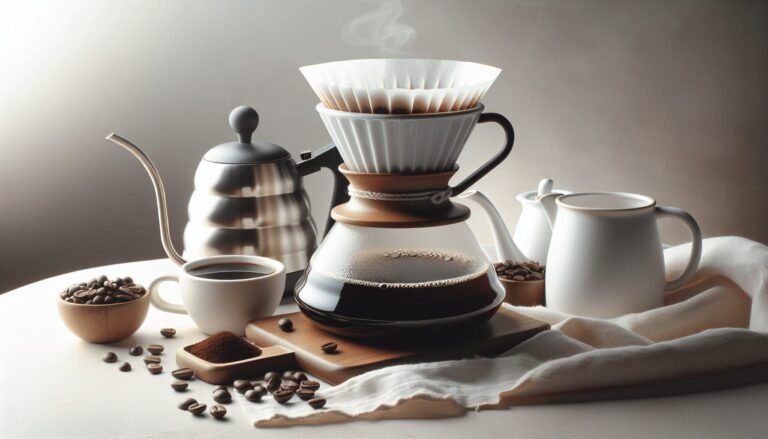
- Pour-Over (like Chemex or Hario V60): Offers superior control over brewing time and temperature, resulting in a delicate and complex cup.
- Espresso Machine: Best for making espresso-based drinks like lattes and cappuccinos.
Having the right tools can turn your kitchen into a mini coffee shop.
The Role of Water in Brewing
Water quality changes the taste of your coffee more than most people expect. Use filtered water to avoid any unwanted flavors that tap water might bring. The ideal water temperature for brewing coffee is between 195°F and 205°F (90°C to 96°C).
A simple kitchen thermometer can help you hit this mark every time.
Mastering Different Brewing Techniques
The Perfect Pour-Over
Pour-over brewing is popular for its precision and the clear, layered flavors it pulls out of lighter roasts. Here’s a step-by-step guide to mastering the pour-over method:
- Weigh and Grind: Use about 1g of coffee per 16g of water. Grind the beans to a medium-coarse consistency.
- Heat Water: Bring water to just below boiling, around 200°F.
- Prepare Filter: Place a paper filter in your dripper and rinse it with hot water to remove any papery taste.
- Add Coffee: Place your ground coffee in the filter.
- Initial Bloom: Pour just enough water to saturate the grounds and let it bloom for 30 seconds.
- Continue Pouring: Gradually add the rest of the water in a slow, circular motion, keeping the water level consistent.
Nailing the French Press
The French Press is loved for its simplicity and the rich, full-bodied coffee it produces. Here’s how to get it just right:
- Weigh and Grind: Use a 1:15 coffee-to-water ratio. Grind beans to a coarse consistency.
- Heat Water: The ideal temperature is around 200°F.
- Add Coffee and Water: Add your coffee to the French Press, pour in the hot water, and stir gently.
- Steep: Place the lid on with the plunger pulled up. Let the coffee steep for about 4 minutes.
- Plunge and Pour: Slowly press the plunger down and pour your freshly brewed coffee into a serving vessel.
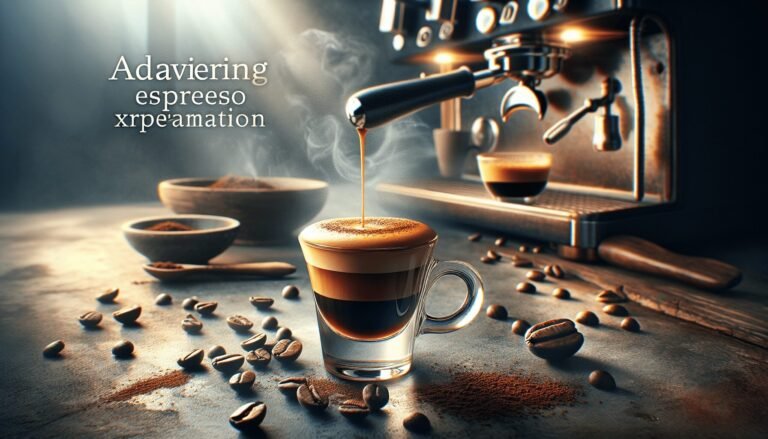
Perfecting Espresso at Home
Getting that perfect shot of espresso can be challenging, but it’s rewarding. Here’s a basic guide:
- Weigh and Grind: Use about 18-20 grams of coffee per shot. Grind the beans to a fine consistency.
- Tamp: Evenly distribute the coffee in the portafilter and tamp it firmly.
- Brew: Insert the portafilter into the machine and start brewing. Aim for a brew time of about 25-30 seconds for a balanced shot.
Change the grind first, keep your tamp the same every time, and aim for roughly 36 grams of espresso from 18 grams of coffee. One change per shot tells you what actually moved the taste.
Tasting, Pairing and Storing Your Sightglass Beans
Understanding Flavor Profiles
Coffee tasting, also known as cupping, can be a fun way to explore the different flavors and aromas of your Sightglass beans. Here are some common coffee tasting notes:
- Fruity: Berries, citrus, apples
- Nutty: Almonds, hazelnuts, peanuts
- Sweet: Caramel, chocolate, vanilla
- Floral: Lavender, jasmine, roses
Take some time to note the unique characteristics of each brew and develop your palate.
Pairing Coffee with Food
The right food makes a good cup taste even better. Here are some pairing suggestions for different coffee roast profiles:
| Roast Type | Food Pairing |
|---|---|
| Light Roast | Fresh fruits, light pastries |
| Medium Roast | Chocolate-based desserts, nuts |
| Dark Roast | Rich desserts like brownies, savory foods like bacon |
Experiment with different pairings to discover new favorites.
Coffee Storage Tips
Storing your coffee correctly can keep it fresh for longer. Here are some tips:
- Use an Airtight Container: Keep your beans in an airtight container to avoid oxidation.
- Store in a Cool, Dark Place: Avoid exposing your beans to heat, light, or moisture.
- Avoid Refrigeration: Coffee beans can absorb odors and moisture from the refrigerator.
Learning and Joining the Coffee Community
Exploring Coffee Workshops
Local roasters and cafes often run espresso and latte art classes. One hands-on session teaches more about tamping and milk texture than a month of videos.
Engaging with Online Communities
Joining online coffee forums or social media groups can provide you with valuable insights, tips, and tricks from fellow coffee enthusiasts. Posting a recipe that went wrong is often the fastest way to find out why.
Keeping Up with Sightglass Updates
Stay tuned to Sightglass newsletters and social media for updates on new beans, special offers, and upcoming events. This can keep your coffee experience fresh and exciting.
2026 Update: How the Sightglass Subscription Works Now
San Francisco roaster Sightglass still runs its subscription, and the setup has changed since this guide was first written. On the build-your-own subscription page (checked September 2026) you pick individual coffees such as Owl’s Howl, Blueboon, Banner Dark, Hunky Dory Decaf and Microdose Half-Caf, then set the delivery frequency down to the day. Listed bag prices ran from $21.00 to $23.50 before discounts. Subscribers get 15% off every order, one-time purchases included, and 2 lb and 5 lb bags take a further 5% and 10% off. Skipping or canceling takes one click, and every bag is roasted to order with the roast date printed on it.
If you would rather not choose, Sightglass runs two curated tracks: the Single Origin Series, which rotates seasonal single origins, and the Blend Shuffle Series, which rotates core and seasonal blends. If you are still weighing whether any roaster subscription suits you, our guide on how to choose a coffee subscription as a beginner covers the questions to ask first.
How Often Should Your Sightglass Coffee Arrive?
Set the schedule by grams, not by gut feel. A 12 oz bag holds 340 grams of beans. At a typical 20 grams per mug, this is how long one bag lasts and where to start your delivery interval:
| Mugs per day | Beans per day | One 12 oz bag lasts | Starting schedule |
|---|---|---|---|
| 1 | 20 g | About 17 days | One 12 oz bag every 17 days |
| 2 | 40 g | About 8 days | One 12 oz bag every 8 days, or a 2 lb bag every 3 weeks |
| 3 | 60 g | 5 to 6 days | One 2 lb bag every 2 weeks |
| 4 (two people) | 80 g | About 4 days | One 2 lb bag every 11 days |
Weigh a week of doses on a coffee scale before you lock in a schedule. Most people guess low. Beans taste best in the weeks after roasting, so smaller, more frequent bags beat a pantry stockpile, and a proper coffee storage container keeps the last third of the bag from going flat as quickly.
A Three Day Dial-In Routine for Each New Bag
Every Sightglass delivery is a slightly different coffee, even when the name on the label stays the same. A short routine gets each bag tasting right by the weekend:
- Day one: brew your usual method at the base ratio (1:16 for pour over, as laid out in our pour over coffee ratio guide) and read the tasting notes on the bag before your first sip.
- Day two: if the cup tastes sour or thin, grind one step finer. If it tastes bitter or dry, go one step coarser.
- Day three: adjust the ratio only after the grind is settled. Try 1:15 for more body or 1:17 for a lighter cup.
- Rest of the bag: keep the recipe fixed and note how the flavor shifts as the beans age.
Write the final recipe on the bag with a marker. When that coffee comes back around in the rotation, you start from a known good cup. More brew method guides live on the Coffee Rank IQ homepage.
How to brew sightglass coffee: FAQ
How much does a Sightglass coffee subscription cost?
Bags on the Sightglass build-your-own subscription page were listed at $21.00 to $23.50 in September 2026, before the 15% subscriber discount. Larger 2 lb and 5 lb bags take an extra 5% and 10% off, which lowers the cost per cup for heavy drinkers.
Can you skip or cancel a Sightglass subscription?
Yes, Sightglass lets subscribers skip a delivery or cancel in one click. You can also set a different frequency for each coffee, so a decaf can arrive less often than your daily blend.
Does the Sightglass subscription include decaf?
Yes, Hunky Dory Decaf is on the subscription menu, and Microdose Half-Caf covers the middle ground. Either can run on its own schedule next to a full caffeine coffee.
Conclusion: Sip, Savor, and Enjoy
Set the schedule by grams, grind right before you brew, and give each new bag three mornings to dial in.
Write the winning recipe on the bag, and the next delivery starts from a good cup instead of a guess.
Keep Exploring Coffee Rank IQ
- Coffee Rank IQ home: reviews, brewing guides, and coffee science
- Best Coffee Grinder for Every Brew Method and Budget
- Best Cold Brew Coffee Maker: 6 Picks for Smooth Batches at Home
- Best Iced Coffee Maker: Brew-Over-Ice and Cold Brew Picks Compared
- Best Cold Brew Coffee Brands: Concentrates, Cans, and Beans