How to Brew Driftaway Coffee: Settings for Every Roast Profile
Driftaway roasts each coffee to one of five profiles, from the light Fruity to the dark Extra Bold, and a recipe that flatters one can flatten another. This guide covers the ratios, grind sizes and water temperatures for each brew method, the settings that suit each Driftaway profile, and how to taste the Explorer kit so you know which profile to subscribe to.
How to brew driftaway coffee, in short: To brew Driftaway coffee, match your settings to the roast profile on the bag. Use about 205°F water and a pour over for the light Fruity and Balanced profiles, around 200°F for Classic in drip or espresso, and 190 to 200°F for Bold and Extra Bold in a French press or espresso machine.
Introduction
A bag of Driftaway arrives with a profile name on the label. That name tells you how dark the coffee was roasted, and that decides how hot your water should be and which brewer will show it off best.
Why Driftaway Coffee?
Driftaway started in 2014 in a one-bedroom Brooklyn apartment as an online subscription roaster, founded by Anu Menon and Suyog Mody. Its Explorer kit of five small bags, one per roast profile, is still at the heart of its subscription, and Roast Magazine named Driftaway its 2026 Macro Roaster of the Year.
Understanding Coffee Beans
Different Types of Coffee Beans
Before brewing, it helps to know the types of coffee beans available. Coffee beans can generally be categorized into the following:
| Type of Bean | Characteristics |
|---|---|
| Arabica | Smooth, sweet flavor, higher acidity |
| Robusta | Strong, bitter flavor, higher caffeine |
| Liberica | Woody, smoky taste, less common |
| Excelsa | Tart, fruity-flavored, unique |
Driftaway primarily focuses on Arabica beans due to their superior flavor profiles and complexity.
Coffee Bean Profiles
Driftaway Coffee is known for its diversity in coffee profiles. Here are the main profiles they offer:
| Profile Name | Notes |
|---|---|
| Fruity | Lightest roast, fruit forward and floral |
| Balanced | Light roast, origin and roast flavors in balance |
| Classic | Medium roast, nutty and sweet, the traditional American cup |
| Bold | Medium-dark roast, big body and a long finish |
| Extra Bold | Dark roast, smoky and toasty, the darkest Driftaway goes |
When you subscribe to Driftaway Coffee, you’ll have the option to choose a profile that fits your taste or explore all of them to find your favorite.
Equipment You Need
Essential Brewing Equipment
You don’t need an industrial-grade coffee machine to brew delicious Driftaway Coffee at home. Here’s a list of essential equipment:
| Equipment | Purpose |
|---|---|
| Coffee Grinder | Freshly ground coffee tastes better |
| Scale | Accurate measurements ensure consistency |
| Kettle | Control over water temperature |
| Coffee Maker | Choose from a variety of methods (explained later) |
| Timer | Precision for optimal brewing time |
Optional Equipment
The list above covers the essentials. These optional tools make the process easier:
| Equipment | Benefit |
|---|---|
| Gooseneck Kettle | Improved pouring control |
| Thermometer | Ensures water is at the correct temperature |
| Coffee Storage Canister | Maintains coffee freshness longer |
Coffee-to-Water Ratios
Why Ratios Matter
The coffee-to-water ratio decides how strong your cup tastes. Too much coffee can make your brew overly strong and bitter, while too little can result in a weak, watery taste.
Standard Ratios
Here are some general coffee-to-water ratios for different brewing methods:
| Brewing Method | Ratio (Coffee:Water) |
|---|---|
| Drip Coffee Maker | 1:17 |
| Pour Over | 1:16 |
| French Press | 1:15 |
| AeroPress | 1:14 |
Adjusting Ratios Based on Taste
Feel free to tweak these ratios to your liking. A stronger coffee lover might lean toward a 1:14 ratio for most methods, while those who prefer a lighter brew could opt for a 1:18 ratio.
Grinding Your Coffee
Why Freshly Ground Coffee?
Coffee starts losing its flavor almost immediately after being ground. Freshly ground beans guarantee you get the best aromatics and flavors in your brew.
Types of Grinders
There are two main types of grinders:
| Grinder Type | Pros | Cons |
|---|---|---|
| Burr Grinder | Consistent grind, adjustable settings | More expensive |
| Blade Grinder | Affordable, easy to use | Inconsistent grind |
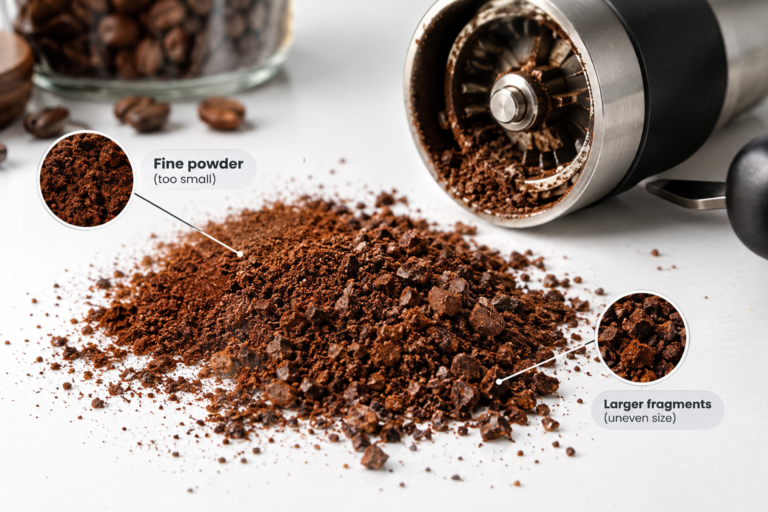
Investing in a burr grinder may initially cost more, but the quality improvement in your coffee experience is well worth it.
Grind Size for Different Brew Methods
Grind size controls how fast flavor comes out of the coffee. Here’s a quick guide:
| Brew Method | Grind Size |
|---|---|
| Espresso | Fine |
| AeroPress | Fine-Medium |
| Pour Over | Medium |
| Drip Coffee Maker | Medium-Coarse |
| French Press | Coarse |
Water Quality and Temperature
Importance of Water Quality
Water makes up about 98% of a cup of brewed coffee. Clean, filtered water keeps chlorine and other off flavors out of it.
Ideal Water Temperature
The optimal brewing temperature for most methods is between 195°F to 205°F. If you don’t have a thermometer, bringing the water to a boil and letting it sit for about 30 seconds will usually get you to this range.
Brewing Methods
Drip Coffee Maker
The drip coffee maker is one of the most common brewing methods due to its convenience.
Steps:
- Measure your coffee and water according to the 1:17 ratio.
- Place a filter in the machine and add your ground coffee.
- Pour in the measured water.
- Turn on the coffee maker and let it do its job.
- Enjoy!
Pour Over
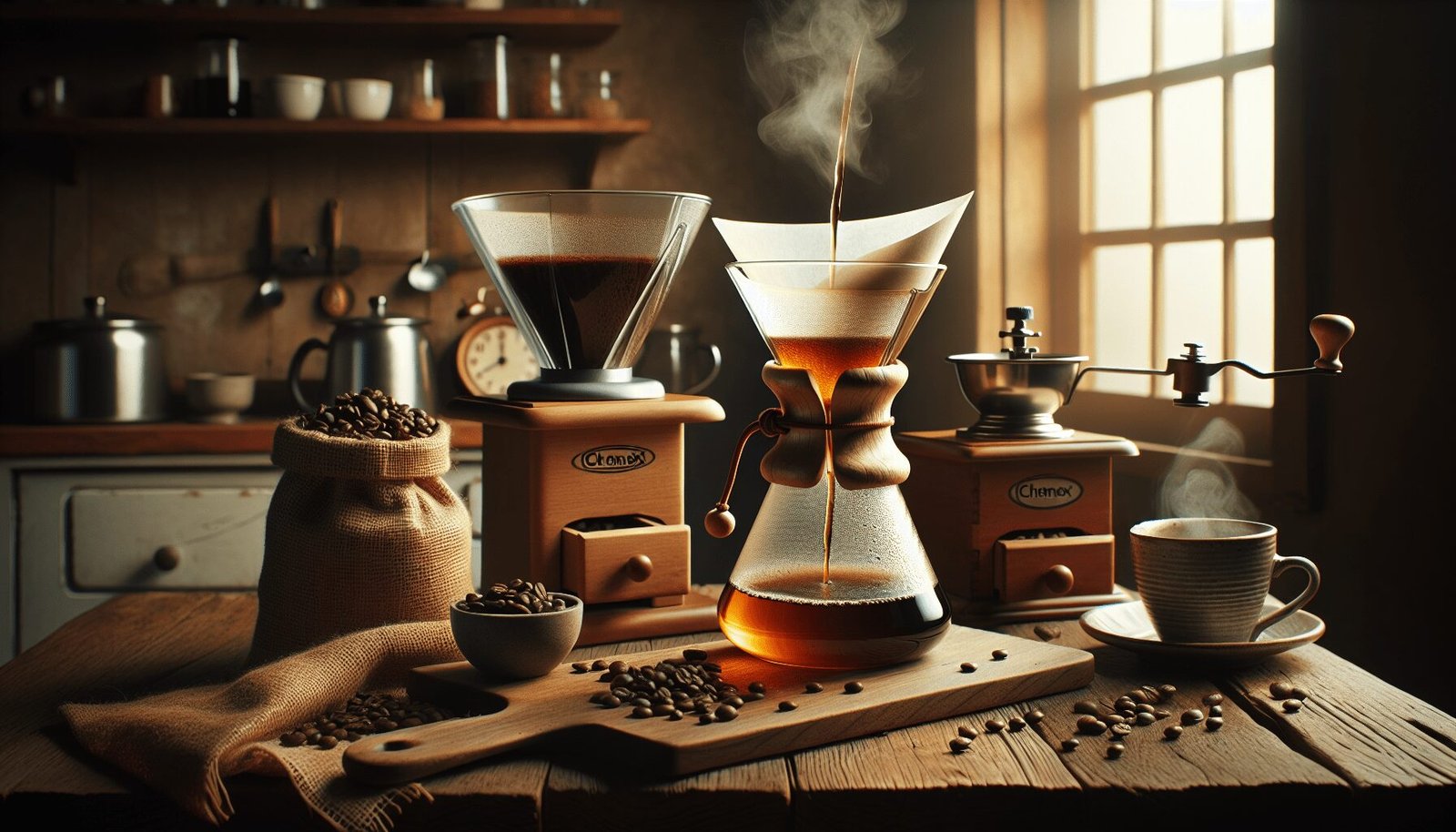
A pour-over allows greater control over the brewing process.
Steps:
- Boil water and let it cool slightly.
- Place a paper filter in your pour-over dripper and rinse it with hot water.
- Add your ground coffee to the dripper.
- Slowly pour water in a circular motion, making sure all grounds are saturated.
- Allow the coffee to bloom (20-30 seconds), then continue pouring in stages.
- Complete the pour over and enjoy!
French Press
The French Press gives a heavier cup, since its metal filter lets more oils through.
Steps:
- Coarsely grind your coffee beans.
- Boil water and let it cool slightly.
- Add ground coffee to the French Press.
- Pour in the hot water and stir.
- Let it steep for about 4 minutes.
- Press the plunger down slowly and evenly.
- Pour and enjoy!
AeroPress
This method offers versatility and is great for a quick cup.
Steps:
- Fine to medium grind your coffee.
- Assemble your AeroPress with a filter and rinse it with hot water.
- Add your coffee to the AeroPress.
- Pour in hot water, stir for 10 seconds, and let it steep for 30 seconds.
- Press the plunger down firmly.
- Enjoy your brewed coffee!
Espresso Machine
Espresso takes more practice, and the Bold and Classic profiles are the most forgiving places to start.
Steps:
- Use finely ground coffee beans.
- Fill the portafilter with the ground coffee and tamp it evenly.
- Attach the portafilter to the machine and start the shot.
- Extract for about 25-30 seconds.
- Enjoy your espresso, or use it as a base for other drinks like lattes or cappuccinos.
Storing Your Coffee
Why Proper Storage Matters
Coffee freshness is key to great taste. Incorrect storage can make even the highest quality beans stale.
Best Storage Practices
- Airtight Containers: Use airtight containers to minimize exposure to air.
- Cool, Dark Places: Store coffee in a cool, dark place to avoid heat and light exposure.
- Avoid Refrigeration: Storing coffee in the fridge can introduce moisture and odors.
Customizing Your Brew
Experiment with Add-Ins
If you like to experiment, here are some add-ins to consider:
| Ingredient | Flavor Impact |
|---|---|
| Cinnamon | Adds a sweet-spicy complexity |
| Vanilla Extract | Rounds out the coffee’s sweetness |
| Cocoa Powder | Makes it richer and more indulgent |
| Nutmeg | Extra warmth and spice |
Milk and Milk Alternatives
Whether you prefer dairy or non-dairy options, the type of milk you use can drastically change your coffee’s texture and flavor. Here are a few options:
| Milk Type | Characteristics |
|---|---|
| Whole Milk | Creamy, adds sweetness |
| Skim Milk | Lighter body, still adds a bit of sweetness |
| Almond Milk | Nutty flavor, lower in calories |
| Oat Milk | Creamy, slightly sweet, good for frothing |
| Soy Milk | Neutral flavor, good for frothing |
Experimenting with different milk types offers a wide array of flavors and textures to discover.
Troubleshooting Common Issues
Even seasoned coffee brewers sometimes hit a snag. Here’s how to solve common issues:
Bitter Coffee
Possible Causes:
- Over-extraction: Your coffee might be brewing too long.
- Water Temperature: It might be too hot.
Solutions:
- Adjust grind size to be coarser.
- Check your water temperature to ensure it’s within the ideal range.
Weak Coffee
Possible Causes:
- Under-extraction: Your coffee brewing time might be too short.
- Coffee-to-Water Ratio: You might not be using enough coffee.
Solutions:
- Grind finer to increase extraction.
- Adjust your coffee-to-water ratio.
Uneven Extraction
Possible Causes:
- Inconsistent Grind: Uneven grind size could lead to inconsistent extraction.
- Poor Pouring Technique: Uneven water flow in methods like pour-over can cause this.
Solutions:
- Use a burr grinder for consistency.
- Practice your pouring technique, aiming for an even and slow pour.
Brew Settings for Each Driftaway Profile
Driftaway roasts every coffee to one of five profiles, and each one wants slightly different handling. The roast levels below come from Driftaway’s own profile guide, which also points Fruity coffees toward pour over, calls Classic coffees good as espresso or drip, and says Bold coffees make excellent espresso.
| Profile | Roast level | Brewers to start with | Water temperature | Starting ratio |
|---|---|---|---|---|
| Fruity | Lightest roast | Pour over, AeroPress | About 205°F | 1:16 |
| Balanced | Light, a little darker than Fruity | Pour over, drip | 200 to 205°F | 1:16 |
| Classic | Medium | Drip, espresso | About 200°F | 1:17 drip, 1:2 espresso |
| Bold | Medium-dark | Espresso, French press | 195 to 200°F | 1:15 French press, 1:2 espresso |
| Extra Bold | Dark, the darkest Driftaway roasts | French press, espresso, cold brew | 190 to 195°F | 1:15 |
The pattern is simple. Lighter profiles are denser and harder to extract, so they get hotter water and a slower method. Darker profiles give up their flavor fast and turn bitter if pushed, so they get cooler water. Our coffee brewing temperature guide explains why.
How to Taste the Explorer Kit Side by Side
Driftaway’s Explorer kit sends five small bags, one per profile, so you can find your favorite before setting up a subscription. It only works as a test if the coffee is the only thing that changes:
- Pick one brewer, ideally a pour over, and use it for all five bags.
- Weigh 15 grams of coffee and 240 grams of water every time. A coffee scale makes this painless.
- Keep the grind setting the same for all five. You are tasting roast, not dialing in.
- Brew from lightest to darkest: Fruity, Balanced, Classic, Bold, Extra Bold. Starting dark numbs your palate to the lighter cups.
- Let each cup cool for five minutes before tasting. Fruit and sweetness show up more clearly as the coffee drops below scalding.
- Write one line per cup: what you tasted, and whether you would drink a whole mug of it.
The profile you would happily finish is your subscription pick. Then brew that profile with the settings above instead of the neutral test recipe, and a gooseneck kettle helps if pour over becomes your daily method.
For general technique that applies to any bean, see our beginner’s guide to brewing coffee at home and the longer step by step home brewing primer. More roaster guides live on the Coffee Rank IQ homepage.
How to brew driftaway coffee: FAQ
Which Driftaway profile is best for espresso?
The Bold profile is the best starting point for espresso, and Driftaway itself says its Bold coffees make excellent espresso. Classic also works well as espresso, while the light Fruity profile is the hardest to pull a balanced shot from.
What grind size should I use for Driftaway coffee?
Match the grind to your brewer, not to the profile: medium for pour over, medium-coarse for drip, coarse for French press and fine for espresso. If a light profile tastes sour at those settings, go one step finer.
Is Driftaway Coffee still a subscription roaster in 2026?
Yes, Driftaway still sells its coffee online by subscription. The Brooklyn company was founded in 2014 by Anu Menon and Suyog Mody as an online subscription roaster and was named Roast Magazine’s 2026 Macro Roaster of the Year.
Conclusion
Read the profile on the bag, set your water temperature to match, weigh your coffee and grind it fresh. Those four habits cover most of the difference between a flat cup and a great one.
If a cup disappoints, change one variable at a time, starting with grind size, and write down what worked.
Feel free to reach out to the Driftaway team or consult this guide anytime you need. Happy brewing!
Keep Exploring Coffee Rank IQ
- Coffee Rank IQ home: reviews, brewing guides, and coffee science
- Best Coffee Grinder for Every Brew Method and Budget
- Best Ways To Customize Temperature Settings On The Behmor Brazen Plus Coffee Maker And Improve Your Brewing Experience By Controlling The Extraction Process For A Perfect Cup Of Coffee Every Time
- Best Cold Brew Coffee Maker: 6 Picks for Smooth Batches at Home
- Best Iced Coffee Maker: Brew-Over-Ice and Cold Brew Picks Compared