How to Make Espresso at Home: Dose, Grind, Tamp, Time
Are you ready to improve your coffee game to new heights? than “Advanced Espresso Brewing 101: Essential Techniques For Success.” In this insightful article, you will discover a treasure trove of invaluable knowledge and techniques that will take your espresso brewing skills to the next level. Whether you’re a seasoned barista or a passionate coffee enthusiast, these essential techniques will open up a world of flavor and intricacy in every cup. Get ready to immerse yourself in the art and science of advanced espresso brewing – the key to unlocking the true potential of your beans.
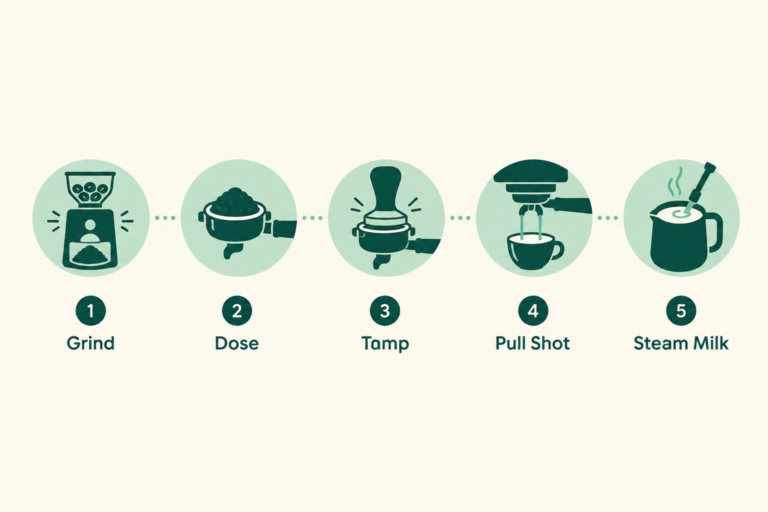
How to make espresso at home, in short: To make espresso at home, grind about 18 grams of fresh beans fine for a standard double basket, level and tamp them, then pull roughly 36 grams of espresso in 25 to 30 seconds. That 1:2 ratio is the usual starting recipe. If the shot tastes sour, grind finer. If it tastes bitter, grind coarser.
Understanding the Basics of Espresso
The science behind espresso brewing
Brewing a perfect espresso is both an art and a science. It all starts with understanding the science behind the process. Espresso is made by forcing hot water through finely ground coffee beans at high pressure. This pressure extracts the rich flavors and oils from the coffee, resulting in a concentrated and intense shot. The combination of pressure, temperature, and extraction time plays a key role in achieving the perfect espresso.
Difference between espresso and other coffee brewing methods
espresso brewing is unique compared to other coffee brewing methods due to its high pressure and quick extraction time. Unlike drip coffee, which relies on gravity to extract the flavors, espresso relies on pressure to push hot water through the tightly packed coffee grounds. This leads to a significantly different taste profile, with espresso being more concentrated and full-bodied.
Essential tools for espresso brewing
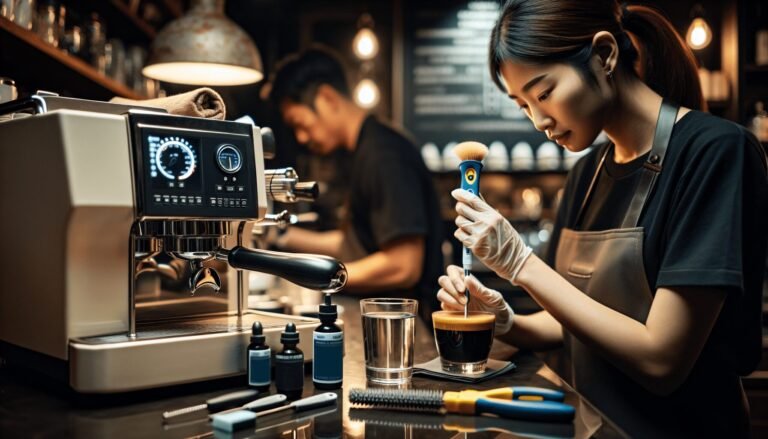
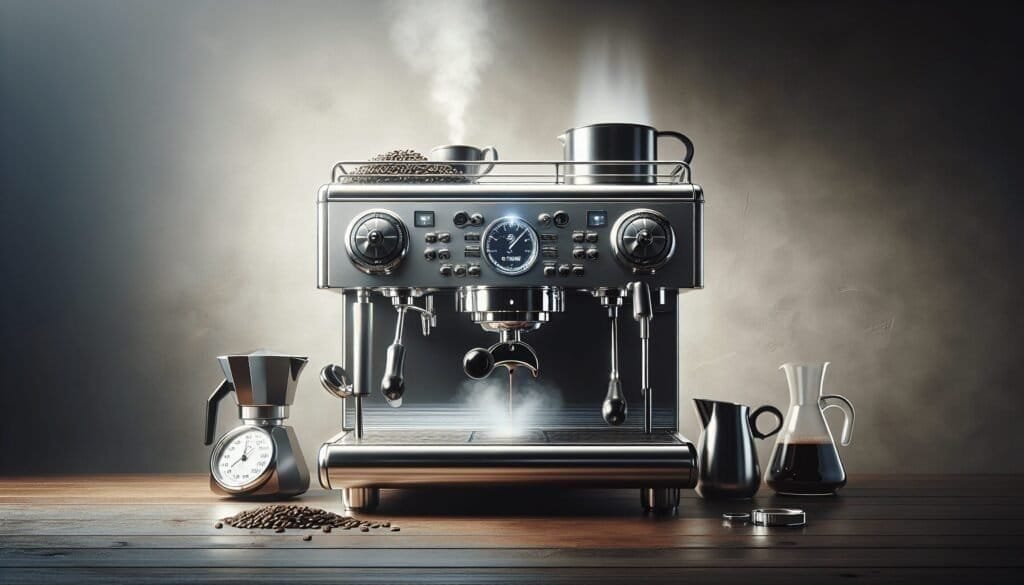
To brew espresso, you’ll need a few essential tools. First and foremost, an espresso machine is necessary. There are various types of espresso machines available, ranging from manual lever machines to fully automated ones. Also, a quality grinder is essential to ensure a consistent grind size. A tamper, a scale, and a timer are also important tools to measure and control the variables during the brewing process. Lastly, a knock box and cleaning brushes will help you keep your machine and workspace clean.
Understanding Your Espresso Machine
Types of espresso machines
Espresso machines come in different types, each with its own unique features and brewing mechanisms. The most common types include manual lever machines, semi-automatic machines, automatic machines, and super-automatic machines. Manual lever machines require manual pressure application, while semi-automatic machines provide control over the brewing process. Automatic machines manage the extraction time, water temperature, and water pressure themselves. Super-automatic machines are fully automated and handle everything with just a push of a button.
Key parts of the machine and their functions
To operate an espresso machine effectively, it’s important to understand its key parts and their functions. The boiler is responsible for heating the water to the desired temperature. The group head is where the coffee grounds are placed and where the hot water passes through to extract the espresso. The portafilter holds the coffee grounds and is attached to the group head. The steam wand is used for frothing milk. Understanding these parts will help you handle your machine and make adjustments as needed.
How to operate an espresso machine
Operating an espresso machine may seem overwhelming at first, but with practice, it becomes second nature. Begin by filling the water reservoir and turning on the machine to heat the water. Next, grind the coffee beans to the appropriate fineness and dose them into the portafilter. Level and tamp the coffee grounds, ensuring an even and compact bed. Insert the portafilter into the group head and start the extraction. Once the desired shot volume is reached, stop the extraction and clean the machine.
Cleaning and maintaining your machine
Regular cleaning and maintenance are key for keeping your espresso machine in optimal condition. After each use, it’s important to purge the group head by running water through it to remove any residual coffee grounds. Clean the portafilter and shower screen to prevent clogging. Also, descaling the machine periodically helps remove mineral deposits that can affect the performance of the machine. It’s also important to follow the manufacturer’s instructions for cleaning and maintenance to ensure the longevity of your espresso machine.
Choosing the Right Coffee Beans
Importance of bean quality in espresso brewing
For brewing espresso, the quality of the coffee beans plays a significant role in the final result. High-quality beans that are freshly roasted and properly stored will have a greater potential for producing a delicious shot of espresso. The flavors, acidity, and aroma of the beans will greatly influence the taste profile of the espresso. It’s important to choose beans that are specifically roasted for espresso brewing to ensure the best results.
Best types of beans for espresso
There are numerous coffee bean varieties to choose from for making espresso, each offering its own unique characteristics. Generally, beans with medium to dark roasts are preferred for espresso brewing due to their rich and intense flavors. Espresso-specific blends are popular as they are carefully crafted to create a balanced and flavorful shot. Single-origin beans, such as those from Brazil, Ethiopia, or Colombia, can also be used to create delightful espresso with distinct flavor profiles.
How roast profiles impact the taste of espresso
Roast profiles play a key role in determining the taste of the espresso. Lighter roasts tend to emphasize the acidity and brightness of the coffee, resulting in a more vibrant and fruity espresso. Medium roasts strike a balance between acidity and body, while darker roasts produce a more bitter and solid espresso with less acidity. Experimenting with different roast profiles allows you to discover your preferred flavor profile and tailor your espresso brewing accordingly.
Grinding coffee beans for espresso brewing
Grinding coffee beans appropriately is essential for proper extraction and the desired taste. For espresso brewing, a fine grind size is necessary to ensure the correct flow rate of water through the coffee puck. Grinding too coarse will result in under-extraction, while grinding too fine can lead to over-extraction and excessive bitterness. Investing in a quality burr grinder allows for precise grind size adjustments, ensuring consistency and optimal extraction for each shot of espresso.
The Role of Water in Espresso Brewing
Preferred water temperature for espresso
Water temperature is a critical factor in espresso brewing. The ideal water temperature for extracting espresso is typically between 195°F and 205°F (90°C to 96°C). Water that is too cool will result in under-extraction, producing a weak and sour shot. Conversely, water that is too hot can lead to over-extraction, resulting in a bitter and burnt taste. Consistently maintaining the proper water temperature is essential for achieving a well-balanced and flavorful espresso.
The effect of water quality on espresso
Water quality significantly impacts the taste of espresso. The presence of minerals, such as calcium and magnesium, can affect the flavors and extraction process. Hard water, which contains high mineral content, can result in scale buildup and affect the performance of the espresso machine. Soft water, on the other hand, may lack the necessary mineral content for proper extraction. Using filtered water or a dedicated water filtration system helps ensure a consistent and optimal water quality for brewing espresso.
The water-to-coffee ratio explained
Determining the appropriate water-to-coffee ratio is key for achieving the desired strength and extraction of the espresso. The most commonly used ratio is 1:2, which means using twice the amount of water compared to the amount of coffee grounds. But, this ratio can be adjusted according to personal preference. Increasing the water volume will result in a milder and more diluted espresso, while decreasing the water volume will produce a stronger and more concentrated shot.
Mastering the Tamping Technique
What is tamping and why it matters
tamping is the process of applying pressure to the coffee grounds in the portafilter to create a dense and even coffee bed. This step is essential for ensuring proper water flow and extraction during the brewing process. Tamping helps create resistance to the water, allowing it to pass through the coffee grounds evenly and extract the desired flavors. Proper tamping ensures consistent extraction and plays a significant role in achieving a balanced and delicious shot of espresso.
How to achieve a consistent tamp
Achieving a consistent tamp requires attention to technique and pressure. Start by distributing the coffee grounds evenly within the portafilter to create a level surface. Place the tamper flat on top of the coffee grounds and apply even downward pressure. Aim for approximately 30 pounds of pressure, which can be achieved by using your body weight and a firm grip on the tamper. Practice and experimentation will help you develop a consistent tamping technique.
Common tamping mistakes and how to avoid them
Several common tamping mistakes can affect the quality of the espresso shot. Uneven tamping, where more pressure is applied to one side of the coffee bed, can result in uneven extraction. This can be corrected by ensuring an even distribution of coffee grounds and applying pressure evenly. Tamping too hard can also lead to over-extraction, while tamping too lightly can result in under-extraction. Finding the right balance of pressure is key for achieving consistent and optimal extraction.
Pulling the Perfect Espresso Shot
Understanding shot times
Shot time refers to the amount of time it takes to extract a shot of espresso. The ideal shot time ranges from 25 to 30 seconds. This extraction time allows for proper flavor extraction while avoiding over-extraction, which can result in bitter flavors. Shot times shorter than 25 seconds may lead to under-extraction, resulting in weak and sour shots. Monitoring shot times and making adjustments to grind size, dose, and tamp pressure can help achieve the perfect shot time.
Judging the shot quality by appearance
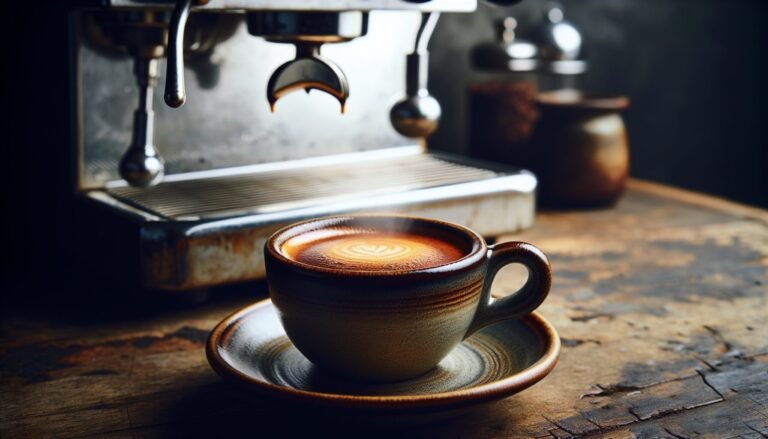
The appearance of the espresso shot, specifically the crema, can provide valuable insights into its quality. Crema is the layer of foam that forms on top of a correctly brewed espresso shot. It should be thick, creamy, and have a reddish-brown color. A thin or pale crema often points to under-extraction or stale beans, while dark, blotchy crema that breaks apart quickly often points to over-extraction. Very fresh beans can throw a thick head of crema regardless, so taste before you judge. Observing the crema’s consistency, color, and thickness can help you gauge the quality of your shot.
Adjusting parameters for different espresso styles
Espresso can be customized according to personal preference and various espresso styles. If a stronger and bolder flavor is desired, adjustments can be made to increase the dose of coffee grounds, decrease the water volume, or grind the coffee finer. On the other hand, for a milder and more delicate flavor, reducing the dose, increasing the water volume, or using a coarser grind can achieve the desired result. Experimenting with different parameters allows you to discover the perfect balance for your preferred espresso style.
Exploring Different Espresso Drinks
Key differences between various espresso-based beverages
Espresso is the foundation for a wide range of delicious beverages. Understanding the key differences between these popular drinks can help you handle espresso-based beverages. For example, a cappuccino consists of equal parts espresso, steamed milk, and foamed milk, while a latte has more steamed milk and less foam. An Americano is created by diluting espresso with hot water. Each beverage offers a unique flavor profile and is enjoyed by espresso enthusiasts around the world.
How to make popular drinks like latte, cappuccino, and americano
Making popular espresso-based drinks like a latte, cappuccino, or americano is an art in itself. To make a latte, start by extracting a shot of espresso and then pour steamed milk over it, followed by a thin layer of foam. For a cappuccino, layer equal parts of espresso, steamed milk, and foam. An americano is made by adding hot water to a shot of espresso. Mastering the art of milk frothing and the balance of flavors is essential for creating these popular drinks.
Creative recipes and trending espresso drinks
In addition to the classic espresso-based beverages, espresso offers endless possibilities for creative recipes and trending drinks. From flavor-infused syrups to unique combinations of ingredients, the creative possibilities are limitless. Trending drinks like the flat white, cortado, or affogato are gaining popularity and adding new dimensions to the espresso experience. Exploring and experimenting with these recipes allows you to showcase your creativity and tailor your espresso brewing skills to current trends.
The Importance of a Clean Espresso Machine
The impact of cleanliness on espresso taste
Maintaining a clean espresso machine is essential for preserving the taste and quality of your espresso. Over time, coffee oils and residues can build up inside the machine, leading to off-flavors and decreased performance. Regular cleaning ensures that your machine is free from any lingering flavors that could affect the taste of your espresso. A clean machine allows for optimal extraction, producing the true flavors and aromas of the coffee beans.
Regular cleaning routine for espresso machines
Establishing a regular cleaning routine is key in keeping your espresso machine in pristine condition. After each use, ensure to remove the coffee puck from the portafilter and rinse it under running water. Wipe the shower screen and gasket to remove any residue. If your machine has a three way solenoid valve, backflush it with a blind basket and espresso machine detergent about once a week. Check the manual first, because machines without that valve should not be backflushed. Descale the machine as necessary to remove mineral deposits. Following a consistent cleaning routine ensures the longevity and performance of your espresso machine.
Deep cleaning methods for longer machine life
In addition to regular maintenance, deep cleaning methods should be performed periodically to ensure the longevity of your espresso machine. This includes disassembling and cleaning removable parts such as the portafilter, shower screen, and group head gasket. Soaking these parts in a cleaning solution helps remove stubborn coffee oils and residues. Also, chemical backflushing and descaling can help maintain the internal components of the machine. Proper deep cleaning prolongs the lifespan of your espresso machine and ensures its continued functionality.
Troubleshooting Common Espresso Brewing Problems
Signs of under-extraction and over-extraction
Understanding the signs of under-extraction and over-extraction is key for troubleshooting espresso brewing problems. Under-extraction often results in weak, watery, and sour shots. The flavors will lack intensity, and the crema will be thin and pale. Over-extraction, on the other hand, leads to bitter, astringent, and overpowering flavors. The crema may be excessive, dark, and uneven. By recognizing these signs, you can adjust variables such as grind size, brewing time, and water temperature to improve the extraction and taste of your espresso.
Fixing common machine issues
Espresso machines can encounter common issues that can affect their performance. For example, if the machine is not reaching the desired water temperature, it may be due to a faulty thermostat or heating element. Inadequate pressure during extraction can be caused by a malfunctioning pump. Leaks can occur due to worn-out gaskets or improperly tightened fittings. Identifying these issues and consulting the manufacturer’s troubleshooting guide or contacting a professional technician can help resolve common machine problems and ensure optimal brewing results.
The role of grinder adjustments in espresso quality
The grinder plays a key role in espresso quality and should not be overlooked when troubleshooting brewing problems. Inconsistent grind size can lead to uneven extraction and inconsistent flavors. If your espresso is tasting weak or sour, adjusting the grinder to a finer setting can help increase the extraction and improve the flavors. Conversely, if the espresso is bitter or astringent, a coarser grind size may be necessary to reduce over-extraction. Regularly calibrating and adjusting the grinder ensures optimal extraction and improves the overall espresso experience.
Improving Your Espresso Brewing Skills
Experiments to try for better espresso
Improving your espresso brewing skills is an ongoing routine of exploration and experimentation. Consider trying different coffee bean origins, roast profiles, and blends to discover new flavor profiles. Experimenting with different water-to-coffee ratios, extraction times, and tamping techniques can also yield interesting results. Incorporating alternative brewing methods such as pressure profiling or temperature surfing can further improve the complexity and nuances of your espresso shots. Don’t be afraid to think outside the box and push the boundaries of your espresso brewing skills.
Courses and resources for advanced espresso brewing
For those looking to dive deeper into advanced espresso brewing, there are various courses and resources available. Many coffee schools and specialty coffee shops offer classes specifically matched to espresso. These courses cover topics such as advanced brewing techniques, latte art, and flavor profiling. Online resources, books, and forums are also excellent sources of information on advanced brewing methods, coffee bean selection, and equipment maintenance. By immersing yourself in these educational opportunities, you can further refine your skills and knowledge as an espresso enthusiast.
The role of professional barista competitions in skill development
Professional barista competitions provide a platform for baristas to showcase their skills and learn from one another. These competitions allow baristas to demonstrate their expertise in areas such as espresso extraction, milk steaming, and artistic presentation. Competing against talented baristas from around the world fosters an environment of growth and development. By observing and learning from the techniques and innovations of top baristas, aspiring espresso enthusiasts can improve their skills and take their brewing to new heights. Participating in or attending these competitions can be a big experience for those passionate about espresso.
In conclusion, understanding the basics of espresso, comprehending the inner workings of espresso machines, selecting the right coffee beans, and mastering various techniques are all essential for achieving success in espresso brewing. The continuous exploration and experimentation with different variables and methods contribute to improving one’s skills and creating exceptional espresso. With dedication, practice, and a touch of creativity, anyone can look at the captivating world of espresso brewing and open up its limitless potential.
Your First Espresso Shot, Step by Step
This is the starting recipe for a standard double basket: 18 grams in, about 36 grams out, 25 to 30 seconds. Every number after this gets adjusted by taste.
- Turn the machine on early with the portafilter locked in so the group and basket heat up. Warm up time varies a lot between machines, so check the manual.
- Weigh 18 grams of beans, or use the dose stamped on your basket if it has one.
- Grind fine, around the texture of fine table salt, straight into the clean, dry basket.
- Stir out clumps with a thin needle tool, then tap the portafilter once on the counter to settle the bed.
- Tamp level and firm, then stop. A level tamp matters more than extra force.
- Set the cup on a scale under the spouts, zero it, lock in, and start the shot and a timer together.
- Stop the shot at about 36 grams in the cup and note the time.
- Taste it, then change one thing only, starting with the grind.
Espresso Troubleshooting by Time and Taste
| What you see | What it tastes like | Change this |
|---|---|---|
| Under 20 seconds, pale and fast | Sour, thin, a little salty | Grind finer |
| 25 to 30 seconds, steady flow like warm honey | Sweet and balanced | Keep the grind and tune the ratio by taste |
| Over 35 seconds, slow drips | Bitter, dry, hollow | Grind coarser |
| Spurts, sprays or one pale side | Sour and bitter in the same sip | Stir out clumps and tamp level |
| Right time, still dull | Flat and papery | Check the roast date, since the beans may be stale |
The foam on top offers clues too, and our espresso crema guide explains what color and thickness say about a shot. If you are still choosing a machine, our best espresso machine for beginners list favors models that forgive a rough first week.
How to make espresso at home: FAQ
How many grams of coffee go in a double espresso?
Most double baskets take 16 to 20 grams of ground coffee, and 18 grams is the usual starting point. Match the dose to the basket. Too little leaves headroom that turns the puck soupy, and too much packs the grounds against the shower screen.
Why does my homemade espresso taste sour?
Sour espresso is usually under-extracted, meaning the water ran through too fast or too cool. Grind finer first. If the shot already runs 25 to 30 seconds and still tastes sour, stretch the ratio from 1:2 toward 1:2.5 and make sure the machine has fully warmed up.
Do I need a separate grinder to make espresso at home?
Yes, unless your machine has a grinder built in. Most pre-ground coffee is too coarse for a standard espresso basket and fades quickly once the bag is open, and it rules out the small grind changes this guide depends on. Our best espresso grinder guide covers the models worth the counter space, and more setup help lives on the Coffee Rank IQ homepage.